
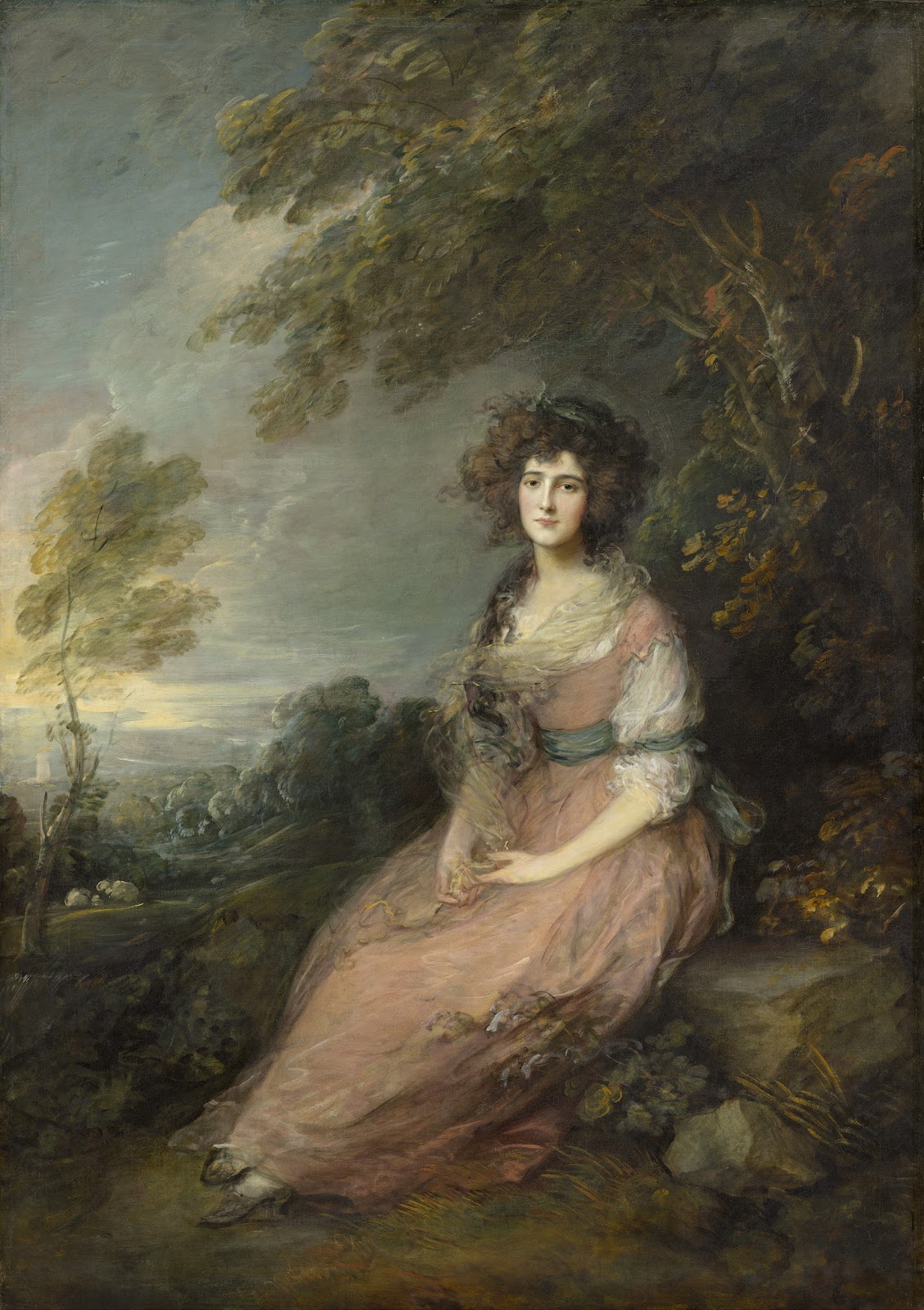
18th-century Art was a period of dramatic shifts, evolving from the ornate and playful Rococo style to the serious, structured ideals of Neoclassicism, and finally giving way to the emotional depth of early Romanticism.
This century's art was deeply shaped by the Enlightenment, a renewed passion for classical antiquity following the discovery of Pompeii, and the political upheavals of the American and French Revolutions.

Major Artistic Movements
Rococo (Early to Mid-18th Century): Emerging in France, this style moved away from the heavy drama of the Baroque toward lightness, grace, and playfulness.
It featured asymmetrical designs, pastel colors, and themes of aristocratic leisure and amorous courtship.
Neoclassicism (Mid-18th to Early 19th Century): A reaction against Rococo "frivolity", Neoclassicism sought a return to the ideals of ancient Greece and Rome.
It emphasized moral themes, rational order, clear lines, and heroic self-sacrifice.

François Boucher | The Four Seasons | The Frick Collection
Romanticism (Late 18th Century): Beginning as the century closed, Romanticism prioritized individual emotion, nature, and the sublime over the rationalism of the Enlightenment.
This period saw an unprecedented number of women working professionally, including Élisabeth Vigée Le Brun, Angelica Kauffmann and Adélaïde Labille-Guiard.
List of 18th century Art / Artists published on Tutt'Art@


 Facebook
 X
X
 LinkedIn
 Telegram
 WhatsApp
 Iscriviti al canale