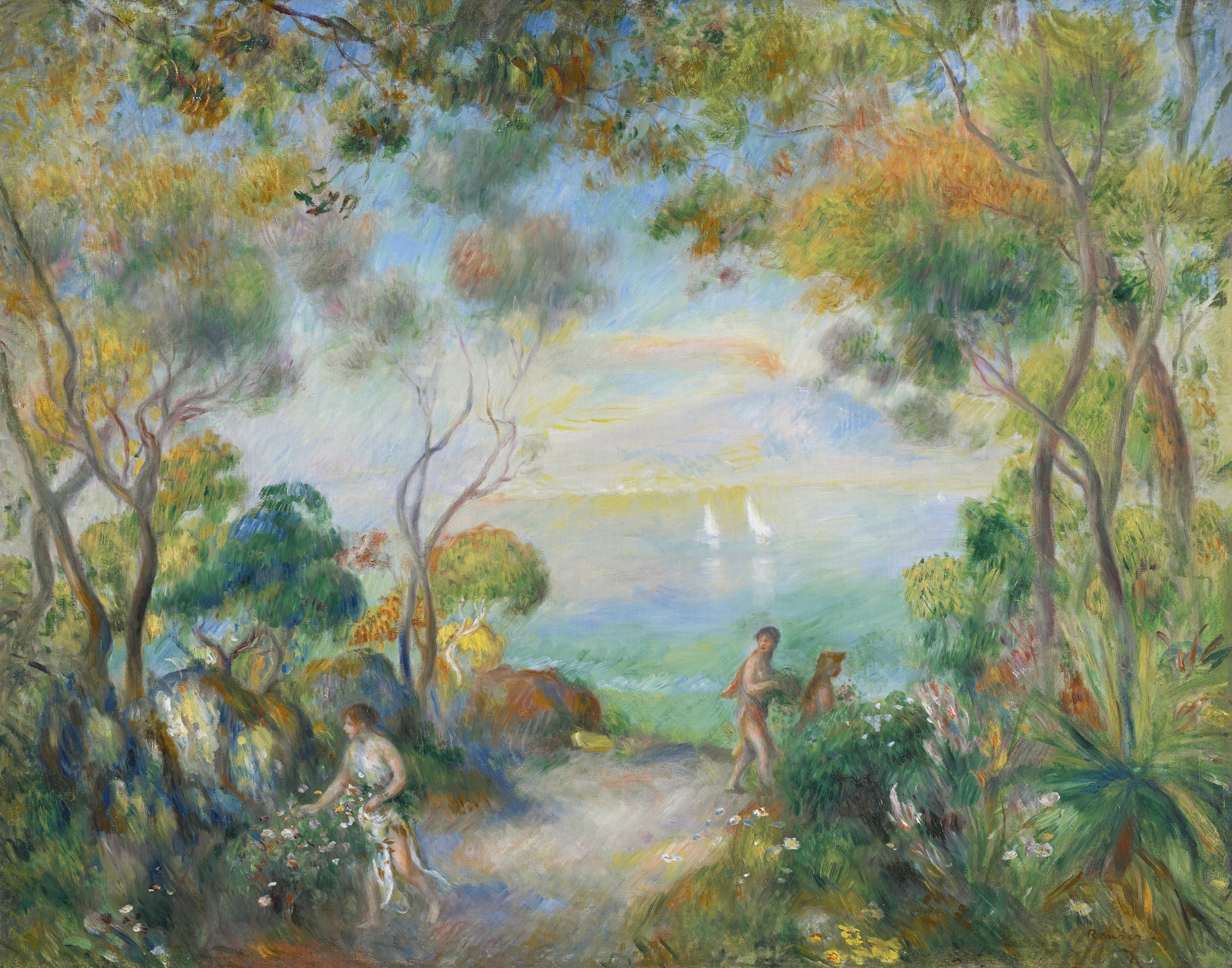
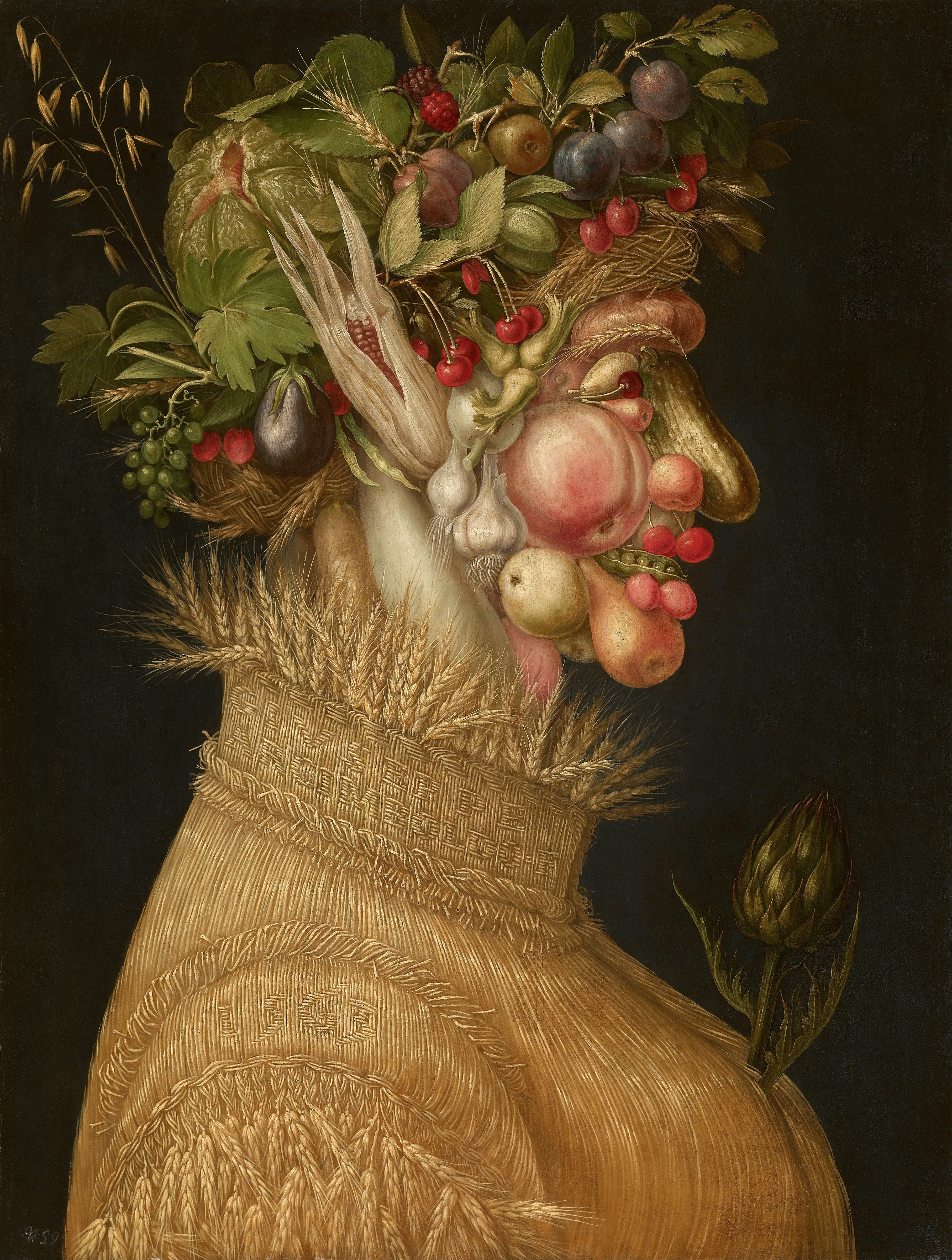
L'Arte Topiaria, ars Topiaria in latino, o Hedge sculptur, nata all'epoca dell'Antica Roma, è una forma della Scultura Vegetale.
Consiste nel potare alberi ed arbusti al fine di dare loro una forma geometrica, diversa da quella naturalmente assunta dalla pianta, per scopi ornamentali.
Si formano così siepi formali, oppure partendo da esemplari singoli o piccoli gruppi, soggetti con varie forme, astratte oppure di animali, oggetti, persone.
Le piante vengono fatte crescere a volte con appositi supporti metallici per guidarle verso la forma definitiva.
L'Arte Topiaria, ars Topiaria in latino, o Hedge sculptur, nata all'epoca dell'Antica Roma, è una forma della Scultura Vegetale.
Consiste nel potare alberi ed arbusti al fine di dare loro una forma geometrica, diversa da quella naturalmente assunta dalla pianta, per scopi ornamentali.
Si formano così siepi formali, oppure partendo da esemplari singoli o piccoli gruppi, soggetti con varie forme, astratte oppure di animali, oggetti, persone.
Le piante vengono fatte crescere a volte con appositi supporti metallici per guidarle verso la forma definitiva.
Genre painting, painting of scenes from everyday life, of ordinary people in work or recreation, depicted in a generally realistic manner.
Genre art contrasts with that of landscape, portraiture, still life, religious themes, historic events, or any kind of traditionally idealized subject matter.
Intimate scenes from daily life are almost invariably the subject of genre painting.
The elimination of imaginative content and of idealization focuses attention upon the shrewd observation of types, costumes and settings.
The term arose in 18th-century France to describe painters specializing in one kind genre of picture, such as flowers or animals or middle-class life, and was originally used derogatively by advocates of the ideal or grand manner in art.
Genre painting, painting of scenes from everyday life, of ordinary people in work or recreation, depicted in a generally realistic manner.
Genre art contrasts with that of landscape, portraiture, still life, religious themes, historic events, or any kind of traditionally idealized subject matter.
Intimate scenes from daily life are almost invariably the subject of genre painting.
The elimination of imaginative content and of idealization focuses attention upon the shrewd observation of types, costumes and settings.
The term arose in 18th-century France to describe painters specializing in one kind genre of picture, such as flowers or animals or middle-class life, and was originally used derogatively by advocates of the ideal or grand manner in art.
Quando si parla di intelligenza artificiale per artisti, spesso si resta in superficie. In realtà, ChatGPT può diventare uno strumento estremamente utile all’interno del processo pittorico, soprattutto per chi lavora con colore, tecnica e composizione.
🎨 1. Analisi e ricostruzione delle palette dei grandi maestri
Un pittore può chiedere a ChatGPT di ricostruire le palette cromatiche utilizzate da artisti storici, ad esempio:
palette tipica di Van Gogh (gialli cromo, blu oltremare, verdi viridian);
palette impressionista di Renoir (rosa carne, blu ceruleo, ocra chiara);
Quando si parla di intelligenza artificiale per artisti, spesso si resta in superficie. In realtà, ChatGPT può diventare uno strumento estremamente utile all’interno del processo pittorico, soprattutto per chi lavora con colore, tecnica e composizione.
🎨 1. Analisi e ricostruzione delle palette dei grandi maestri
Un pittore può chiedere a ChatGPT di ricostruire le palette cromatiche utilizzate da artisti storici, ad esempio:
palette tipica di Van Gogh (gialli cromo, blu oltremare, verdi viridian);
palette impressionista di Renoir (rosa carne, blu ceruleo, ocra chiara);
Poetry is one of the oldest forms of human expression, predating literacy and evolving from oral traditions used to preserve history, genealogy and law.
The word "poet" originates from the Greek poiētēs, meaning "maker".
The Echo in the Cave
The first voice wasn't a voice at all, not really.
It was a rhythm.
In the dim coolness of a limestone cave, millennia ago, Elara, a woman of the Clan of the Whispering Winds, beat a steady pulse on a stretched animal skin.
Enheduanna's head - celebrated as the earliest known named Author in world history | Morgan Library / The Penn Museum
Poetry is one of the oldest forms of human expression, predating literacy and evolving from oral traditions used to preserve history, genealogy and law.
The word "poet" originates from the Greek poiētēs, meaning "maker".
The Echo in the Cave
The first voice wasn't a voice at all, not really.
It was a rhythm.
In the dim coolness of a limestone cave, millennia ago, Elara, a woman of the Clan of the Whispering Winds, beat a steady pulse on a stretched animal skin.
Enheduanna's head - celebrated as the earliest known named Author in world history | Morgan Library / The Penn Museum
The Armory Show of 1913, formally titled the International Exhibition of Modern Art, was a landmark event organized by the Association of American Painters and Sculptors that introduced modern European art to American audiences on a massive scale.
Held from February 17 to March 15 at New York City's 69th Regiment Armory on Lexington Avenue, it later traveled to Chicago and Boston, drawing huge crowds and sparking intense debate about the nature of art.
Vincent van Gogh | Two Peasant Women Digging in Field with Snow, 1890
The Armory Show of 1913, formally titled the International Exhibition of Modern Art, was a landmark event organized by the Association of American Painters and Sculptors that introduced modern European art to American audiences on a massive scale.
Held from February 17 to March 15 at New York City's 69th Regiment Armory on Lexington Avenue, it later traveled to Chicago and Boston, drawing huge crowds and sparking intense debate about the nature of art.
Vincent van Gogh | Two Peasant Women Digging in Field with Snow, 1890
Their works celebrate pattern and ornament, challenge the boundaries that divide fine arts from crafts, and, in many cases, complement the interiors for which they were commissioned.
Disaffected with the rigidly representational painting methods taught at the Académie Julian, Bonnard and Denis joined with other like-minded students in the fall of 1888 to form a brotherhood called the “Nabis”, a Hebrew word meaning “prophets”.
Their works celebrate pattern and ornament, challenge the boundaries that divide fine arts from crafts, and, in many cases, complement the interiors for which they were commissioned.
Disaffected with the rigidly representational painting methods taught at the Académie Julian, Bonnard and Denis joined with other like-minded students in the fall of 1888 to form a brotherhood called the “Nabis”, a Hebrew word meaning “prophets”.
Per Civiltà Romana si intendono tutti quegli aspetti della popolazione indoeuropea chiamata Romani (inizialmente stanziata a Roma, poi diffusasi su gran parte d'Europa e nell'intero bacino del Mediterraneo), da sociali a religiosi, culturali, letterari, artistici, militari.
L'origine del nome della città e quindi del popolo che lo abitava, era incerta anche in età arcaica.
Servio, grammatico a cavallo tra il IV e il V secolo d.C., riteneva che il nome potesse derivare da un'antica denominazione del fiume Tevere, Rumon, dalla radice ruo (a sua volta proveniente dal greco ρεω), scorro, così da assumere il significato di Città del Fiume.
Ma si tratta di un'ipotesi che non ha riscosso molto successo.
Per Civiltà Romana si intendono tutti quegli aspetti della popolazione indoeuropea chiamata Romani (inizialmente stanziata a Roma, poi diffusasi su gran parte d'Europa e nell'intero bacino del Mediterraneo), da sociali a religiosi, culturali, letterari, artistici, militari.
L'origine del nome della città e quindi del popolo che lo abitava, era incerta anche in età arcaica.
Servio, grammatico a cavallo tra il IV e il V secolo d.C., riteneva che il nome potesse derivare da un'antica denominazione del fiume Tevere, Rumon, dalla radice ruo (a sua volta proveniente dal greco ρεω), scorro, così da assumere il significato di Città del Fiume.
Ma si tratta di un'ipotesi che non ha riscosso molto successo.
Magic Realism, also sometimes called fantastic realism, is a genre that blends realistic depictions of the everyday world with elements of fantasy, myth, or the surreal.
It's not merely about adding monsters or fantastical creatures into a realistic scene.
It's more nuanced than that. It's about portraying the ordinary with an air of mystery, strangeness, and sometimes a subtle political or social commentary.
The "magic" isn't explicitly explained; it's accepted as part of the natural order within the artwork's world.
Magic Realism, also sometimes called fantastic realism, is a genre that blends realistic depictions of the everyday world with elements of fantasy, myth, or the surreal.
It's not merely about adding monsters or fantastical creatures into a realistic scene.
It's more nuanced than that. It's about portraying the ordinary with an air of mystery, strangeness, and sometimes a subtle political or social commentary.
The "magic" isn't explicitly explained; it's accepted as part of the natural order within the artwork's world.
Let's dive into the wonderfully evocative world of Romantic art!
Romantic art, flourishing roughly from the late 18th through the 19th centuries, is a fascinating and complex movement that fundamentally shifted focus away from Enlightenment ideals of reason and order towards a celebration of emotion, imagination, and the sublime.
Eugène Delacroix | Liberty Leading the People (28 July 1830) | Musée du Louvre
Let's dive into the wonderfully evocative world of Romantic art!
Romantic art, flourishing roughly from the late 18th through the 19th centuries, is a fascinating and complex movement that fundamentally shifted focus away from Enlightenment ideals of reason and order towards a celebration of emotion, imagination, and the sublime.
Eugène Delacroix | Liberty Leading the People (28 July 1830) | Musée du Louvre
Le Pont des Arts / The Bridge of Arts or Passerelle des Arts is a pedestrian bridge in Paris which crosses the River Seine.
It links the Institut de France and the central square (cour carrée) of the Palais du Louvre, (which had been termed the "Palais des Arts" under the First French Empire).
Between 1802-1804, under the reign of Napoleon I, a nine-arch metallic bridge for pedestrians was constructed at the location of the present day Pont des Arts: this was the first metal bridge in Paris.
The engineers Louis-Alexandre de Cessart and Jacques Dillon initially conceived of a bridge which would resemble a suspended garden, with trees, banks of flowers and benches.
Le Pont des Arts / The Bridge of Arts or Passerelle des Arts is a pedestrian bridge in Paris which crosses the River Seine.
It links the Institut de France and the central square (cour carrée) of the Palais du Louvre, (which had been termed the "Palais des Arts" under the First French Empire).
Between 1802-1804, under the reign of Napoleon I, a nine-arch metallic bridge for pedestrians was constructed at the location of the present day Pont des Arts: this was the first metal bridge in Paris.
The engineers Louis-Alexandre de Cessart and Jacques Dillon initially conceived of a bridge which would resemble a suspended garden, with trees, banks of flowers and benches.
The civilization of ancient Greece has been immensely influential on language, politics, educational systems, philosophy, science, and the arts. It became the Leitkultur of the Roman Empire to the point of marginalizing native Italic traditions. As Horace put it,
Graecia capta ferum victorem cepit et artis / intulit agresti Latio (Epistulae 2.1.156f.)
"Captive Greece took captive her uncivilised conqueror and instilled her arts in rustic Latium".
The civilization of ancient Greece has been immensely influential on language, politics, educational systems, philosophy, science, and the arts. It became the Leitkultur of the Roman Empire to the point of marginalizing native Italic traditions. As Horace put it,
Graecia capta ferum victorem cepit et artis / intulit agresti Latio (Epistulae 2.1.156f.)
"Captive Greece took captive her uncivilised conqueror and instilled her arts in rustic Latium".
Art Déco Exposition Internationale des Arts Décoratifs et Industriels Modernes - Esposizione internazionale delle arti decorativi ed industriali moderni, tenutasi a Parigi nel 1925 - e per quest'ultimo motivo noto anche come Stile 1925 - viene considerato un fenomeno del gusto che interessò sostanzialmente il secondo ed il terzo decennio del secolo XX: riguardò le arti decorative, le arti visive, l'architettura, la moda.
L'Expo parigina del 1925 vide trionfare, fra i molti espositori stranieri, la speciale raffinatezza francese in varie categorie merceologiche, dall'ebanisteria agli accessori di moda: Parigi restava il centro internazionale del buon gusto anche negli anni critici seguiti alla prima guerra mondiale.
Art Déco Exposition Internationale des Arts Décoratifs et Industriels Modernes - Esposizione internazionale delle arti decorativi ed industriali moderni, tenutasi a Parigi nel 1925 - e per quest'ultimo motivo noto anche come Stile 1925 - viene considerato un fenomeno del gusto che interessò sostanzialmente il secondo ed il terzo decennio del secolo XX: riguardò le arti decorative, le arti visive, l'architettura, la moda.
L'Expo parigina del 1925 vide trionfare, fra i molti espositori stranieri, la speciale raffinatezza francese in varie categorie merceologiche, dall'ebanisteria agli accessori di moda: Parigi restava il centro internazionale del buon gusto anche negli anni critici seguiti alla prima guerra mondiale.
Baroque music refers to the period or dominant style of Western classical music composed from about 1600 to 1750.
The Baroque style followed the Renaissance period, and was followed in turn by the Classical period after a short transition (the galant style).
The Baroque period is divided into three major phases: early, middle, and late. Overlapping in time, they are conventionally dated from 1580 to 1650, from 1630 to 1700, and from 1680 to 1750.
Baroque music forms a major portion of the "classical music" canon, and is widely studied, performed, and listened to.
The term "baroque" comes from the Portuguese word barroco, meaning "misshapen pearl".
Key composers of the Baroque era include: Johann Sebastian Bach, Antonio Vivaldi, George Frideric Handel, Georg Philipp Telemann, Domenico Scarlatti, Claudio Monteverdi, Alessandro Stradella, Jean-Baptiste Lully, Jean-Philippe Rameau, Arcangelo Corelli, François Couperin, Heinrich Schütz, Dieterich Buxtehude and Heinrich Ignaz Franz Biber.
The Baroque saw the formalization of common-practice tonality, an approach to writing music in which a song or piece is written in a particular key; this type of harmony has continued to be used extensively in Western classical and popular music.
During the Baroque era, professional musicians were expected to be accomplished improvisers of both solo melodic lines and accompaniment parts.
Baroque concerts were typically accompanied by a basso continuo group (comprising chord-playing instrumentalists such as harpsichordists and lute players improvising chords from a figured bass part) while a group of bass instruments—viol, cello, double bass—played the bassline.
A characteristic Baroque form was the dance suite.
While the pieces in a dance suite were inspired by actual dance music, dance suites were designed purely for listening, not for accompanying dancers.
During the period composers experimented with finding a fuller sound for each instrumental part (thus creating the orchestra), made changes in musical notation (the development of figured bass as a quick way to notate the chord progression of a song or piece), and developed new instrumental playing techniques.
Baroque music expanded the size, range, and complexity of instrumental performance, and also established the mixed vocal/instrumental forms of opera, cantata and oratorio and the instrumental forms of the solo concerto and sonata as musical genres.
Dense, complex polyphonic music, in which multiple independent melody lines were performed simultaneously (a popular example of this is the fugue), was an important part of many Baroque choral and instrumental works.
Playing music in Baroque era | Johann Sebastian Bach, Toccata and Fugue in D Minor (BWV 565)
La musica barocca è un'epoca nella storia della musica colta occidentale che segue il Rinascimento e si estende dall'inizio del XVII fino a circa la metà del XVIII secolo.
Le caratteristiche tipiche di questa lunga ed eterogenea epoca musicale sono la rappresentazione degli affetti (l'assegnazione di tipi di rappresentazione musicale a stati d'animo specifici), lo stile concertato (l'interazione di gruppi sonori eterogenei) ed il basso continuo (le voci della melodia sono contrapposte a una voce di basso, che è notata con numeri per indicare gli accordi da suonare).
Per questo motivo è stato suggerito il termine “Era del direttore d’orchestra”.
Nel periodo barocco la musica strumentale si emancipò dalla musica vocale e diede origine anche all'orchestra nel suo senso moderno.
L'inizio del periodo barocco nella musica fu segnato intorno al 1600 dall'invenzione della monodia (canto solista o voce solista strumentale con accompagnamento) e dal nuovo genere dell'opera in Italia, il cui principale rappresentante fu Claudio Monteverdi.
Lo stile drammatico e carico di emozione fu trasferito alla musica strumentale da Girolamo Frescobaldi e adattato in Germania da Heinrich Schütz alle caratteristiche della lingua tedesca.
Dopo questa fase iniziale, intorno al 1640, ebbe inizio in Italia l'alto barocco, con un carattere più lirico e una maggiore fluidità formale, con Francesco Cavalli come compositore di opere, Giacomo Carissimi di oratori e poi Arcangelo Corelli con la musica per archi.
In Francia, uno stile barocco indipendente, in cui la danza rivestiva maggiore importanza, fu instaurato da Jean-Baptiste Lully, nelle cui opere, a differenza dello stile italiano, il contenuto espressivo del canto rimase contenuto.
In Inghilterra, Henry Purcell combina influenze italiane e francesi con la tradizione locale e le peculiarità della pronuncia inglese.
In Germania la scuola organistica della Germania settentrionale, importante anche per la musica vocale sacra, trovò in Dietrich Buxtehude un rappresentante di spicco.
Nel tardo barocco, a partire dal 1690 circa, la combinazione degli stili nazionali sviluppatisi nel periodo dell'alto barocco giocò un ruolo importante, in Francia con François Couperin, in Germania con Georg Philipp Telemann e in Inghilterra con Georg Friedrich Händel.
La tensione tra i rapporti tonali viene ora utilizzata per sviluppare forme più ampie, come nella forma ritornello (con una parte ricorrente chiamata ritornello) di Antonio Vivaldi.
Un cambiamento di stile con melodie più dettagliate e una riduzione della polifonia (più voci indipendenti) iniziò negli anni Venti del Settecento, inizialmente nell'opera italiana, ad esempio con Leonardo Vinci e Giovanni Battista Pergolesi.
Jean-Philippe Rameau presentò la prima teoria dell'armonia (la teoria della successione di armonie di più toni).
Anche Domenico Scarlatti, compositore di sonate per clavicembalo attivo in Spagna, divenne un precursore del periodo classico, rompendo la continuità barocca, mentre allo stesso tempo la densità strutturale di Johann Sebastian Bach, che servì da modello per i compositori del periodo classico, funge da contrappunto.
L'anno della morte di Bach, il 1750, è spesso utilizzato come punto di fine di un'epoca.
La musica barocca serviva principalmente a rappresentare la nobiltà e la chiesa.
I musicisti erano organizzati in forma di corporazione oppure avevano un impiego fisso.
La tipologia dell'imprenditore musicale inizia a farsi notare solo a metà del XVIII secolo, in un'attività musicale in cui la borghesia è sempre più coinvolta.
Baroque music refers to the period or dominant style of Western classical music composed from about 1600 to 1750.
The Baroque style followed the Renaissance period, and was followed in turn by the Classical period after a short transition (the galant style).
The Baroque period is divided into three major phases: early, middle, and late. Overlapping in time, they are conventionally dated from 1580 to 1650, from 1630 to 1700, and from 1680 to 1750.
Baroque music forms a major portion of the "classical music" canon, and is widely studied, performed, and listened to.
The term "baroque" comes from the Portuguese word barroco, meaning "misshapen pearl".
Key composers of the Baroque era include: Johann Sebastian Bach, Antonio Vivaldi, George Frideric Handel, Georg Philipp Telemann, Domenico Scarlatti, Claudio Monteverdi, Alessandro Stradella, Jean-Baptiste Lully, Jean-Philippe Rameau, Arcangelo Corelli, François Couperin, Heinrich Schütz, Dieterich Buxtehude and Heinrich Ignaz Franz Biber.
The Baroque saw the formalization of common-practice tonality, an approach to writing music in which a song or piece is written in a particular key; this type of harmony has continued to be used extensively in Western classical and popular music.
During the Baroque era, professional musicians were expected to be accomplished improvisers of both solo melodic lines and accompaniment parts.
Baroque concerts were typically accompanied by a basso continuo group (comprising chord-playing instrumentalists such as harpsichordists and lute players improvising chords from a figured bass part) while a group of bass instruments—viol, cello, double bass—played the bassline.
A characteristic Baroque form was the dance suite.
While the pieces in a dance suite were inspired by actual dance music, dance suites were designed purely for listening, not for accompanying dancers.
During the period composers experimented with finding a fuller sound for each instrumental part (thus creating the orchestra), made changes in musical notation (the development of figured bass as a quick way to notate the chord progression of a song or piece), and developed new instrumental playing techniques.
Baroque music expanded the size, range, and complexity of instrumental performance, and also established the mixed vocal/instrumental forms of opera, cantata and oratorio and the instrumental forms of the solo concerto and sonata as musical genres.
Dense, complex polyphonic music, in which multiple independent melody lines were performed simultaneously (a popular example of this is the fugue), was an important part of many Baroque choral and instrumental works.
Playing music in Baroque era | Johann Sebastian Bach, Toccata and Fugue in D Minor (BWV 565)
La musica barocca è un'epoca nella storia della musica colta occidentale che segue il Rinascimento e si estende dall'inizio del XVII fino a circa la metà del XVIII secolo.
Le caratteristiche tipiche di questa lunga ed eterogenea epoca musicale sono la rappresentazione degli affetti (l'assegnazione di tipi di rappresentazione musicale a stati d'animo specifici), lo stile concertato (l'interazione di gruppi sonori eterogenei) ed il basso continuo (le voci della melodia sono contrapposte a una voce di basso, che è notata con numeri per indicare gli accordi da suonare).
Per questo motivo è stato suggerito il termine “Era del direttore d’orchestra”.
Nel periodo barocco la musica strumentale si emancipò dalla musica vocale e diede origine anche all'orchestra nel suo senso moderno.
L'inizio del periodo barocco nella musica fu segnato intorno al 1600 dall'invenzione della monodia (canto solista o voce solista strumentale con accompagnamento) e dal nuovo genere dell'opera in Italia, il cui principale rappresentante fu Claudio Monteverdi.
Lo stile drammatico e carico di emozione fu trasferito alla musica strumentale da Girolamo Frescobaldi e adattato in Germania da Heinrich Schütz alle caratteristiche della lingua tedesca.
Dopo questa fase iniziale, intorno al 1640, ebbe inizio in Italia l'alto barocco, con un carattere più lirico e una maggiore fluidità formale, con Francesco Cavalli come compositore di opere, Giacomo Carissimi di oratori e poi Arcangelo Corelli con la musica per archi.
In Francia, uno stile barocco indipendente, in cui la danza rivestiva maggiore importanza, fu instaurato da Jean-Baptiste Lully, nelle cui opere, a differenza dello stile italiano, il contenuto espressivo del canto rimase contenuto.
In Inghilterra, Henry Purcell combina influenze italiane e francesi con la tradizione locale e le peculiarità della pronuncia inglese.
In Germania la scuola organistica della Germania settentrionale, importante anche per la musica vocale sacra, trovò in Dietrich Buxtehude un rappresentante di spicco.
Nel tardo barocco, a partire dal 1690 circa, la combinazione degli stili nazionali sviluppatisi nel periodo dell'alto barocco giocò un ruolo importante, in Francia con François Couperin, in Germania con Georg Philipp Telemann e in Inghilterra con Georg Friedrich Händel.
La tensione tra i rapporti tonali viene ora utilizzata per sviluppare forme più ampie, come nella forma ritornello (con una parte ricorrente chiamata ritornello) di Antonio Vivaldi.
Un cambiamento di stile con melodie più dettagliate e una riduzione della polifonia (più voci indipendenti) iniziò negli anni Venti del Settecento, inizialmente nell'opera italiana, ad esempio con Leonardo Vinci e Giovanni Battista Pergolesi.
Jean-Philippe Rameau presentò la prima teoria dell'armonia (la teoria della successione di armonie di più toni).
Anche Domenico Scarlatti, compositore di sonate per clavicembalo attivo in Spagna, divenne un precursore del periodo classico, rompendo la continuità barocca, mentre allo stesso tempo la densità strutturale di Johann Sebastian Bach, che servì da modello per i compositori del periodo classico, funge da contrappunto.
L'anno della morte di Bach, il 1750, è spesso utilizzato come punto di fine di un'epoca.
La musica barocca serviva principalmente a rappresentare la nobiltà e la chiesa.
I musicisti erano organizzati in forma di corporazione oppure avevano un impiego fisso.
La tipologia dell'imprenditore musicale inizia a farsi notare solo a metà del XVIII secolo, in un'attività musicale in cui la borghesia è sempre più coinvolta.
The Skagen Painters (Danish: Skagensmalerne) were a group of Scandinavian artists who gathered in the village of Skagen, the northernmost part of Denmark, from the late 1870s until the turn of the century.
Skagen was a summer destination whose scenic nature, local milieu and social community attracted northern artists to paint en plein air, emulating the French Impressionists - though members of the Skagen colony were also influenced by Realist movements such as the Barbizon school.
They broke away from the rather rigid traditions of the Royal Danish Academy of Fine Arts and the Royal Swedish Academy of Arts, espousing the latest trends that they had learned in Paris.
Peder Severin Krøyer | Summer Evening at Skagen Beach - The Artist and his Wife, 1899 | Hirschsprung Collection
The Skagen Painters (Danish: Skagensmalerne) were a group of Scandinavian artists who gathered in the village of Skagen, the northernmost part of Denmark, from the late 1870s until the turn of the century.
Skagen was a summer destination whose scenic nature, local milieu and social community attracted northern artists to paint en plein air, emulating the French Impressionists - though members of the Skagen colony were also influenced by Realist movements such as the Barbizon school.
They broke away from the rather rigid traditions of the Royal Danish Academy of Fine Arts and the Royal Swedish Academy of Arts, espousing the latest trends that they had learned in Paris.
Peder Severin Krøyer | Summer Evening at Skagen Beach - The Artist and his Wife, 1899 | Hirschsprung Collection
Presso la cittadina araba di Ma’an, nel sud della Giordania, sorge Petra, nota anche come la Città delle Tombe o la Città Rosa, l’antica capitale del regno dei Nabatei, dichiarata dall’UNESCO Patrimonio Culturale dell’Umanità.
Petra fu l'imponente capitale del regno nabateo dal VI secolo a.C. circa.
Il regno fu assorbito dall'Impero romano nel 106 d.C. ed i Romani continuarono a espandere la città.
Presso la cittadina araba di Ma’an, nel sud della Giordania, sorge Petra, nota anche come la Città delle Tombe o la Città Rosa, l’antica capitale del regno dei Nabatei, dichiarata dall’UNESCO Patrimonio Culturale dell’Umanità.
Petra fu l'imponente capitale del regno nabateo dal VI secolo a.C. circa.
Il regno fu assorbito dall'Impero romano nel 106 d.C. ed i Romani continuarono a espandere la città.
Fantastic Art is a broad and loosely defined art genre.
It is not restricted to a specific school of artists, geographical location or historical period.
It can be characterised by subject matter - which portrays non-realistic, mystical, mythical or folkloric subjects or events - and style, which is representational and naturalistic, rather than abstract - or in the case of magazine illustrations and similar, in the style of graphic novel art such as manga.
Fantastic Art is a broad and loosely defined art genre.
It is not restricted to a specific school of artists, geographical location or historical period.
It can be characterised by subject matter - which portrays non-realistic, mystical, mythical or folkloric subjects or events - and style, which is representational and naturalistic, rather than abstract - or in the case of magazine illustrations and similar, in the style of graphic novel art such as manga.