

Australian Art is a vast narrative spanning over 65,000 years, beginning with the world's oldest continuous artistic tradition and evolving through colonial, modernist, and contemporary movements.
The trajectory of Australian art reflects a shifting dialogue between Indigenous connections to Country and Western attempts to capture the unique light and landscape of the continent.
Indigenous Australian Art (c. 65,000 Years Ago - Present)
Indigenous art is deeply rooted in the Dreamtime (Jukurrpa), communicating ancestral ties and spiritual connections to the land.

.jpg)
Traditional Forms: Includes rock art, bark painting, body decoration, and sand drawings. Ancient rock carvings, such as those in Kakadu National Park, date back tens of thousands of years.
Western Desert Art Movement: Emerging in the 1970s at Papunya, this movement translated traditional body and sand designs into acrylic "dot paintings" on canvas, gaining international acclaim.
Key Artists: Albert Namatjira, known for his Western-style watercolours of the desert, and Emily Kame Kngwarreye, a leader in contemporary expressionist Indigenous art.
Colonial Art (1788-1880s)
Early European art in Australia was primarily documentarian, focusing on the scientific recording of unfamiliar flora, fauna, and topography.
Scientific Documentation: Artists like Sydney Parkinson (with Captain Cook) and George Stubbs created the first widely disseminated images of Australian wildlife, like dingoes and kangaroos, for European audiences.
The "European Lens": Early settlers often painted the Australian bush through a "European sense of light", making the landscape appear like an English parkland until later artists adapted to the harsh local brightness.
.jpg)
The Heidelberg School (1880s-1900s)
Also known as Australian Impressionism, this was the first movement to create a distinctly national style.
En Plein Air: Following French Impressionists, artists like Tom Roberts, Arthur Streeton, and Frederick McCubbin painted outdoors to capture the true color and glare of the Australian bush.
National Identity: Their works often celebrated pioneer life and the rugged beauty of the interior, coinciding with the push toward Australian Federation in 1901.
Modernism and the 20th Century (1900s-1970s)
The interwar period saw a surge in experimentation as Australian artists adopted European avant-garde styles like Cubism and Surrealism.
Pioneering Women: Artists such as Grace Cossington Smith and Margaret Preston were central to bringing Modernism to Australia, focusing on bold color and domestic subjects.
The Heide Circle and Angry Penguins: In the 1940s, artists like Sidney Nolan (famous for his Ned Kelly series) and Arthur Boyd used surrealism and expressionism to explore Australian myths and the "cruel infinity" of the outback.
The Antipodeans: A group of figurative artists who, in 1959, famously opposed the rising tide of abstract art to defend the importance of the human figure and local subject matter.
Contemporary Australian Art (1970s - Present)
Contemporary art in Australia is characterized by global diversity and a focus on social and political issues.
Experimental Media: The 1970s shifted toward performance art, photography, and installations, often informed by activism and the women’s movement.
Urban Indigenous Art: Modern Indigenous artists like Gordon Bennett and Richard Bell use their work to challenge colonial narratives and address issues of identity and history.
Australian artists published on Tutt'Art@
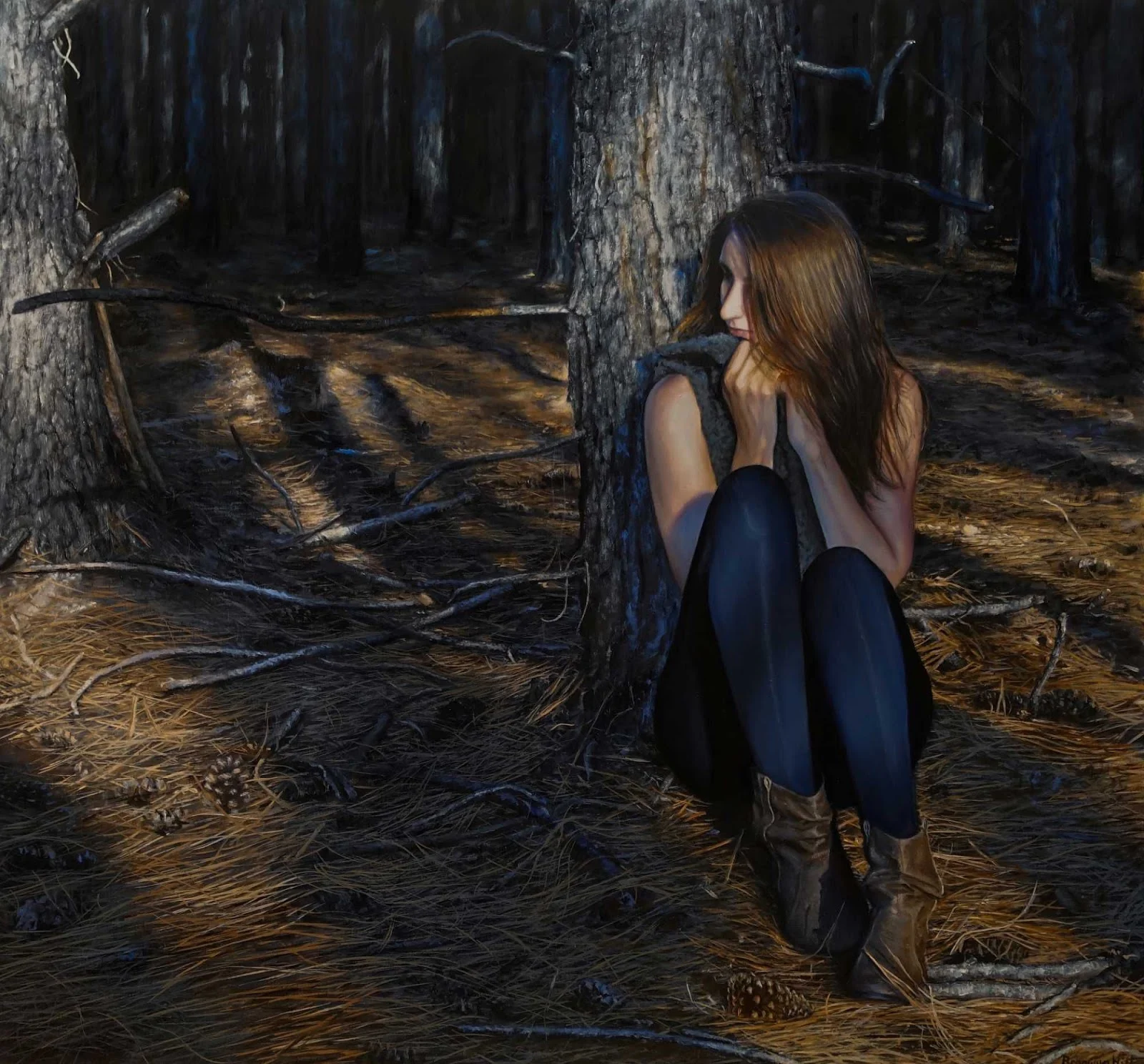
L'arte Australiana è un ampio spettro di opere d'arte create in o sull'Australia, o da australiani all'estero, che vanno dalla preistoria ai giorni nostri.
Le forme d'arte includono, ma non sono limitate a, arte aborigena, coloniale, paesaggistica, atelier e contemporanea.
Le arti visive in Australia hanno una storia ricca ed estesa, con l'arte aborigena che risale ad almeno 30.000 anni fa.

Il paese ha dato i natali a molti artisti importanti delle scuole australiane sia occidentali che indigene.
Questi includono i pittori plein air della Scuola di Heidelberg della fine del XIX secolo, gli Antipodeans, gli acquerellisti della Scuola Hermannsburg dell'Australia centrale ed il Movimento artistico del deserto occidentale.
La scena artistica australiana presenta anche esempi significativi di alto modernismo ed arte postmoderna.
.jpg)
.jpg)
 Facebook
 X
X
 LinkedIn
 Telegram
 WhatsApp
 Iscriviti al canale