Tondo Art

Tondo Art

Woman with wax tablets and stylus, so called Sappho | Fresco | Pompeii, Naples, National Archaeological Museum

A tondo (plural "tondi" or "tondos") is a Renaissance🎨 term for a circular work of art, either a painting or a sculpture.
The word derives from the Italian rotondo, "round".
The term is usually not used in English for small round paintings, but only those over about 60 cm (two feet) in diameter, thus excluding many round portrait miniatures - for sculpture the threshold is rather lower.

Betto Lotti | Romantic Realist painter

Betto Lotti | Romantic Realist painter

Benedetto (Betto) Lotti (Taggia, July 12, 1894 - Como, 1977) was an Italian painter and engraver who belonged to the art movement called Novecento Italiano.

Family and early

Betto Lotti was the son of Vincenzo, art teacher, headmaster and painter, and Vittoria dei Marchesi Curlo, both coming from the region of Liguria.
Due to fact that his father was working for the state, the family was constrained to move constantly and the young man had to attend schools in different Italian cities.


Giovanni Bellini | Madonna and Child, 1470

Giovanni Bellini | Madonna and Child, 1470


Artist: Giovanni Bellini (Italian High Renaissance painter, ca.1430-1516)
Date:ca. 1470
Medium: Tempera, oil, and gold on wood
Dimensions: 21 1/4 x 15 3/4 in. (54 x 40 cm) (31 x 26 inches framed)
Classification: Paintings
Current location: The Metropolitan Museum of Art.

This early work by the Venetian painter, Giovanni Bellini, reveals the profound influence of his brother-in-law, the Paduan master Andrea Mantegna, both in the figure types and the inclusion of the garland.

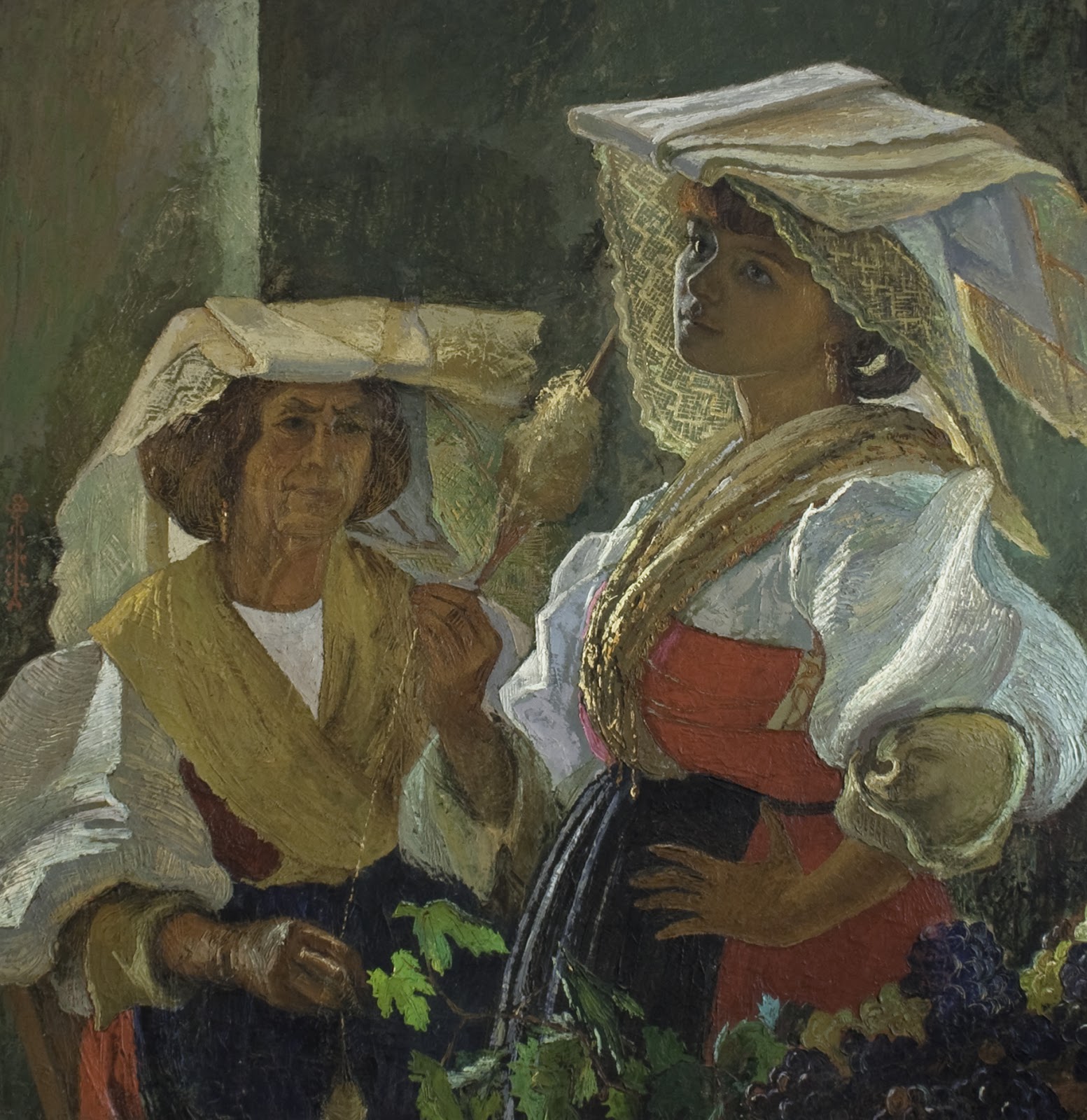
Antonio Sicurezza (1905-1979) | Figurative painter

Antonio Sicurezza (1905-1979) | Figurative painter


Antonio Sicurezza was an Italian painter🎨 representative for the contemporary figurative art of the Lazio region, Italy.
He studied at the Academy of Fine Arts in Naples, winning a scholarship as a worthy competitor among the four faculties. He obtained the diploma in painting under the guidance of the masters Carlo Siviero, Vincenzo Volpe, Vincenzo Migliaro and Paolo Vetri.
The first contact with the territory of Formia was in 1933–1934, when he was called to paint the chapel of St. Anthony in the church of Maranola. Here he met Virginia Mastrogiovanni whom he married in 1934.

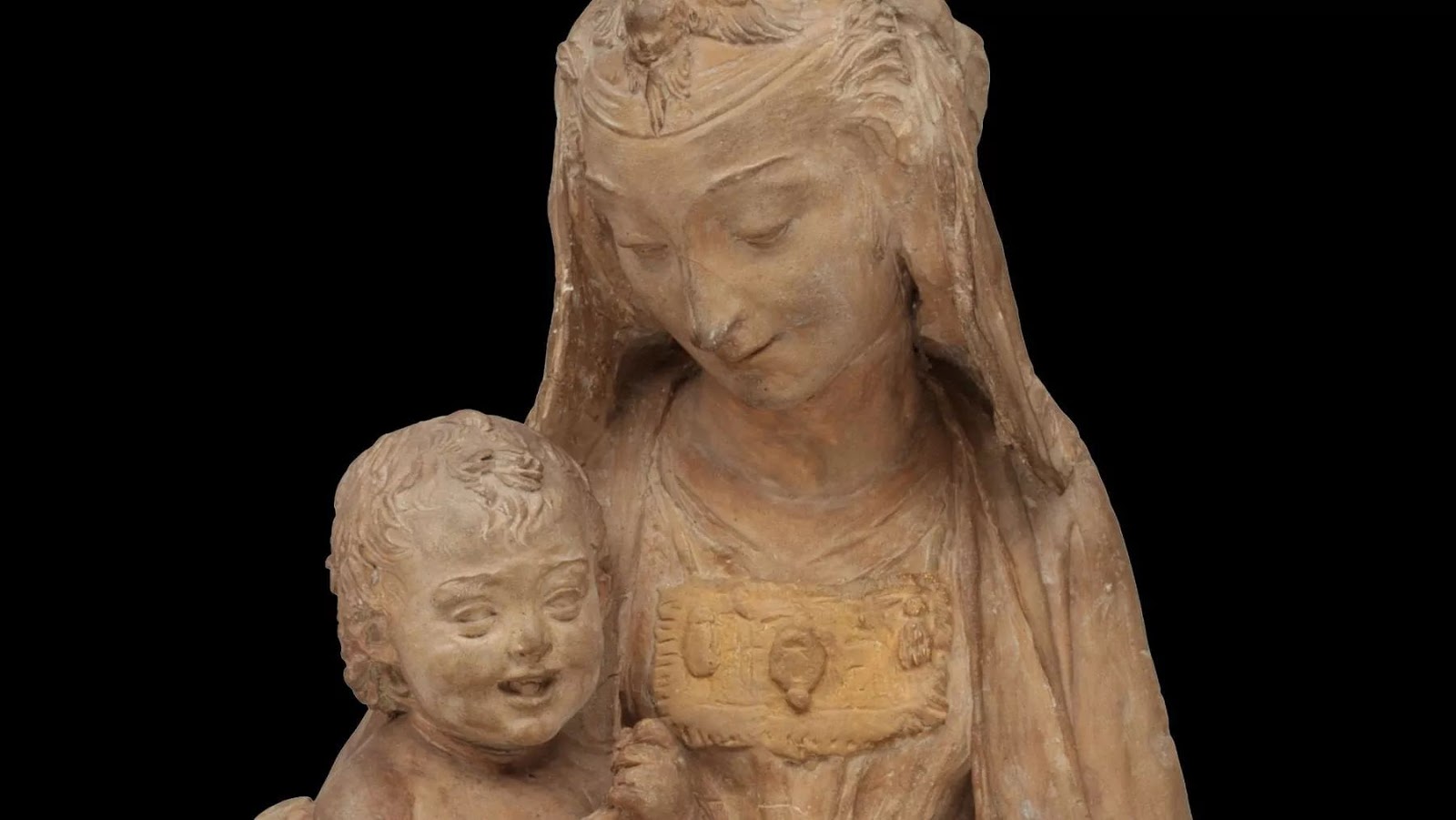
Leonardo da Vinci | Virgin and laughing Child, 1465

Leonardo da Vinci | Virgin and laughing Child, 1465


This little masterpiece known as The Virgin with the Laughing Child belongs to London’s Victoria and Albert Museum has been a part of the institution’s collection since 1858, and has attributed by Francesco Caglioti to Leonardo da Vinci (1452-1519).

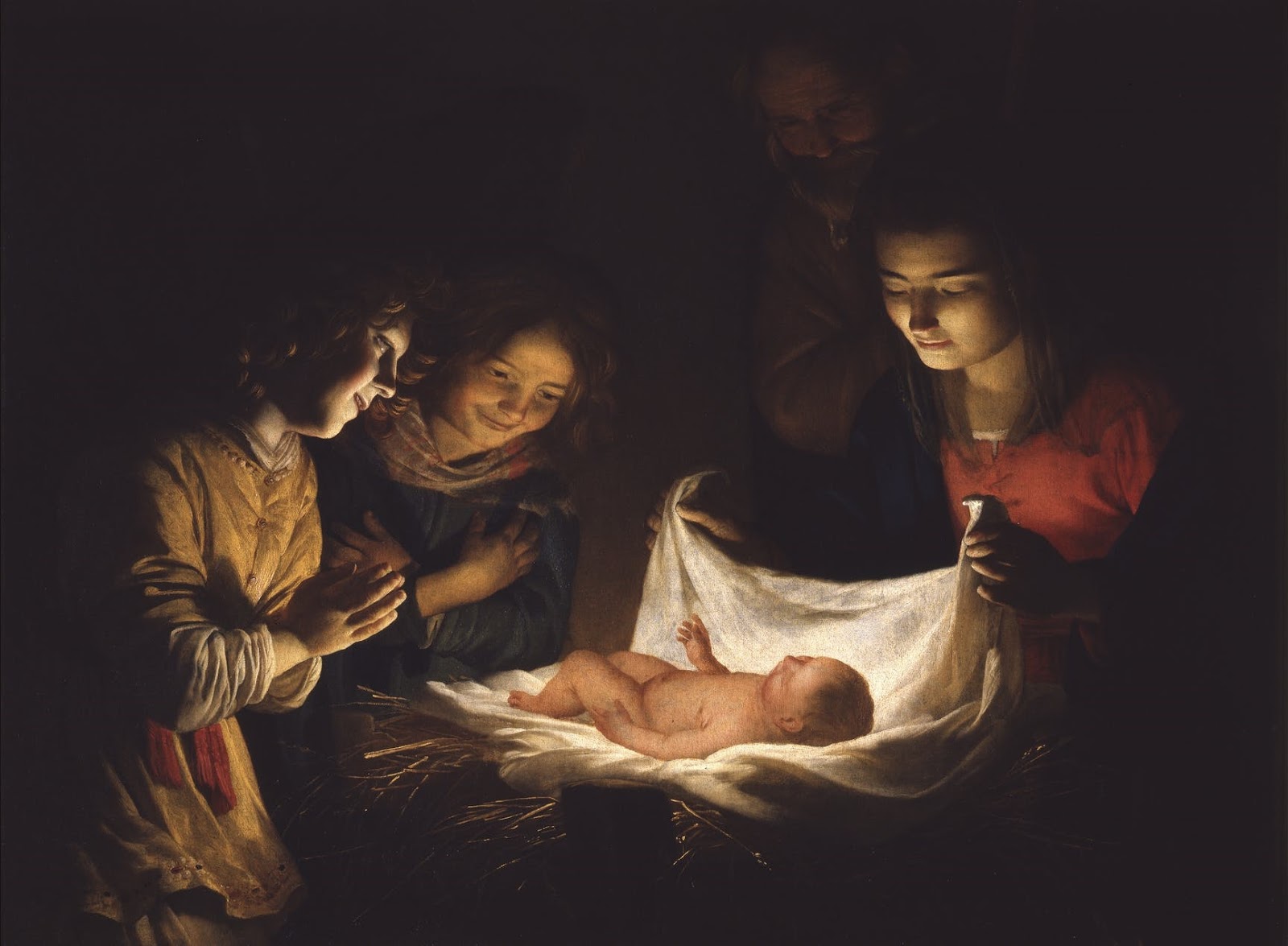
Gerard van Honthorst | Adoration of the Christ Child, 1619-1620

Gerard van Honthorst | Adoration of the Christ Child, 1619-1620

The Dutch painter Gerard van Honthorst (1590-1656) was called Gherardo delle Notti (literally Gerard of the nights) because of his peculiar compositions in nocturnal lighting influenced by Caravaggio that he met in Rome in the first decades of the 17th century.
During his stay in Italy, Honthorst met Grand Duke Cosimo II de’ Medici, who bought some of his works in 1620, among which probably this Adoration of the Child.
The divine light spread from the newborn’s body softens each feature, in particular the facial ones of the Virgin.

Gerard van Honthorst | Adoration of the Christ Child, 1619-1620 | Uffizi Gallery, Florence