
Hughie O’Donoghue RA was born in Manchester, England but much of his work is influenced by time spent in his mother’s place of origin, the remote Barony of Erris in Co Mayo, Ireland.
His paintings explore themes of universal human experience, often on an epic scale, they meditate on ideas of truth and the relationship between memory and identity, drawing on history and personal records to create works which resonate with emotional intensity.
O’Donoghue was elected as a Royal Academician in the category of Painting in 2009.
He completed an MA in Fine Art at Goldsmiths in 1982 and was Artist in Residence at the National Gallery, London from 1984-85.


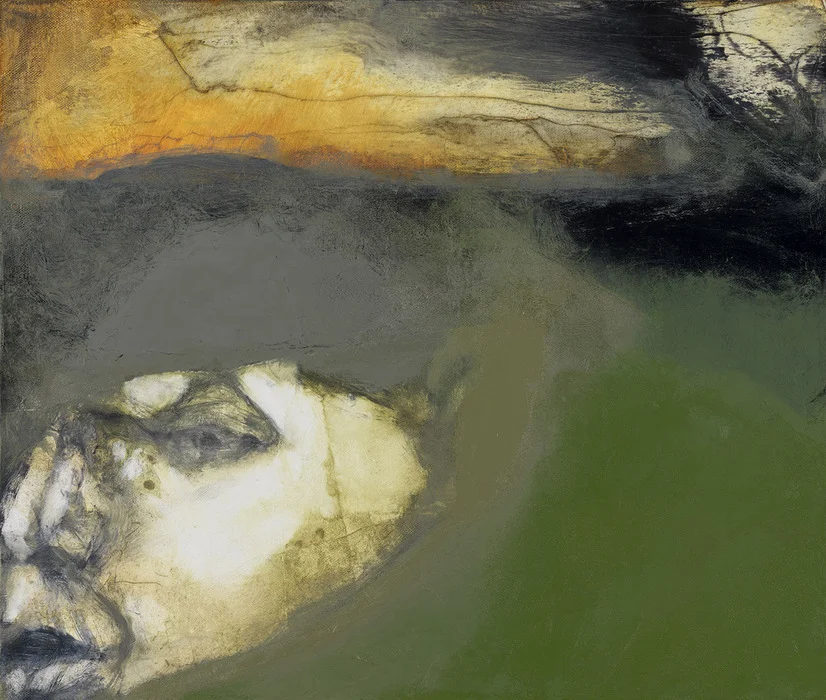
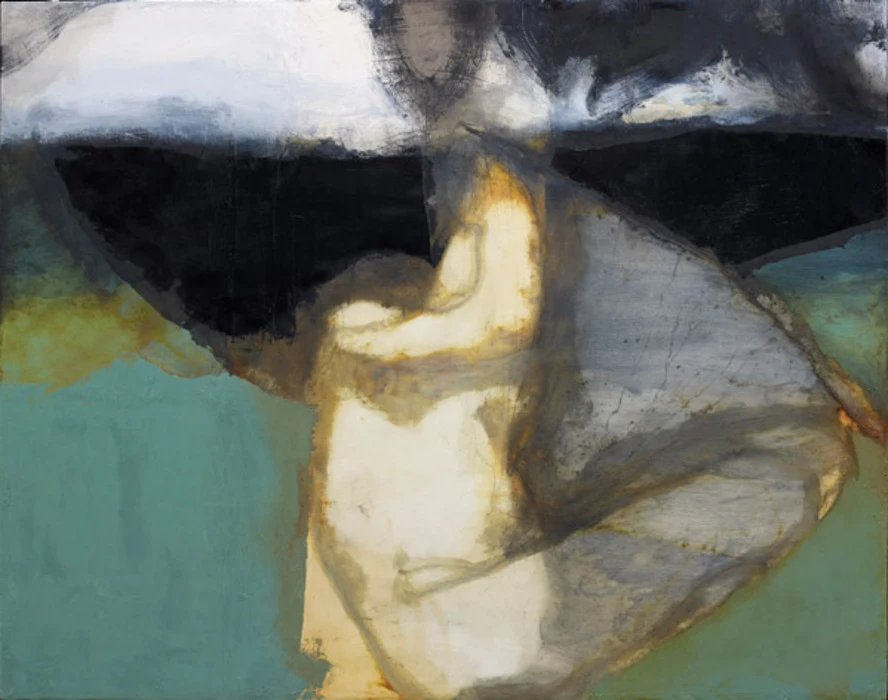

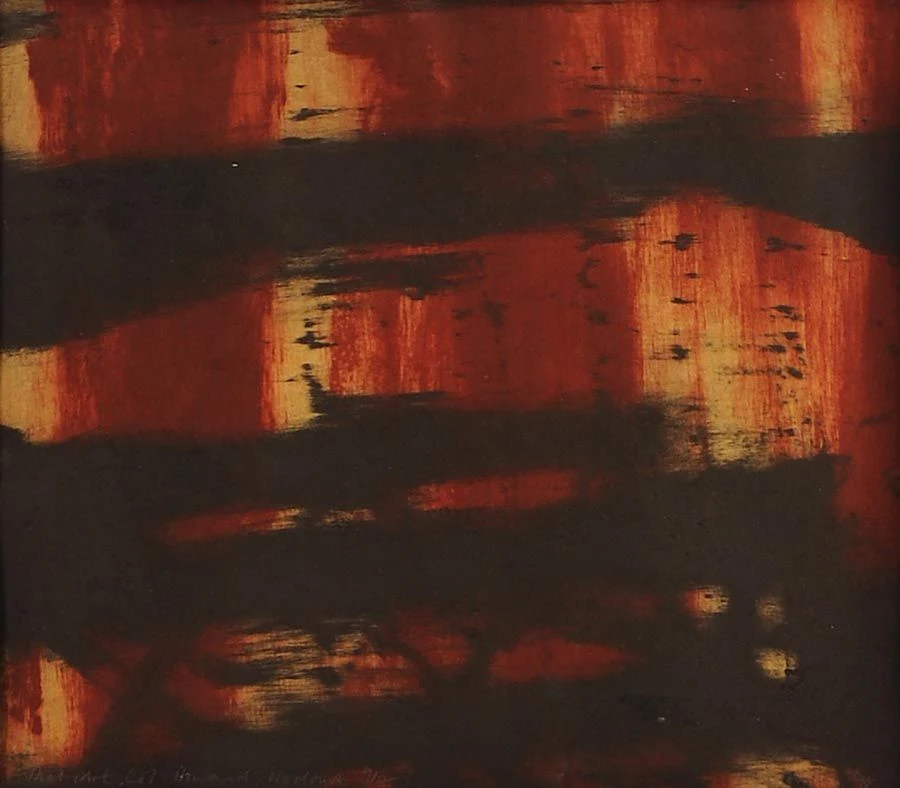
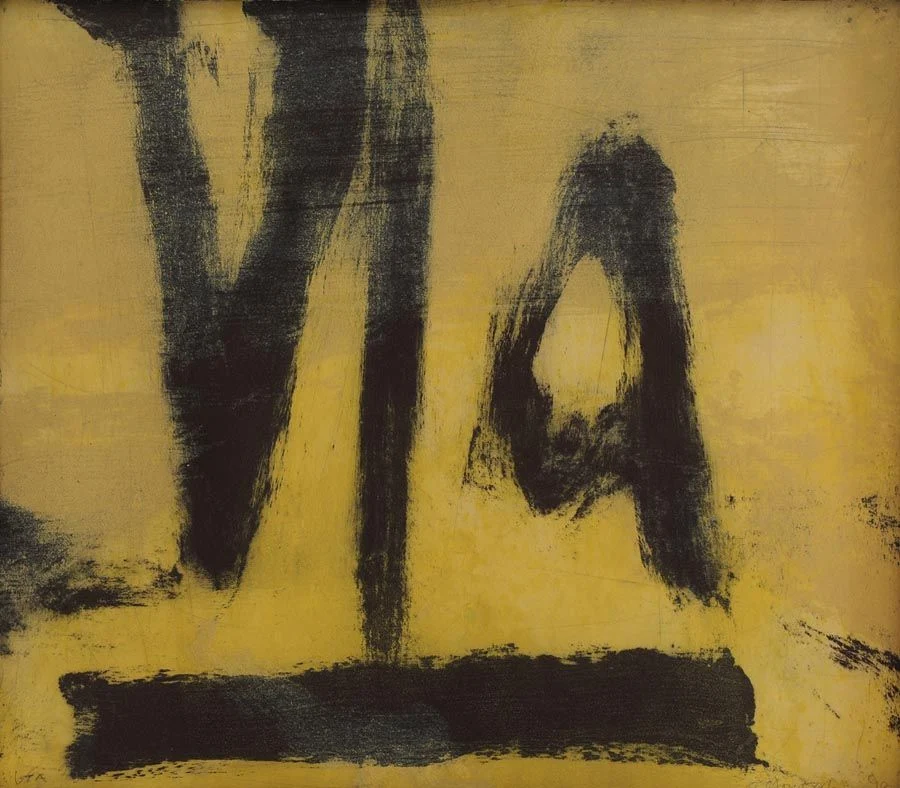
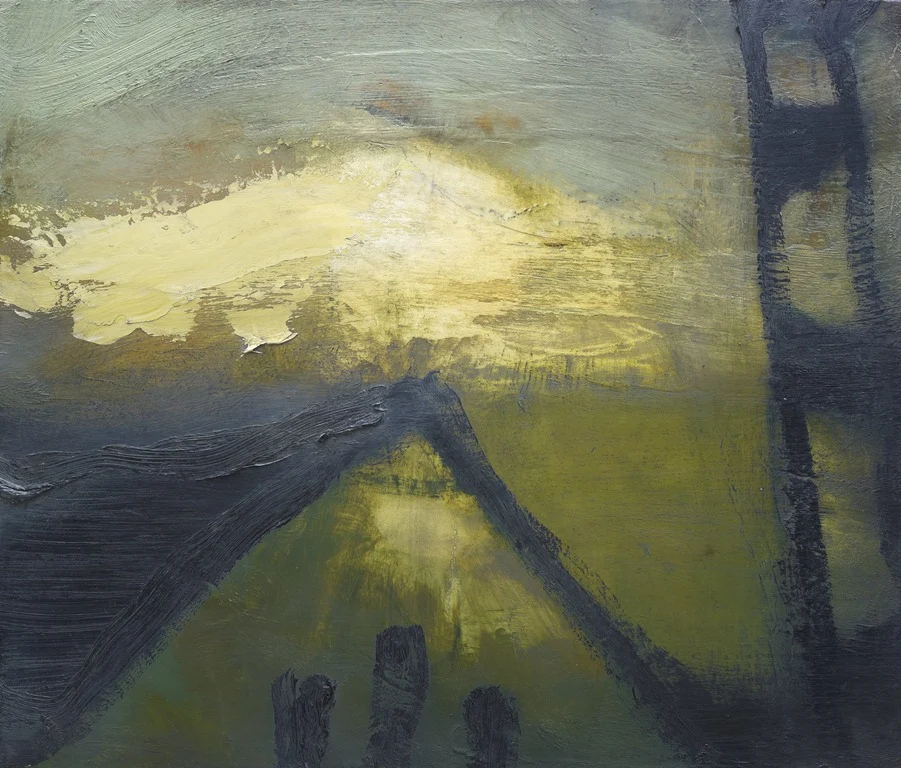


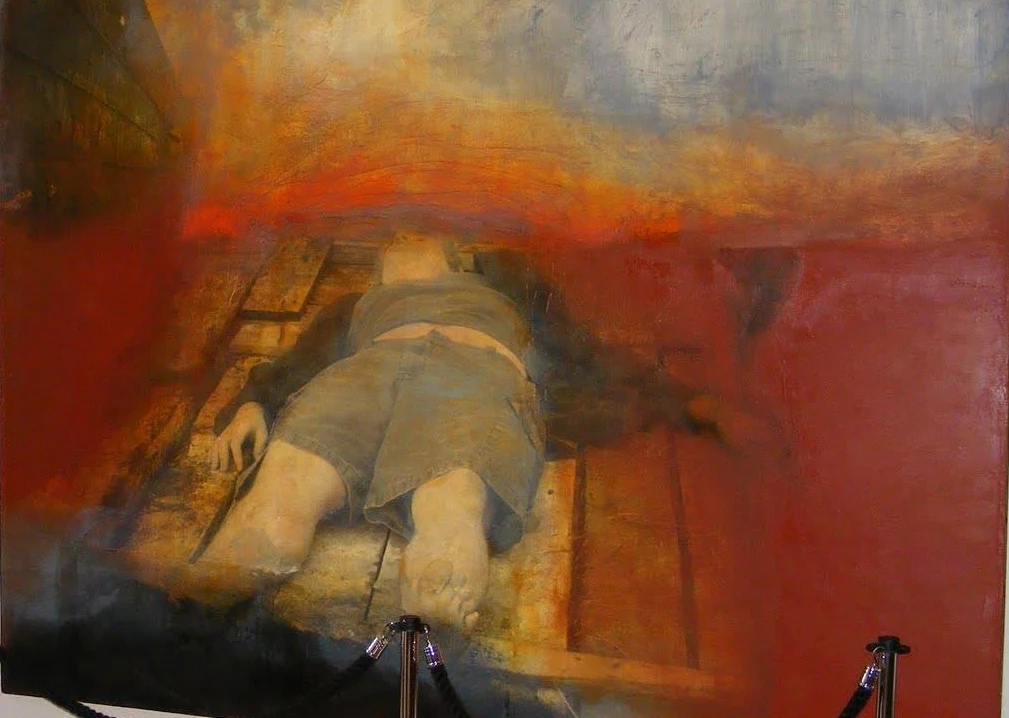
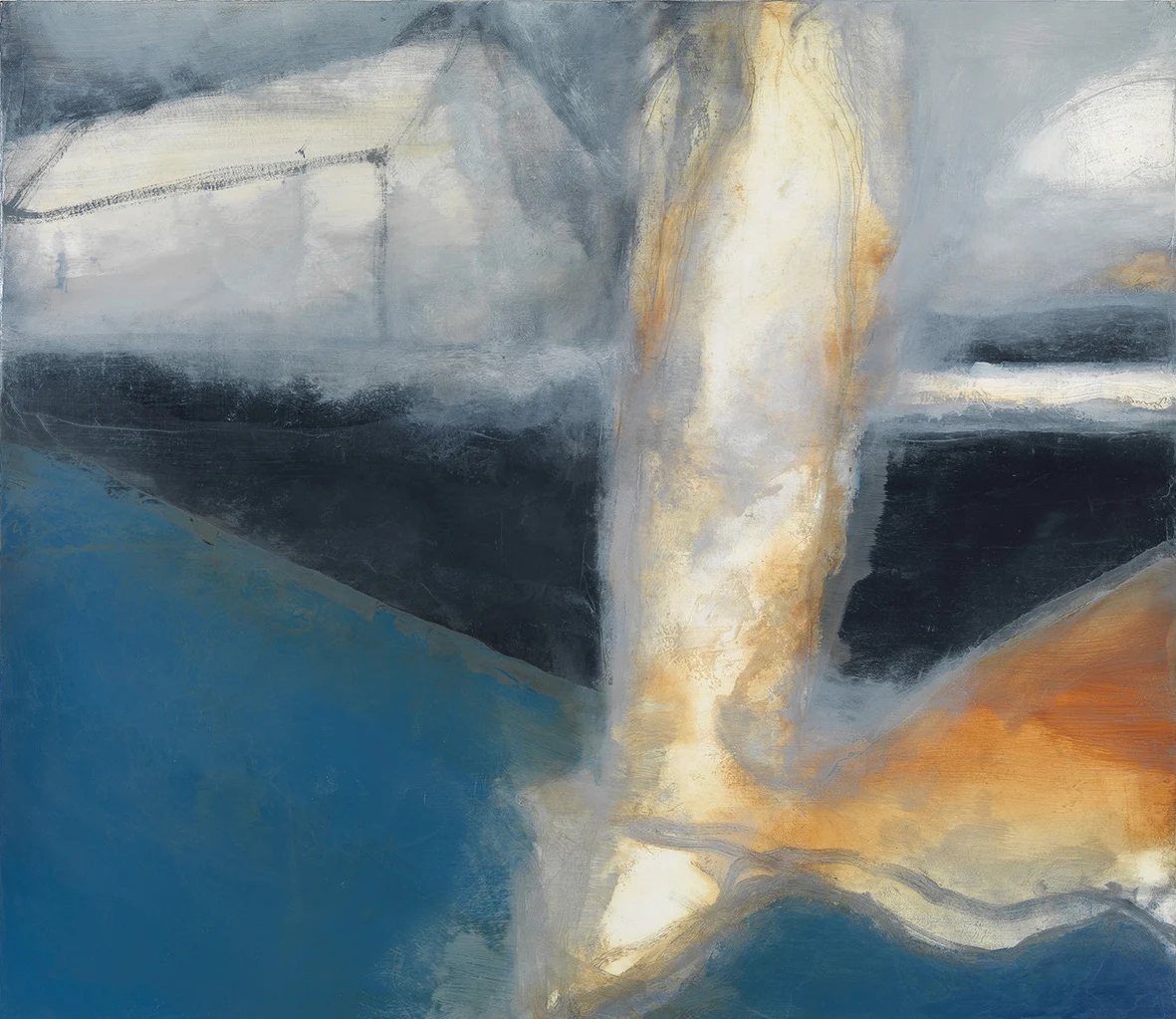
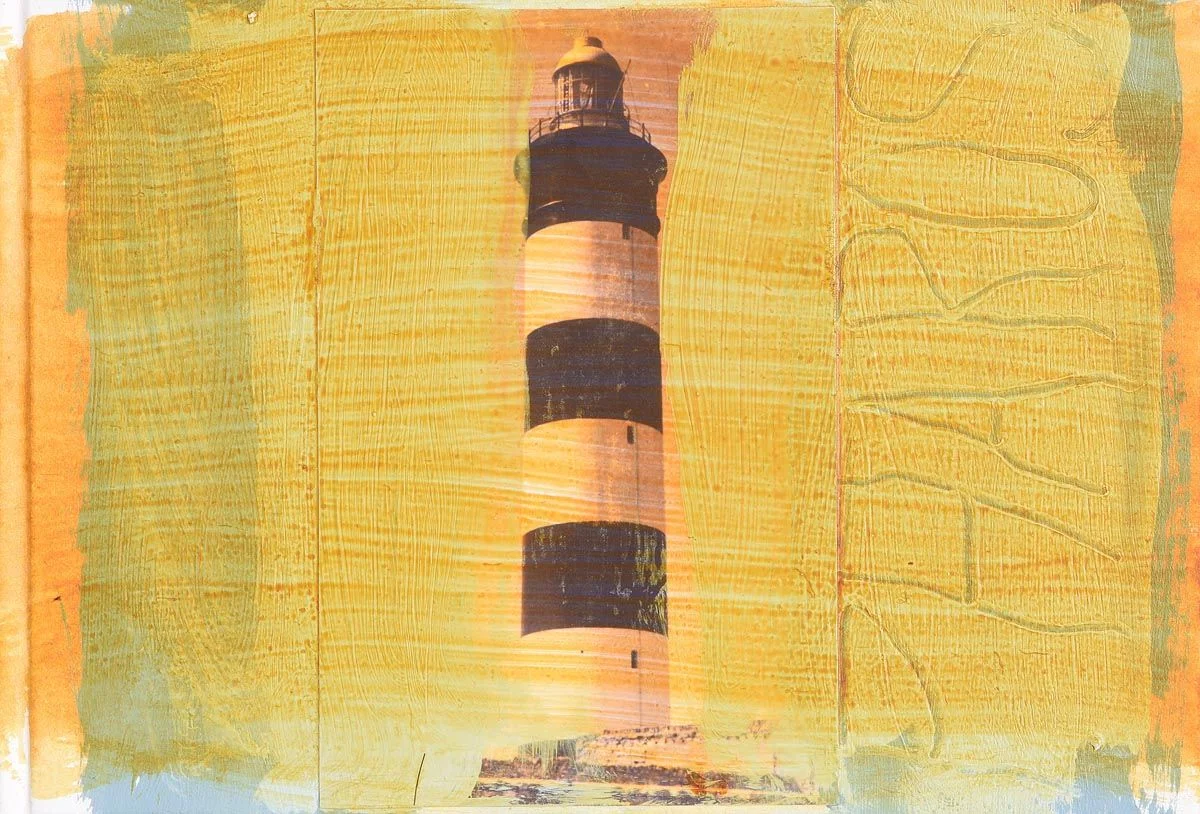
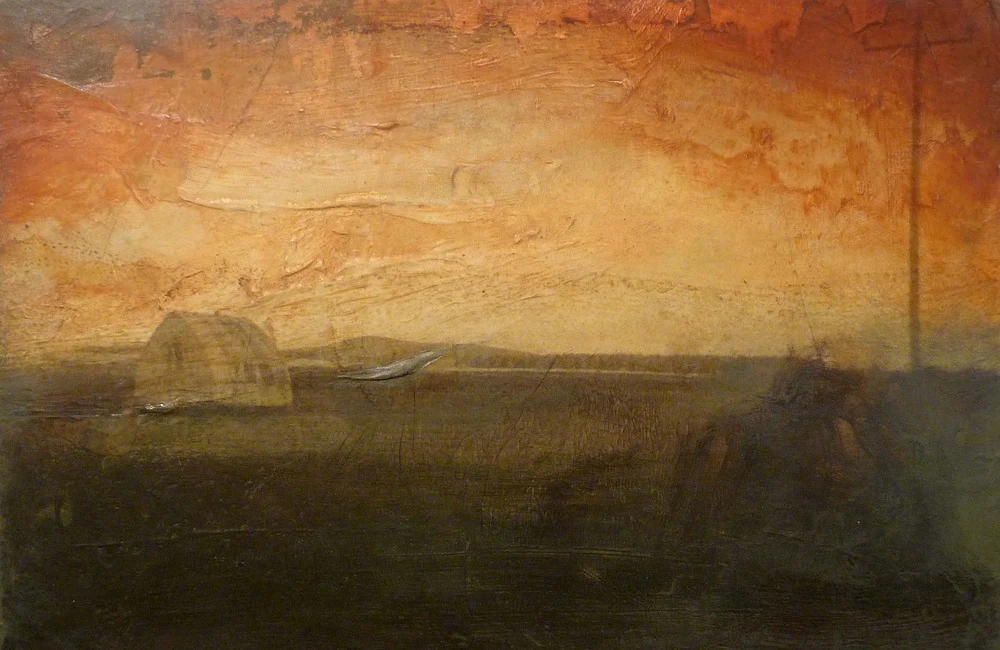
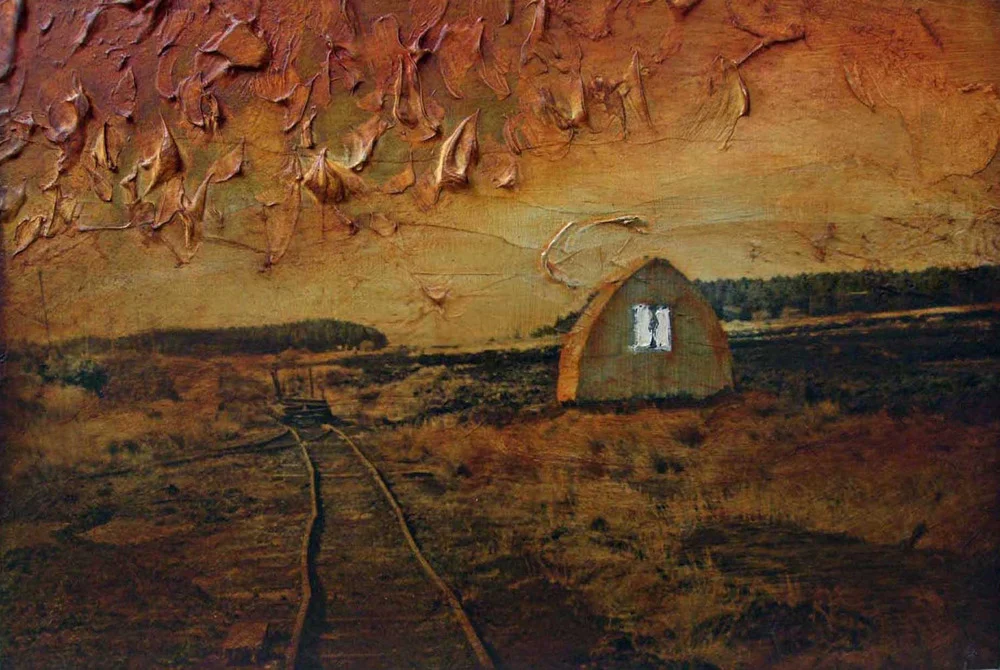
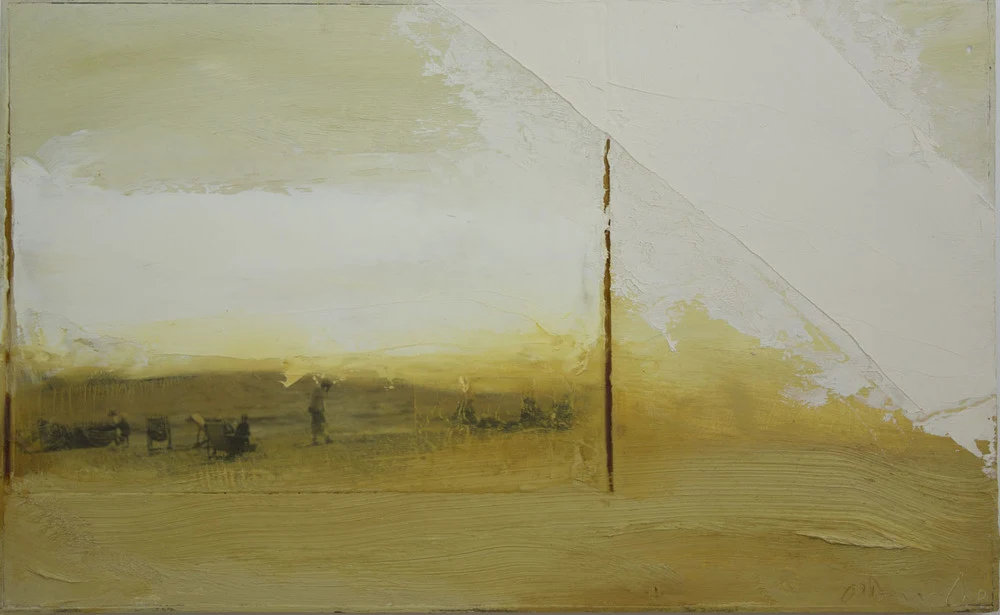


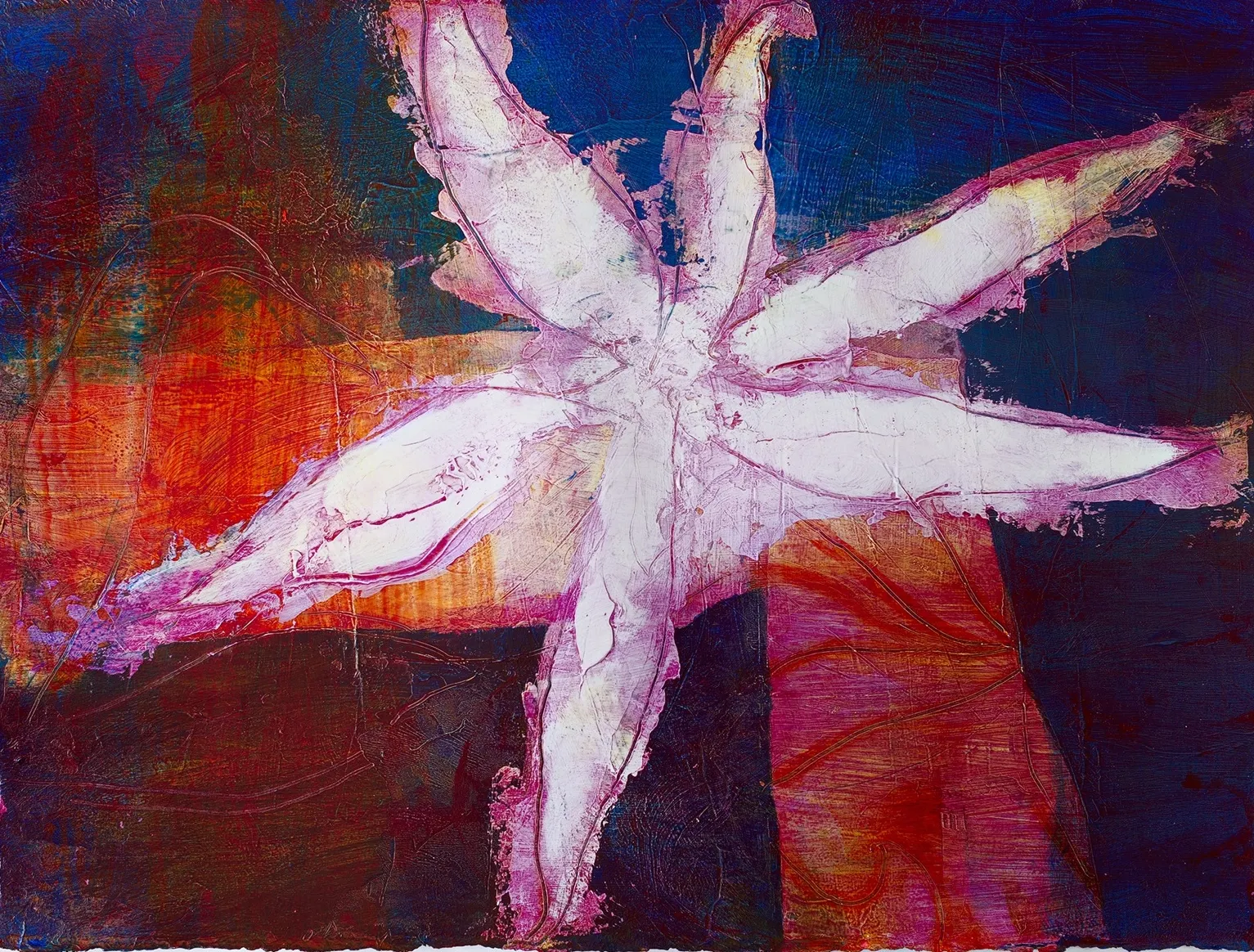
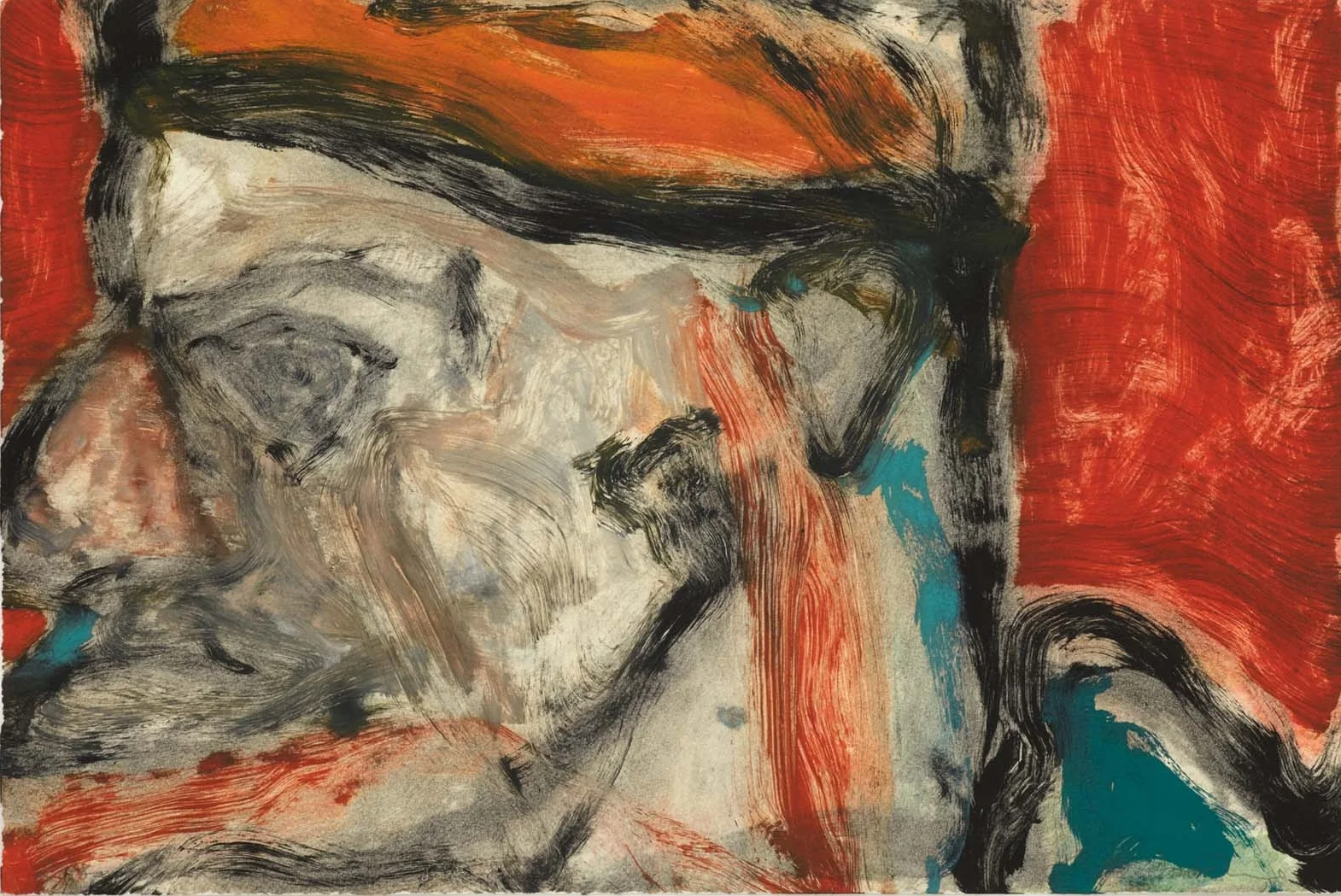

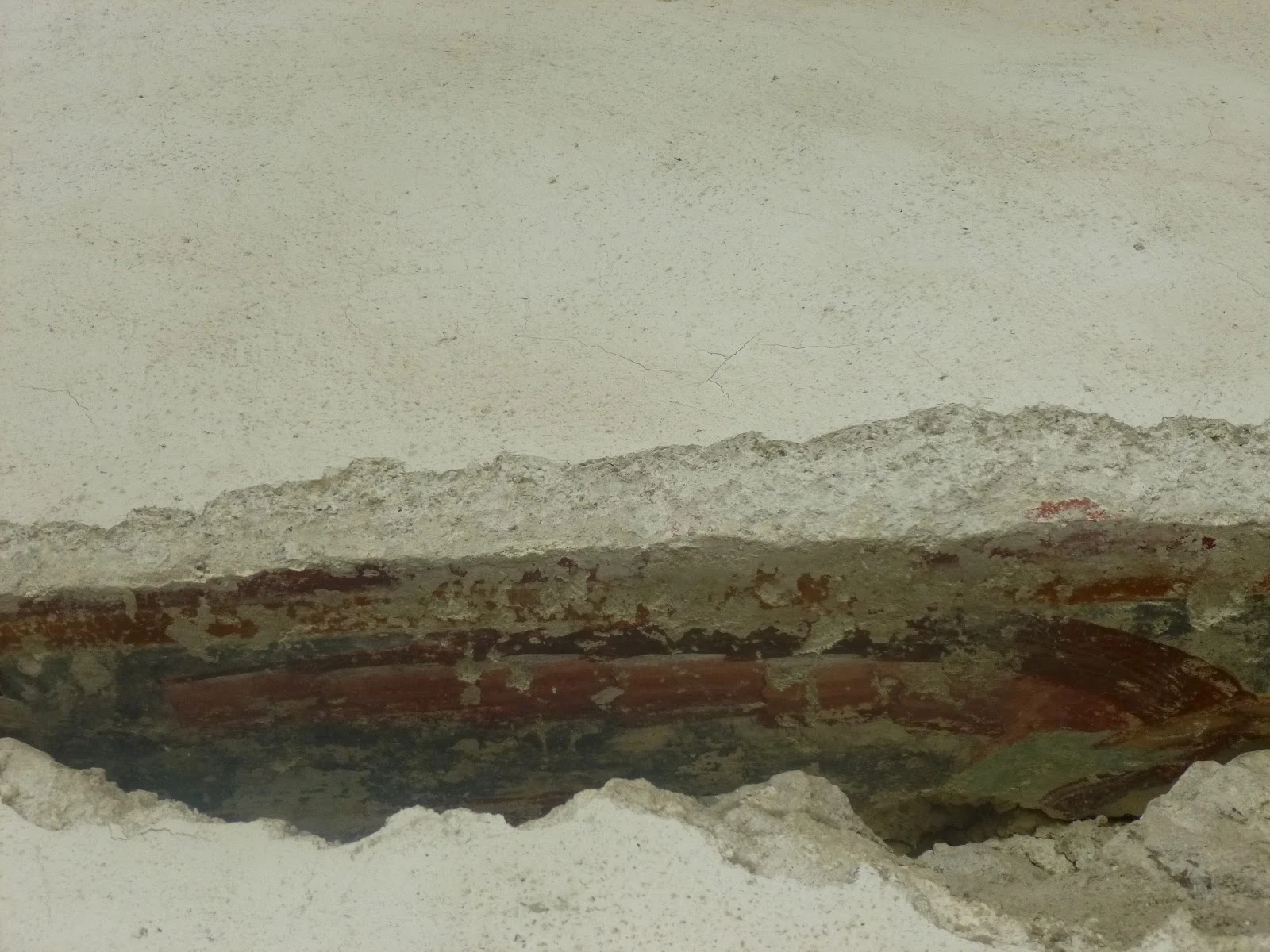
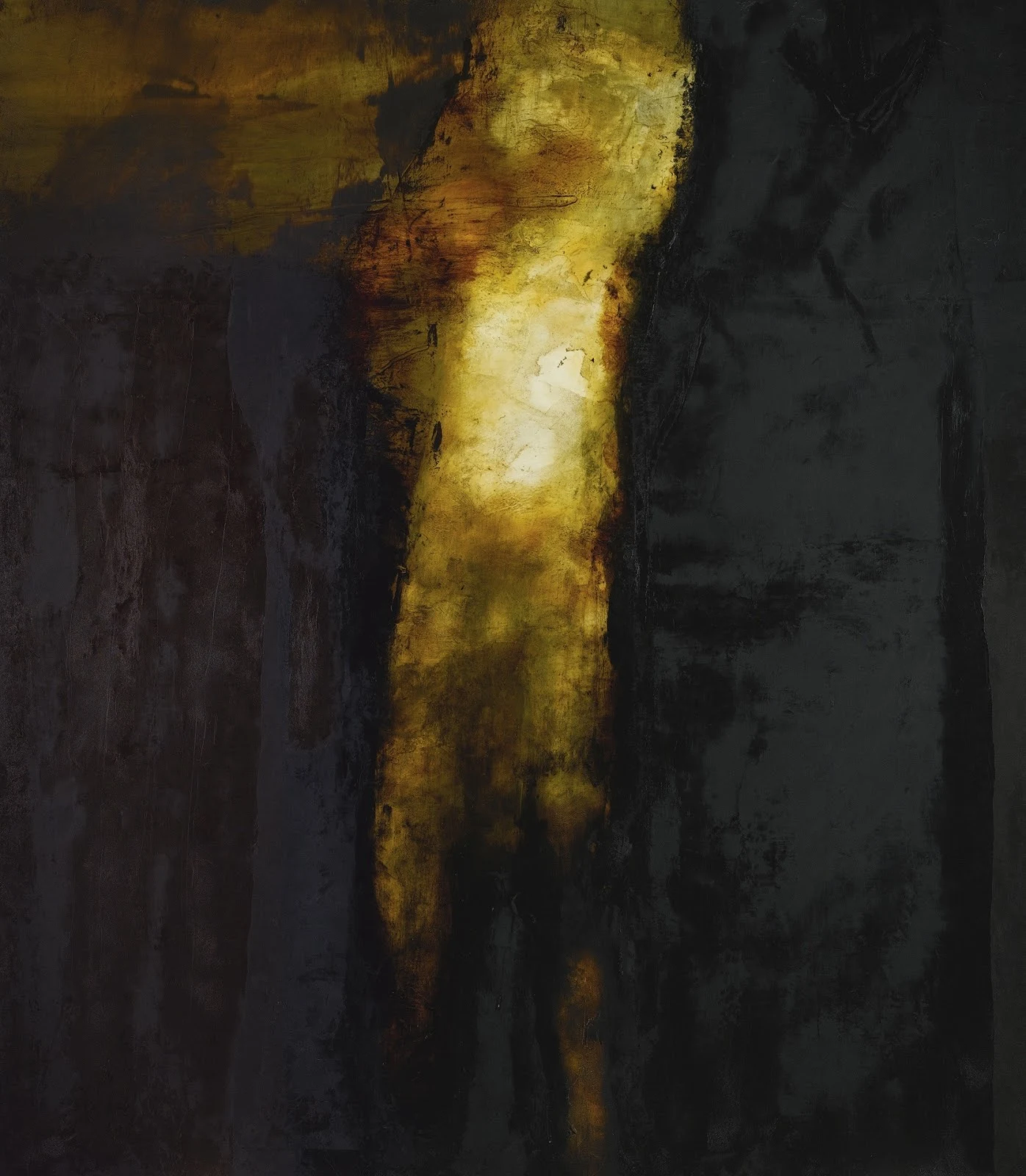


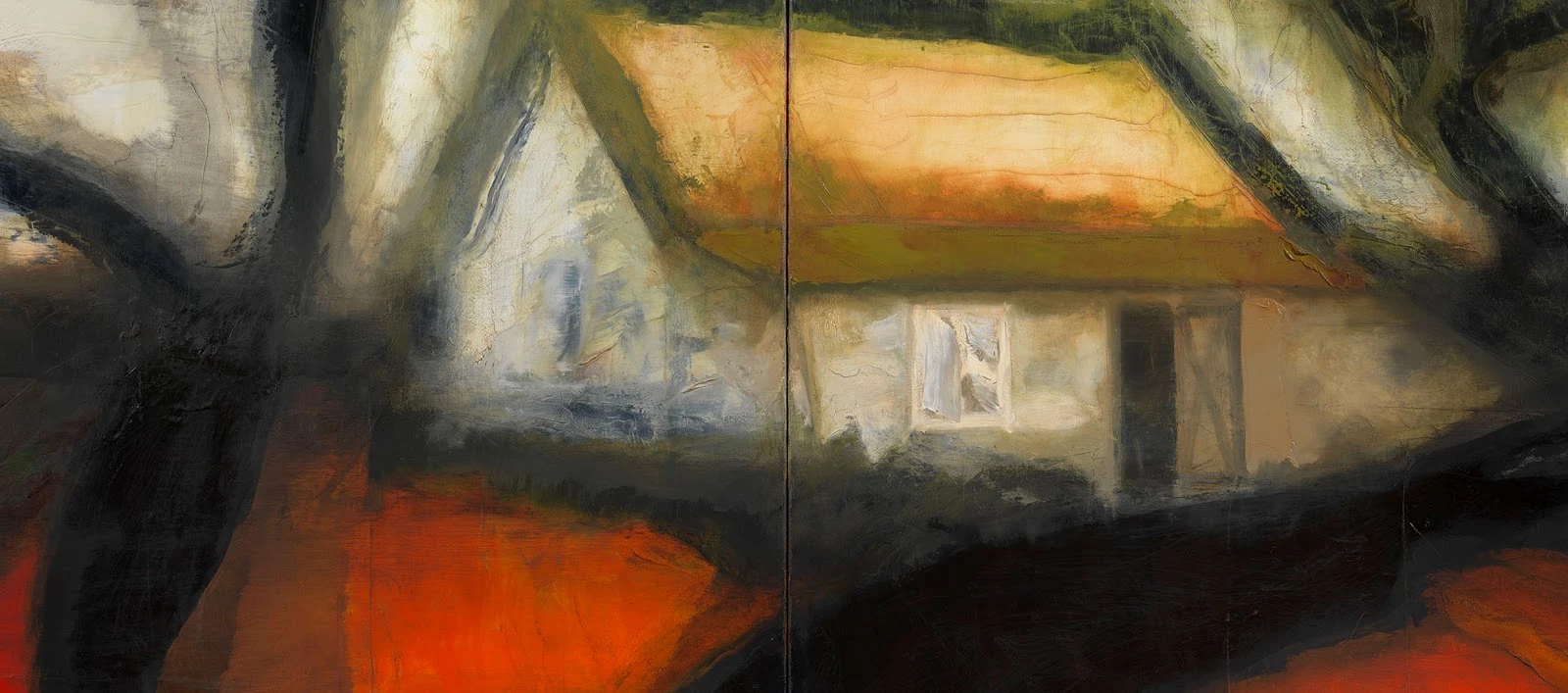
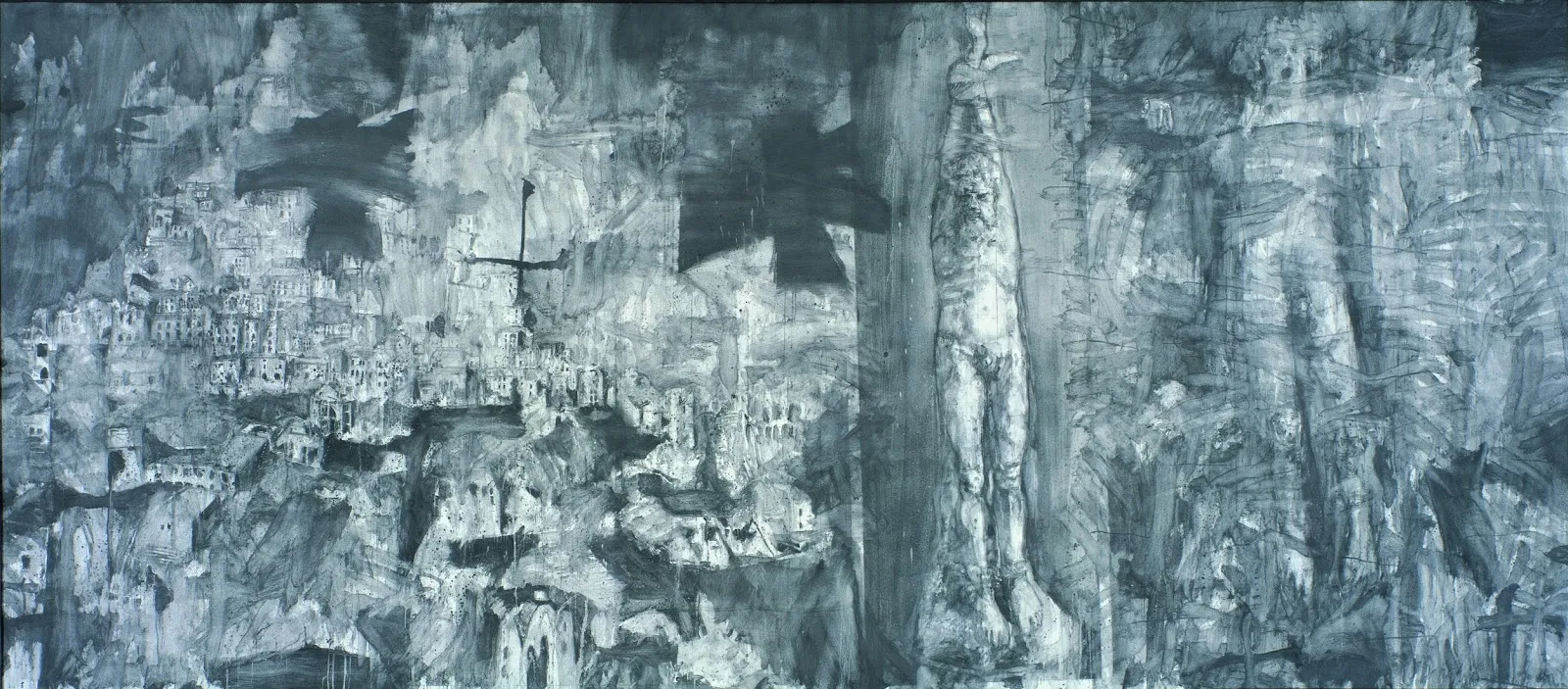
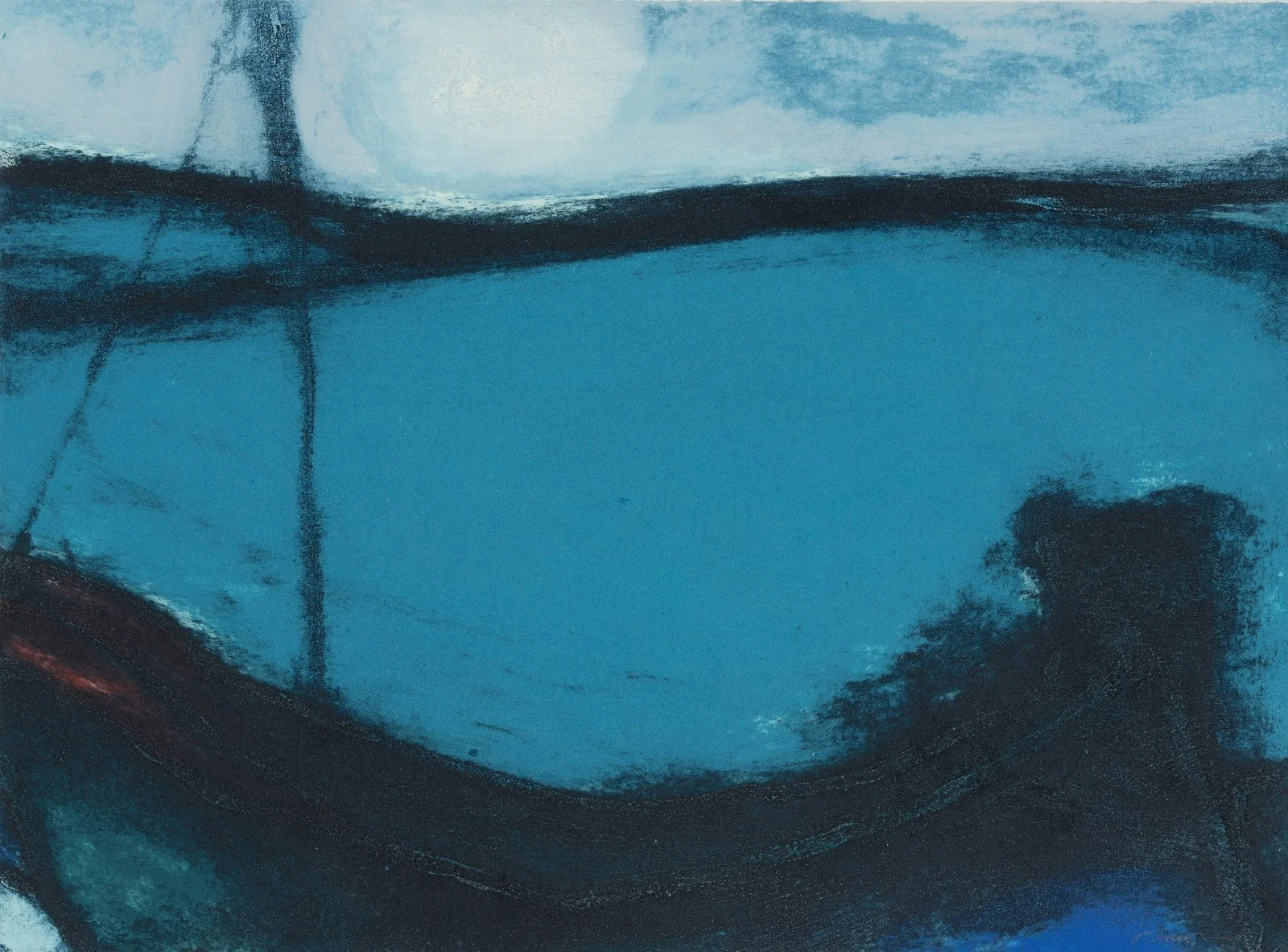

Major solo museum exhibitions include Haus der Kunst, Munich; Imperial War Museum, London; Fitzwilliam Museum, Cambridge; Leeds City Art Gallery; DOX Centre for Contemporary Art, Prague; The Irish Museum of Modern Art, Dublin; The Gemeentemuseum, The Hague and Centre Culturel Irlandais, Paris. | © The Royal Academy of Arts

Hughie O'Donoghue's paintings are highly abstracted figure paintings, an approach that is said to demonstrate the respect he has in his own practice for the history of art.
His method is derived from a knowledge and understanding of the methods of both abstract and figurative painters of the past which he attempts to synthesise in his own work.
This respect for the historic methods of making art has led to O'Donoghue being praised not only for his painting skills but also his emphasis on the importance of draughtsmanship in the making of a painting.

O'Donoghue's application of paint can be thick and heavy, reminiscent of American Abstract Expressionism, as in the 'Geometry of Paths' series of paintings.
This series was made partly in homage to O'Donoghue's father's service in the RAF in the Second World War, and can be seen as a development from an earlier series along similar lines made for the Imperial War Museum in 2003 called 'Painting Caserta Red'.
The name The Geometry of Paths came from the title an old manual for wartime fighter pilots O'Donoghue found in a secondhand bookshop.

In this series, O'Donoghue also demonstrated a characteristic trait in his work of juxtaposing seemingly unrelated ideas, in this case combining his father's wartime experience and the RAF training manual on one side with the destruction during the Second World War of a painting by Vincent van Gogh called The Painter on the Road to Tarascon.
O'Donoghue will also incorporate photographs into the painting, often painting over these again, so the paintings appear as a series of layered images.

As this indicates, O'Donoghue uses specific narratives as motivations to make his work, and this allows him to explore 'ideas of place and identity in relation to historical and personal meaning'.
However O'Donoghue has stated himself that he does not believe 'that artists wholly control the meaning of their work'.
This results in a situation where art becomes a conveyor of incomplete and subjective truths about events such as the Second World War.

However, in O'Donoghue's own view, the academic study of history is like this anyway.
This means O'Donoghue's paintings are not simply reminiscent of historic History painting in terms of their scale and subject matter, but in the way O'Donoghue conceives of them as a kind of historical exegesis.


Considerato uno dei pittori più importanti della sua generazione, i dipinti Hughie O'Donoghue RA combinano spesso colori e texture ricchi ed espressionisti, sfiorando l'astrazione.
O'Donoghue utilizza la figurazione e l'astrazione per esplorare temi quali l'identità umana, la memoria e l'esperienza; ed attinge alla storia, alla mitologia ed ai ricordi personali per creare opere che risuonano con intensa emotività.

Ha conseguito un master in Belle Arti al Goldsmiths nel 1982 ed è stato artista residente alla National Gallery di Londra dal 1984 al 1985.
Nel 2005 gli è stato conferito un dottorato onorario dall'University College Cork, in Irlanda; nel 2009 è stato eletto membro della Royal Academy e nel 2013 dell'Aosdána (Associazione degli artisti).

Tra le principali mostre personali tenute in musei si annoverano la Haus der Kunst di Monaco, l'Imperial War Museum di Londra, il Fitzwilliam Museum di Cambridge, la Leeds City Art Gallery, il DOX Centre for Contemporary Art di Praga, il Gemeentemuseum dell'Aia, il Centre Culturel Irlandais di Parigi e la National Gallery of Ireland di Dublino.

 Facebook
 X
X
 LinkedIn
 Telegram
 WhatsApp
 Iscriviti al canale