David Roberts RA | Romantic Orientalist painter

David Roberts RA | Romantic Orientalist painter

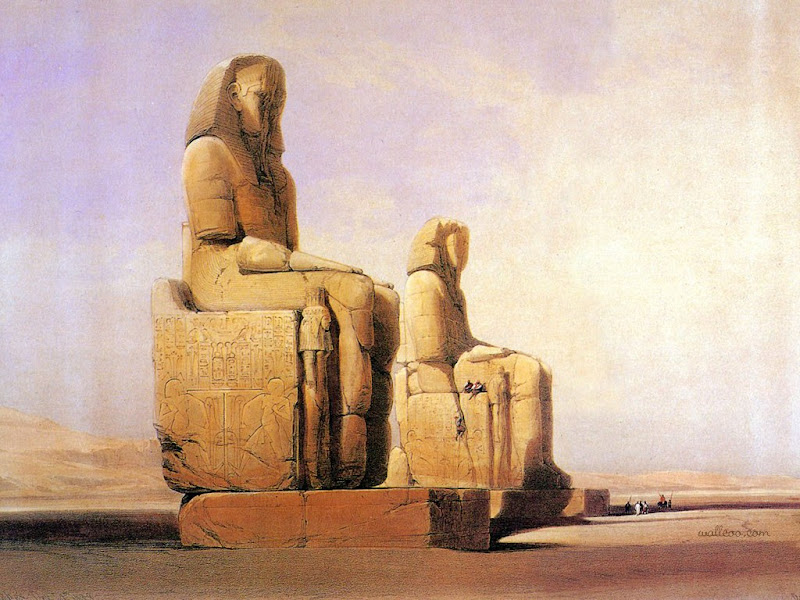
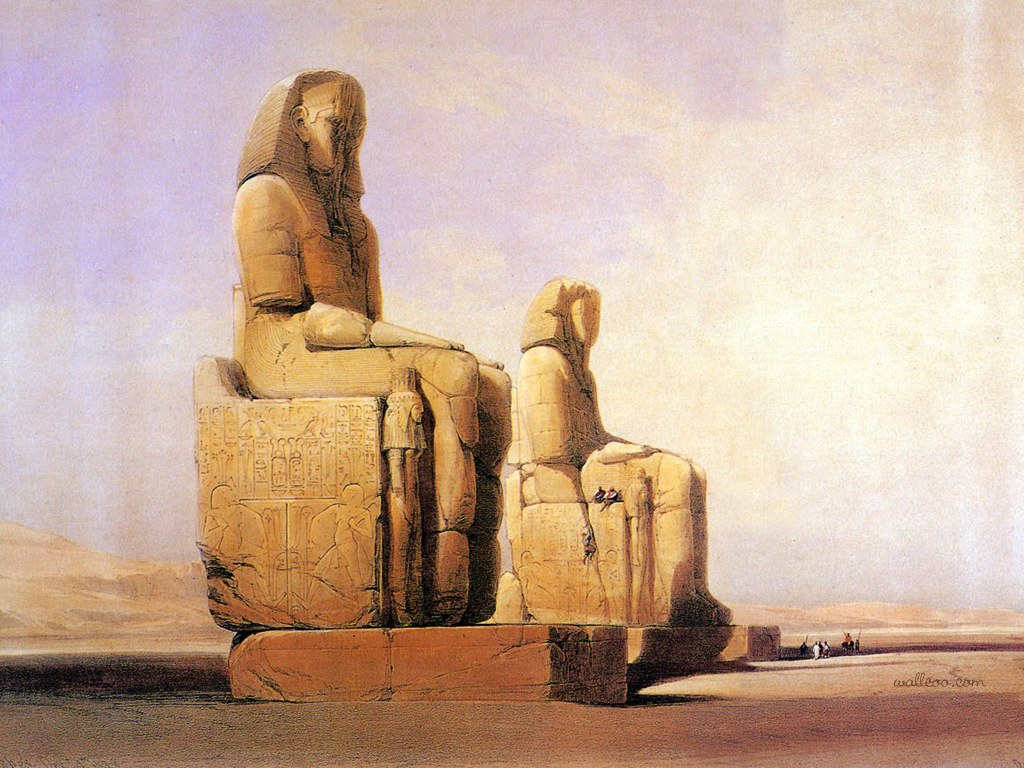
Artist David Roberts and Near Eastern Archaeology

by Dr. Patrick Hunt


Scottish artist David Roberts (1796-1864) was instrumental in helping to stimulate a growing fascination with the Near East by Europeans, especially within British society where biblical accounts of the rise and fall of empires were familiar, as much intellectual fare as anything else and staple bread and butter for religious imagination. The Romantic Movement’s eschewing of Enlightenment ideals turned instead to exotic themes and ruins, also replacing Neoclassicism with Orientalism.


Read More

David Roberts RA | Romantic Orientalist painter

Artist David Roberts and Near Eastern Archaeology

by Dr. Patrick Hunt


Scottish artist David Roberts (1796-1864) was instrumental in helping to stimulate a growing fascination with the Near East by Europeans, especially within British society where biblical accounts of the rise and fall of empires were familiar, as much intellectual fare as anything else and staple bread and butter for religious imagination. The Romantic Movement’s eschewing of Enlightenment ideals turned instead to exotic themes and ruins, also replacing Neoclassicism with Orientalism.


Giorgione | Judith, 1504

Giorgione | Judith, 1504

Giorgione's work largely determined the development of 16th-century Venetian painting.
There are but a few generally accepted, non-controversial works from his hand and one of these is the Hermitage's Judith.
This biblical heroine, who saved her native city of Bethulia from attack by the Assyrians, was extremely popular during the Renaissance. Despite the historical subject, the painting is in fact what is known as a poesie, a type of work created by Giorgione himself and soon widespread in early 16th-century Venetian painting.


Read More

Giorgione | Judith, 1504

Giorgione's work largely determined the development of 16th-century Venetian painting.
There are but a few generally accepted, non-controversial works from his hand and one of these is the Hermitage's Judith.
This biblical heroine, who saved her native city of Bethulia from attack by the Assyrians, was extremely popular during the Renaissance. Despite the historical subject, the painting is in fact what is known as a poesie, a type of work created by Giorgione himself and soon widespread in early 16th-century Venetian painting.


Jinnie May | Abstract Watercolour painter

Jinnie May | Abstract Watercolour painter

Jinnie May has always had an appreciation for art, but it wasn’t until she retired in 2000 that she began to seriously pursue art. Currently Jinnie is interested in the use of watercolor for its spontaneity, portability and indecisiveness. Her initial inspiration comes from studying California Watercolor artists from the 1940’s and 50’s, who painted genre paintings on large paper using big brushes and bold colors.


Read More

Jinnie May | Abstract Watercolour painter

Jinnie May has always had an appreciation for art, but it wasn’t until she retired in 2000 that she began to seriously pursue art. Currently Jinnie is interested in the use of watercolor for its spontaneity, portability and indecisiveness. Her initial inspiration comes from studying California Watercolor artists from the 1940’s and 50’s, who painted genre paintings on large paper using big brushes and bold colors.


Correggio | Mannerist painter

Correggio | Mannerist painter

Correggio, byname of Antonio Allegri (born August 1494, Correggio [now in Emilia-Romagna, Italy]-died March 5, 1534, Correggio), most important Renaissance painter of the school of Parma, whose late works influenced the style of many Baroque and Rococo artists.
His first important works are the convent ceiling of San Paolo (c. 1519), Parma, depicting allegories on humanist themes, and the frescoes in San Giovanni Evangelista, Parma (1520-23), and the cathedral of Parma (1526-30).
The Mystic Marriage of St. Catherine (c. 1526) is among the finest of his poetic late oil paintings.


Read More

Correggio | Mannerist painter

Correggio, byname of Antonio Allegri (born August 1494, Correggio [now in Emilia-Romagna, Italy]-died March 5, 1534, Correggio), most important Renaissance painter of the school of Parma, whose late works influenced the style of many Baroque and Rococo artists.
His first important works are the convent ceiling of San Paolo (c. 1519), Parma, depicting allegories on humanist themes, and the frescoes in San Giovanni Evangelista, Parma (1520-23), and the cathedral of Parma (1526-30).
The Mystic Marriage of St. Catherine (c. 1526) is among the finest of his poetic late oil paintings.


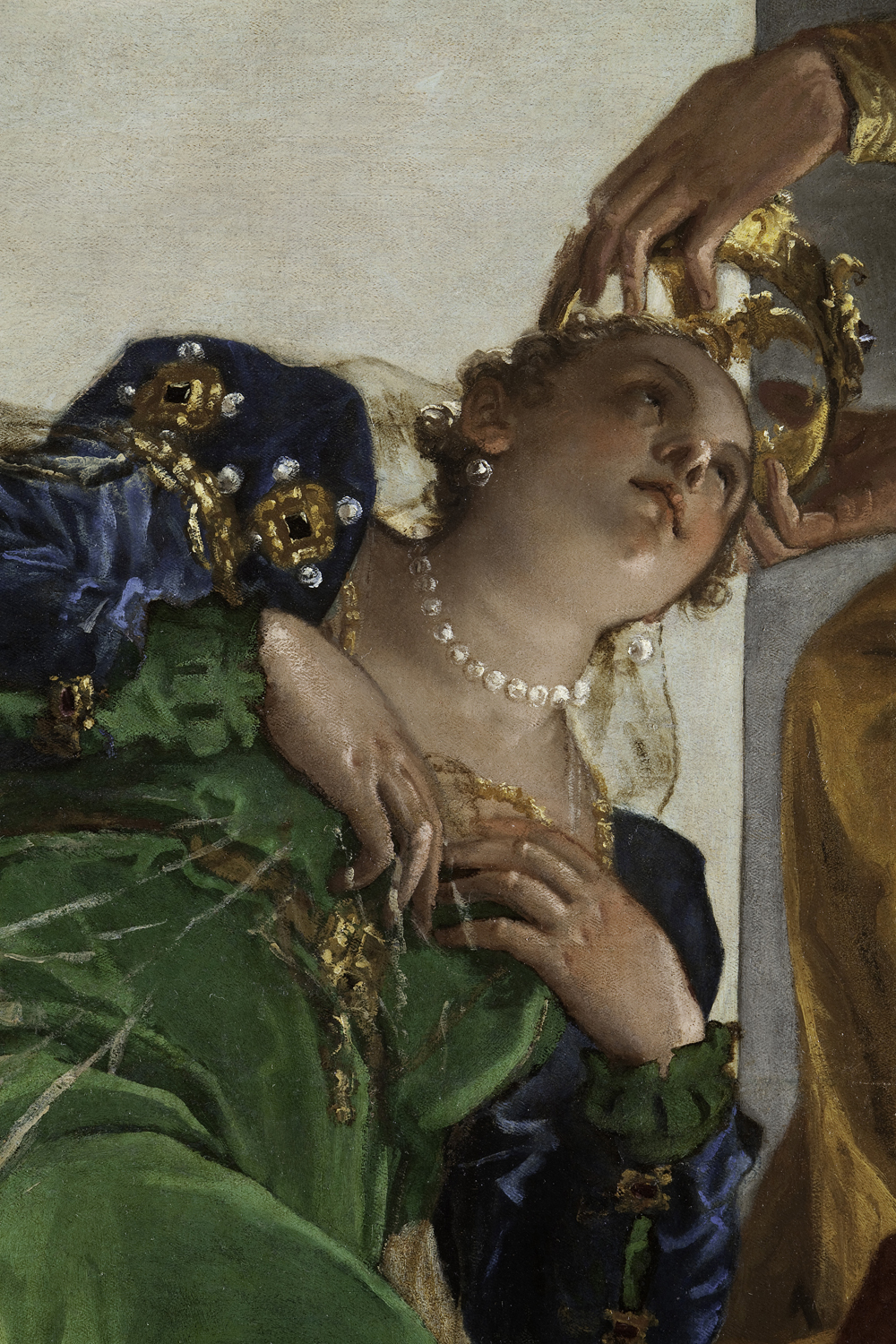
Paolo Veronese | Assessment

Paolo Veronese | Assessment

An artist's biography of Paolo Veronese (1528-1588) was included in the second edition of the Lives of the Most Excellent Painters, Sculptors and Architects (1568), by Giorgio Vasari, with improved coverage of the painters of the Venetian school.
A fuller biography of Veronese had to await Le maraviglie dell'Arte ovvero, Le vite degli Illustri Pittori Veneti and dello Stato (1648), by Carlo Ridolfi, a compilation of the Venetian School painters.
Ridolfi said that Veronese's painting of The Feast in the House of Levi (1573) is "by far, the most important source for our knowledge of his art", because "it gave rein to joy, made beauty majestic, made laughter, itself, more festive".


Read More

Paolo Veronese | Assessment

An artist's biography of Paolo Veronese (1528-1588) was included in the second edition of the Lives of the Most Excellent Painters, Sculptors and Architects (1568), by Giorgio Vasari, with improved coverage of the painters of the Venetian school.
A fuller biography of Veronese had to await Le maraviglie dell'Arte ovvero, Le vite degli Illustri Pittori Veneti and dello Stato (1648), by Carlo Ridolfi, a compilation of the Venetian School painters.
Ridolfi said that Veronese's painting of The Feast in the House of Levi (1573) is "by far, the most important source for our knowledge of his art", because "it gave rein to joy, made beauty majestic, made laughter, itself, more festive".