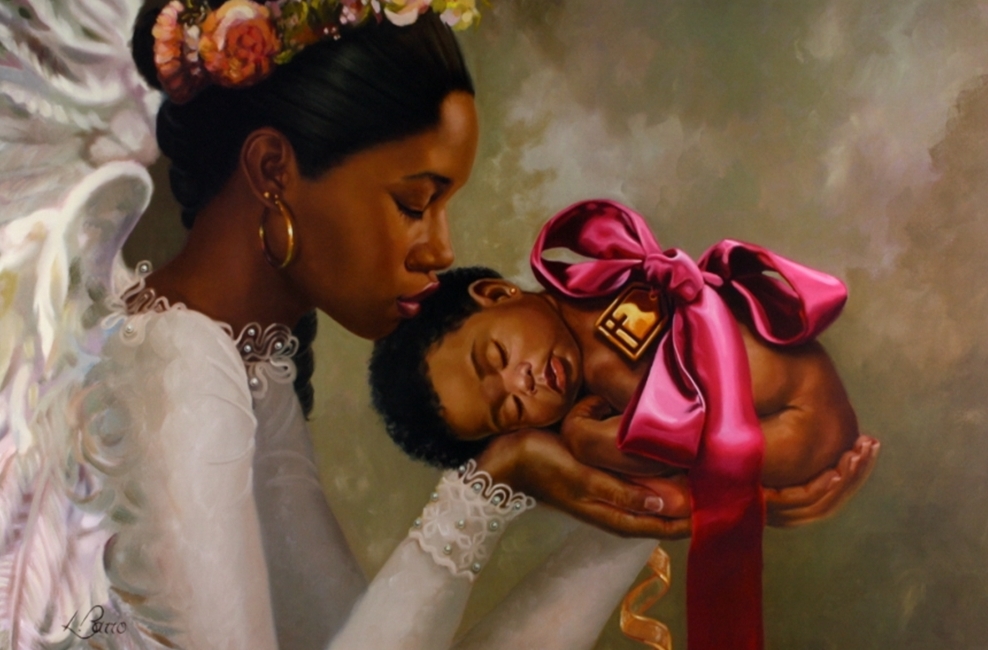
Henry Battle, a.k.a. Hbatto, a Californian native and well traveled Air Force veteran, now rooted in Atlanta GA, describes his style as richly realistic figurative snapshots of life. His subject matter ranges from spiritual and family-oriented, to romantic moments that he freezes in time.
Home » Tutti i post
Henry Lee Battle | Figurative painter
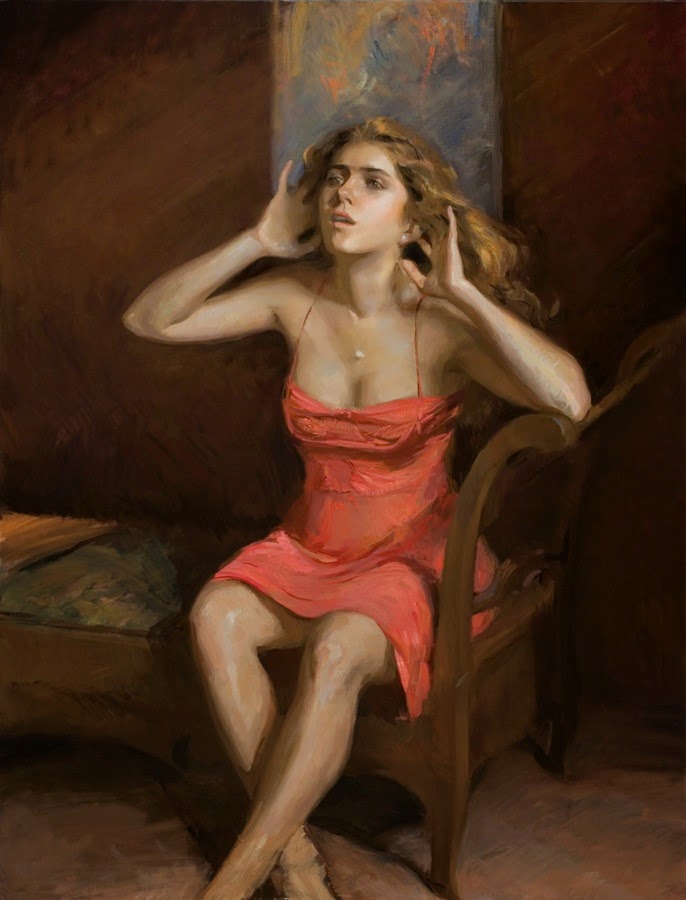
Angel Ramiro Sanchez, 1974 | Figurative painter
Venezuelan painter Angel Ramiro Sanchez was born in 1974 in Maracaibo, Venezuela. At age six was accepted with full scholarship into the Instituto the Niños Cantores del Zulia, school for musically gifted children.
At age fourteen he began five years of apprenticeship with the realist painter, Abdon J. Romero, an eminent specialist in murals for churches and public buildings.
In 1993, a study grant from Mgr. Gustavo Ocando Yamarte, Founder the Niños Cantores, enabled him to travel to Florence, Italy, where he studied at the renowned Accademia di Belle Arti, graduating Magna Cum Laude in 1997.
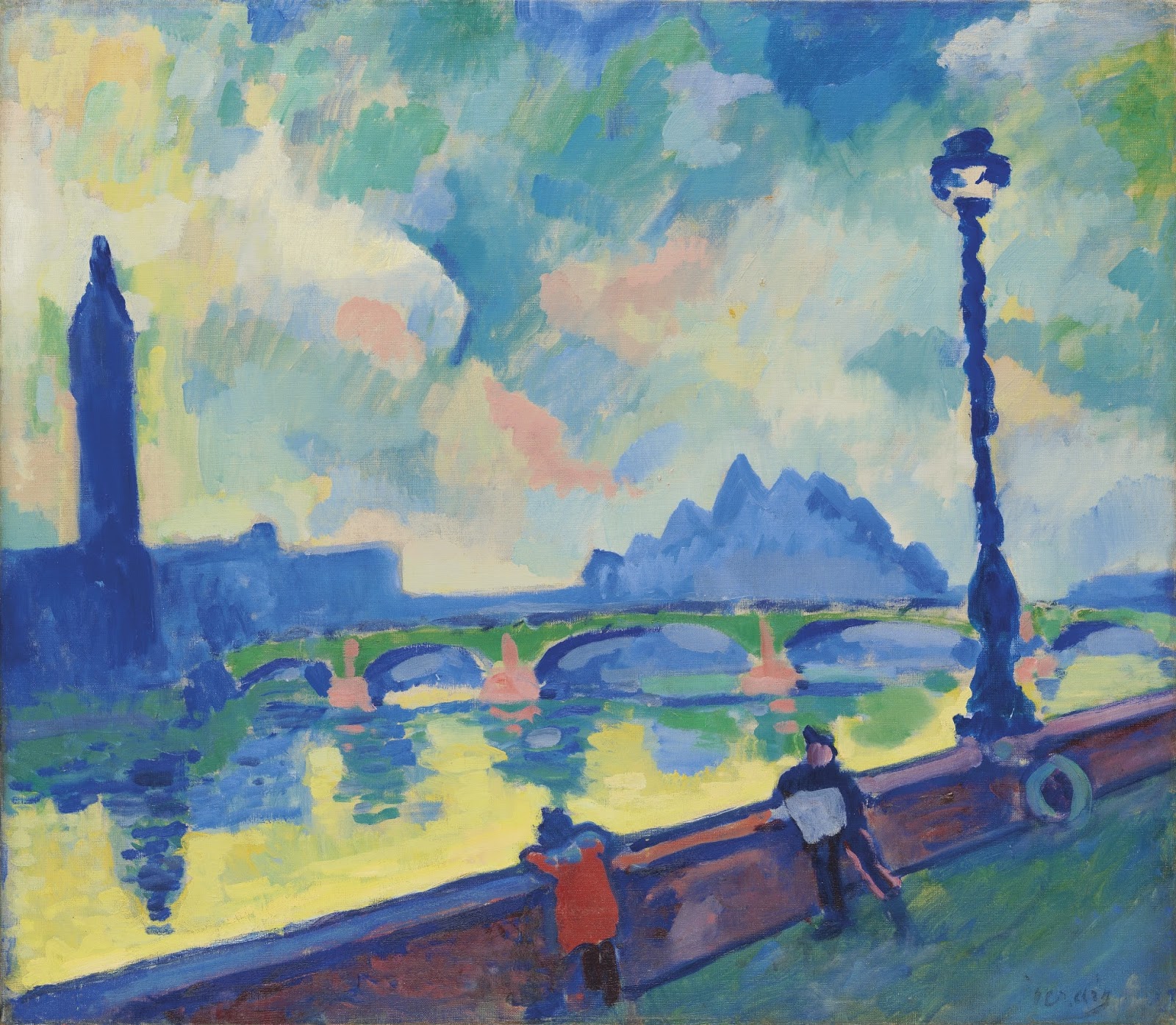
André Derain: "The substance of painting is light"
• "Fauvism was our ordeal by fire... colours became charges of dynamite. They were expected to charge light... The great merit of this method was to free the picture from all imitative and conventional contact".
• "It was the era of photography. This may have influenced us, and played a part in our reaction against anything resembling a snapshot of life".
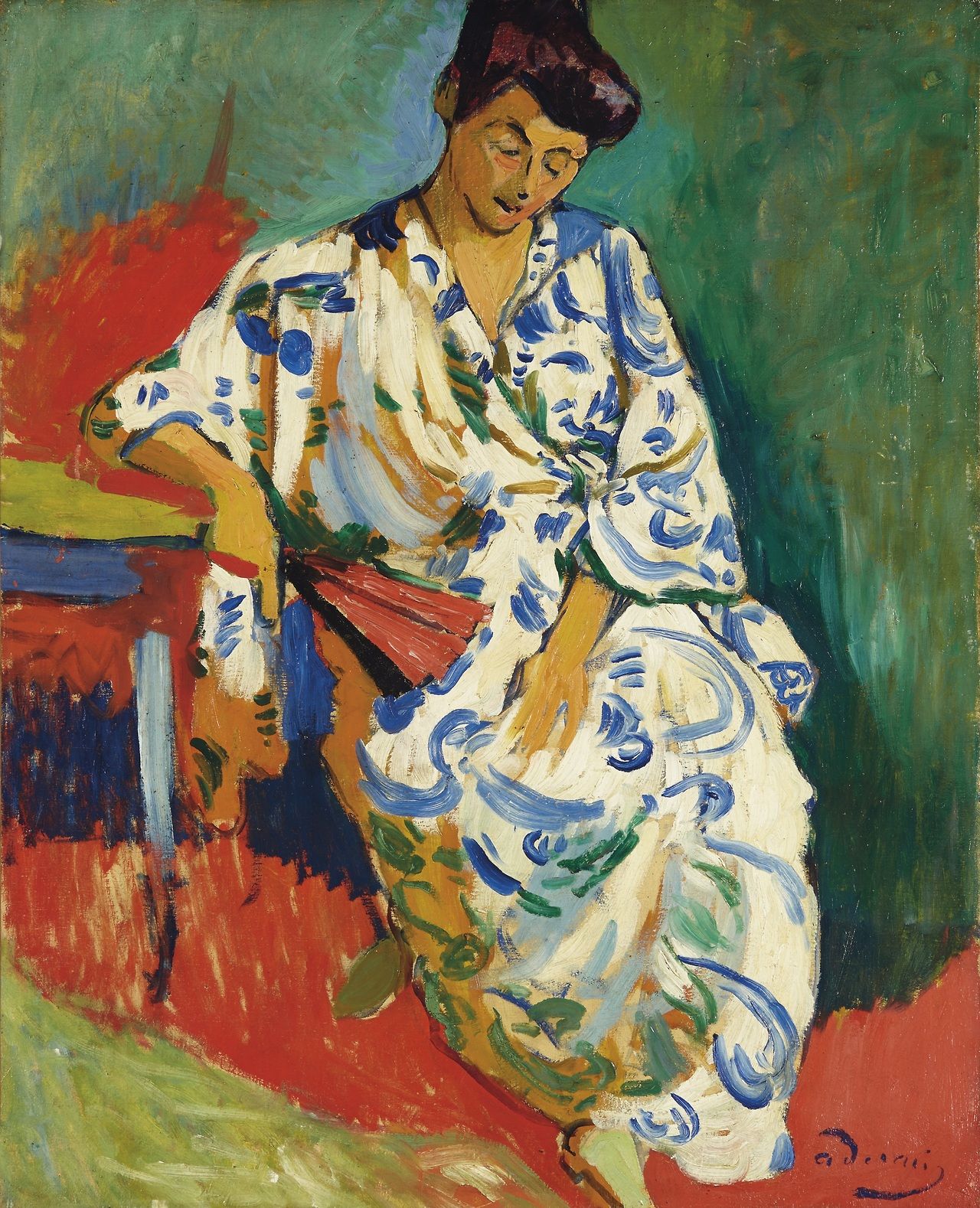
André Derain | Portraits
André Derain (1880-1954) was a French painter, sculptor and co-founder of Fauvism with Henri Matisse (1869-1954).
Derain and Matisse worked together through the summer of 1905 in the Mediterranean village of Collioure and later that year displayed their highly innovative paintings at the Salon d'Automne.
The vivid, unnatural colors led the critic Louis Vauxcelles to derisively dub their works as les Fauves, or "the wild beasts", marking the start of the Fauve movement.
Francisco De Zurbarán | Baroque painter
Francisco de Zurbarán (baptized November 7, 1598 - August 27, 1664) was a Spanish painter.
He is known primarily for his religious paintings depicting monks, nuns, and martyrs, and for his still-lifes. Zurbarán gained the nickname Spanish Caravaggio, owing to the forceful, realistic use of chiaroscuro in which he excelled.
Zurbarán was born in 1598 in Fuente de Cantos, Extremadura; he was baptized on November 7 of that year.
His parents were Luis de Zurbarán, a haberdasher, and his wife, Isabel Márquez.
In childhood he set about imitating objects with charcoal.
In 1614 his father sent him to Seville to apprentice for three years with Pedro Díaz de Villanueva, an artist of whom very little is known.
Iscriviti a:
Post (Atom)