Mao Zedong | Let a Thousand Flowers Bloom! / Lascia che mille fiori sboccino!

Mao Zedong | Let a Thousand Flowers Bloom! / Lascia che mille fiori sboccino!

The Hundred Flowers Campaign, also termed the Hundred Flowers Movement (Chinese: 百花齐放), was a period from 1956-1957 in the People's Republic of China during which the Chinese Communist Party (CCP) encouraged citizens to openly express their opinions of the Communist Party.
Following the failure of the campaign, CCP Chairman Mao Zedong conducted an ideological crackdown on those who criticized the party, which continued through 1959.
During the campaign, differing views and solutions to national policy were encouraged based on the famous expression by Mao:
"The policy of letting a hundred flowers bloom and a hundred schools of thought contend is designed to promote the flourishing of the arts and the progress of science".

Anselm Kiefer | Let a Thousand Flowers Bloom, 2000 | Metropolitan Museum of Art

Read More

Mao Zedong | Let a Thousand Flowers Bloom! / Lascia che mille fiori sboccino!

The Hundred Flowers Campaign, also termed the Hundred Flowers Movement (Chinese: 百花齐放), was a period from 1956-1957 in the People's Republic of China during which the Chinese Communist Party (CCP) encouraged citizens to openly express their opinions of the Communist Party.
Following the failure of the campaign, CCP Chairman Mao Zedong conducted an ideological crackdown on those who criticized the party, which continued through 1959.
During the campaign, differing views and solutions to national policy were encouraged based on the famous expression by Mao:
"The policy of letting a hundred flowers bloom and a hundred schools of thought contend is designed to promote the flourishing of the arts and the progress of science".

Anselm Kiefer | Let a Thousand Flowers Bloom, 2000 | Metropolitan Museum of Art

Carlotta Edwards | Ballet dancers

Carlotta Edwards | Ballet dancers


Carlotta Edwards (1894-1977) was the daughter of the French painter Ferdinand Pourrier. She is well know for her paintings of ballet scenes and exhibited at both the Royal Society of Portrait Painters and the Paris Salon.
The Medici Society published many pints of her work and these are still widely available.
In the 1950's framed copies of Carlotta Edward's prints were very popular.

Read More

Carlotta Edwards | Ballet dancers


Carlotta Edwards (1894-1977) was the daughter of the French painter Ferdinand Pourrier. She is well know for her paintings of ballet scenes and exhibited at both the Royal Society of Portrait Painters and the Paris Salon.
The Medici Society published many pints of her work and these are still widely available.
In the 1950's framed copies of Carlotta Edward's prints were very popular.

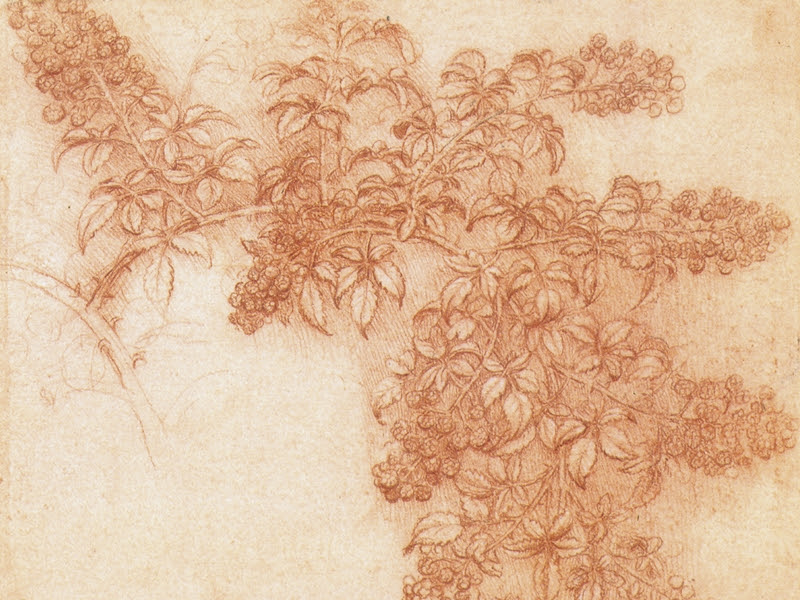
Leonardo da Vinci | Del sole che illumina la foresta

Leonardo da Vinci | Del sole che illumina la foresta

Trattato della Pittura
Parte sesta | Capitoli 868-893


Indice
868. Dell'oscurità dell'albero.
869. Degli alberi.
870. Degli alberi posti sotto l'occhio.
871. Delle cime sparse degli alberi.
872. Delle remozioni delle campagne.
873. Dell'azzurro che acquistano gli alberi remoti.


Read More

Leonardo da Vinci | Del sole che illumina la foresta

Trattato della Pittura
Parte sesta | Capitoli 868-893


Indice
868. Dell'oscurità dell'albero.
869. Degli alberi.
870. Degli alberi posti sotto l'occhio.
871. Delle cime sparse degli alberi.
872. Delle remozioni delle campagne.
873. Dell'azzurro che acquistano gli alberi remoti.


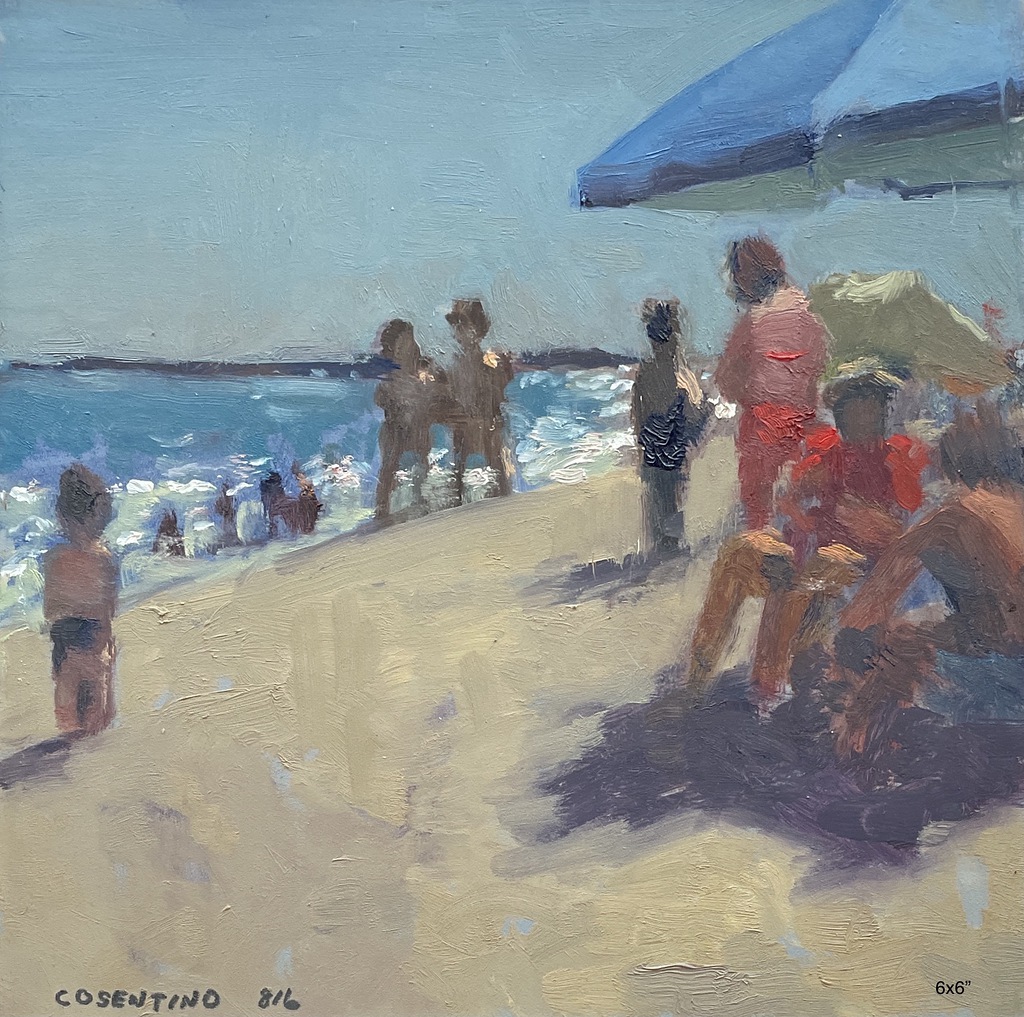
Steve Cosentino | Plein Air painter

Steve Cosentino | Plein Air painter

American painter Steve Cosentino was born in New York City, the place where he continues to call home.
Steven studied at the Art Students League with Rudolf Baranik and went on to teach at the League in the early 1990s.
- "As a child I lived in a building much like the ones depicted in these paintings".


Read More

Steve Cosentino | Plein Air painter

American painter Steve Cosentino was born in New York City, the place where he continues to call home.
Steven studied at the Art Students League with Rudolf Baranik and went on to teach at the League in the early 1990s.
- "As a child I lived in a building much like the ones depicted in these paintings".


Vincent van Gogh | Pietà (after Delacroix), 1889

Vincent van Gogh | Pietà (after Delacroix), 1889

Van Gogh based his Pietà on a lithograph of a painting by Eugène Delacroix.
This image of the Virgin Mary mourning the dead Christ is, however, more a variation on the original work than a copy.
Van Gogh has taken Delacroix’s theme and composition and added his own colour and personal signature.


Read More

Vincent van Gogh | Pietà (after Delacroix), 1889

Van Gogh based his Pietà on a lithograph of a painting by Eugène Delacroix.
This image of the Virgin Mary mourning the dead Christ is, however, more a variation on the original work than a copy.
Van Gogh has taken Delacroix’s theme and composition and added his own colour and personal signature.


Leonardo da Vinci | Del verde delle foglie

Leonardo da Vinci | Del verde delle foglie

Trattato della Pittura
Parte sesta | Capitoli 841-867


Indice
841. Del centro degli alberi nella loro grossezza.
842. Qual pianta cresce nelle selve di piú continuata grossezza ed in maggiore altezza.
843. Qual pianta è di grossezza piú disforme e di minore altezza e piú dura.
844. Delle piante e legnami segati i quali mai per sé si piegheranno.
845. Delle aste che piú si mantengono diritte.
846. Delle crepature de' legni quando si seccano.
847. De' legni che non si scoppiano nel seccarsi.


Read More

Leonardo da Vinci | Del verde delle foglie

Trattato della Pittura
Parte sesta | Capitoli 841-867


Indice
841. Del centro degli alberi nella loro grossezza.
842. Qual pianta cresce nelle selve di piú continuata grossezza ed in maggiore altezza.
843. Qual pianta è di grossezza piú disforme e di minore altezza e piú dura.
844. Delle piante e legnami segati i quali mai per sé si piegheranno.
845. Delle aste che piú si mantengono diritte.
846. Delle crepature de' legni quando si seccano.
847. De' legni che non si scoppiano nel seccarsi.


Leonardo da Vinci | De' paesi in pittura

Leonardo da Vinci | De' paesi in pittura

Trattato della Pittura
Parte sesta | Capitoli 894-916


Indice
894. Delle erbe de' prati.
895. Dell'ombra della verdura.
896. De' paesi in pittura.
897. Perché le ombre de' rami fronzuti non si dimostrano potenti vicino alle loro parti luminose come nelle parti opposite.
898. Qual parte del ramo della pianta sarà piú oscura.
899. Della veduta degli alberi.
900. De' paesi.


Read More

Leonardo da Vinci | De' paesi in pittura

Trattato della Pittura
Parte sesta | Capitoli 894-916


Indice
894. Delle erbe de' prati.
895. Dell'ombra della verdura.
896. De' paesi in pittura.
897. Perché le ombre de' rami fronzuti non si dimostrano potenti vicino alle loro parti luminose come nelle parti opposite.
898. Qual parte del ramo della pianta sarà piú oscura.
899. Della veduta degli alberi.
900. De' paesi.


Edgar Degas | Repasseuses / Le Stiratrici, 1884-1886

Edgar Degas | Repasseuses / Le Stiratrici, 1884-1886


Degas often made portraits of his family and friends but he was also an attentive observer of the working world in millinery workshops or laundries.
Only Daumier before him had taken an interest in washerwoman, who became one of Degas's favorite subjects between 1869-1895.
At first he painted single figures seen against the light, picked out sharply against the white linen.
Then, about 1884-1886, he dwelled more heavily on the subject, this time depicting two women in a laundry.

Read More

Edgar Degas | Repasseuses / Le Stiratrici, 1884-1886


Degas often made portraits of his family and friends but he was also an attentive observer of the working world in millinery workshops or laundries.
Only Daumier before him had taken an interest in washerwoman, who became one of Degas's favorite subjects between 1869-1895.
At first he painted single figures seen against the light, picked out sharply against the white linen.
Then, about 1884-1886, he dwelled more heavily on the subject, this time depicting two women in a laundry.

Vishma Maharaj, 1984 | Le squisite opere di vetro colorato

Vishma Maharaj, 1984 | Le squisite opere di vetro colorato

Vishma Maharaj è un'artista multimediale Americana che segue i propri sogni, interpretandoli su carta, per mezzo della Intelligenza Artificiale.
- "Sono una viaggiatrice dell'anima che condivide la propria esperienza attraverso la mia visione e prospettiva.
Sono la ragazzina che correva lungo la riva del mare lanciando stelle marine ed esprimendo desideri... che un giorno creerò cose che le persone adorerebbero.
Quei piccoli semi ora sono ciò di cui sono fatte le piante dei miei sogni..."


Read More

Vishma Maharaj, 1984 | Le squisite opere di vetro colorato

Vishma Maharaj è un'artista multimediale Americana che segue i propri sogni, interpretandoli su carta, per mezzo della Intelligenza Artificiale.
- "Sono una viaggiatrice dell'anima che condivide la propria esperienza attraverso la mia visione e prospettiva.
Sono la ragazzina che correva lungo la riva del mare lanciando stelle marine ed esprimendo desideri... che un giorno creerò cose che le persone adorerebbero.
Quei piccoli semi ora sono ciò di cui sono fatte le piante dei miei sogni..."