Martin Johnson Heade | Luminist painter

Martin Johnson Heade | Luminist painter

From: Encyclopædia Britannica
Martin Johnson Heade, Heade originally spelled Heed, (born August 11, 1819, Lumberville, Pennsylvania, U.S. - died September 4, 1904, St. Augustine, Florida), American painter known for his seascapes and still-life paintings and associated with the Luminist aesthetic.
Heade grew up in rural Pennsylvania and studied art with his neighbour the folk artist Edward Hicks and possibly with Hicks’s cousin Thomas Hicks, a portrait painter.


Read More

Martin Johnson Heade | Luminist painter

From: Encyclopædia Britannica
Martin Johnson Heade, Heade originally spelled Heed, (born August 11, 1819, Lumberville, Pennsylvania, U.S. - died September 4, 1904, St. Augustine, Florida), American painter known for his seascapes and still-life paintings and associated with the Luminist aesthetic.
Heade grew up in rural Pennsylvania and studied art with his neighbour the folk artist Edward Hicks and possibly with Hicks’s cousin Thomas Hicks, a portrait painter.


Arthur Drummond | Classicist / Genre painter

Arthur Drummond | Classicist / Genre painter

Arthur Drummond (1871-1951) was an British painter, the son of John Drummond, a British maritime artist.
Born in Bristol in 1871, Drummond enjoyed an early exposure to painting and received the encouragement and support of his family.
It appears that he received additional training both in Paris and in London.
While in France he studied with both Constant and Laurens - learning the ways of the Academic artists.


Read More

Arthur Drummond | Classicist / Genre painter

Arthur Drummond (1871-1951) was an British painter, the son of John Drummond, a British maritime artist.
Born in Bristol in 1871, Drummond enjoyed an early exposure to painting and received the encouragement and support of his family.
It appears that he received additional training both in Paris and in London.
While in France he studied with both Constant and Laurens - learning the ways of the Academic artists.


At the Museum

At the Museum

"All inspired painters are impressionists, even though it be true that some impressionists are not inspired". (Joaquin Sorolla)
"My only ambition was to create an honest picture that would interpret nature as she really is, as she ought to be seen". (Joaquin Sorolla)
"With all its excesses, the modern impressionistic movement has given us one discovery, the color violet. It is the only discovery of importance in the art world since Velazquez". (Joaquin Sorolla)

Jean Béraud [Russian-born French Impressionist Painter, 1849-ca.1935] - The opening day of the Salon

Read More

At the Museum

"All inspired painters are impressionists, even though it be true that some impressionists are not inspired". (Joaquin Sorolla)
"My only ambition was to create an honest picture that would interpret nature as she really is, as she ought to be seen". (Joaquin Sorolla)
"With all its excesses, the modern impressionistic movement has given us one discovery, the color violet. It is the only discovery of importance in the art world since Velazquez". (Joaquin Sorolla)

Jean Béraud [Russian-born French Impressionist Painter, 1849-ca.1935] - The opening day of the Salon

Franz von Lenbach | Portrait painter

Franz von Lenbach | Portrait painter

Franz Seraph Lenbach, after 1882, Ritter von Lenbach (13 December 1836, Schrobenhausen - 6 May 1904, Munich) was a German painter, known primarily for his portraits of prominent personalities from the nobility, the arts, and industry.
Because of his standing in society, he was often referred to as the "Malerfürst" (Prince of Painters).


Read More

Franz von Lenbach | Portrait painter

Franz Seraph Lenbach, after 1882, Ritter von Lenbach (13 December 1836, Schrobenhausen - 6 May 1904, Munich) was a German painter, known primarily for his portraits of prominent personalities from the nobility, the arts, and industry.
Because of his standing in society, he was often referred to as the "Malerfürst" (Prince of Painters).


Beatriz Hidalgo De La Garza, 1967 | Soul of Mexico

Beatriz Hidalgo De La Garza, 1967 | Soul of Mexico

Beatriz Hidalgo De La Garza 1967 | Mexican painter | Soul of Mexico

Beatriz Hidalgo de la Garza, Mexican painter, wife, architect, humanist, mother and above all… Proudly Mexican. Enter the world of art was only a girl studying painting and visual arts for over 10 years in the Fine Arts Children’s Workshop.

Read More

Beatriz Hidalgo De La Garza, 1967 | Soul of Mexico

Beatriz Hidalgo De La Garza 1967 | Mexican painter | Soul of Mexico

Beatriz Hidalgo de la Garza, Mexican painter, wife, architect, humanist, mother and above all… Proudly Mexican. Enter the world of art was only a girl studying painting and visual arts for over 10 years in the Fine Arts Children’s Workshop.

Carl Zewy | Genre painter

Carl Zewy | Genre painter


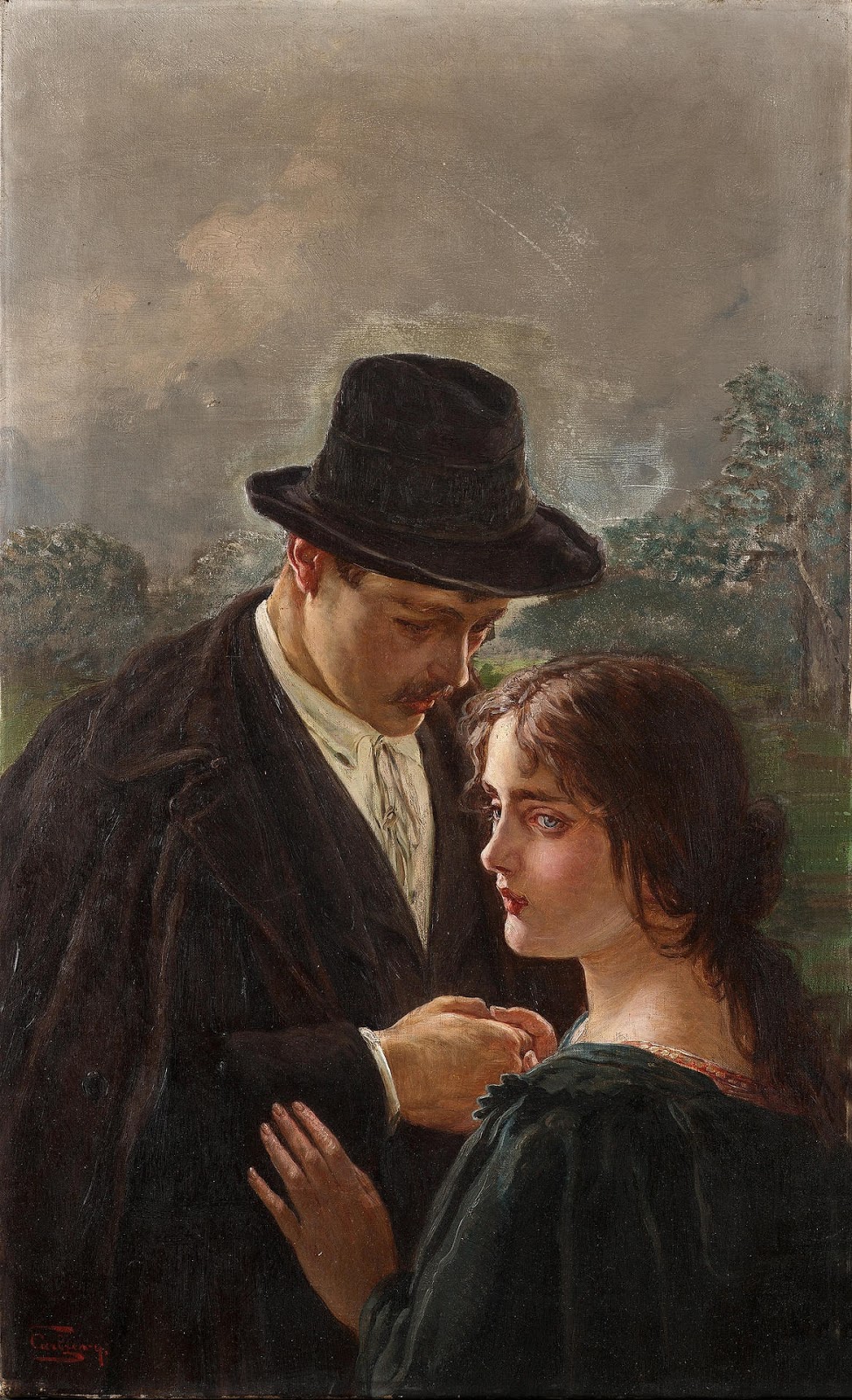
Carl Zewy (1855-1929) was an Austrian** genre, portrait and landscape painter. He born in Vienna and studied at the Vienna Academy under August Eisenmenger and at the Munich Academy as well.
The art dealer Friedrich Schwarz became a patron of his art and provide him with numerous commissions.


In addition, he regularly takes part in the exhibitions of the Vienna Künstlerhaus. Today Zewys works can be found in the collection of the Historical Museum of Vienna.


Read More

Carl Zewy | Genre painter


Carl Zewy (1855-1929) was an Austrian** genre, portrait and landscape painter. He born in Vienna and studied at the Vienna Academy under August Eisenmenger and at the Munich Academy as well.
The art dealer Friedrich Schwarz became a patron of his art and provide him with numerous commissions.


In addition, he regularly takes part in the exhibitions of the Vienna Künstlerhaus. Today Zewys works can be found in the collection of the Historical Museum of Vienna.


Filippino Lippi | Early Renaissance painter

Filippino Lippi | Early Renaissance painter

Filippino Lippi (1457-1504) - Early Renaissance painter of the Florentine school whose works influenced the Tuscan Mannerists of the 16th century.
The son of Fra Filippo Lippi and his wife, Lucrezia Buti, he was a follower of his father and of Sandro Botticelli.
After Fra Filippo Lippi’s death, Filippino entered the workshop of Botticelli. By 1473 he had finished his apprenticeship.


Read More

Filippino Lippi | Early Renaissance painter

Filippino Lippi (1457-1504) - Early Renaissance painter of the Florentine school whose works influenced the Tuscan Mannerists of the 16th century.
The son of Fra Filippo Lippi and his wife, Lucrezia Buti, he was a follower of his father and of Sandro Botticelli.
After Fra Filippo Lippi’s death, Filippino entered the workshop of Botticelli. By 1473 he had finished his apprenticeship.


Jean Bellegambe (1470-1536)

Jean Bellegambe (1470-1536)

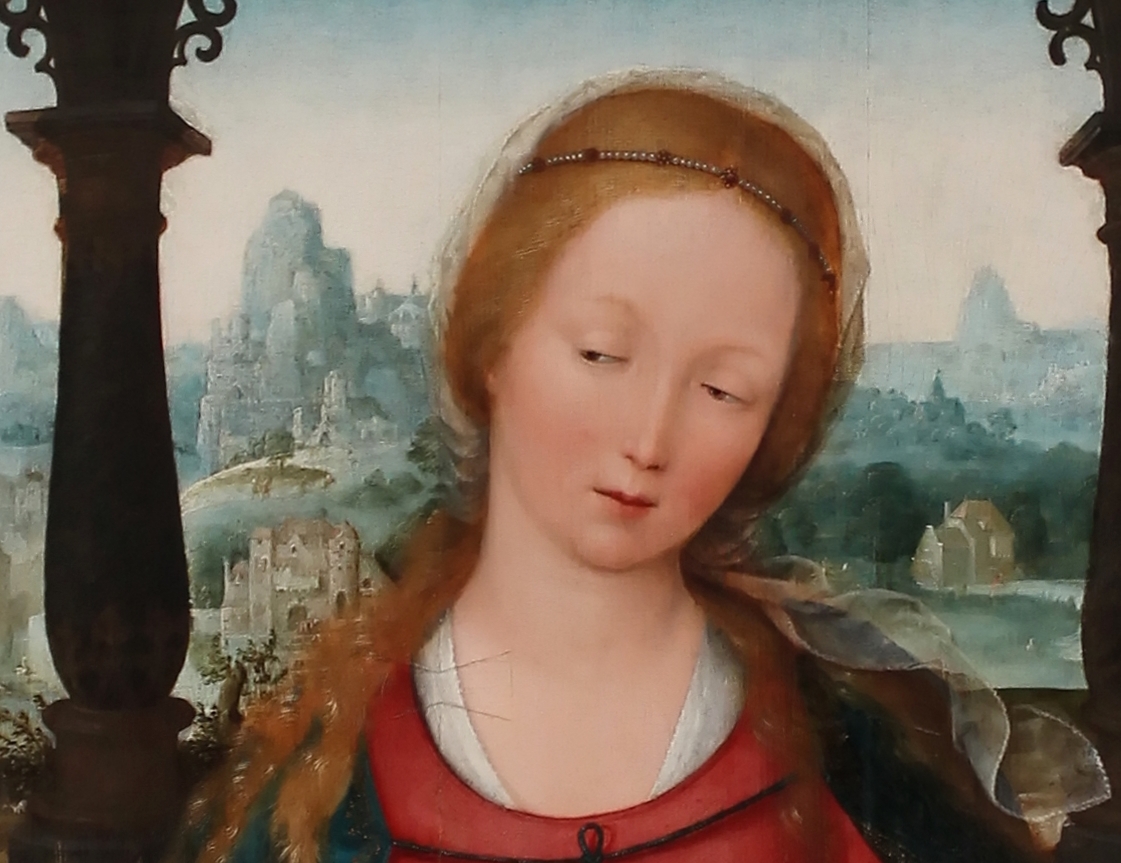
Jehan Bellegambe or Jean Bellegambe (sometimes Belgamb or Belganb) was a French-speaking Flemish painter of religious paintings, triptychs and polyptychs, the most important of which are now held at Douai, Arras, Aix, Lille, Saint Petersburg and Chicago.
He was known as the 'master of colours' for the transparency and interplay of his colors.
He is known as Jehan Bellegambe the elder to distinguish him from his descendents who were also called Jehan.


Read More

Jean Bellegambe (1470-1536)

Jehan Bellegambe or Jean Bellegambe (sometimes Belgamb or Belganb) was a French-speaking Flemish painter of religious paintings, triptychs and polyptychs, the most important of which are now held at Douai, Arras, Aix, Lille, Saint Petersburg and Chicago.
He was known as the 'master of colours' for the transparency and interplay of his colors.
He is known as Jehan Bellegambe the elder to distinguish him from his descendents who were also called Jehan.


Amedeo Modigliani | Sculpture

Amedeo Modigliani | Sculpture

Only 27 sculptures by Amedeo Modigliani (1884-1920) are known to exist.
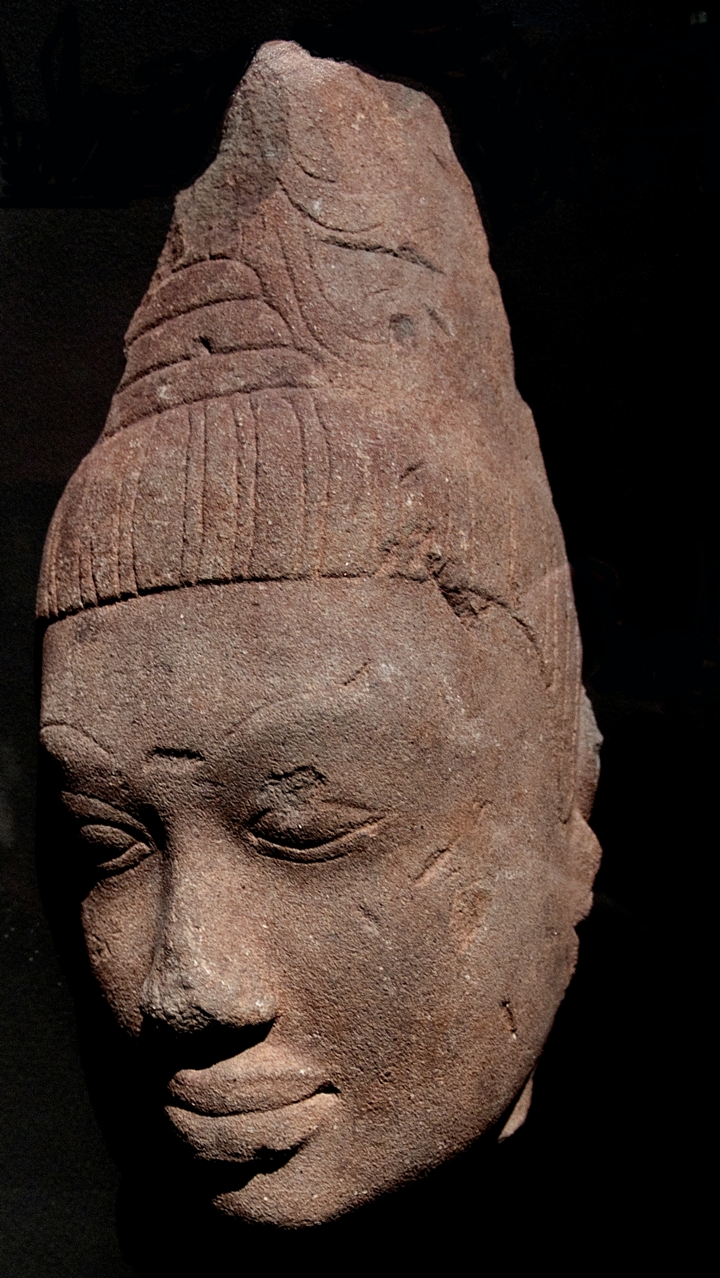
In his sculpture, Modigliani, (Italian painter and sculptor), tried to capture the raw, primitive and mysterious power of African masks, as well as the beatific smiles of Cambodian or Khmer heads.
In their hardness, Modigliani's sculptures represent a conscious attempt to get away from the soft modelled surfaces of Rodin's sculpture.

Amedeo Modigliani | Sculpture

Read More

Amedeo Modigliani | Sculpture

Only 27 sculptures by Amedeo Modigliani (1884-1920) are known to exist.
In his sculpture, Modigliani, (Italian painter and sculptor), tried to capture the raw, primitive and mysterious power of African masks, as well as the beatific smiles of Cambodian or Khmer heads.
In their hardness, Modigliani's sculptures represent a conscious attempt to get away from the soft modelled surfaces of Rodin's sculpture.

Amedeo Modigliani | Sculpture

Vittorio Reggianini | Genre painter

Vittorio Reggianini | Genre painter


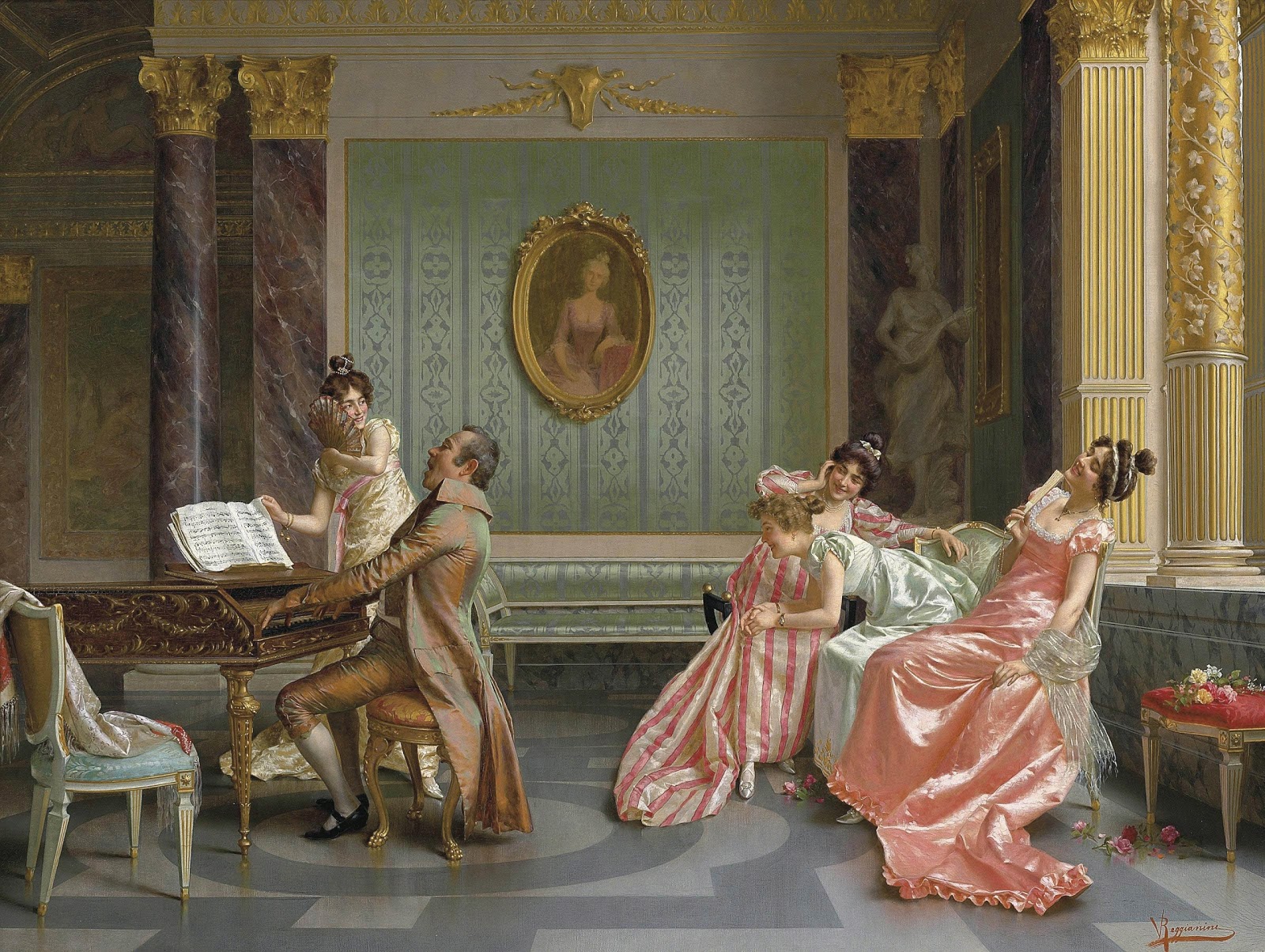
Vittorio Reggianini (1858-1939) was an Italian painter** specialized in genre subjects** including elegant scenes of bourgeois life, figure compositions particularly women's heads and child studies as well as more humble interiors with peasants.
Reggianini combined fantasy with reality, sensuality with sensibility and above all, like many of the Florentine historical genre painters furnished his costume pieces in luxury.

Read More

Vittorio Reggianini | Genre painter


Vittorio Reggianini (1858-1939) was an Italian painter** specialized in genre subjects** including elegant scenes of bourgeois life, figure compositions particularly women's heads and child studies as well as more humble interiors with peasants.
Reggianini combined fantasy with reality, sensuality with sensibility and above all, like many of the Florentine historical genre painters furnished his costume pieces in luxury.

Elisabetta Sirani | Baroque painter

Elisabetta Sirani | Baroque painter

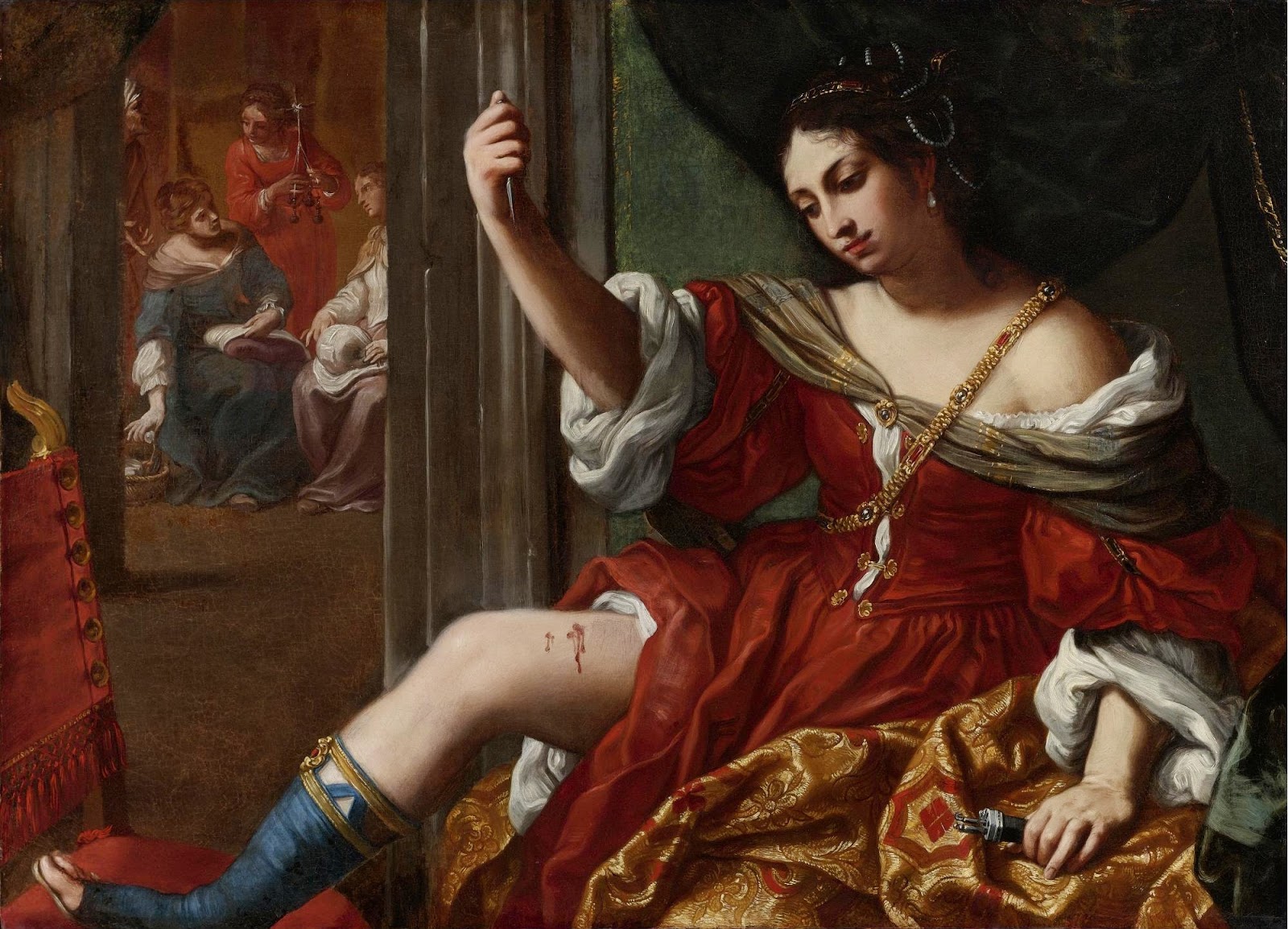
Elisabetta Sirani (8 January 1638 - 28 August 1665) was an Italian Baroque painter and printmaker who died in still unexplained circumstances at the early age of 27.
She was the most famous woman artist in early modern Bologna and established an academy for other women artists.

Life

Elisabetta Sirani was born in Bologna in January 1638, the first of four children of Margherita and Giovanni Andrea Sirani. Sirani, like many other female artists, was born into an artistic family and was first trained in her father’s studio.


Read More

Elisabetta Sirani | Baroque painter

Elisabetta Sirani (8 January 1638 - 28 August 1665) was an Italian Baroque painter and printmaker who died in still unexplained circumstances at the early age of 27.
She was the most famous woman artist in early modern Bologna and established an academy for other women artists.

Life

Elisabetta Sirani was born in Bologna in January 1638, the first of four children of Margherita and Giovanni Andrea Sirani. Sirani, like many other female artists, was born into an artistic family and was first trained in her father’s studio.


Marc Figueras, 1981 | Hyper-realist painter

Marc Figueras, 1981 | Hyper-realist painter


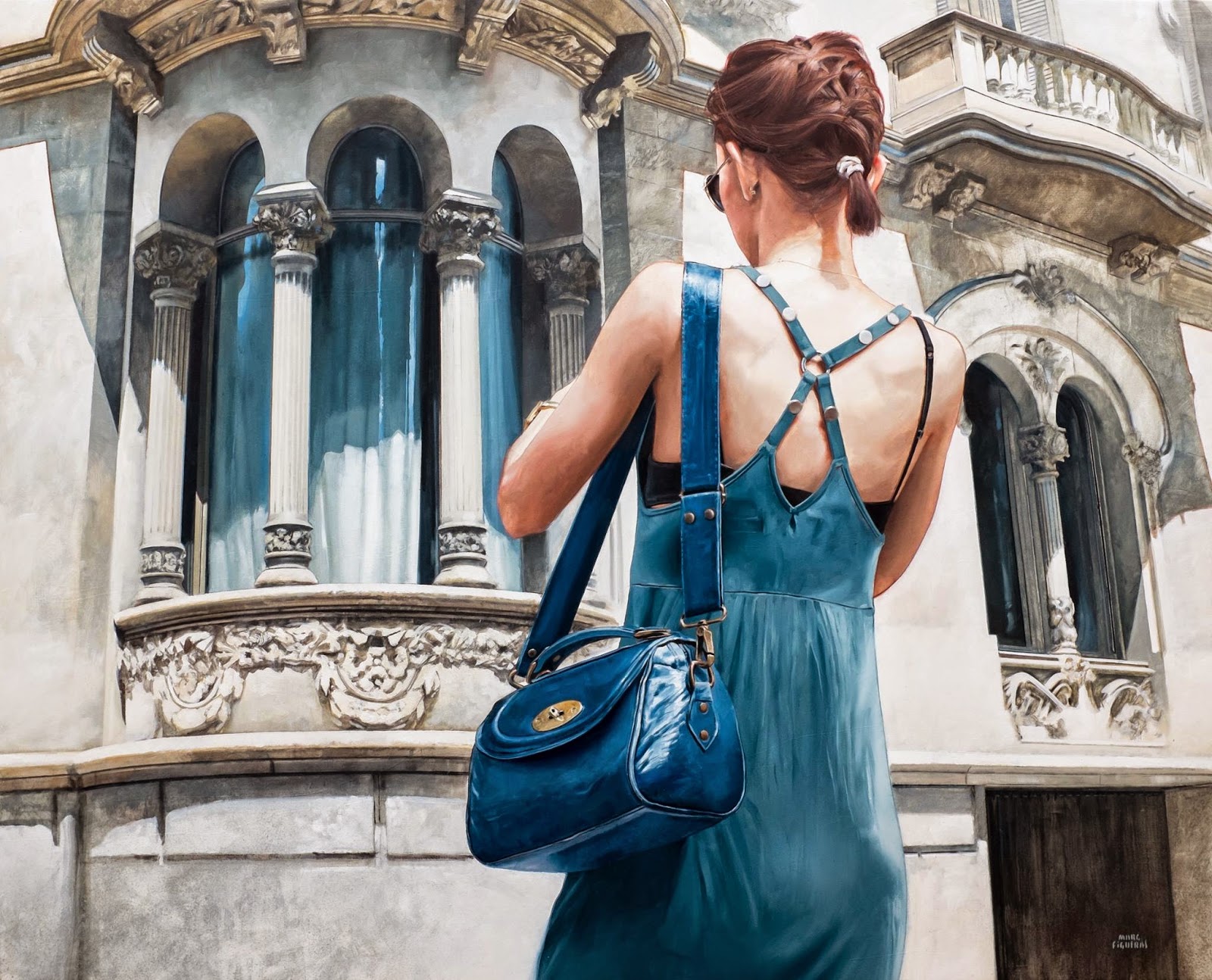
Marc Figueras was born in Barcelona in 1981 and trained at the "Escola d'Arts i Oficis" de Barcelona. His hyper-realistic works, typically depicting anonymous persons before some of the most iconic landmarks of Barcelona, or showcasing empty vehicles parked in the streets, have recently captivated audiences in countries as culturally diverse as Portugal and Taiwan.

Read More

Marc Figueras, 1981 | Hyper-realist painter


Marc Figueras was born in Barcelona in 1981 and trained at the "Escola d'Arts i Oficis" de Barcelona. His hyper-realistic works, typically depicting anonymous persons before some of the most iconic landmarks of Barcelona, or showcasing empty vehicles parked in the streets, have recently captivated audiences in countries as culturally diverse as Portugal and Taiwan.

Natalia Bryliova, 1984 | Figurative painter

Natalia Bryliova, 1984 | Figurative painter


Natalia Bryliova /Наталья Брилева is an Belarusian painter known for working in the Figurative / Surrealism style.
Bryliova was born in Minsk, Belarus in 1984.
She studied fashion and design at the Minsk Fashion School from 1995 until 2004.
Bryliova studied at the Minsk Academy of Drawing and Painting from 2003 to 2007.
Currently residing and working in France.

Read More

Natalia Bryliova, 1984 | Figurative painter


Natalia Bryliova /Наталья Брилева is an Belarusian painter known for working in the Figurative / Surrealism style.
Bryliova was born in Minsk, Belarus in 1984.
She studied fashion and design at the Minsk Fashion School from 1995 until 2004.
Bryliova studied at the Minsk Academy of Drawing and Painting from 2003 to 2007.
Currently residing and working in France.

George Henry Boughton RA | Genre painter

George Henry Boughton RA | Genre painter


George Henry Boughton RA (December 4, 1833 - January 19, 1905) was an Anglo-American landscape and genre painter, illustrator and writer.
Boughton was born in Norwich in Norfolk, England, the son of farmer William Boughton. The family emigrated to the United States in 1835, and he grew up in Albany, New York where he started his career as a self-taught artist. At this early stage, he was influenced by the artists of the Hudson River School.

Read More

George Henry Boughton RA | Genre painter


George Henry Boughton RA (December 4, 1833 - January 19, 1905) was an Anglo-American landscape and genre painter, illustrator and writer.
Boughton was born in Norwich in Norfolk, England, the son of farmer William Boughton. The family emigrated to the United States in 1835, and he grew up in Albany, New York where he started his career as a self-taught artist. At this early stage, he was influenced by the artists of the Hudson River School.

 Filippo Indoni | Genre painter

Filippo Indoni | Genre painter


Filipo Indoni (1842-1908) was an Italian painter** who painted in the Realist style.
He often created lively scenes of peasants and lower class people playing, laughing and generally being care.
Indoni made these formerly forgotten people in the art world shine, while his fellow artists were portraying them in darker themes. Indoni was particularly talented with watercolors, and painted a number of scenes of peasants** and country people in watercolor.


Unlike many other artists who portray peasants and workers, Indoni’s subjects are generally happy and jubilant.
This is because Indoni’s goal was to portray them as being people that are proud of their hard work, as opposed to being downtrodden, and was Indoni’s response to the idealistic, but unrealistic styling of formerly popular Romanticism.


Filipo Indoni (1842-1908) attivo a Roma nella seconda metà del XIX secolo.
Pittore di genere**, di paesaggio e di soggetti classici, realizzati a olio e ad acquerello, fece uso di uno stile accuratamente realistico, apprezzato soprattutto dal mercato straniero.
A Roma espose nel 1872 alla Mostra della Società Amatori e Cultori delle Belle Arti (Costumi delle campagne romane) e alla Esposizione Internazionale del 1883 (Le gioie del viaggio); fu anche presente alle esposizioni di Firenze nel 1880 e di Torino nel 1884 (Costume dell’Impero).
Per il collegio Nazareno di Roma eseguì il ritratto di Alessandro Torlonia. | © Istituto Matteucci.


Read More

Filippo Indoni | Genre painter


Filipo Indoni (1842-1908) was an Italian painter** who painted in the Realist style.
He often created lively scenes of peasants and lower class people playing, laughing and generally being care.
Indoni made these formerly forgotten people in the art world shine, while his fellow artists were portraying them in darker themes. Indoni was particularly talented with watercolors, and painted a number of scenes of peasants** and country people in watercolor.


Unlike many other artists who portray peasants and workers, Indoni’s subjects are generally happy and jubilant.
This is because Indoni’s goal was to portray them as being people that are proud of their hard work, as opposed to being downtrodden, and was Indoni’s response to the idealistic, but unrealistic styling of formerly popular Romanticism.


Filipo Indoni (1842-1908) attivo a Roma nella seconda metà del XIX secolo.
Pittore di genere**, di paesaggio e di soggetti classici, realizzati a olio e ad acquerello, fece uso di uno stile accuratamente realistico, apprezzato soprattutto dal mercato straniero.
A Roma espose nel 1872 alla Mostra della Società Amatori e Cultori delle Belle Arti (Costumi delle campagne romane) e alla Esposizione Internazionale del 1883 (Le gioie del viaggio); fu anche presente alle esposizioni di Firenze nel 1880 e di Torino nel 1884 (Costume dell’Impero).
Per il collegio Nazareno di Roma eseguì il ritratto di Alessandro Torlonia. | © Istituto Matteucci.