Orazio Borgianni | Baroque painter

Orazio Borgianni | Baroque painter

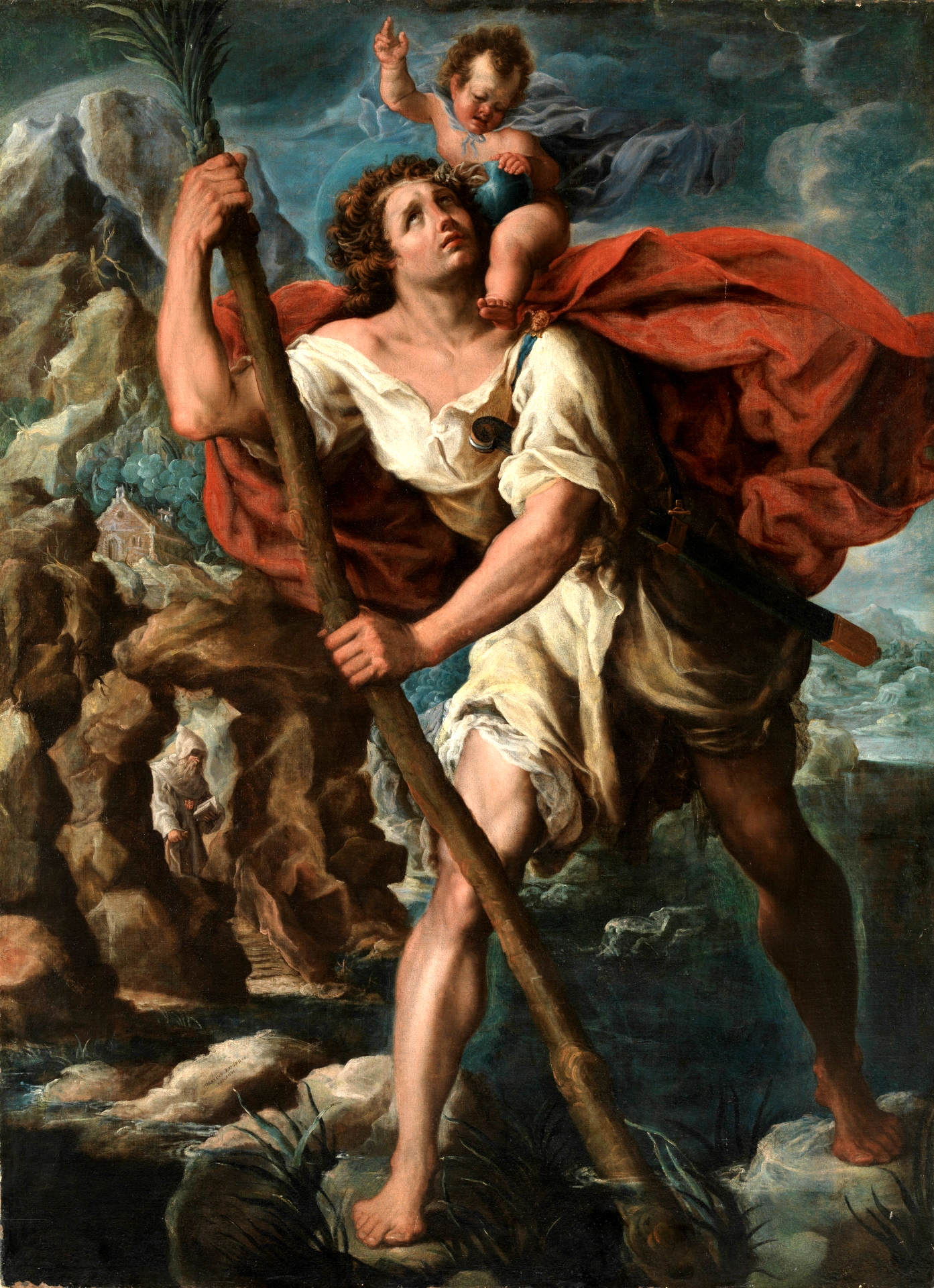
Orazio Borgianni (6 April 1574 - 14 January 1616) was an Italian painter and etcher of the Mannerist and early-Baroque periods. He was the stepbrother of the sculptor and architect Giulio Lasso.
Borgianni was born in Rome, where he was documented in February 1604. He was instructed in the art of painting by his brother, Giulio Borgianni, called Scalzo.
The patronage by Philip II of Spain induced him to visit Spain, where he signed an inventory in January 1605.
He returned to Rome from Spain after April 1605 at the height of his career, and most of the work of his maturity was carried out 1605–16.

Legge di Murphy: "Non discutere mai con un idiota: la gente potrebbe non notare la differenza"!

Legge di Murphy: "Non discutere mai con un idiota: la gente potrebbe non notare la differenza"!

Della Comitatologia | Capitolo Settimo

Legge di Old e Kahn

L'efficienza di un comitato è inversamente proporzionale
al numero dei partecipanti e al tempo impiegato per raggiungere le decisioni.

Legge diShanahan

La durata di una riunione aumenta col quadrato del numero dei presenti.

Legge dell'insignificanza

Il tempo speso per ogni punto dell'ordine del giorno è sempre inversamente proporzionale
alla somma di denaro che il punto comporta.

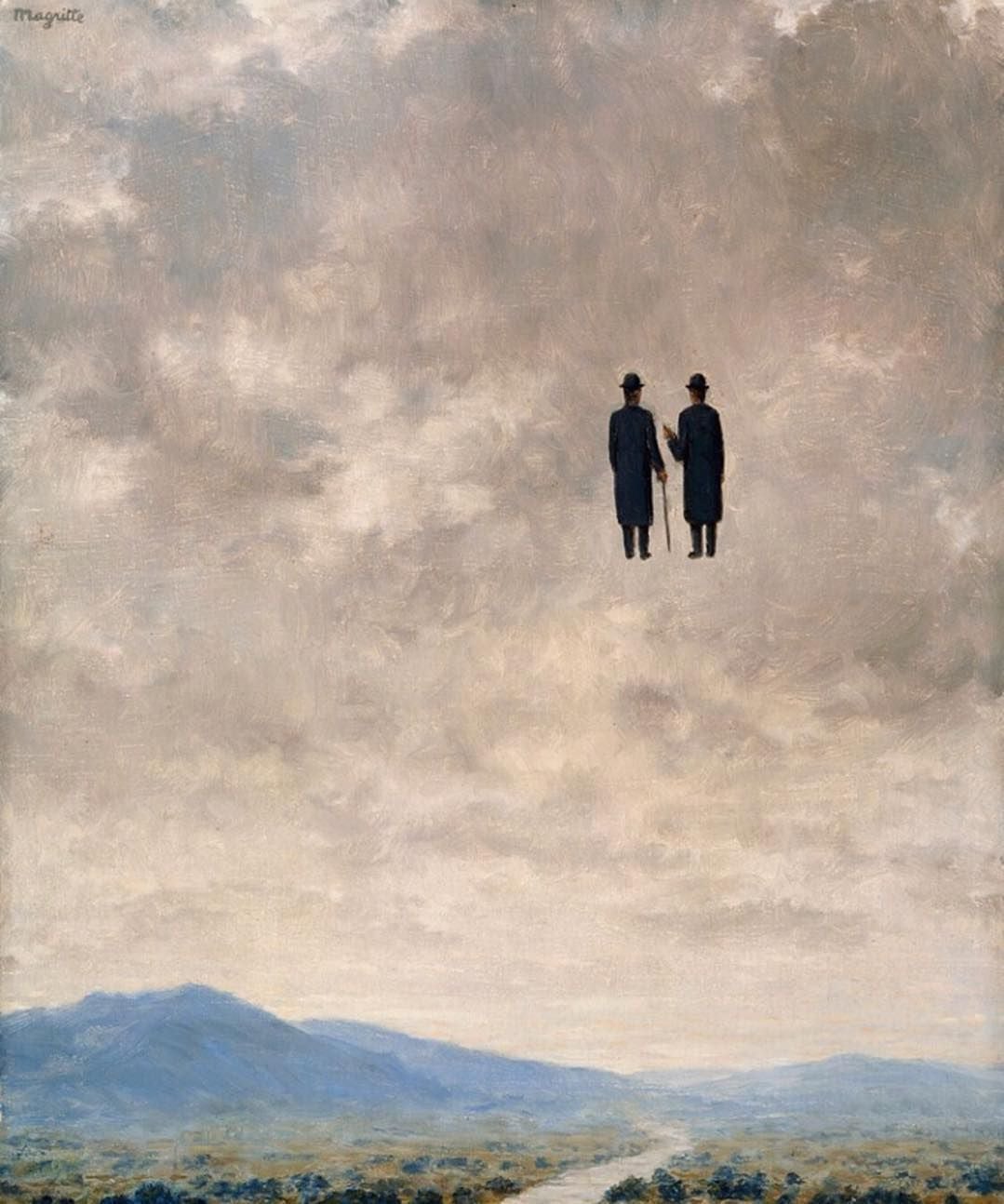
Rene Magritte | The Art of Conversation, 1963

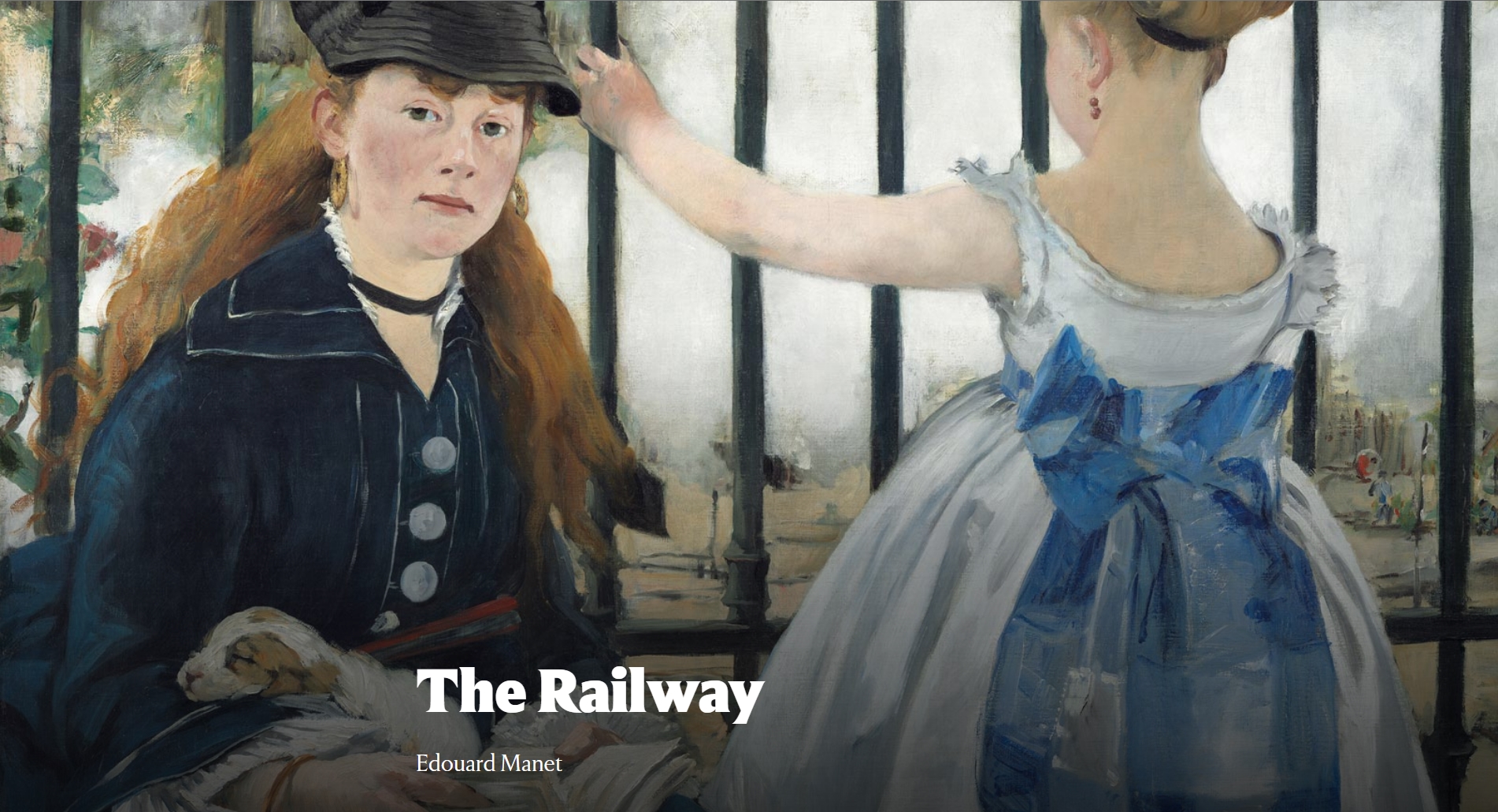
Édouard Manet | The Railway / La Ferrovia, 1873

Édouard Manet | The Railway / La Ferrovia, 1873

With her back to us, a young girl stands looking through a fence. Facing us directly, a woman sits with a small dog in her lap and a book in her hand.
Billowing steam from an unseen train obscures the center background, but the edge of a bridge juts out at right, identifying the setting as Gare Saint-Lazare - Paris’ busiest train station and emblem of the city’s unsettling 19th-century makeover. Beyond depicting the modern city, The Railway disturbingly suggests how people experienced it.
Pinned against a long black iron fence, these fashionably dressed female figures are physically cut off from the railroad beyond and also seem estranged from each other: facing in opposite directions, they are absorbed in their individual activities. Manet offers us no clues to their relationship, even as we viewers seem to interrupt the woman reading.
She looks up at us directly with an expression that is neutral and guarded - the characteristic regard of one stranger encountering another in the modern metropolis.


Po Pin Lin, 1970 | Impressionist painter

Po Pin Lin, 1970 | Impressionist painter


Chinese-born American painter Po Pin Lin has won the Award of Excellent in the Oil Painters of America's national and regional exhibition in 2001 and 2002 and has been a signature member of Oil Painters of America for many years.
He has been featured twice in Southwest Art Magazine and was named "one of the 21 finest American artists under 31".
Po Pin Lin is also the cover story and the subject of a six pages feature article in The Artist's Magazine in September issue of 2003.

Frédéric Chopin: "Play Mozart in memory of me!"

Frédéric Chopin: "Play Mozart in memory of me!"

Frédéric François Chopin (1 March 1810 – 17 October 1849) was a Polish composer and virtuoso pianist of the Romantic period who wrote primarily for solo piano.
He has maintained worldwide renown as a leading musician of his era, one whose "poetic genius was based on a professional technique that was without equal in his generation".

All of Chopin's compositions include the piano.
Most are for solo piano, though he also wrote two piano concertos, a few chamber pieces, and some 19 songs set to Polish lyrics.
His piano writing was technically demanding and expanded the limits of the instrument, his own performances noted for their nuance and sensitivity.
His major piano works also include mazurkas, waltzes, nocturnes, polonaises, the instrumental ballade (which Chopin created as an instrumental genre), études, impromptus, scherzos, preludes, and sonatas, some published only posthumously.

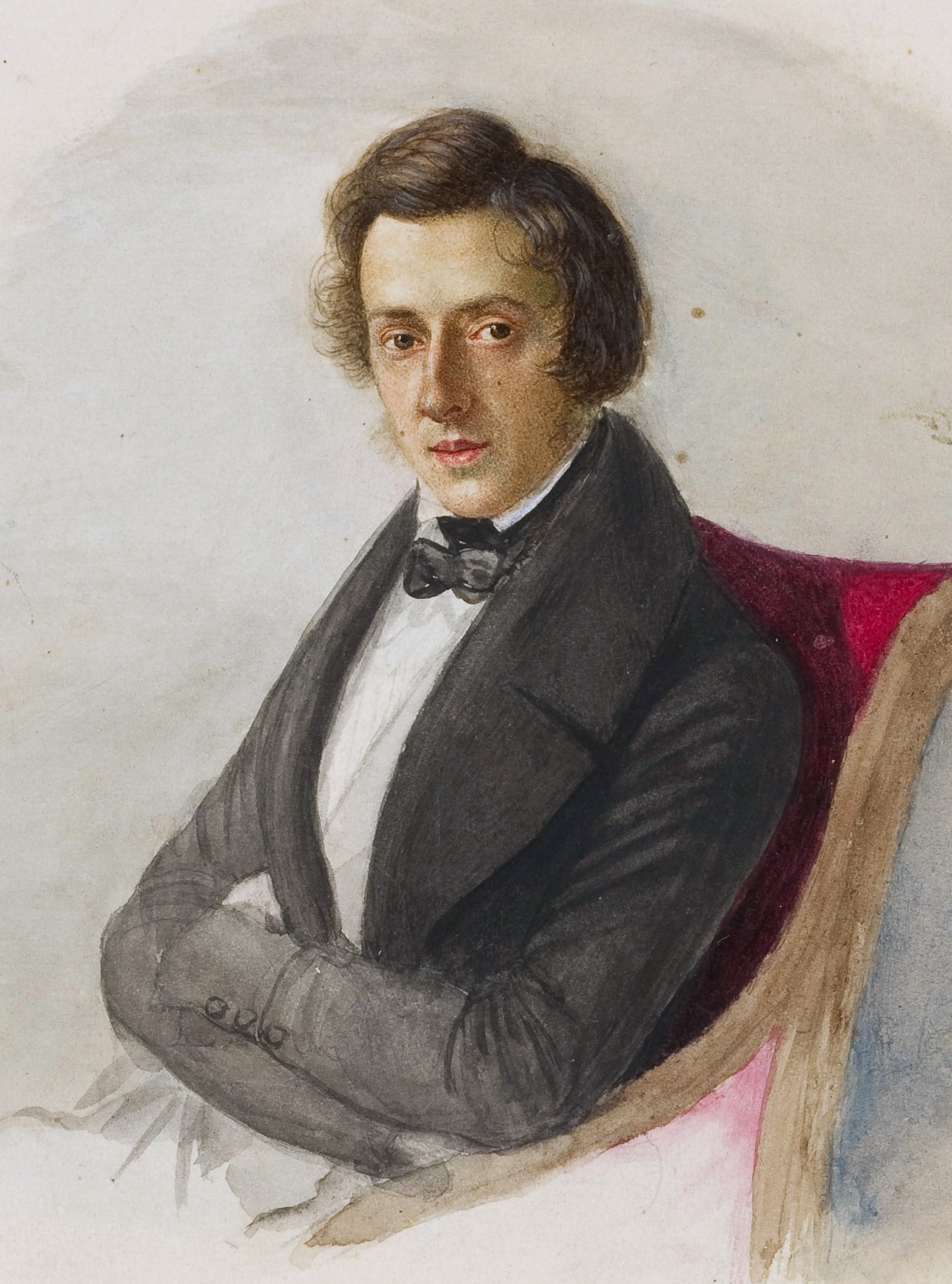
Maria Wodzińska | Portrait of Frédéric Chopin, 1836 | National Museum Warsaw

Test Your Art Knowledge 🎨
Discover the hidden names of great artists