Leonardo da Vinci | Escusazione dello Scultore

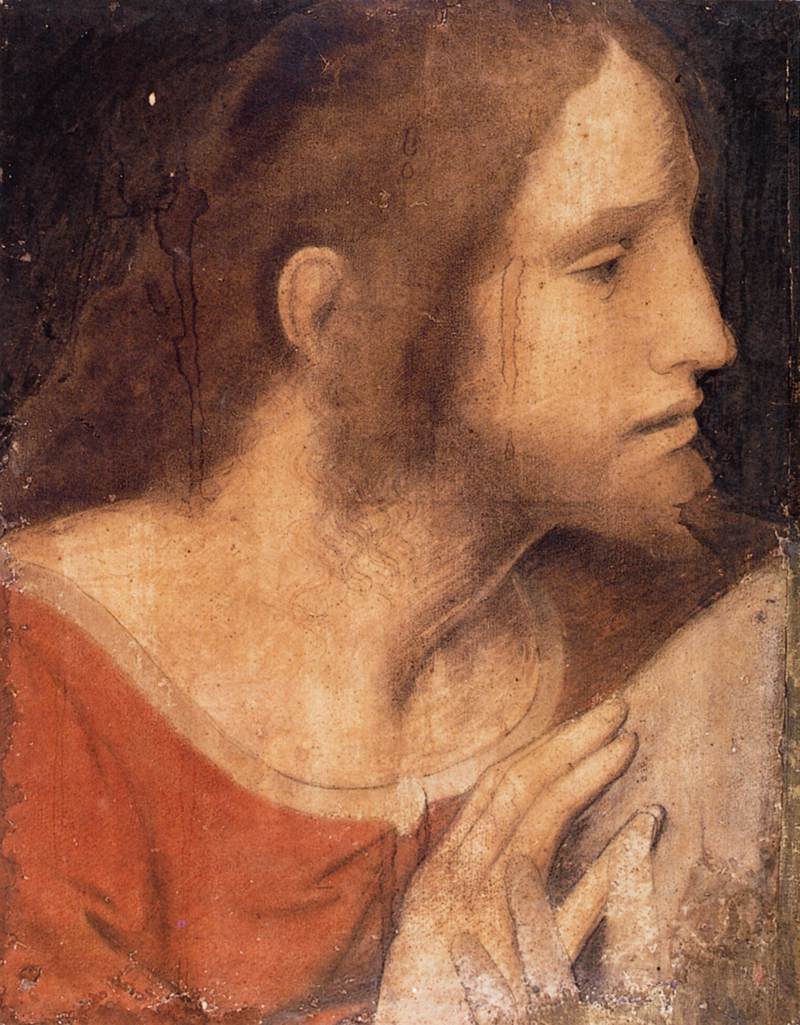
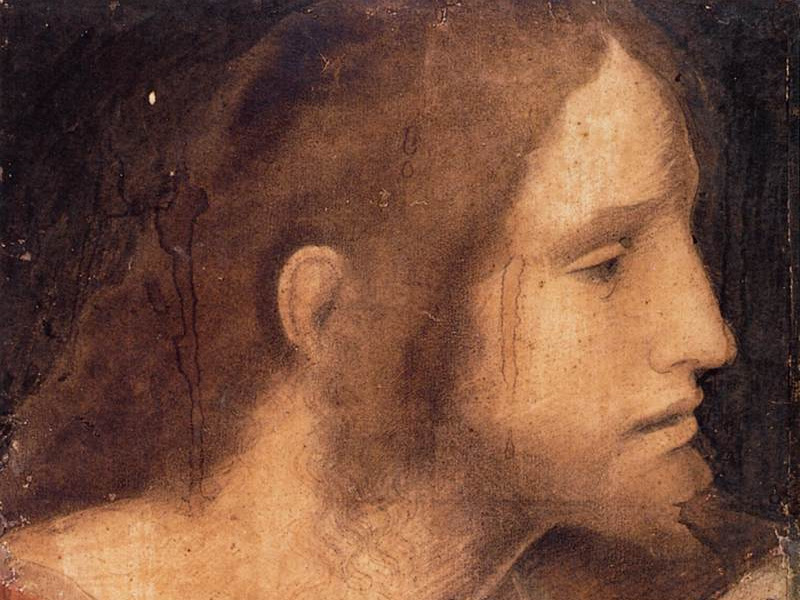
Leonardo da Vinci | Escusazione dello Scultore

Trattato della Pittura
Parte prima | Capitolo 37


Dice lo scultore, che s'esso leva piú marmo che non deve, non può ricorreggere il suo errore, come fa il pittore; al quale si risponde, che chi leva piú che non deve non è maestro, perché maestro si dimanda quello che ha vera scienza della sua operazione.
Risponde lo scultore, che lavorando il marmo si scopre una rottura, che ne fu causa essa e non il maestro di tale errore; rispondesi tale scultore essere in questo caso come il pittore a cui si rompe ed offende la tavola donde egli dipinge.


Read More

Leonardo da Vinci | Escusazione dello Scultore

Trattato della Pittura
Parte prima | Capitolo 37


Dice lo scultore, che s'esso leva piú marmo che non deve, non può ricorreggere il suo errore, come fa il pittore; al quale si risponde, che chi leva piú che non deve non è maestro, perché maestro si dimanda quello che ha vera scienza della sua operazione.
Risponde lo scultore, che lavorando il marmo si scopre una rottura, che ne fu causa essa e non il maestro di tale errore; rispondesi tale scultore essere in questo caso come il pittore a cui si rompe ed offende la tavola donde egli dipinge.


Edgar Degas | Landscapes

Edgar Degas | Landscapes

Edgar Degas (1834-1917) was a French artist famous for his paintings, sculptures, prints and drawings.
For biographical notes -in english and italian- and other works by Degas see Edgar Degas | Realist/Impressionist painter and sculptor.

Other from Edgar Degas:


Read More

Edgar Degas | Landscapes

Edgar Degas (1834-1917) was a French artist famous for his paintings, sculptures, prints and drawings.
For biographical notes -in english and italian- and other works by Degas see Edgar Degas | Realist/Impressionist painter and sculptor.

Other from Edgar Degas:


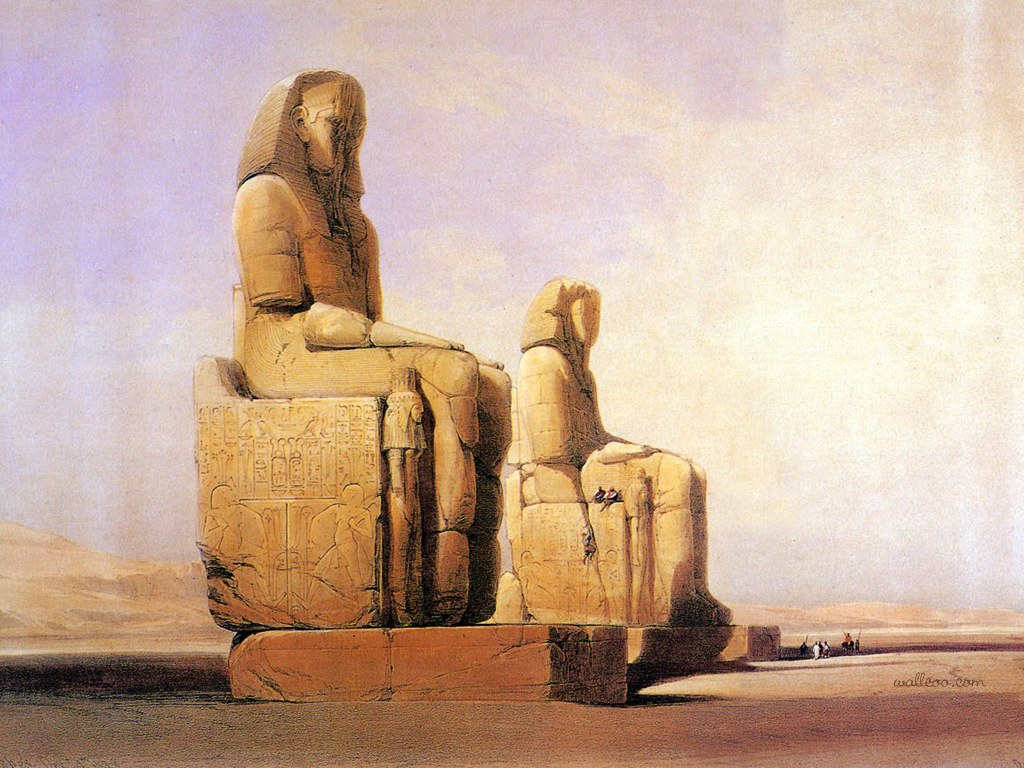
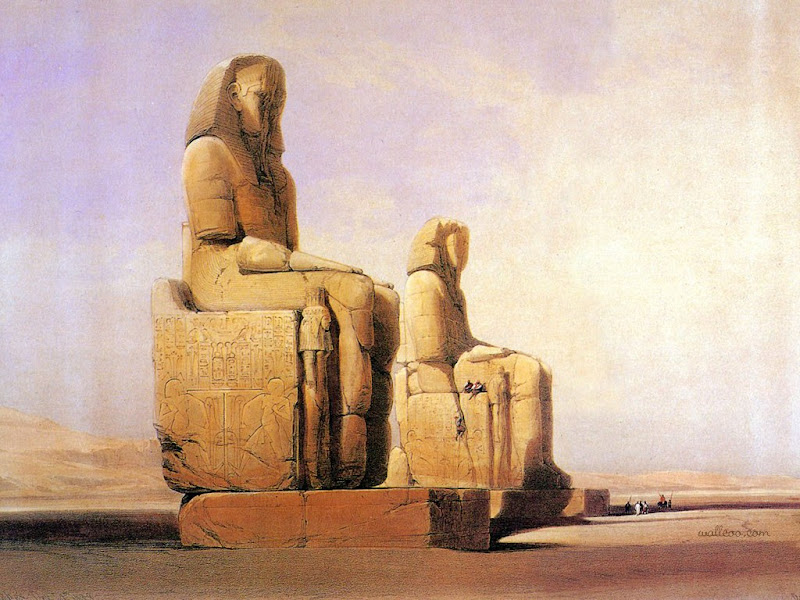
David Roberts RA | Romantic Orientalist painter

David Roberts RA | Romantic Orientalist painter

Artist David Roberts and Near Eastern Archaeology

by Dr. Patrick Hunt


Scottish artist David Roberts (1796-1864) was instrumental in helping to stimulate a growing fascination with the Near East by Europeans, especially within British society where biblical accounts of the rise and fall of empires were familiar, as much intellectual fare as anything else and staple bread and butter for religious imagination. The Romantic Movement’s eschewing of Enlightenment ideals turned instead to exotic themes and ruins, also replacing Neoclassicism with Orientalism.


Read More

David Roberts RA | Romantic Orientalist painter

Artist David Roberts and Near Eastern Archaeology

by Dr. Patrick Hunt


Scottish artist David Roberts (1796-1864) was instrumental in helping to stimulate a growing fascination with the Near East by Europeans, especially within British society where biblical accounts of the rise and fall of empires were familiar, as much intellectual fare as anything else and staple bread and butter for religious imagination. The Romantic Movement’s eschewing of Enlightenment ideals turned instead to exotic themes and ruins, also replacing Neoclassicism with Orientalism.


Giorgione | Judith, 1504

Giorgione | Judith, 1504

Giorgione's work largely determined the development of 16th-century Venetian painting.
There are but a few generally accepted, non-controversial works from his hand and one of these is the Hermitage's Judith.
This biblical heroine, who saved her native city of Bethulia from attack by the Assyrians, was extremely popular during the Renaissance. Despite the historical subject, the painting is in fact what is known as a poesie, a type of work created by Giorgione himself and soon widespread in early 16th-century Venetian painting.


Read More

Giorgione | Judith, 1504

Giorgione's work largely determined the development of 16th-century Venetian painting.
There are but a few generally accepted, non-controversial works from his hand and one of these is the Hermitage's Judith.
This biblical heroine, who saved her native city of Bethulia from attack by the Assyrians, was extremely popular during the Renaissance. Despite the historical subject, the painting is in fact what is known as a poesie, a type of work created by Giorgione himself and soon widespread in early 16th-century Venetian painting.


Jinnie May | Abstract Watercolour painter

Jinnie May | Abstract Watercolour painter

Jinnie May has always had an appreciation for art, but it wasn’t until she retired in 2000 that she began to seriously pursue art. Currently Jinnie is interested in the use of watercolor for its spontaneity, portability and indecisiveness. Her initial inspiration comes from studying California Watercolor artists from the 1940’s and 50’s, who painted genre paintings on large paper using big brushes and bold colors.


Read More

Jinnie May | Abstract Watercolour painter

Jinnie May has always had an appreciation for art, but it wasn’t until she retired in 2000 that she began to seriously pursue art. Currently Jinnie is interested in the use of watercolor for its spontaneity, portability and indecisiveness. Her initial inspiration comes from studying California Watercolor artists from the 1940’s and 50’s, who painted genre paintings on large paper using big brushes and bold colors.