Il simbolismo poetico di Arunas Rutkus, 1961

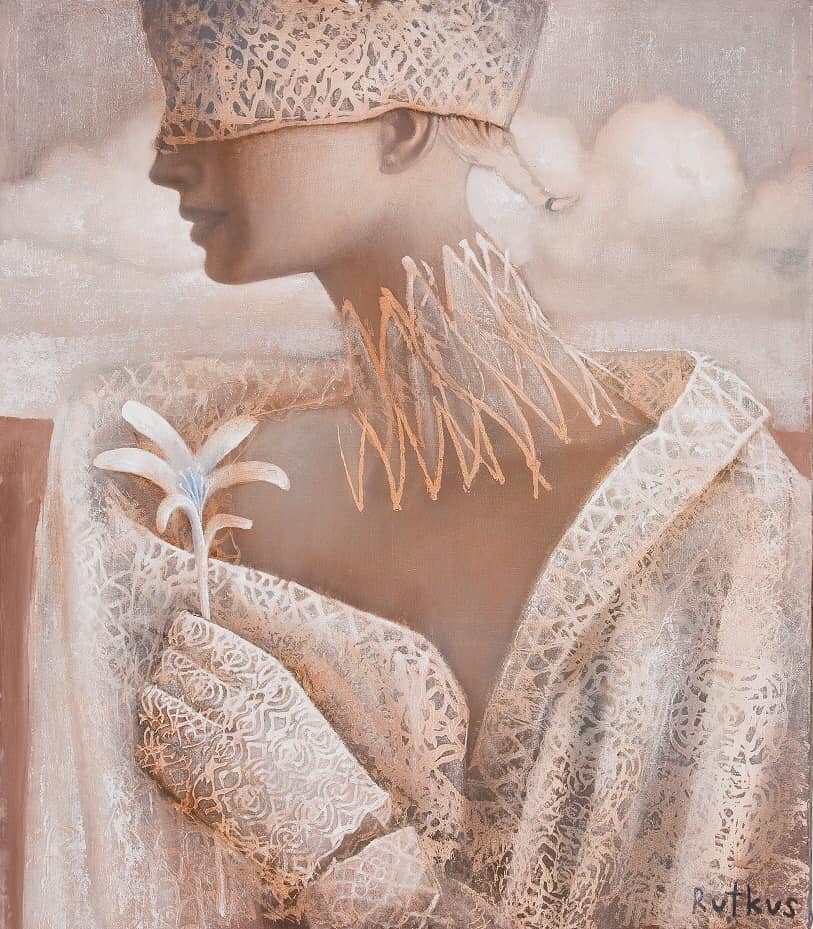
Il simbolismo poetico di Arunas Rutkus, 1961

Arunas Rutkus (nato a Vilnius, Lituania) è uno di quei rari artisti che, avvertendo il ritmo della globalizzazione, si sono uniti alla scena artistica globale con grande fiducia.
Nel 1987, nell'ambito della gara individuale dell'Unione degli Artisti, ha partecipato al Simposio di arte monumentale sotto la direzione di A. Karnaukhov a Mosca.
L'artista ha esposto le sue opere in più di 50 mostre personali e collettive in tutto il mondo, e le sue opere possono essere trovate in musei, gallerie e collezioni private negli Stati Uniti, Qatar, Monaco, Francia, Emirati Arabi Uniti, Cina, Russia, Regno Unito, Italia, Olanda, Belgio, Austria, Danimarca, Germania, Svezia, Estonia, Ungheria, Spagna, Israele, Nuova Zelanda, Lituania.

Read More

Il simbolismo poetico di Arunas Rutkus, 1961

Arunas Rutkus (nato a Vilnius, Lituania) è uno di quei rari artisti che, avvertendo il ritmo della globalizzazione, si sono uniti alla scena artistica globale con grande fiducia.
Nel 1987, nell'ambito della gara individuale dell'Unione degli Artisti, ha partecipato al Simposio di arte monumentale sotto la direzione di A. Karnaukhov a Mosca.
L'artista ha esposto le sue opere in più di 50 mostre personali e collettive in tutto il mondo, e le sue opere possono essere trovate in musei, gallerie e collezioni private negli Stati Uniti, Qatar, Monaco, Francia, Emirati Arabi Uniti, Cina, Russia, Regno Unito, Italia, Olanda, Belgio, Austria, Danimarca, Germania, Svezia, Estonia, Ungheria, Spagna, Israele, Nuova Zelanda, Lituania.

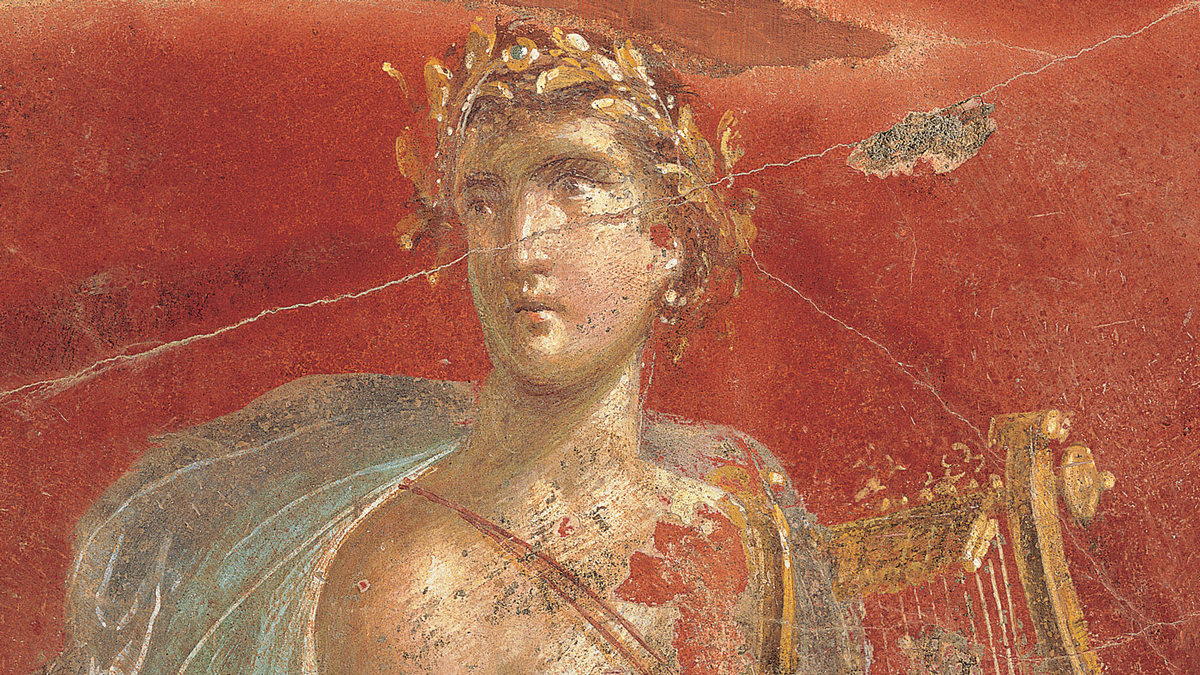
The Muses frescoes at the Pompeii’s Moregine

The Muses frescoes at the Pompeii’s Moregine

Pompei - Affreschi di Moregine(primo triclinio) | Erato (detail)

Pompeii’s Moregine frescoes, which were unearthed inside a Roman villa discovered in 1959 during construction works for the Naples-Salerno highway, are on display inside the newly-restored Large Gymnasium.
The Moregine architectural complex is located outside the walls of Pompeii, approximately 600 meters South of the Stabian Gate.
The ancient villa was discovered at the mouth of the river Sarno and of its ancient trading post: a porticoed courtyard fronted by at least five frescoed triclinia, or formal dining rooms, and thermal baths under construction.

Read More

The Muses frescoes at the Pompeii’s Moregine

Pompei - Affreschi di Moregine(primo triclinio) | Erato (detail)

Pompeii’s Moregine frescoes, which were unearthed inside a Roman villa discovered in 1959 during construction works for the Naples-Salerno highway, are on display inside the newly-restored Large Gymnasium.
The Moregine architectural complex is located outside the walls of Pompeii, approximately 600 meters South of the Stabian Gate.
The ancient villa was discovered at the mouth of the river Sarno and of its ancient trading post: a porticoed courtyard fronted by at least five frescoed triclinia, or formal dining rooms, and thermal baths under construction.

Louis Valtat | Still life of flowers

Louis Valtat | Still life of flowers


Louis Valtat was a French painter and printmaker, associated with the Fauves, who exhibited at the first Salon des Indépendants of 1884.
He is noted as a key figure in the stylistic transition in painting from Monet to Matisse.
Louis Valtat was born in Normandy in 1869, he is the son of the famous painter François Victor Valtat.
Two years later, Louis Valtat entered the School of Fine Arts and attended courses at the Julian Academy, where he met the Nabis group, including Edouard Vuillard.

Read More

Louis Valtat | Still life of flowers


Louis Valtat was a French painter and printmaker, associated with the Fauves, who exhibited at the first Salon des Indépendants of 1884.
He is noted as a key figure in the stylistic transition in painting from Monet to Matisse.
Louis Valtat was born in Normandy in 1869, he is the son of the famous painter François Victor Valtat.
Two years later, Louis Valtat entered the School of Fine Arts and attended courses at the Julian Academy, where he met the Nabis group, including Edouard Vuillard.

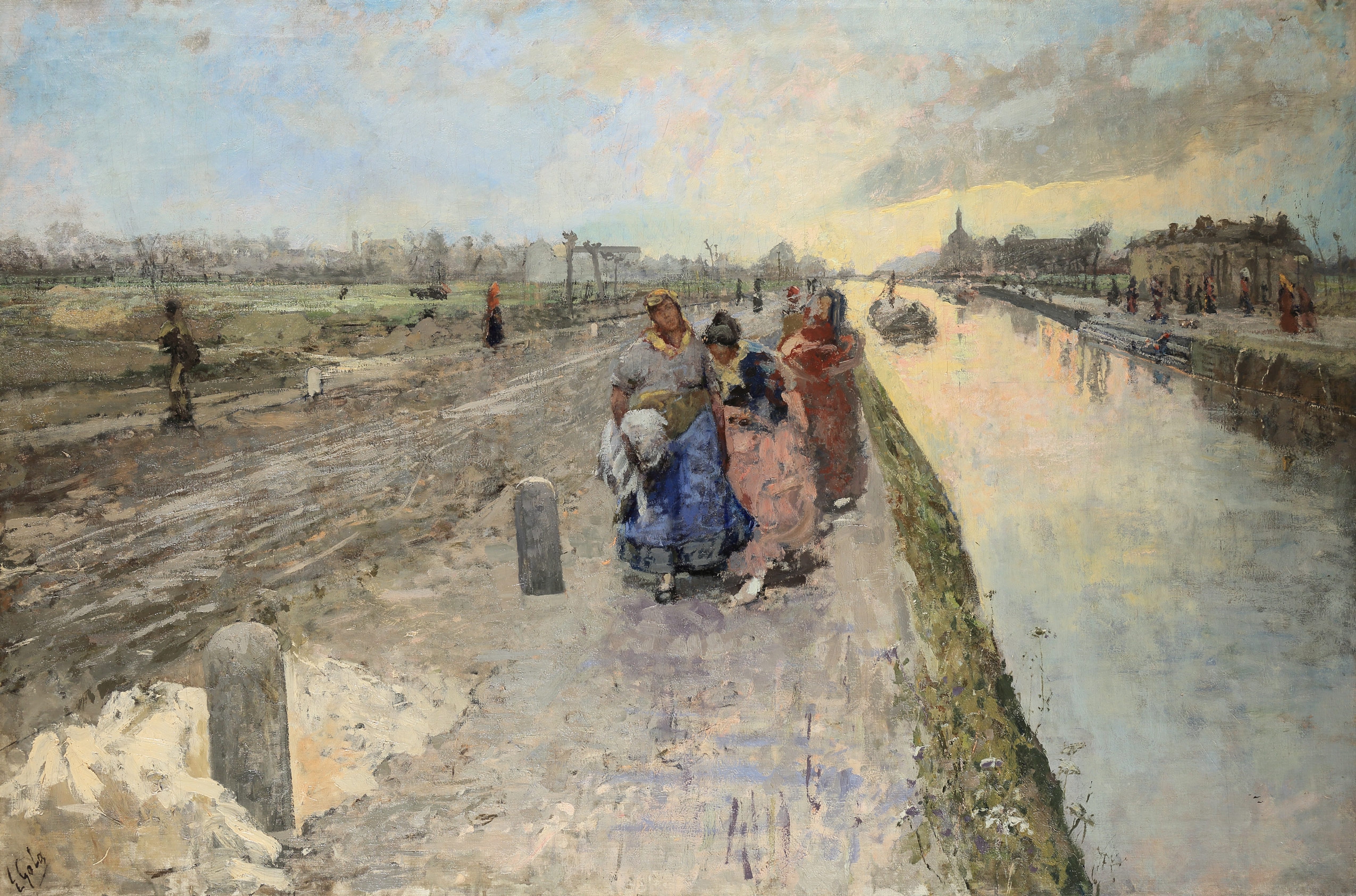
Emilio Gola (1851-1923) | Genre painter

Emilio Gola (1851-1923) | Genre painter


Emilio Gola was an Italian painter.
Born in Milan into a noble family, Emilio (Conte) Gola was encouraged to develop his interest in art in his adolescence by his father, a dilettante painter.
He graduated in industrial engineering from the Milan Polytechnic in 1873 and devoted himself to painting under the guidance of Sebastiano De Albertis. His training also involved frequent trips to Paris and the Netherlands.

Read More

Emilio Gola (1851-1923) | Genre painter


Emilio Gola was an Italian painter.
Born in Milan into a noble family, Emilio (Conte) Gola was encouraged to develop his interest in art in his adolescence by his father, a dilettante painter.
He graduated in industrial engineering from the Milan Polytechnic in 1873 and devoted himself to painting under the guidance of Sebastiano De Albertis. His training also involved frequent trips to Paris and the Netherlands.

Max Ernst | Dada / Surrealist painter

Max Ernst | Dada / Surrealist painter

Max Ernst, in full Maximilian Maria Ernst (born April 2, 1891, Brühl, Germany - died April 1, 1976, Paris, France), German painter and sculptor who was one of the leading advocates of irrationality in art and an originator of the Automatism movement of Surrealism.
He became a naturalized citizen of both the United States, 1948 and France, 1958.
Ernst’s early interests were psychiatry and philosophy, but he abandoned his studies at the University of Bonn for painting.


Read More

Max Ernst | Dada / Surrealist painter

Max Ernst, in full Maximilian Maria Ernst (born April 2, 1891, Brühl, Germany - died April 1, 1976, Paris, France), German painter and sculptor who was one of the leading advocates of irrationality in art and an originator of the Automatism movement of Surrealism.
He became a naturalized citizen of both the United States, 1948 and France, 1958.
Ernst’s early interests were psychiatry and philosophy, but he abandoned his studies at the University of Bonn for painting.


Cesare-Auguste Detti (1847-1914)

Cesare-Auguste Detti (1847-1914)

Cesare Agostino Detti, o Cesare-Auguste Detti è stato un pittore Italiano, noto soprattutto per le sue scene di genere storico, in gran parte del XVII e XVIII secolo, ispirate allo stile del Trovatore.
Nato a Spoleto nel 1847, Cesare Augusto Detti si trasferisce a Roma nel 1862 e segue all’Accademia di San Luca le lezioni di Francesco Podesti e Francesco Coghetti (che Detti poteva avere conosciuto anche a Spoleto in occasione della realizzazione del sipario del teatro).


Read More

Cesare-Auguste Detti (1847-1914)

Cesare Agostino Detti, o Cesare-Auguste Detti è stato un pittore Italiano, noto soprattutto per le sue scene di genere storico, in gran parte del XVII e XVIII secolo, ispirate allo stile del Trovatore.
Nato a Spoleto nel 1847, Cesare Augusto Detti si trasferisce a Roma nel 1862 e segue all’Accademia di San Luca le lezioni di Francesco Podesti e Francesco Coghetti (che Detti poteva avere conosciuto anche a Spoleto in occasione della realizzazione del sipario del teatro).


Edmond Rostand | A kiss, when all is said,  what is it? / Un bacio, dopo tutto cos’è?

Edmond Rostand | A kiss, when all is said, what is it? / Un bacio, dopo tutto cos’è?


"Cyrano de Bergerac" is a play written in 1897 by Edmond Rostand. There was a real Cyrano de Bergerac, and the play is a fictionalisation following the broad outlines of his life.
The entire play is written in verse, in rhyming couplets of twelve syllables per line, very close to the classical alexandrine form, but the verses sometimes lack a caesura. It is also meticulously researched, down to the names of the members of the Académie française and the dames précieuses glimpsed before the performance in the first scene.

Read More

Edmond Rostand | A kiss, when all is said, what is it? / Un bacio, dopo tutto cos’è?


"Cyrano de Bergerac" is a play written in 1897 by Edmond Rostand. There was a real Cyrano de Bergerac, and the play is a fictionalisation following the broad outlines of his life.
The entire play is written in verse, in rhyming couplets of twelve syllables per line, very close to the classical alexandrine form, but the verses sometimes lack a caesura. It is also meticulously researched, down to the names of the members of the Académie française and the dames précieuses glimpsed before the performance in the first scene.

Olga and Sergey Kamennoy

Olga and Sergey Kamennoy


Sergey ed Olga sono la coppia di artisti che lavorano insieme sotto lo pseudonimo di "KAMU Sergey and Olga" per più di 15 anni.
- Sergey Kamennoy / Сергей Каменной è nato nel 1959 a Kharkov, Ucraina.
Ha studiato alla scuola d'arte, frequentando l'Accademia di Belle Arti di Kharkov dal 1978-1983.
E' membro dell'Unione degli Artisti di Ucraina dal 1988.
Durante gli studi si rese conto che era daltonico, anche se lui eccelso in disegno e incisione.
Ha costruito una carriera di successo nella stesura.

Read More

Olga and Sergey Kamennoy


Sergey ed Olga sono la coppia di artisti che lavorano insieme sotto lo pseudonimo di "KAMU Sergey and Olga" per più di 15 anni.
- Sergey Kamennoy / Сергей Каменной è nato nel 1959 a Kharkov, Ucraina.
Ha studiato alla scuola d'arte, frequentando l'Accademia di Belle Arti di Kharkov dal 1978-1983.
E' membro dell'Unione degli Artisti di Ucraina dal 1988.
Durante gli studi si rese conto che era daltonico, anche se lui eccelso in disegno e incisione.
Ha costruito una carriera di successo nella stesura.

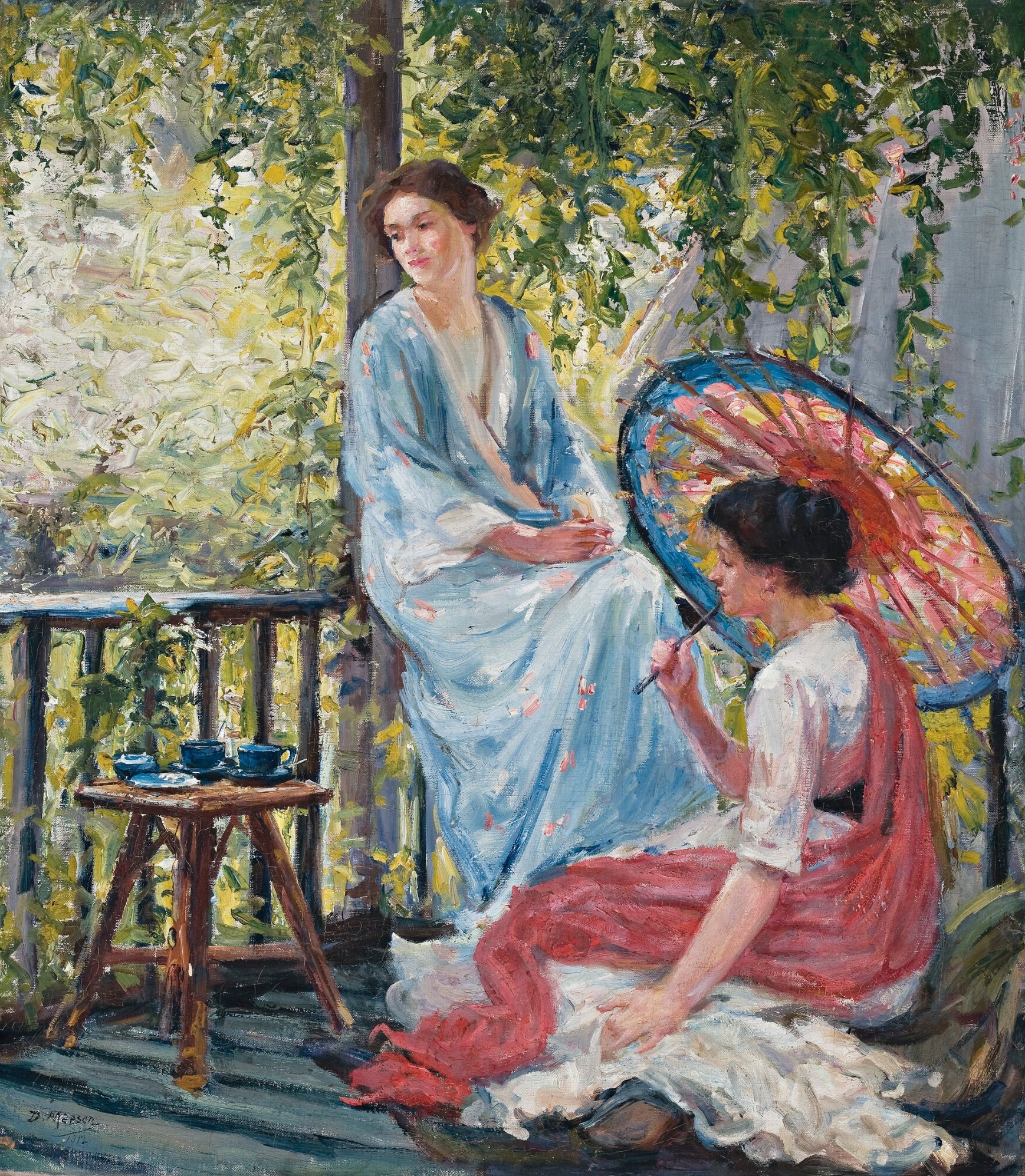
Dora Meeson (1869-1955)

Dora Meeson (1869-1955)

Dora Meeson was an Australian artist and an elected member of the Royal Institute of Oil Painters in London, England.
She was a member of the British Artists' Suffrage League.
Although born in Melbourne, Dora Meeson moved with her family to London as a child, and commenced her art studies at the Slade School.
In 1895 she returned to the antipodes and spent two years at Melbourne's National Gallery School, where she met her future husband, George Coates, before returning again to Europe just as Coates won the Travelling Scholarship.


Read More

Dora Meeson (1869-1955)

Dora Meeson was an Australian artist and an elected member of the Royal Institute of Oil Painters in London, England.
She was a member of the British Artists' Suffrage League.
Although born in Melbourne, Dora Meeson moved with her family to London as a child, and commenced her art studies at the Slade School.
In 1895 she returned to the antipodes and spent two years at Melbourne's National Gallery School, where she met her future husband, George Coates, before returning again to Europe just as Coates won the Travelling Scholarship.