Barbara Flowers | En plein air /Figurative painter

Barbara Flowers | En plein air /Figurative painter
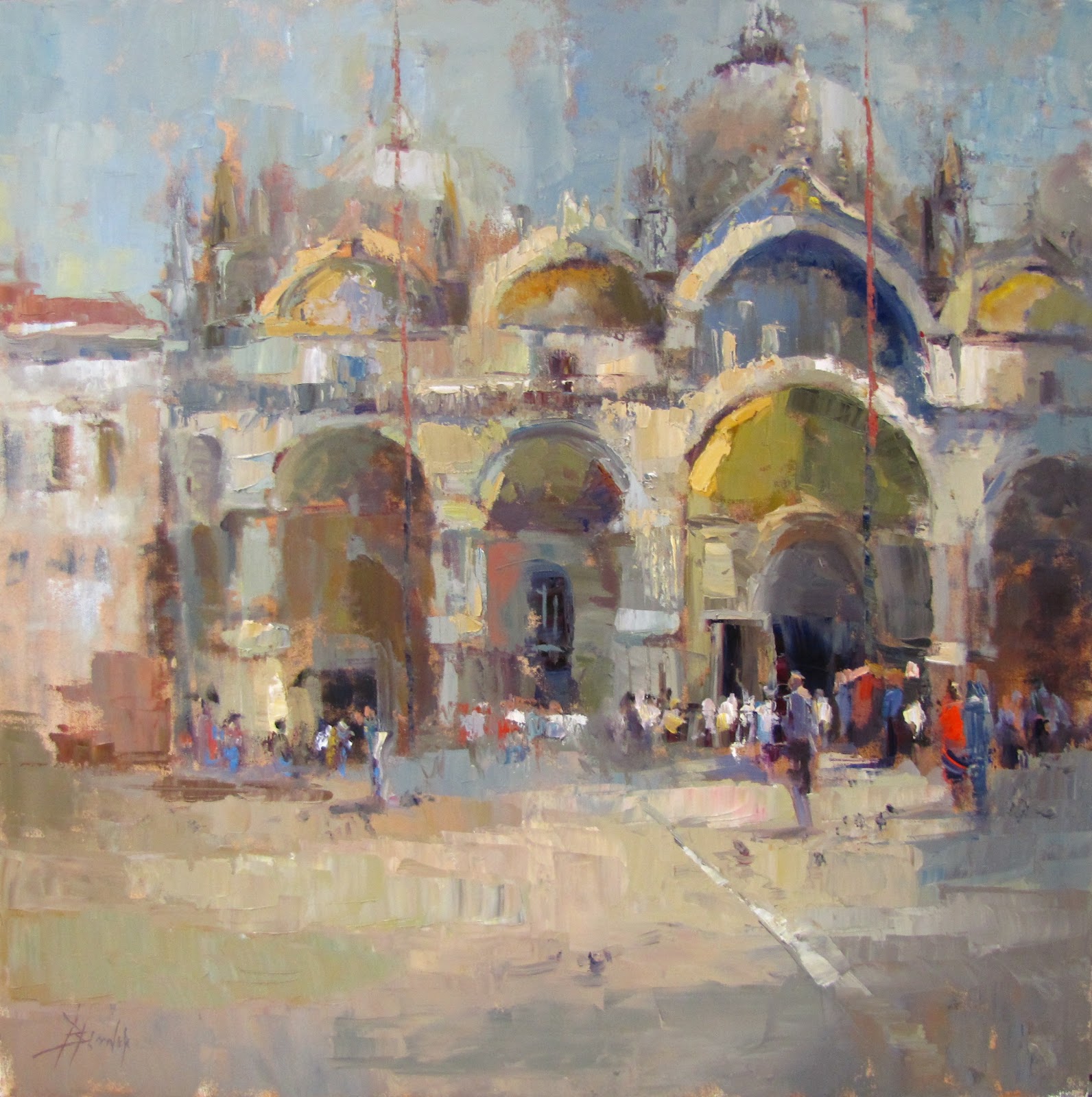

Barbara Flowers is an international artist who lived most of her life in a small village near the Rhine Valley in Germany. A deep desire to create art began at a young age. Barbara’s parents encouraged her artistic growth with private art lessons and visits to Europe’s museums to see the collections of masterpieces.
She was educated in foreign languages and had a successful career as a foreign language correspondent.
Ultimately, Barbara’s passion to create art became so strong that she closed the door on her career and opened a new door to the world of art. She has never regretted making that decision. Every day Barbara looks forward to creating art that will convey the same sense of beauty to the viewer that inspired the artist.

Read More

Barbara Flowers | En plein air /Figurative painter


Barbara Flowers is an international artist who lived most of her life in a small village near the Rhine Valley in Germany. A deep desire to create art began at a young age. Barbara’s parents encouraged her artistic growth with private art lessons and visits to Europe’s museums to see the collections of masterpieces.
She was educated in foreign languages and had a successful career as a foreign language correspondent.
Ultimately, Barbara’s passion to create art became so strong that she closed the door on her career and opened a new door to the world of art. She has never regretted making that decision. Every day Barbara looks forward to creating art that will convey the same sense of beauty to the viewer that inspired the artist.

Eyvind Earle | Conceptual Illustrator

Eyvind Earle | Conceptual Illustrator


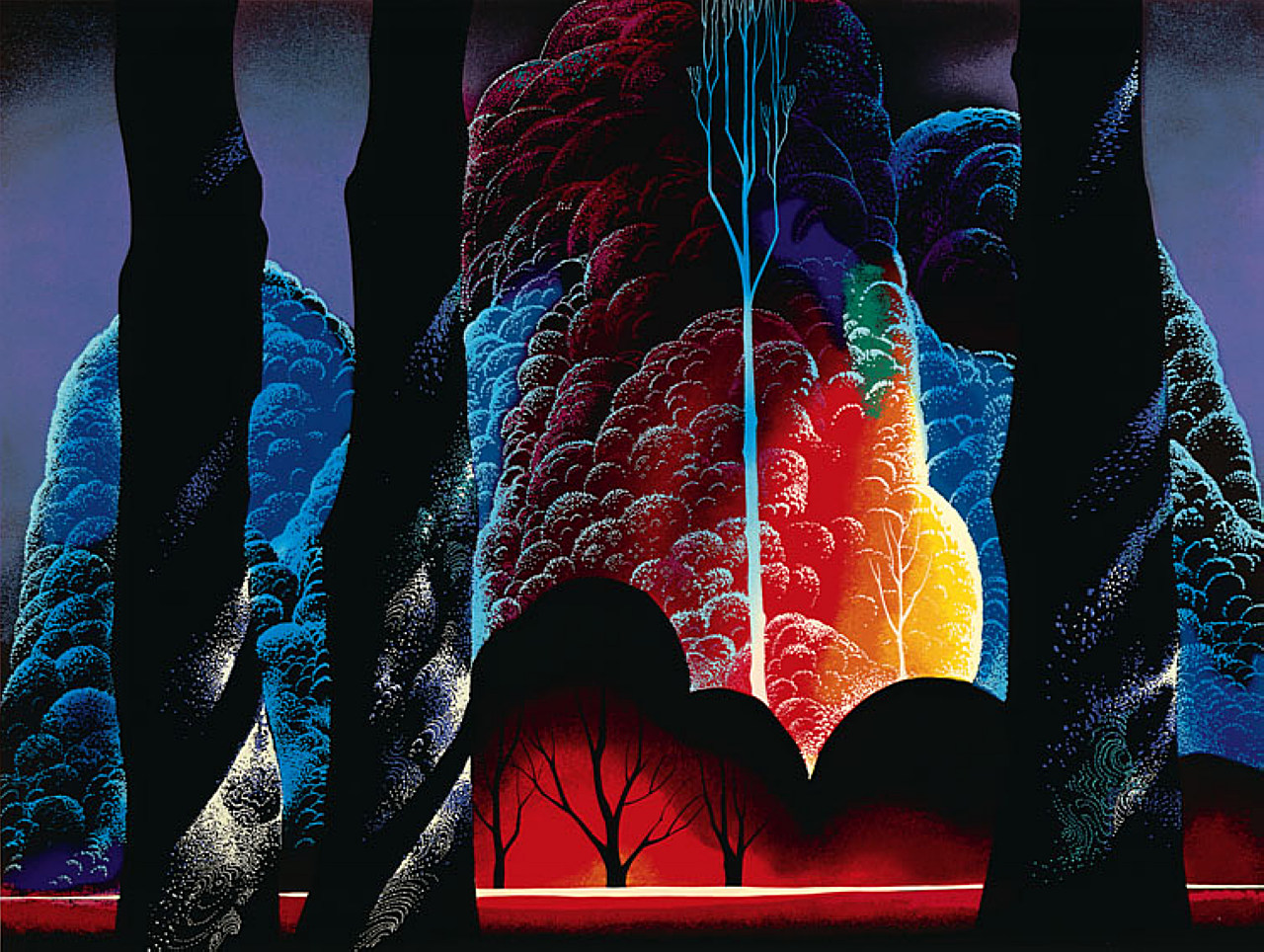
Born in New York in 1916, Eyvind Earle began his prolific career at the age of ten when his father, Ferdinand Earle, gave him a challenging choice: read 50 pages of a book or paint a picture every day. Earle choose both.
From the time of his first one-man showing in France when he was 14, Earle’s fame had grown steadily.
At the age of 21, Earle bicycled across country from Hollywood to New York, paying his way by painting 42 watercolors. In 1937, he opened at the Charles Morgan Galleries, his first of many one-man shows in New York.

Read More

Eyvind Earle | Conceptual Illustrator


Born in New York in 1916, Eyvind Earle began his prolific career at the age of ten when his father, Ferdinand Earle, gave him a challenging choice: read 50 pages of a book or paint a picture every day. Earle choose both.
From the time of his first one-man showing in France when he was 14, Earle’s fame had grown steadily.
At the age of 21, Earle bicycled across country from Hollywood to New York, paying his way by painting 42 watercolors. In 1937, he opened at the Charles Morgan Galleries, his first of many one-man shows in New York.

Nishant Dange, 1982 | Abstract painter

Nishant Dange, 1982 | Abstract painter

Born in Nagpur, Maharashtra-India, Nishant Dange earned a BFA at Government Chitrakala Mahavidyalaya, Nagpur, in 2004.
Group Shows - Numerous group shows in India at, among others, the Nehru Centre, Mumbai, and Shridharani Art Gallery, New Delhi, and abroad including Singapore (2012), and Dubai, United Arab Emirates (2011).
Solo Shows - 2005/2010: Four solo shows in Mumbai and Bangalore.


Read More

Nishant Dange, 1982 | Abstract painter

Born in Nagpur, Maharashtra-India, Nishant Dange earned a BFA at Government Chitrakala Mahavidyalaya, Nagpur, in 2004.
Group Shows - Numerous group shows in India at, among others, the Nehru Centre, Mumbai, and Shridharani Art Gallery, New Delhi, and abroad including Singapore (2012), and Dubai, United Arab Emirates (2011).
Solo Shows - 2005/2010: Four solo shows in Mumbai and Bangalore.


Zdzisław Beksiński | Surreal architecture painter

Zdzisław Beksiński | Surreal architecture painter

Zdzisław Beksiński (24 February 1929 - 21 February 2005) was a Polish painter, photographer and sculptor, specializing in the field of dystopian surrealism.
Beksiński did his paintings and drawings in what he called either a 'Baroque' or a 'Gothic' manner. His creations were made mainly in two periods. The first period of work is generally considered to contain expressionistic color, with a strong style of "utopian realism" and surreal architecture, like a doomsday scenario. The second period contained more abstract style, with the main features of formalism.


Read More

Zdzisław Beksiński | Surreal architecture painter

Zdzisław Beksiński (24 February 1929 - 21 February 2005) was a Polish painter, photographer and sculptor, specializing in the field of dystopian surrealism.
Beksiński did his paintings and drawings in what he called either a 'Baroque' or a 'Gothic' manner. His creations were made mainly in two periods. The first period of work is generally considered to contain expressionistic color, with a strong style of "utopian realism" and surreal architecture, like a doomsday scenario. The second period contained more abstract style, with the main features of formalism.


Bernie Fuchs | Abstract Figurative painter and illustrator

Bernie Fuchs | Abstract Figurative painter and illustrator


Saturday, September 19, 2009
Bernie Fuchs, 76, Dies; Illustrator Defined Mid-Century Era
By Adam Bernstein © The Washington Post

Bernie Fuchs, 76, an illustrator whose influential work for magazines ranging from Cosmopolitan to Sports Illustrated seamlessly blended qualities of traditional narrative with hints of abstract composition, died of esophageal cancer Sept. 17 at a care facility in Fairfield, Conn. He lived in nearby Westport.
Mr. Fuchs was adept at balancing art and commerce. He met the needs of mass-circulation magazines accustomed to Norman Rockwell-style realism, but he injected a fresh vitality and impressionism that became hugely popular and transformed the illustration field. He even experimented with bold designs based on the abstract expressionism movement popularized by painters Jackson Pollock and Willem de Kooning.

Read More

Bernie Fuchs | Abstract Figurative painter and illustrator


Saturday, September 19, 2009
Bernie Fuchs, 76, Dies; Illustrator Defined Mid-Century Era
By Adam Bernstein © The Washington Post

Bernie Fuchs, 76, an illustrator whose influential work for magazines ranging from Cosmopolitan to Sports Illustrated seamlessly blended qualities of traditional narrative with hints of abstract composition, died of esophageal cancer Sept. 17 at a care facility in Fairfield, Conn. He lived in nearby Westport.
Mr. Fuchs was adept at balancing art and commerce. He met the needs of mass-circulation magazines accustomed to Norman Rockwell-style realism, but he injected a fresh vitality and impressionism that became hugely popular and transformed the illustration field. He even experimented with bold designs based on the abstract expressionism movement popularized by painters Jackson Pollock and Willem de Kooning.

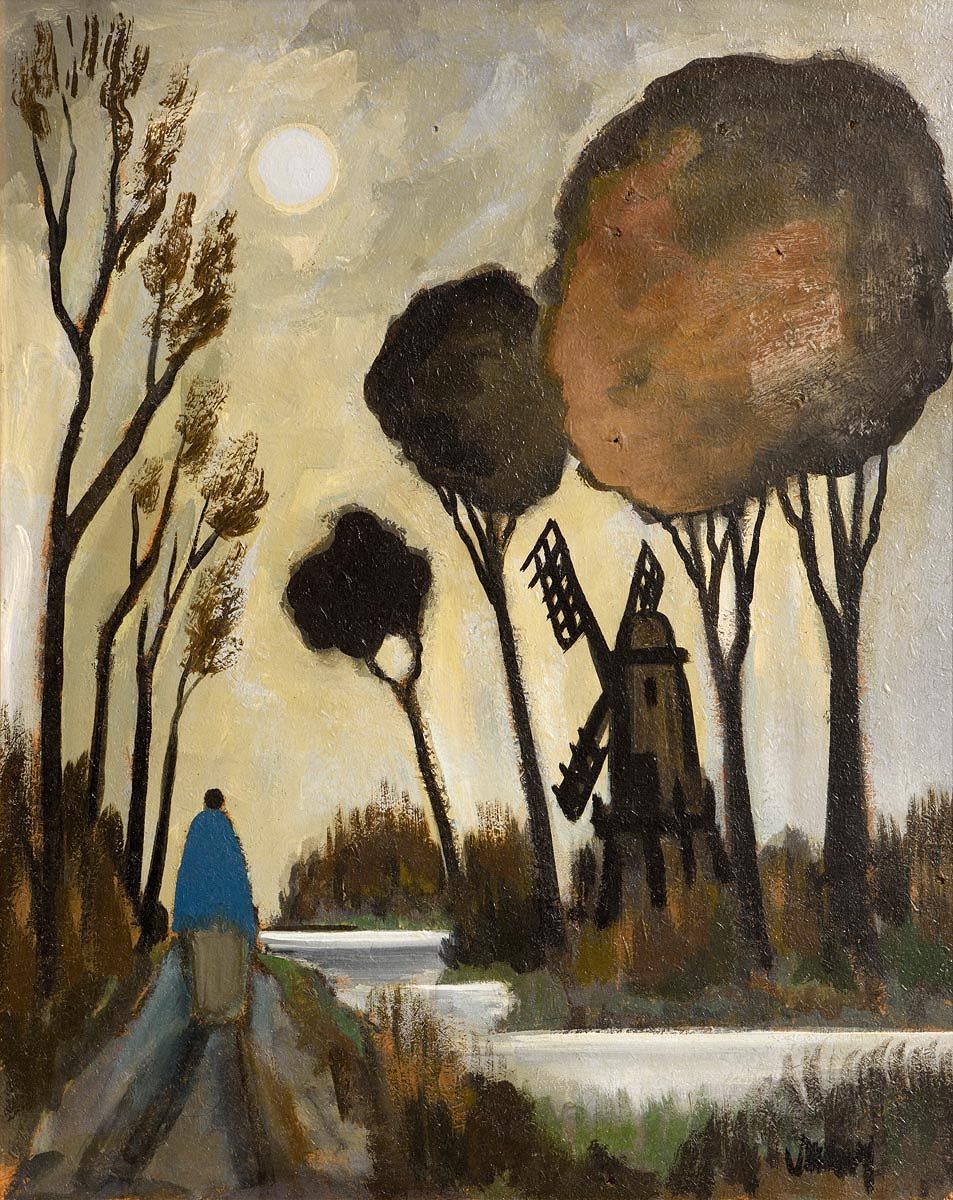
Markey Robinson | Expressionist /Primitive Naif painter

Markey Robinson | Expressionist /Primitive Naif painter


David Marcus Robinson, known as Markey Robinson (February 7, 1918 - January 28, 1999 (aged 80)), was an Irish painter and sculptor with a primitive representational style. His main passion was painting, but he also produced sculptures and designed some stained glass panels.
Robinson was born in Belfast, Northern Ireland, the son of a house painter. He trained at the Belfast College of Art. He took part in boxing matches, under the name "Boyo Marko", and later worked as a merchant seaman. Robinson's first exhibitions were in Belfast during World War II. He became better known through over 20 exhibitions of his work at the Oriel Gallery in Dublin, where he used the upstairs framing room as his studio.

Read More

Markey Robinson | Expressionist /Primitive Naif painter


David Marcus Robinson, known as Markey Robinson (February 7, 1918 - January 28, 1999 (aged 80)), was an Irish painter and sculptor with a primitive representational style. His main passion was painting, but he also produced sculptures and designed some stained glass panels.
Robinson was born in Belfast, Northern Ireland, the son of a house painter. He trained at the Belfast College of Art. He took part in boxing matches, under the name "Boyo Marko", and later worked as a merchant seaman. Robinson's first exhibitions were in Belfast during World War II. He became better known through over 20 exhibitions of his work at the Oriel Gallery in Dublin, where he used the upstairs framing room as his studio.

Eugene J. Paprocki, 1971 | Plein Air /Impressionist /Cityscape painter

Eugene J. Paprocki, 1971 | Plein Air /Impressionist /Cityscape painter


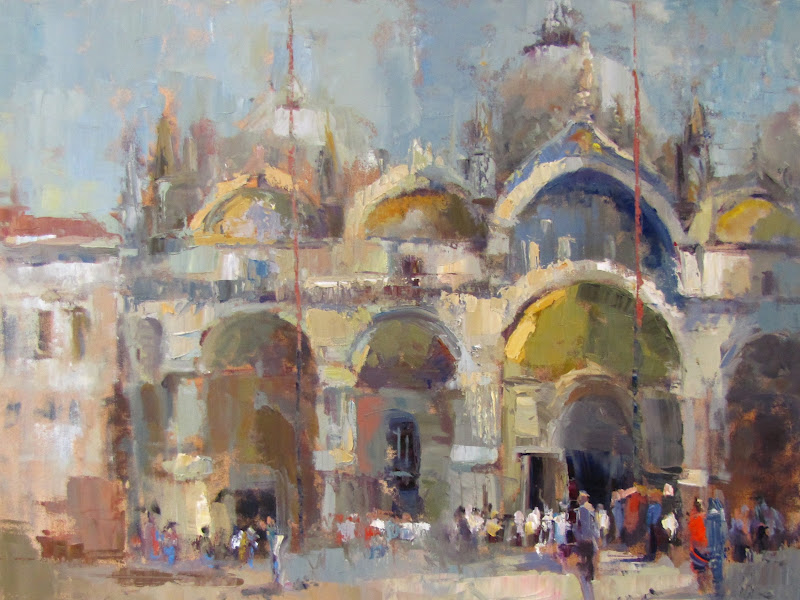
Eugene J. Paprocki, is an American painter, known for working in the Impressionist / En plein air style. Eugene J. Paprocki was born in Chicago, IL in 1971.
For biographical notes -in english and italian- and other works by Paprocki, see:
Read More

Eugene J. Paprocki, 1971 | Plein Air /Impressionist /Cityscape painter


Eugene J. Paprocki, is an American painter, known for working in the Impressionist / En plein air style. Eugene J. Paprocki was born in Chicago, IL in 1971.
For biographical notes -in english and italian- and other works by Paprocki, see:
Francisco Goya | The Marquise of Santa Cruz / La marchesa di Santa Cruz, 1805

Francisco Goya | The Marquise of Santa Cruz / La marchesa di Santa Cruz, 1805


Joaquina Téllez-Girón y Pimentel (1784-1851) was the daughter of the Duke and Duchess of Osuna and Marchioness of Santa Cruz by her marriage to José Gabriel de Silva y Walstein in 1801. A friend of poets and literati, she was one of the most admired women of her time.
Goya presents her wearing white crêpe and reposing on a canapé upholstered in red velvet. She is crowned with grape leaves and clusters. This headdress and the lire -shaped guitar identify her as Erato, the muse of Love Poetry- a clear reference to her love of poetry and music.

Read More

Francisco Goya | The Marquise of Santa Cruz / La marchesa di Santa Cruz, 1805


Joaquina Téllez-Girón y Pimentel (1784-1851) was the daughter of the Duke and Duchess of Osuna and Marchioness of Santa Cruz by her marriage to José Gabriel de Silva y Walstein in 1801. A friend of poets and literati, she was one of the most admired women of her time.
Goya presents her wearing white crêpe and reposing on a canapé upholstered in red velvet. She is crowned with grape leaves and clusters. This headdress and the lire -shaped guitar identify her as Erato, the muse of Love Poetry- a clear reference to her love of poetry and music.

Francisco Goya | The Disasters of War / I disastri della guerra, 1810-1820

Francisco Goya | The Disasters of War / I disastri della guerra, 1810-1820


The Disasters of War /Los desastres de la guerra / I disastri della guerra are a series of 82 prints created between 1810 and 1820 by the Spanish painter and printmaker Francisco Goya (1746-1828). Although Goya did not make known his intention when creating the plates, art historians view them as a visual protest against the violence of the 1808 Dos de Mayo Uprising, the subsequent Peninsular War of 1808-14 and the setbacks to the liberal cause following the restoration of the Bourbon monarchy in 1814. During the conflicts between Napoleon's French Empire and Spain, Goya retained his position as first court painter to the Spanish crown and continued to produce portraits of the Spanish and French rulers.

Read More

Francisco Goya | The Disasters of War / I disastri della guerra, 1810-1820


The Disasters of War /Los desastres de la guerra / I disastri della guerra are a series of 82 prints created between 1810 and 1820 by the Spanish painter and printmaker Francisco Goya (1746-1828). Although Goya did not make known his intention when creating the plates, art historians view them as a visual protest against the violence of the 1808 Dos de Mayo Uprising, the subsequent Peninsular War of 1808-14 and the setbacks to the liberal cause following the restoration of the Bourbon monarchy in 1814. During the conflicts between Napoleon's French Empire and Spain, Goya retained his position as first court painter to the Spanish crown and continued to produce portraits of the Spanish and French rulers.

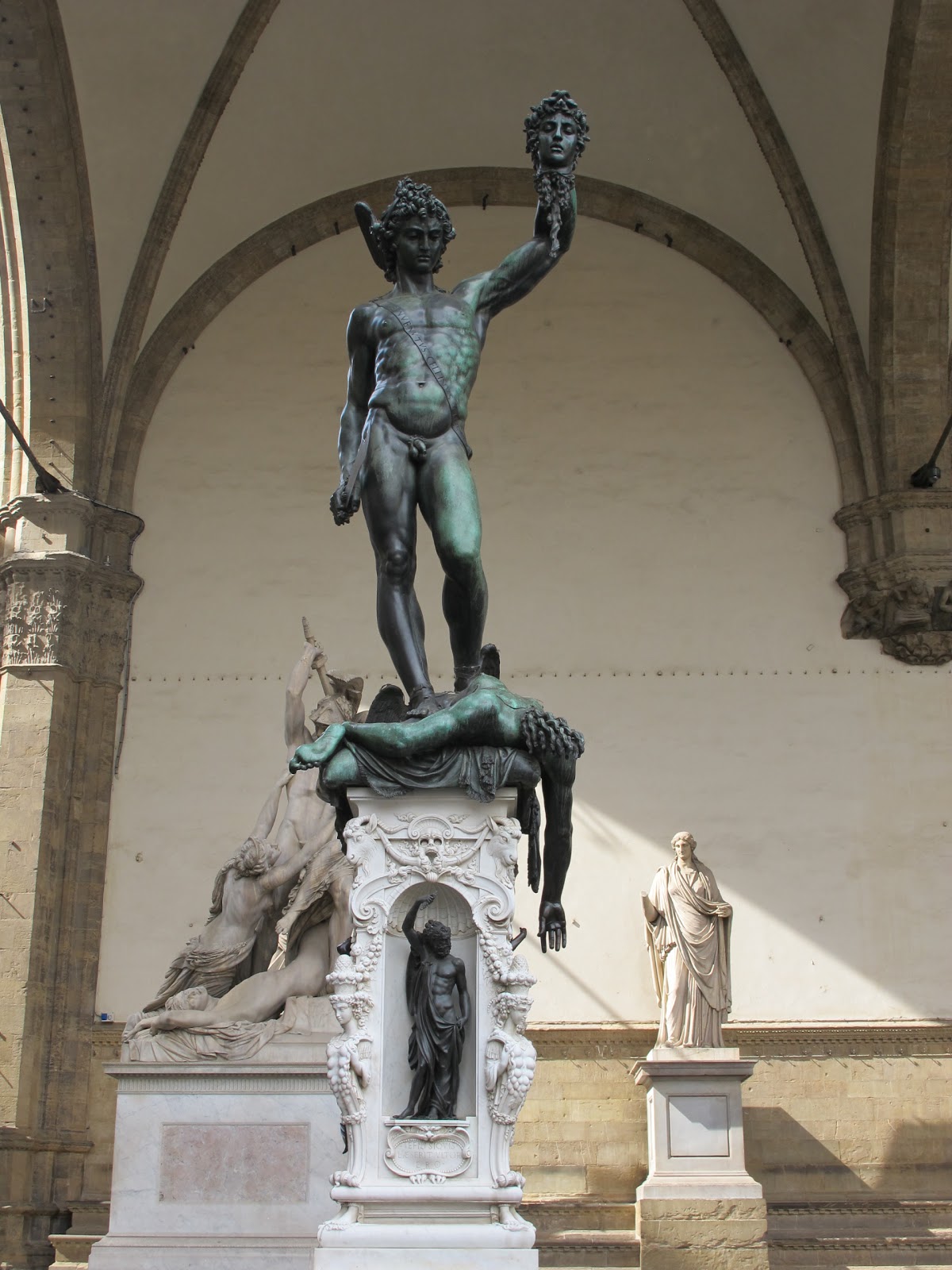
Benvenuto Cellini | Perseus with the Head of Medusa, 1554

Benvenuto Cellini | Perseus with the Head of Medusa, 1554

Perseus with the Head of Medusa is a bronze sculpture made by Benvenuto Cellini in 1545.
The sculpture stands upon on a square base with bronze relief panels depicting the story of Perseus and Andromeda, similar to a predella on an altarpiece. It is located in the Loggia dei Lanzi of the Piazza della Signoria in Florence, Italy.
The second Florentine duke, Duke Cosimo I de’ Medici, commissioned the work with specific political connections to the other sculptural works in the piazza. When the piece was revealed to the public on 27 April 1554, Michelangelo’s David, Bandinelli’s Hercules and Cacus, and Donatello’s Judith and Holofernes were already erected in the piazza.


Read More

Benvenuto Cellini | Perseus with the Head of Medusa, 1554

Perseus with the Head of Medusa is a bronze sculpture made by Benvenuto Cellini in 1545.
The sculpture stands upon on a square base with bronze relief panels depicting the story of Perseus and Andromeda, similar to a predella on an altarpiece. It is located in the Loggia dei Lanzi of the Piazza della Signoria in Florence, Italy.
The second Florentine duke, Duke Cosimo I de’ Medici, commissioned the work with specific political connections to the other sculptural works in the piazza. When the piece was revealed to the public on 27 April 1554, Michelangelo’s David, Bandinelli’s Hercules and Cacus, and Donatello’s Judith and Holofernes were already erected in the piazza.


Leonardo da Vinci | Comparazione della Pittura alla Scultura

Leonardo da Vinci | Comparazione della Pittura alla Scultura

Trattato della Pittura
Parte prima | Capitolo 36


La pittura è di maggior discorso mentale e di maggiore artificio e maraviglia che la scultura, conciossiaché necessità costringe la mente del pittore a trasmutarsi nella propria mente di natura, e a farsi interprete infra essa natura e l'arte, comentando con quella le cause delle sue dimostrazioni costrette dalla sua legge, ed in che modo le similitudini degli obietti circostanti all'occhio concorrano co' veri simulacri alla pupilla dell'occhio, e infra gli obietti eguali in grandezza quale si dimostrerà maggiore ad esso occhio, e infra i colori eguali qual si dimostrerà piú o meno oscuro, o piú o men chiaro; e infra le cose di eguale bassezza, quale si dimostrerà piú o men bassa; e di quelle che sono poste in altezza eguale, quale si dimostrerà piú o meno alta; e degli obietti eguali posti in varie distanze, perché si dimostreranno men noti l'un che l'altro.

Read More

Leonardo da Vinci | Comparazione della Pittura alla Scultura

Trattato della Pittura
Parte prima | Capitolo 36


La pittura è di maggior discorso mentale e di maggiore artificio e maraviglia che la scultura, conciossiaché necessità costringe la mente del pittore a trasmutarsi nella propria mente di natura, e a farsi interprete infra essa natura e l'arte, comentando con quella le cause delle sue dimostrazioni costrette dalla sua legge, ed in che modo le similitudini degli obietti circostanti all'occhio concorrano co' veri simulacri alla pupilla dell'occhio, e infra gli obietti eguali in grandezza quale si dimostrerà maggiore ad esso occhio, e infra i colori eguali qual si dimostrerà piú o meno oscuro, o piú o men chiaro; e infra le cose di eguale bassezza, quale si dimostrerà piú o men bassa; e di quelle che sono poste in altezza eguale, quale si dimostrerà piú o meno alta; e degli obietti eguali posti in varie distanze, perché si dimostreranno men noti l'un che l'altro.

Diego Velázquez | Baroque Era painter

Diego Velázquez | Baroque Era painter


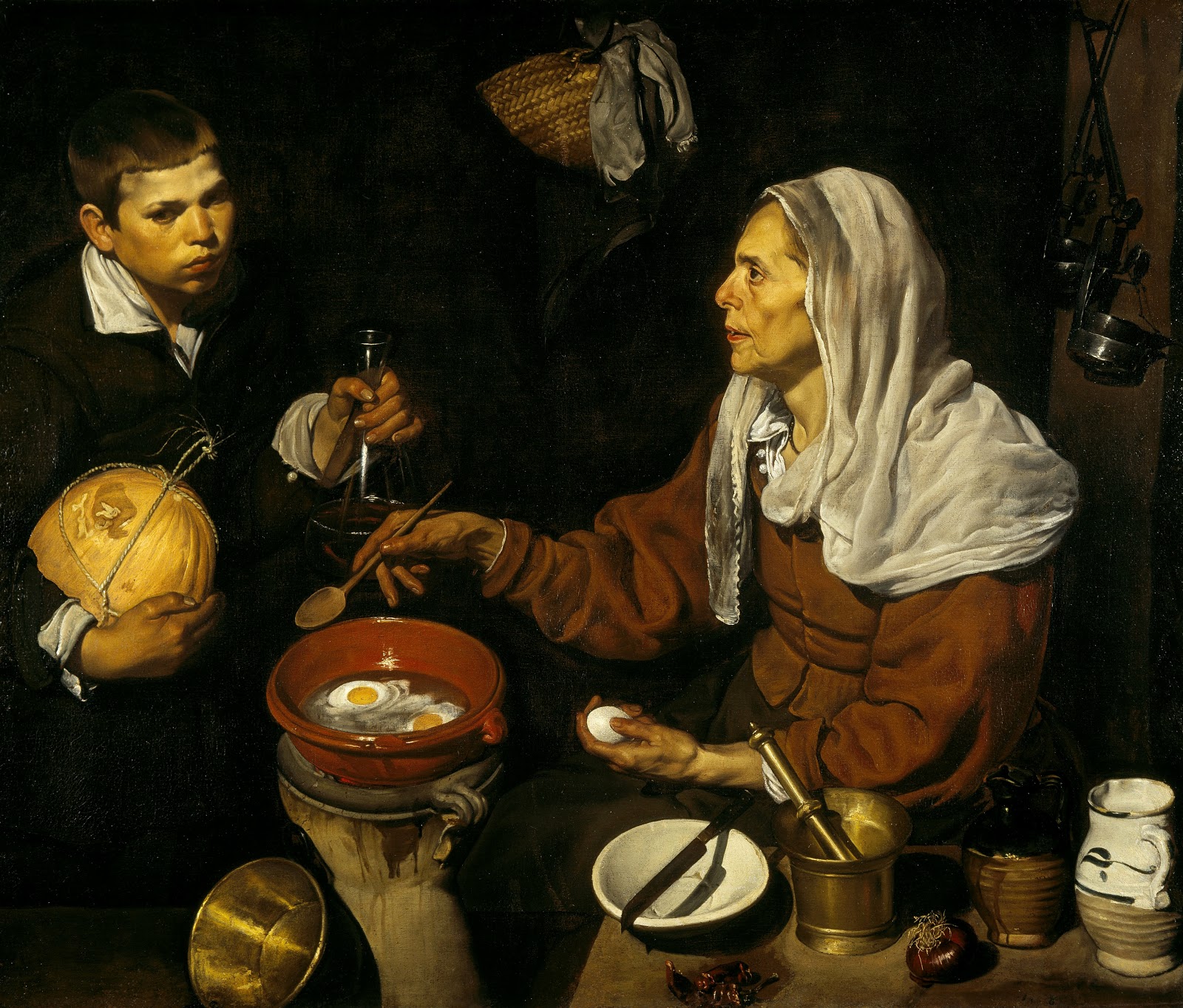
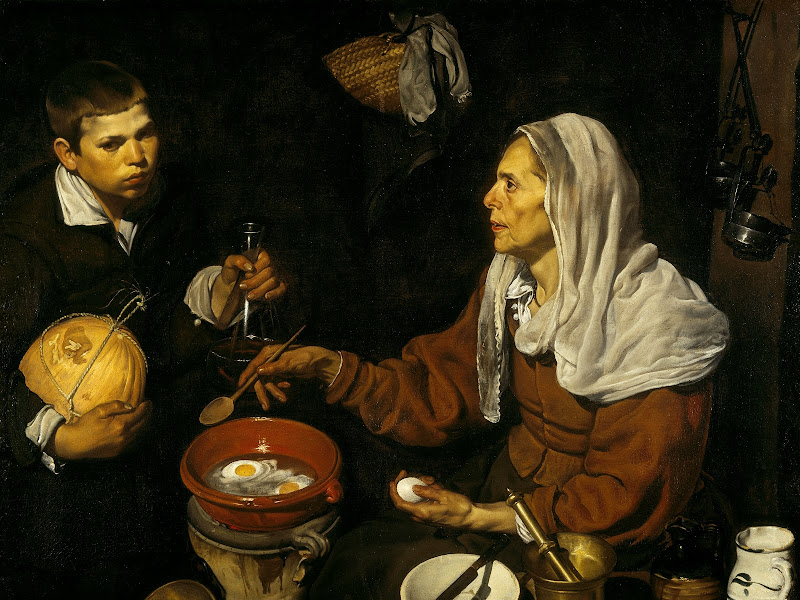
Diego Rodríguez de Silva y Velázquez[a] (baptized June 6, 1599 - August 6, 1660) was a Spanish painter, the leading artist in the court of King Philip IV, and one of the most important painters of the Spanish Golden Age.
He was an individualistic artist of the contemporary Baroque period.
He painted initially in a precise tenebrist style, but later developed a free manner characterized by bold brushwork that produced an illusion of form only when viewed at a suitable distance.

Read More

Diego Velázquez | Baroque Era painter


Diego Rodríguez de Silva y Velázquez[a] (baptized June 6, 1599 - August 6, 1660) was a Spanish painter, the leading artist in the court of King Philip IV, and one of the most important painters of the Spanish Golden Age.
He was an individualistic artist of the contemporary Baroque period.
He painted initially in a precise tenebrist style, but later developed a free manner characterized by bold brushwork that produced an illusion of form only when viewed at a suitable distance.

Vincent van Gogh | Study of hands

Vincent van Gogh | Study of hands

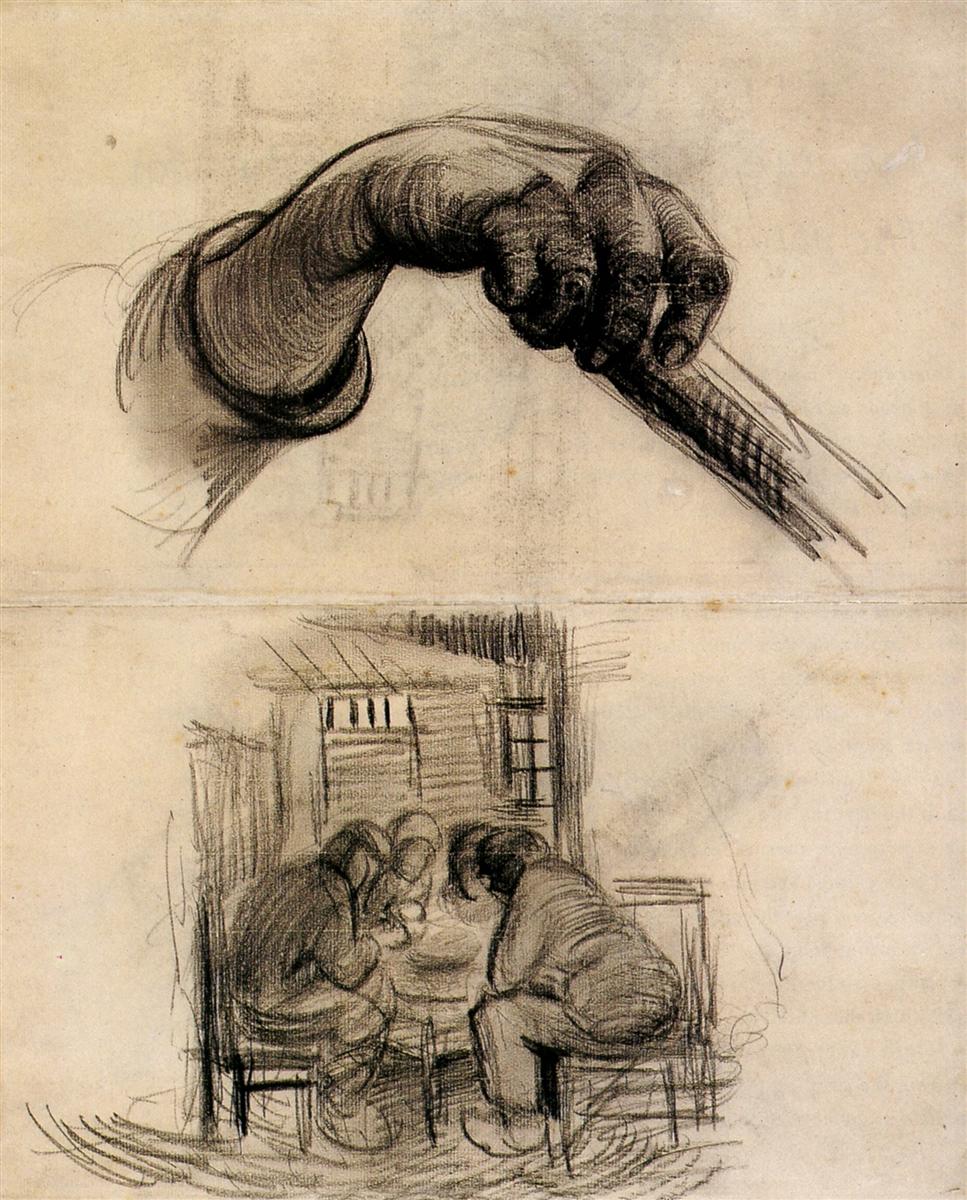
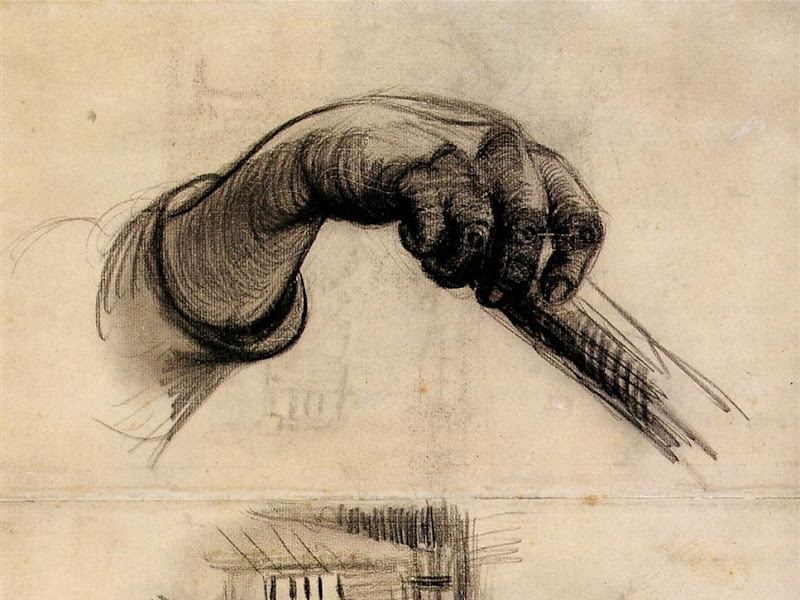
  • Cos'è disegnare? Come ci si arriva? È l'atto di aprirsi un passaggio attraverso un muro di ferro invisibile che sembra trovarsi tra ciò che si sente e che si può.
  • Faccio sempre ciò che non so fare per imparare come va fatto.
  • L'arte è gelosa... bisogna lavorare a lungo e duramente per afferrarne l'essenza. Quello a cui miro è maledettamente difficile, eppure non penso di mirare troppo in alto.
  • Soffrire senza lamentarsi è l'unica lezione da imparare in questa vita.
Read More

Vincent van Gogh | Study of hands

  • Cos'è disegnare? Come ci si arriva? È l'atto di aprirsi un passaggio attraverso un muro di ferro invisibile che sembra trovarsi tra ciò che si sente e che si può.
  • Faccio sempre ciò che non so fare per imparare come va fatto.
  • L'arte è gelosa... bisogna lavorare a lungo e duramente per afferrarne l'essenza. Quello a cui miro è maledettamente difficile, eppure non penso di mirare troppo in alto.
  • Soffrire senza lamentarsi è l'unica lezione da imparare in questa vita.
Andrew Kish, 1980 | Conceptual painter

Andrew Kish, 1980 | Conceptual painter


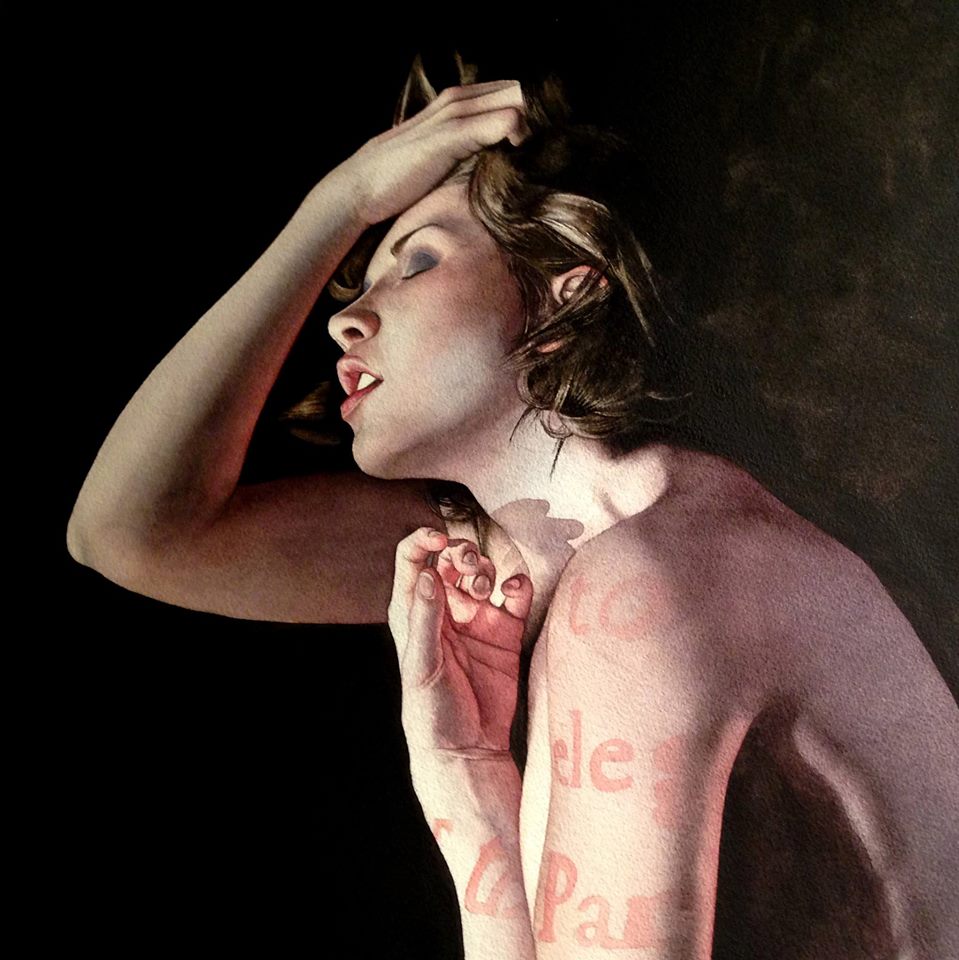
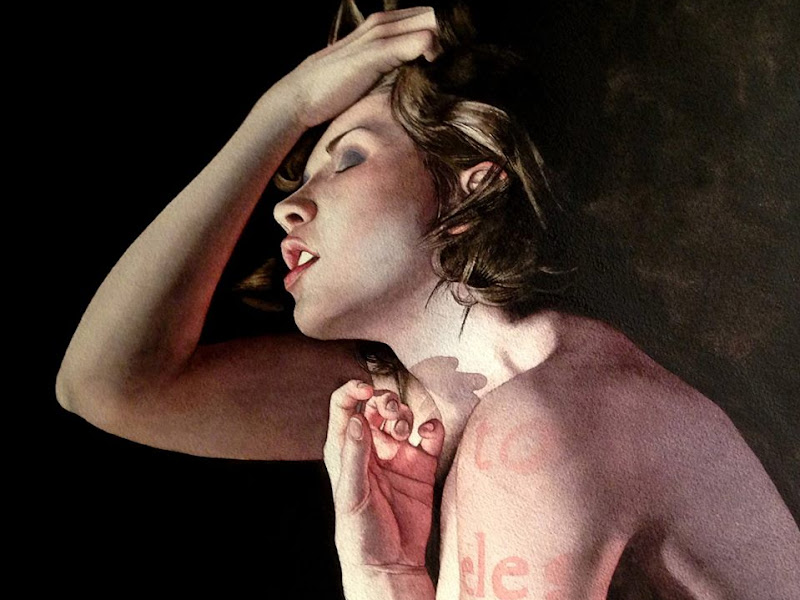
Andrew Kish III is an award winning🎨 master Watercolor painter who is constantly pushing the boundries of contemporary watercolor. Andrew holds a BFA from Kutztown University and resides in eastern Pennsylvania.
Born in 1980 in Bethlehem Pennsylvania, Andrew M. Kish III has emerged as one of the premier watercolor painters of his generation. Kish received his B.F.A. in painting from Kutztown University. His paintings explore social subjects ranging from politics to spirituality and dive deeply into the contemporary human experience.
His unique ability to blend thought provoking concepts with powerful compositions is evolving the landscape of contemporary watercolor. Kish’s current work deals with the morality of social paradigms and challenges the viewer with rich provocative and metaphoric imagery.

Read More

Andrew Kish, 1980 | Conceptual painter


Andrew Kish III is an award winning🎨 master Watercolor painter who is constantly pushing the boundries of contemporary watercolor. Andrew holds a BFA from Kutztown University and resides in eastern Pennsylvania.
Born in 1980 in Bethlehem Pennsylvania, Andrew M. Kish III has emerged as one of the premier watercolor painters of his generation. Kish received his B.F.A. in painting from Kutztown University. His paintings explore social subjects ranging from politics to spirituality and dive deeply into the contemporary human experience.
His unique ability to blend thought provoking concepts with powerful compositions is evolving the landscape of contemporary watercolor. Kish’s current work deals with the morality of social paradigms and challenges the viewer with rich provocative and metaphoric imagery.

Karen Hollingsworth, 1955 | WindowScape painter

Karen Hollingsworth, 1955 | WindowScape painter

Early in her career as an artist, Karen Hollingsworth painted mostly portraits and still life arrangements.
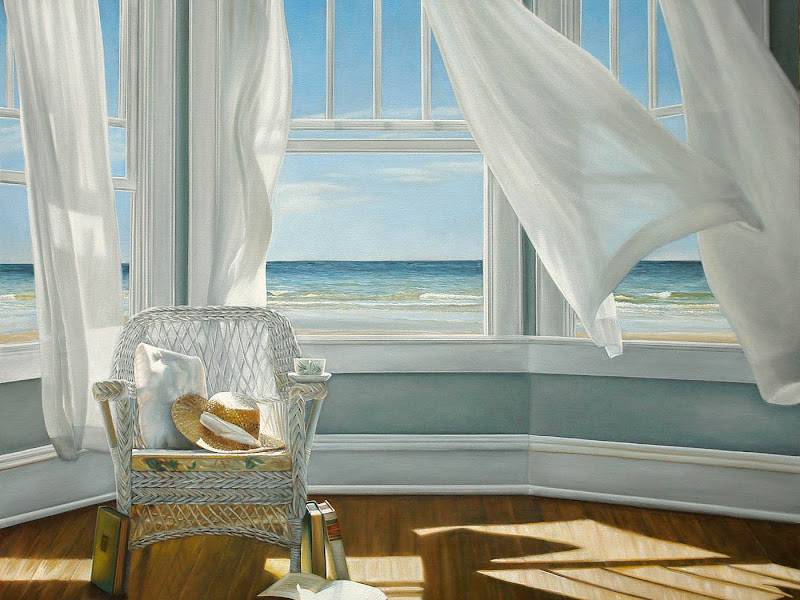
Then, around 2002, while Karen was moving furniture around her studio to set up the scene for a new still life, she placed a chair in front of a window and thought, "Now that’s a painting!"
That’s when Karen switched her focus and began mainly painting compositions of chairs and windows. From there she evolved into painting open windows with a variety of scenes beyond them.


Read More

Karen Hollingsworth, 1955 | WindowScape painter

Early in her career as an artist, Karen Hollingsworth painted mostly portraits and still life arrangements.
Then, around 2002, while Karen was moving furniture around her studio to set up the scene for a new still life, she placed a chair in front of a window and thought, "Now that’s a painting!"
That’s when Karen switched her focus and began mainly painting compositions of chairs and windows. From there she evolved into painting open windows with a variety of scenes beyond them.