Home » Tutti i post
Ricardo Fernandez Ortega 1971 ~ Surrealist painter
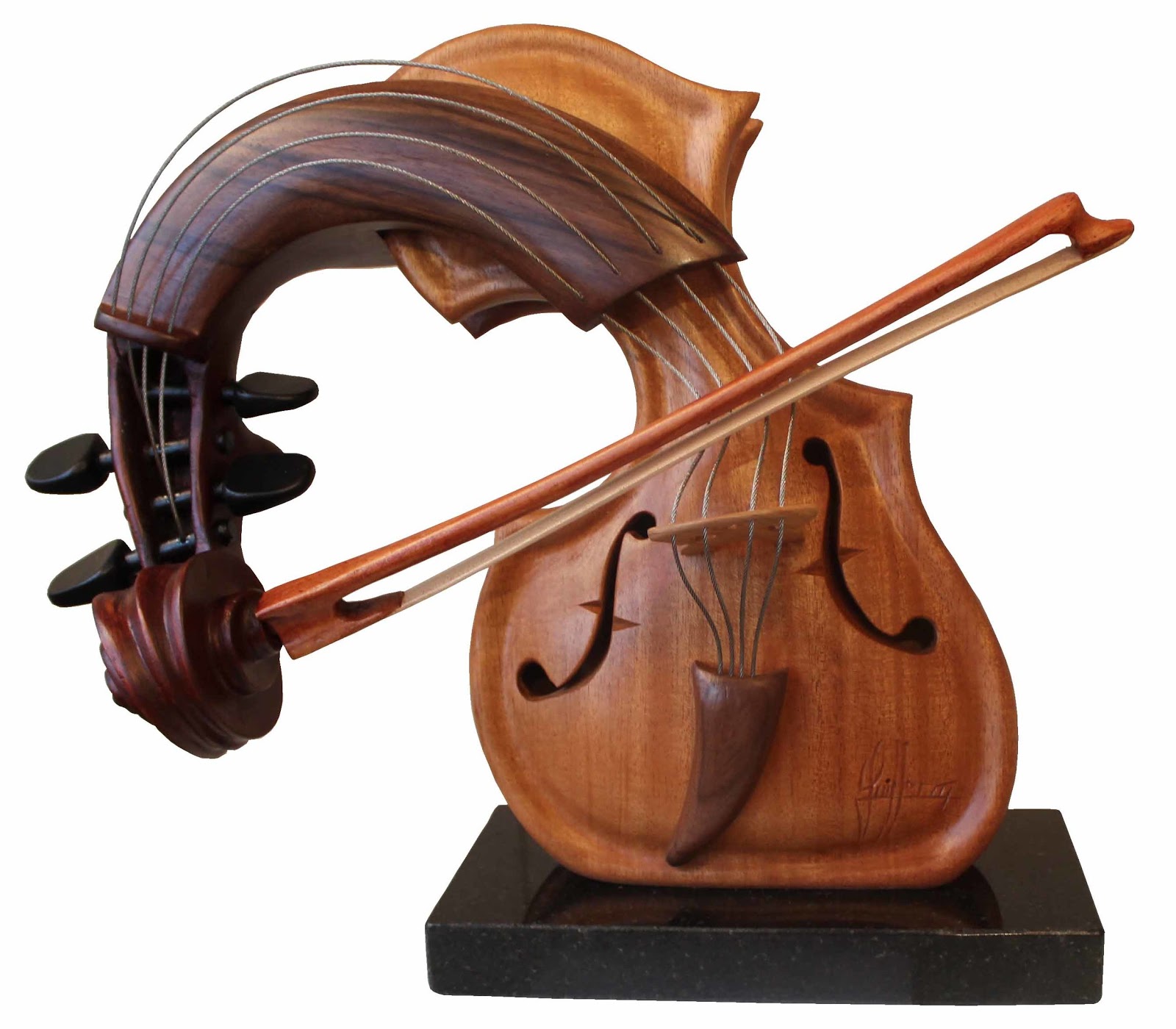
Philippe Guillerm, 1959 | Musical Sculptures
Philippe Guillerm began his professional life in Paris, France, the city where was born and lived for twenty years. Through the years, he has traveled around the world with his wife Jacqueline and their two daughters Monique and Swanne on his forty-eight foot sailboat.
Philippe Guillerm, 1959 | Musical Sculptures
Philippe Guillerm began his professional life in Paris, France, the city where was born and lived for twenty years. Through the years, he has traveled around the world with his wife Jacqueline and their two daughters Monique and Swanne on his forty-eight foot sailboat.
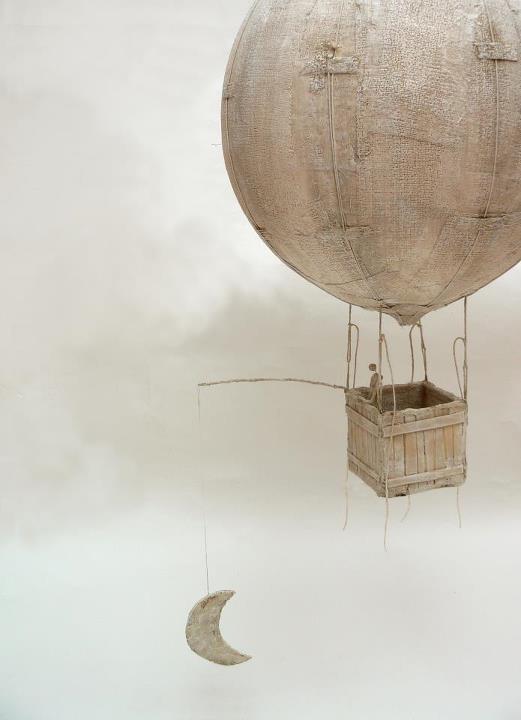
Antoine Jossé, 1970 | Surrealist sculptor and painter
Antoine Josse is a French artist, born in 1970.
His paintings and sculptures express an irrepressible desire for lightness, escapism and to be able to dream the impossible.
The use of captivating and revealing motifs, along with the presence of human beings immersed in a dream-like landscape, convey a unique charm to his work.
His paintings are alluring for their atmosphere, evocative colours, and tumultuous skies.
The minuscule beings are settled in a desolated and dangerous world where the vegetation rapidly spreads, bringing to life dramatic reds, blues and greens, creating spectacular yet enigmatic feelings.
Antoine Jossé, 1970 | Surrealist sculptor and painter
Antoine Josse is a French artist, born in 1970.
His paintings and sculptures express an irrepressible desire for lightness, escapism and to be able to dream the impossible.
The use of captivating and revealing motifs, along with the presence of human beings immersed in a dream-like landscape, convey a unique charm to his work.
His paintings are alluring for their atmosphere, evocative colours, and tumultuous skies.
The minuscule beings are settled in a desolated and dangerous world where the vegetation rapidly spreads, bringing to life dramatic reds, blues and greens, creating spectacular yet enigmatic feelings.
Milen Marinov, 1965
Milen Marinov was born in Varna, Bulgaria. He finished education in the National Academy of Fine Arts - Sofia, Bulgaria between 1988-1993.
Lives and works in Varna, Bulgaria.
Marinov did 12 solo solo exhibitions between 1994-2009 in his home country: Varna, Sofia, Krapetc, Spasovo and Balchik.
In 2007 Marinov did solo exhibition in gallery Atypic Toulouse in France.
Lives and works in Varna, Bulgaria.
Marinov did 12 solo solo exhibitions between 1994-2009 in his home country: Varna, Sofia, Krapetc, Spasovo and Balchik.
In 2007 Marinov did solo exhibition in gallery Atypic Toulouse in France.
Milen Marinov, 1965
Milen Marinov was born in Varna, Bulgaria. He finished education in the National Academy of Fine Arts - Sofia, Bulgaria between 1988-1993.
Lives and works in Varna, Bulgaria.
Marinov did 12 solo solo exhibitions between 1994-2009 in his home country: Varna, Sofia, Krapetc, Spasovo and Balchik.
In 2007 Marinov did solo exhibition in gallery Atypic Toulouse in France.
Lives and works in Varna, Bulgaria.
Marinov did 12 solo solo exhibitions between 1994-2009 in his home country: Varna, Sofia, Krapetc, Spasovo and Balchik.
In 2007 Marinov did solo exhibition in gallery Atypic Toulouse in France.
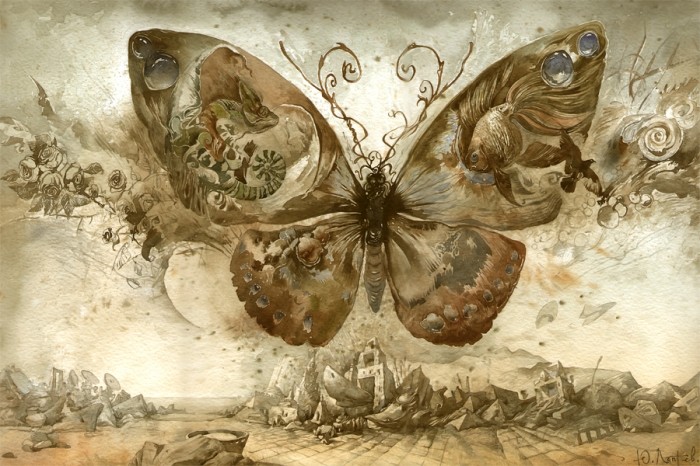
Yuri Laptev, 1962 | Surrealist painter
Yuri Laptev is an Ukrainian artist, who created dreamy, imaginative and surreal illustration works.
His works include: Painting, Watercolour, Digital art, Etching and Drawing.
His artworld has been featured in many exhibitions and his presence in several art networks has given them a strong art boost of inspiration and creativity.
He graduated from the Crimean Art College, Samokisha 1986.
Yuri Laptev, 1962 | Surrealist painter
Yuri Laptev is an Ukrainian artist, who created dreamy, imaginative and surreal illustration works.
His works include: Painting, Watercolour, Digital art, Etching and Drawing.
His artworld has been featured in many exhibitions and his presence in several art networks has given them a strong art boost of inspiration and creativity.
He graduated from the Crimean Art College, Samokisha 1986.
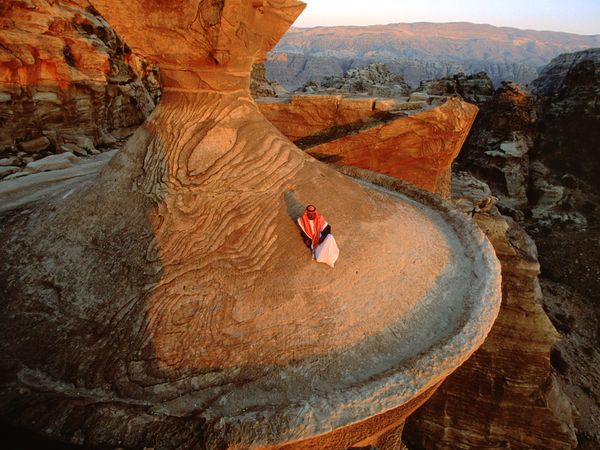
Il sito archeologico di Petra
Petra fu rivelata al mondo moderno nel 1812 da Johann Ludwig Burckhardt, un viaggiatore svizzero che, in abiti arabi, si faceva chiamare Cheikh Ibrahim e seguiva la strada che collegava Damasco all'Egitto passando per la Giordania.
Egli aveva sentito dire che nei pressi del villaggio di Wadi Musa si trovavano, in una sorta di fortezza naturale, delle vestigia straordinarie.
La regione apparteneva allora all'Impero ottomano e gli stranieri curiosi di antichità - che erano ritenute "opera degli Infedeli" - erano considerati con grande diffidenza, anche per le tensioni politiche e religiose dell'epoca.
Il sito archeologico di Petra
Petra fu rivelata al mondo moderno nel 1812 da Johann Ludwig Burckhardt, un viaggiatore svizzero che, in abiti arabi, si faceva chiamare Cheikh Ibrahim e seguiva la strada che collegava Damasco all'Egitto passando per la Giordania.
Egli aveva sentito dire che nei pressi del villaggio di Wadi Musa si trovavano, in una sorta di fortezza naturale, delle vestigia straordinarie.
La regione apparteneva allora all'Impero ottomano e gli stranieri curiosi di antichità - che erano ritenute "opera degli Infedeli" - erano considerati con grande diffidenza, anche per le tensioni politiche e religiose dell'epoca.
Cristo Redentor | Rio de Janeiro, 1931 | New7Wonders of the World
La statua del Cristo Redentore di Rio de Janeiro è uno dei monumenti più conosciuti al mondo. Il monumento, alto circa 39.6 metri, raffigura un grande Gesù Cristo dalle braccia aperte, a simboleggiare il calore e l'accoglienza del popolo brasiliano verso i visitatori.
Cristo Redentor | Rio de Janeiro, 1931 | New7Wonders of the World
La statua del Cristo Redentore di Rio de Janeiro è uno dei monumenti più conosciuti al mondo. Il monumento, alto circa 39.6 metri, raffigura un grande Gesù Cristo dalle braccia aperte, a simboleggiare il calore e l'accoglienza del popolo brasiliano verso i visitatori.
Michelangelo | Il risorto, 1520
Il Risorto, conosciuto come il Cristo della Minerva, è una statua marmorea, h. 205 cm, di Michelangelo Buonarroti 1475-1564, realizzata nel 1519-1520 circa, oggi conservata nella Basilica di Santa Maria sopra Minerva a Roma.
Michelangelo | Il risorto, 1520
Il Risorto, conosciuto come il Cristo della Minerva, è una statua marmorea, h. 205 cm, di Michelangelo Buonarroti 1475-1564, realizzata nel 1519-1520 circa, oggi conservata nella Basilica di Santa Maria sopra Minerva a Roma.
Worth1000 | Il sito dei concorsi per l'arte digitale
Worth1000 è un sito di manipolazioni di immagine e concorsi online.
Venne aperto nel 2002, e ad oggi ospita più di 340.000 immagini uniche fra i suoi contest (i primi e più popolari) intitolati "Rejected Transformers", "Invisible World" e "Stupid Protests".
Verso la metà del 2003, iniziò ad ospitare competizioni simili, ma indirizzate verso la fotografia, la redazione testi ed altri contenuti multimediali.
Il sito fu disegnato da Avi Muchnick e Israel Derdik.
Worth1000 | Il sito dei concorsi per l'arte digitale
Worth1000 è un sito di manipolazioni di immagine e concorsi online.
Venne aperto nel 2002, e ad oggi ospita più di 340.000 immagini uniche fra i suoi contest (i primi e più popolari) intitolati "Rejected Transformers", "Invisible World" e "Stupid Protests".
Verso la metà del 2003, iniziò ad ospitare competizioni simili, ma indirizzate verso la fotografia, la redazione testi ed altri contenuti multimediali.
Il sito fu disegnato da Avi Muchnick e Israel Derdik.
La Fontana dei Libri | Roma, 1927
Nel rione romano di Sant'Eustachio, lungo alla via degli Staderari, l'antica strada che deve il suo nome alla presenza dei fabbricanti della Stadera, la bilancia che funziona secondo il principio delle leve, è posizionata, dal 1927, la Fontana dei Libri.
L'opera, realizzata durante l'attuazione del piano di ristrutturazione urbana varato dal Comune di Roma in adesione all'invito del Governo fascista, è situata all'interno di una nicchia marmorea che forma un arco a tutto sesto.

La Fontana dei Libri | Roma, 1927
Nel rione romano di Sant'Eustachio, lungo alla via degli Staderari, l'antica strada che deve il suo nome alla presenza dei fabbricanti della Stadera, la bilancia che funziona secondo il principio delle leve, è posizionata, dal 1927, la Fontana dei Libri.
L'opera, realizzata durante l'attuazione del piano di ristrutturazione urbana varato dal Comune di Roma in adesione all'invito del Governo fascista, è situata all'interno di una nicchia marmorea che forma un arco a tutto sesto.

James Wu | Mixed media painter
"I have always been enthusiastic about painting since I was a child.
I started with academy drawing and oil painting when I was 13 years old.
I would say that art is part of my spiritual soul and a very important part of my life.
I’ve learned various chinese ink brush techniques from different masters when I was an undergraduate student at National Taiwan University of Arts in Taipei".
James Wu | Mixed media painter
"I have always been enthusiastic about painting since I was a child.
I started with academy drawing and oil painting when I was 13 years old.
I would say that art is part of my spiritual soul and a very important part of my life.
I’ve learned various chinese ink brush techniques from different masters when I was an undergraduate student at National Taiwan University of Arts in Taipei".
Norman Rockwell | Romantic Realist painter
Norman Percevel Rockwell (1894-1978) was a 20th century American painter and illustrator.
Rockwell was a prolific artist, producing more than 4,000 original works in his lifetime.
His works enjoy a broad popular appeal in the United States, where Rockwell is most famous for the cover illustrations of everyday life scenarios he created.
Norman Rockwell | Romantic Realist painter
Norman Percevel Rockwell (1894-1978) was a 20th century American painter and illustrator.
Rockwell was a prolific artist, producing more than 4,000 original works in his lifetime.
His works enjoy a broad popular appeal in the United States, where Rockwell is most famous for the cover illustrations of everyday life scenarios he created.
Gary Jenkins, 1962 | Still life of flowers
Gary Jenkins was born in Brooklyn, New York and raised in St. Petersburg, Florida. In 1962 he graduated from the well known four year Ringling School of Art in Sarasota Florida. Upon graduation, he moved to So. California. Gary started his full time art career working as a key line artist for a large greeting card company.
A little later on, he started working for the large national art store chain, Aaron Bros. During the early 1970s while working at that store, Gary painted in his spare time and began to develope his style of oil painting, focusing primarily on Landscapes and Floral painting.
Gary Jenkins, 1962 | Still life of flowers
Gary Jenkins was born in Brooklyn, New York and raised in St. Petersburg, Florida. In 1962 he graduated from the well known four year Ringling School of Art in Sarasota Florida. Upon graduation, he moved to So. California. Gary started his full time art career working as a key line artist for a large greeting card company.
A little later on, he started working for the large national art store chain, Aaron Bros. During the early 1970s while working at that store, Gary painted in his spare time and began to develope his style of oil painting, focusing primarily on Landscapes and Floral painting.
Donatello | Renaissance sculptor
Donato di Niccolò di Betto Bardi, universally known as Donatello, was born in Florence around 1386 and died there in 1466.
The powerful expressivity of his art made him the greatest sculptor of the early Renaissance.
Masterpieces from the first phases of his career include the vigilant marble Saint George, made for the guildhall of Orsanmichele (ca. 1417; Museo Nazionale del Bargello, Florence); the gilt-bronze Saint Louis of Toulouse at the Church of Santa Croce, Florence (ca. 1422-25); and his bronze relief of the Feast of Herod and statuettes of angels on the baptismal font in the Baptistery of Siena (1425-29).
Donatello | Renaissance sculptor
Donato di Niccolò di Betto Bardi, universally known as Donatello, was born in Florence around 1386 and died there in 1466.
The powerful expressivity of his art made him the greatest sculptor of the early Renaissance.
Masterpieces from the first phases of his career include the vigilant marble Saint George, made for the guildhall of Orsanmichele (ca. 1417; Museo Nazionale del Bargello, Florence); the gilt-bronze Saint Louis of Toulouse at the Church of Santa Croce, Florence (ca. 1422-25); and his bronze relief of the Feast of Herod and statuettes of angels on the baptismal font in the Baptistery of Siena (1425-29).
Vincent Van Gogh | Still life
Vincent Van Gogh [1853-1890] painted several versions of landscapes with flowers, as seen in View of Arles with Irises, and paintings of flowers, including Irises, Sunflowers, lilacs and roses. Some reflect his interests in the language of color, and also in Japanese ukiyo-e woodblock prints.
Vincent Van Gogh | Still life
Vincent Van Gogh [1853-1890] painted several versions of landscapes with flowers, as seen in View of Arles with Irises, and paintings of flowers, including Irises, Sunflowers, lilacs and roses. Some reflect his interests in the language of color, and also in Japanese ukiyo-e woodblock prints.
Vincent Van Gogh | Self-portraits
Vincent Van Gogh did not have money to pay models to pose for portraits nor did he have many people commissioning him to do portraits, so Van Gogh painted his own portrait.
He painted over 30 self-portraits between the years 1886-1889.
His collection of self-portraits places him among the most prolific self-portraitists of all time.
Van Gogh used portrait painting as a method of introspection, a method to make money and a method of developing his skills as an artist.
Vincent Van Gogh | Self-portraits
Vincent Van Gogh did not have money to pay models to pose for portraits nor did he have many people commissioning him to do portraits, so Van Gogh painted his own portrait.
He painted over 30 self-portraits between the years 1886-1889.
His collection of self-portraits places him among the most prolific self-portraitists of all time.
Van Gogh used portrait painting as a method of introspection, a method to make money and a method of developing his skills as an artist.
Zoe Mozert | Pin-up illustrator
Zoë Mozert (1907-1993), born Alice Adelaide Moser, was an American illustrator.
She was one of the early 20th Century's most famous pin-up artists and models.
In 1925 Mozert entered the Philadelphia School of Industrial Art where she studied under Thornton Oakley, a former student of Howard Pyle.
Zoe Mozert | Pin-up illustrator
Zoë Mozert (1907-1993), born Alice Adelaide Moser, was an American illustrator.
She was one of the early 20th Century's most famous pin-up artists and models.
In 1925 Mozert entered the Philadelphia School of Industrial Art where she studied under Thornton Oakley, a former student of Howard Pyle.
Le Gallerie di Piazza Scala, Milano
Canova - La giustizia, 1792
Situato nel cuore di Milano, il complesso espositivo Gallerie di Piazza Scala propone un viaggio affascinante nell'arte del XIX e XX secolo. Il polo museale si snoda attraverso quattro edifici storici della città. Negli storici Palazzo Anguissola e Palazzo Brentani sono esposti 197 dipinti e sculture che partono da bassorilievi neoclassici di Antonio Canova, per toccare quindi le altre correnti che hanno caratterizzato le arti figurative italiane ottocentesche:
- Il Romanticismo, con Francesco Hayez. Gerolamo Induno e Sebastiano De Albertis, Giuseppe Molteni, Giovanni Migliara, Luigi Bisi, Giuseppe Canella, Angelo Inganni;
- Il Naturalismo con Mosé Bianchi e Lorenzo Gignous;
- Il Divisionismo con Giovanni Segantini, Filippo Carcano, Giovanni Sottocornola, Angelo Morbelli;
- Il Simbolismo con Luigi Rossi, Emilio Gola, Lorenzo Bazzaro, Gaetano Previati, Giulio Aristide Sartorio.
Si aggiungono opere di Telemaco Signorini, Lorenzo Delleani, Federico Zandomeneghi, Vincenzo Irolli, Antonio Mancini.
Entro la fine del 2012, il Palazzo Canonica e Palazzo Beltrami ospiteranno invece la sezione dedicata al Novecento, un percorso da Kandinsky ad Andy Warhol.
Le Gallerie di Piazza Scala, Milano
Canova - La giustizia, 1792
Situato nel cuore di Milano, il complesso espositivo Gallerie di Piazza Scala propone un viaggio affascinante nell'arte del XIX e XX secolo. Il polo museale si snoda attraverso quattro edifici storici della città. Negli storici Palazzo Anguissola e Palazzo Brentani sono esposti 197 dipinti e sculture che partono da bassorilievi neoclassici di Antonio Canova, per toccare quindi le altre correnti che hanno caratterizzato le arti figurative italiane ottocentesche:
- Il Romanticismo, con Francesco Hayez. Gerolamo Induno e Sebastiano De Albertis, Giuseppe Molteni, Giovanni Migliara, Luigi Bisi, Giuseppe Canella, Angelo Inganni;
- Il Naturalismo con Mosé Bianchi e Lorenzo Gignous;
- Il Divisionismo con Giovanni Segantini, Filippo Carcano, Giovanni Sottocornola, Angelo Morbelli;
- Il Simbolismo con Luigi Rossi, Emilio Gola, Lorenzo Bazzaro, Gaetano Previati, Giulio Aristide Sartorio.
Si aggiungono opere di Telemaco Signorini, Lorenzo Delleani, Federico Zandomeneghi, Vincenzo Irolli, Antonio Mancini.
Entro la fine del 2012, il Palazzo Canonica e Palazzo Beltrami ospiteranno invece la sezione dedicata al Novecento, un percorso da Kandinsky ad Andy Warhol.
Seward Johnson | The Awakening, 1980
The Awakening, is a 21 m statue of a giant embedded in the earth, struggling to free himself, located at National Harbor in Prince George's County, Maryland, USA, just outside the District of Columbia.
The statue consists of five separate aluminum pieces buried in the ground, giving the impression of a distressed giant attempting to free himself from the ground.
The left hand and right foot barely protrude, while the bent left leg and knee jut into the air.
The 5.2 m high right arm and hand reach farther out of the ground. The bearded face, with the mouth in mid-scream, struggles to emerge from the earth.
Seward Johnson | The Awakening, 1980
The Awakening, is a 21 m statue of a giant embedded in the earth, struggling to free himself, located at National Harbor in Prince George's County, Maryland, USA, just outside the District of Columbia.
The statue consists of five separate aluminum pieces buried in the ground, giving the impression of a distressed giant attempting to free himself from the ground.
The left hand and right foot barely protrude, while the bent left leg and knee jut into the air.
The 5.2 m high right arm and hand reach farther out of the ground. The bearded face, with the mouth in mid-scream, struggles to emerge from the earth.
Giorgione | High Renaissance painter
Giorgione, also called Giorgio da Castelfranco (born c. 1477/78, Castelfranco Veneto, Republic of Venice, Italy - died before November 7, 1510, Venice), extremely influential Italian painter who was one of the initiators of a High Renaissance style in Venetian art.
His qualities of mood and mystery were epitomized in The Tempest (c. 1505), an evocative pastoral scene, which was among the first of its genre in Venetian painting.
Giorgione | High Renaissance painter
Giorgione, also called Giorgio da Castelfranco (born c. 1477/78, Castelfranco Veneto, Republic of Venice, Italy - died before November 7, 1510, Venice), extremely influential Italian painter who was one of the initiators of a High Renaissance style in Venetian art.
His qualities of mood and mystery were epitomized in The Tempest (c. 1505), an evocative pastoral scene, which was among the first of its genre in Venetian painting.
Pam Hawkes | Portrait painter
Full-time painter Pam Hawkes was born in Birmingham, England, and still lives in the Midlands. She received her bachelor’s degree in fine art from Coventry University/Solihull College and her master’s in fine art from the University of Central England.
From 1998-2011, Hawkes was Visiting Lecturer in Fine Art at Solihull College and University of Wolverhampton.
Since 2001, Hawkes has exhibited her work in several dozen group and solo shows. Her paintings were included in the 2011 British Art Fair in London and at Catto Gallery and Flying Colours Gallery in 2012. Hawkes was given a solo exhibition in September 2013 at Celia Lendis Gallery, Moreton in the Marsh, England.
Pam Hawkes | Portrait painter
Full-time painter Pam Hawkes was born in Birmingham, England, and still lives in the Midlands. She received her bachelor’s degree in fine art from Coventry University/Solihull College and her master’s in fine art from the University of Central England.
From 1998-2011, Hawkes was Visiting Lecturer in Fine Art at Solihull College and University of Wolverhampton.
Since 2001, Hawkes has exhibited her work in several dozen group and solo shows. Her paintings were included in the 2011 British Art Fair in London and at Catto Gallery and Flying Colours Gallery in 2012. Hawkes was given a solo exhibition in September 2013 at Celia Lendis Gallery, Moreton in the Marsh, England.
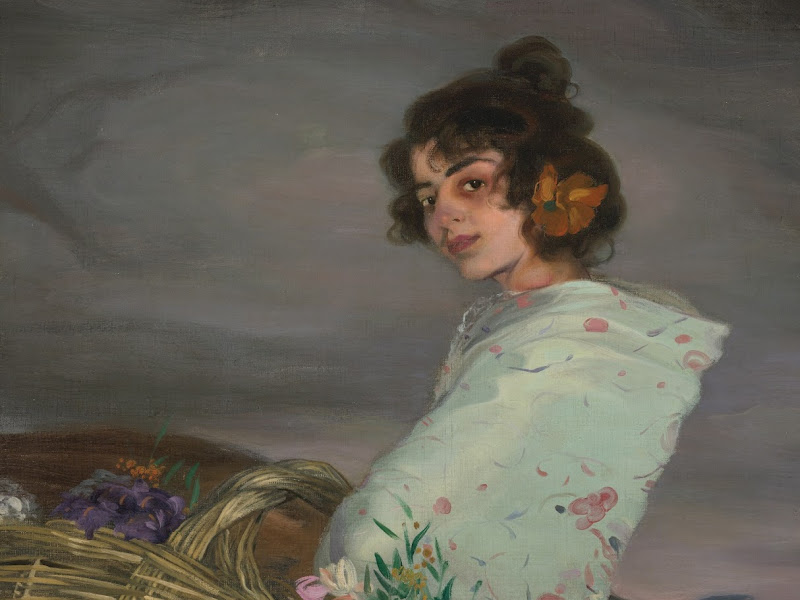
Ignacio Zuloaga | Genre /Realist painter
Ignacio Zuloaga, in full Ignacio Zuloaga y Zabaleta (1870, Eibar, Spain - 1945, Madrid), Spanish genre and portrait painter noted for his theatrical paintings of figures from Spanish culture and folklore.
The son of a successful metalworker, Zuloaga was a largely self-taught artist who learned to paint by copying Old Masters in the Prado Museum in Madrid.
Beginning about 1890, he split his time between Paris and Spain.
Ignacio Zuloaga | Genre /Realist painter
Ignacio Zuloaga, in full Ignacio Zuloaga y Zabaleta (1870, Eibar, Spain - 1945, Madrid), Spanish genre and portrait painter noted for his theatrical paintings of figures from Spanish culture and folklore.
The son of a successful metalworker, Zuloaga was a largely self-taught artist who learned to paint by copying Old Masters in the Prado Museum in Madrid.
Beginning about 1890, he split his time between Paris and Spain.
Brent Lynch ~ Fashion painter
A powerful landscape and figurative painter, Brent Lynch pursues the abstract quality of mood, light, color and composition. The mystery and energy of a landscape or the human form are hallmarks of his work. For over 25 years, Brent has enjoyed an influential and award-winning career in the arts. He was best known for his unique illustrations for event posters representing performance arts such as ballet, opera and theater as well as sporting events including the Olympic Games. Brent is a natural visual story teller. It is through his unique perspective that his personal handwriting shines. He is a highly respected painter and instructor that has received many international awards. His work is represented by galleries found in private and corporate collections both nationally and abroad.
Brent Lynch ~ Fashion painter
A powerful landscape and figurative painter, Brent Lynch pursues the abstract quality of mood, light, color and composition. The mystery and energy of a landscape or the human form are hallmarks of his work. For over 25 years, Brent has enjoyed an influential and award-winning career in the arts. He was best known for his unique illustrations for event posters representing performance arts such as ballet, opera and theater as well as sporting events including the Olympic Games. Brent is a natural visual story teller. It is through his unique perspective that his personal handwriting shines. He is a highly respected painter and instructor that has received many international awards. His work is represented by galleries found in private and corporate collections both nationally and abroad.
Brenda Burke | Classical realist painter
Award-winning artist** with works in the collection of the British Royal Family and with notable collectors worldwide.
Internationally recognized as a brilliant and sensitive portrait painter, classically trained in Europe, Brenda Burke sees every aspect of life as a creative challenge.
Her collectors avidly wait for each new series she creates, as she applies the various skills of the old masters to create fresh and exciting contemporary masterpieces.
Brenda Burke | Classical realist painter
Award-winning artist** with works in the collection of the British Royal Family and with notable collectors worldwide.
Internationally recognized as a brilliant and sensitive portrait painter, classically trained in Europe, Brenda Burke sees every aspect of life as a creative challenge.
Her collectors avidly wait for each new series she creates, as she applies the various skills of the old masters to create fresh and exciting contemporary masterpieces.
Eva Antonini | Figurative sculptor
Eva Antonini was born in Rapperswil-Switzerland, the place of her childhood and adolescence.
As a young girl, Eva reveals a natural proneness for molding clay, matter that later will be privileged in the creation of sculptures of medium and large dimensions.
From 1981-1985 she lives in Geneva, where she takes her first steps in the working world, following her diverse and complex education: language studies; singing, music and dance; a horizon of journeys, stays in England, Italy and United States with stops in the Middle and Far East.
Eva Antonini | Figurative sculptor
Eva Antonini was born in Rapperswil-Switzerland, the place of her childhood and adolescence.
As a young girl, Eva reveals a natural proneness for molding clay, matter that later will be privileged in the creation of sculptures of medium and large dimensions.
From 1981-1985 she lives in Geneva, where she takes her first steps in the working world, following her diverse and complex education: language studies; singing, music and dance; a horizon of journeys, stays in England, Italy and United States with stops in the Middle and Far East.
Brigitte Teman, 1969 | Figurative sculptor
Brigitte Teman was born in Châlons-en Champagne. From her studies in dental surgery she learned anatomy and the precision of movement. Her passion for art being stronger, she gave up dentistry and devoted herself entirely to sculpture.
Under the double influence of Rembrandt Bugatti and François Pompon, the two great masters of 20th-century animal sculpture, Brigitte Teman developed a style where she favours the beauty of line and forms by basing herself on a premise of smooth/taut which allows them to be starkly brought out.
Brigitte Teman, 1969 | Figurative sculptor
Brigitte Teman was born in Châlons-en Champagne. From her studies in dental surgery she learned anatomy and the precision of movement. Her passion for art being stronger, she gave up dentistry and devoted herself entirely to sculpture.
Under the double influence of Rembrandt Bugatti and François Pompon, the two great masters of 20th-century animal sculpture, Brigitte Teman developed a style where she favours the beauty of line and forms by basing herself on a premise of smooth/taut which allows them to be starkly brought out.
Il Dio di Capo Artemisio
Il Cronide di Capo Artemisio, meglio conosciuto come il Dio di Capo Artemisio - è una statua bronzea dell'antica Grecia, databile al 460 avanti Cristo circa ed é conservata nel Museo Archeologico Nazionale di Atene. Fu ritrovata nei fondali marini antistanti al Capo Artemisio, nell'odierna Eubea, ed è una delle pochissime opere bronzee originali che ci sono giunte. Il ritrovamento della statua avvenne nel 1926, mentre il recupero fu completato nel 1928. Essa si trovava nei pressi di un relitto databile intorno al 200 a.C., del quale si sa poco, in quanto la spedizione di recupero fu interrotta a causa della morte di un sub e mai più ripresa. Si presume che la nave fosse di origine romana, una delle tante navi che all'epoca solcavano quei mari per portare elementi di arte greca verso Roma. Anche se così fosse, a causa dell'interruzione dell'operazione di recupero, non è ancora chiaro se la statua fosse imbarcata sul vascello o meno. Si è cercato senza successo di accostare il Cronide a uno degli grandi bronzisti greci dell'epoca, i cui nomi ci sono stati tramandati dalle fonti: Onata di Egina, Pitagora di Samo o Calamide. La mancanza però di opere certe e l'inesistenza di accenni diretti al dio di Capo Artemisio rendono impossibile formulare un'attribuzione sicura.
Il Dio di Capo Artemisio
Il Cronide di Capo Artemisio, meglio conosciuto come il Dio di Capo Artemisio - è una statua bronzea dell'antica Grecia, databile al 460 avanti Cristo circa ed é conservata nel Museo Archeologico Nazionale di Atene. Fu ritrovata nei fondali marini antistanti al Capo Artemisio, nell'odierna Eubea, ed è una delle pochissime opere bronzee originali che ci sono giunte. Il ritrovamento della statua avvenne nel 1926, mentre il recupero fu completato nel 1928. Essa si trovava nei pressi di un relitto databile intorno al 200 a.C., del quale si sa poco, in quanto la spedizione di recupero fu interrotta a causa della morte di un sub e mai più ripresa. Si presume che la nave fosse di origine romana, una delle tante navi che all'epoca solcavano quei mari per portare elementi di arte greca verso Roma. Anche se così fosse, a causa dell'interruzione dell'operazione di recupero, non è ancora chiaro se la statua fosse imbarcata sul vascello o meno. Si è cercato senza successo di accostare il Cronide a uno degli grandi bronzisti greci dell'epoca, i cui nomi ci sono stati tramandati dalle fonti: Onata di Egina, Pitagora di Samo o Calamide. La mancanza però di opere certe e l'inesistenza di accenni diretti al dio di Capo Artemisio rendono impossibile formulare un'attribuzione sicura.
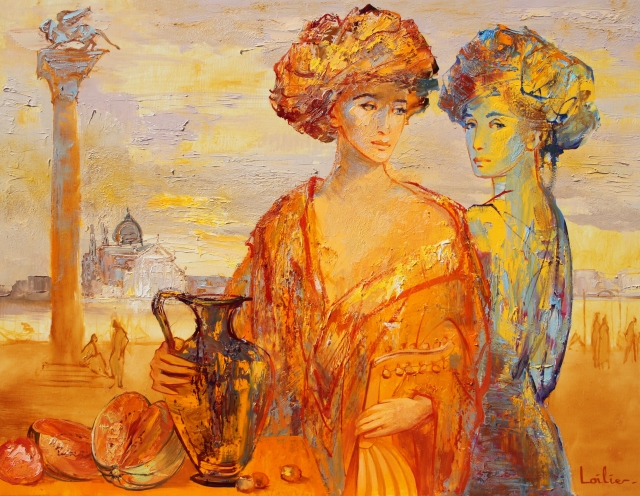
Hervé Loilier, 1948 | Figurative painter
Hervé Loilier was born in Paris. From 1965, he works in Jullian Academy, then enters in 1967 in Polytechnic School where he works with Pierre Jérôme and Lucien Fontanarosa.
He obtained a diploma in 1970 at the Ecole Polytechnique.
Hervé Loilier, 1948 | Figurative painter
Hervé Loilier was born in Paris. From 1965, he works in Jullian Academy, then enters in 1967 in Polytechnic School where he works with Pierre Jérôme and Lucien Fontanarosa.
He obtained a diploma in 1970 at the Ecole Polytechnique.
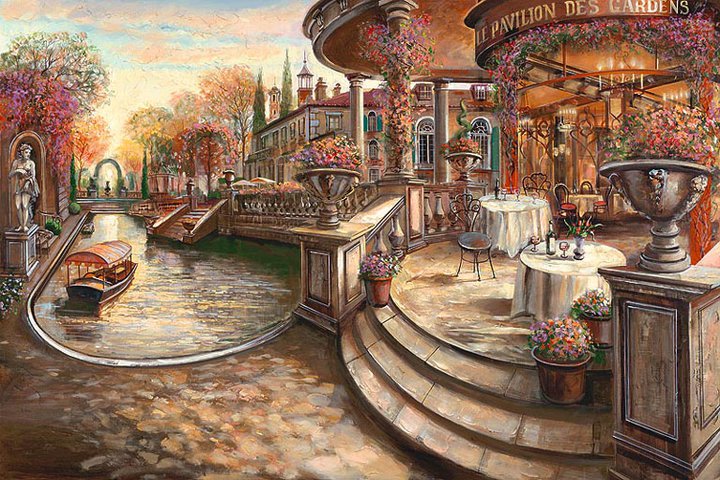
Marc Chapaud, 1941 | Paris painting
Marc Chapaud was born in Paris in 1941. He studied at the Ecole Nationale Superieure de Beaux Artes of Paris in 1958-59 Architecture section and 1960-61 Peinture section, which he left in 1962 after having completed several studio courses. Main Themes Venice, Bruges, Paris, Corsica, Sologne, Amsterdam, Brittany, Provence Villages, Landscapes, Japan, Route Jacques Coeur, flowers and gardens, the streets of Paris at the time of Victor Hugo, Rome and italian landscapes.
Marc Chapaud, 1941 | Paris painting
Marc Chapaud was born in Paris in 1941. He studied at the Ecole Nationale Superieure de Beaux Artes of Paris in 1958-59 Architecture section and 1960-61 Peinture section, which he left in 1962 after having completed several studio courses. Main Themes Venice, Bruges, Paris, Corsica, Sologne, Amsterdam, Brittany, Provence Villages, Landscapes, Japan, Route Jacques Coeur, flowers and gardens, the streets of Paris at the time of Victor Hugo, Rome and italian landscapes.
Marie Paule Deville Chabrolle, 1952
Marie-Paule Deville-Chabrolle è una pittrice e scultrice, nota per aver lavorato in stile figurativo.
È nata a Meknes, in Marocco, vive e lavora in Francia.
Marie-Paule Deville-Chabrolle è stata influenzata dall'Asia perché ha fatto molti viaggi lì e ha studiato in Cambogia.
Rende omaggio alla femminilità.
Il corpo umano è l'unico oggetto del suo lavoro.
Disegna, scolpisce, nasconde e poi trasforma i suoi pezzi in bronzo.
Marie Paule Deville Chabrolle, 1952
Marie-Paule Deville-Chabrolle è una pittrice e scultrice, nota per aver lavorato in stile figurativo.
È nata a Meknes, in Marocco, vive e lavora in Francia.
Marie-Paule Deville-Chabrolle è stata influenzata dall'Asia perché ha fatto molti viaggi lì e ha studiato in Cambogia.
Rende omaggio alla femminilità.
Il corpo umano è l'unico oggetto del suo lavoro.
Disegna, scolpisce, nasconde e poi trasforma i suoi pezzi in bronzo.
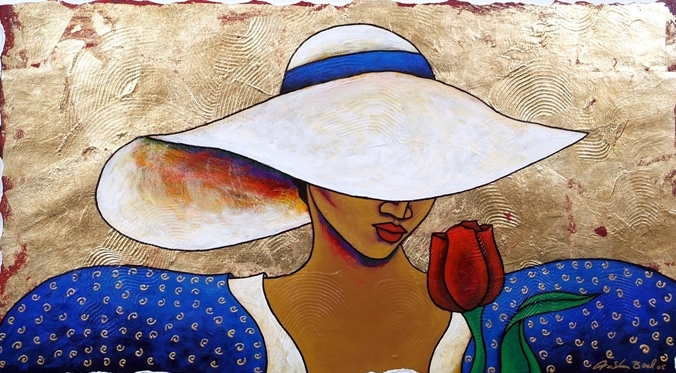
LaShun Beal, 1962 | Impressionist Figurative painter
LaShun Beal has spent his entire career working to perfect his art and the ability to express himself as an artist, while working across multiple mediums.
He refuses to be confined to any certain medium or subject matter and challenges himself by exploring many mediums.
Beal discovered that each canvas has its own distinctive character, its own matchless capacity to give voice to his work in a way that no other medium can.
LaShun Beal, 1962 | Impressionist Figurative painter
LaShun Beal has spent his entire career working to perfect his art and the ability to express himself as an artist, while working across multiple mediums.
He refuses to be confined to any certain medium or subject matter and challenges himself by exploring many mediums.
Beal discovered that each canvas has its own distinctive character, its own matchless capacity to give voice to his work in a way that no other medium can.
Cao Yong, 1962 | Romantic cityscapes painter
Cao Yong 曹勇 is a Chinese artist🎨 whose work depicts Tibet.
He spent a year alone in the mountains of Tibet, and the paintings he produced were exhibited in Beijing in early 1989.
He was subsequently arrested by the Chinese Authorities with the Beijing Police burning seven of the paintings.
Cao Yong, 1962 | Romantic cityscapes painter
Cao Yong 曹勇 is a Chinese artist🎨 whose work depicts Tibet.
He spent a year alone in the mountains of Tibet, and the paintings he produced were exhibited in Beijing in early 1989.
He was subsequently arrested by the Chinese Authorities with the Beijing Police burning seven of the paintings.
Will Wilson, 1957 | Allegorical painter
Will Wilson began his career with the John Pence Gallery in 1980. Since then, he staged thirteen highly successful one-man shows at the gallery.
In addition to his shows in San Francisco, he has exhibited with Baltimore Life Gallery, Baltimore, MD; Schuler School Of Fine Arts, Baltimore, MD; Salmagundi Club, New York, NY; St. Mary's College of Maryland, St. Mary's City, MD; Society of Illustrators, New York, NY; Denver Rotary Show, Denver, CO; Arnot Art Museum, Elmira, NY; Butler Institute of American Art, Youngstown, OH; Memorial Art Museum, Rochester, NY; The Grand Central Art Galleries, New York, NY, The National Postal Museum, Washington DC; The Triton Museum, Santa Clara, CA; and The Smithsonian, Washington DC.
Will Wilson, 1957 | Allegorical painter
Will Wilson began his career with the John Pence Gallery in 1980. Since then, he staged thirteen highly successful one-man shows at the gallery.
In addition to his shows in San Francisco, he has exhibited with Baltimore Life Gallery, Baltimore, MD; Schuler School Of Fine Arts, Baltimore, MD; Salmagundi Club, New York, NY; St. Mary's College of Maryland, St. Mary's City, MD; Society of Illustrators, New York, NY; Denver Rotary Show, Denver, CO; Arnot Art Museum, Elmira, NY; Butler Institute of American Art, Youngstown, OH; Memorial Art Museum, Rochester, NY; The Grand Central Art Galleries, New York, NY, The National Postal Museum, Washington DC; The Triton Museum, Santa Clara, CA; and The Smithsonian, Washington DC.
Paola Epifani | Rabarama, 1969 | Figurative sculptor
Rabarama, pseudonym of Paola Epifani, was born in Rome in 1969. The daughter of an artist, from her early childhood she showed an inborn talent for sculpture.
She started her artistic education at the Arts High School in Treviso, followed by the Venice Academy of Fine Arts where she graduated with top marks in 1991.
Paola Epifani | Rabarama, 1969 | Figurative sculptor
Rabarama, pseudonym of Paola Epifani, was born in Rome in 1969. The daughter of an artist, from her early childhood she showed an inborn talent for sculpture.
She started her artistic education at the Arts High School in Treviso, followed by the Venice Academy of Fine Arts where she graduated with top marks in 1991.
Camille Claudel | La donna implorante...
L’Implorante, fa parte del gruppo scultorio L'Âge Mûr - L'età matura, una delle sculture più conosciute della Claudel🎨, sia per lo stile che per la maestosità di cui vi è una versione in gesso ed una in bronzo. Richiestale dallo stesso Auguste Rodin 1840-1917🎨 nel 1895, l'opera fu messa in mostra nella versione gesso nel 1899.
Il gruppo scultoreo fa richiamo al Rodin🎨 stesso indeciso fra le sua prima compagna, che poi sposerà e Camille -divenuta sua amante dall'età di 18 anni- che nel gruppo scultoreo è simboleggiata dalla figura che tenta di trattenere il "vecchio" amante che ormai si sta rivolgendo verso la sua futura sposa dimostrando comunque un che di esitante.
Camille Claudel | La donna implorante...
L’Implorante, fa parte del gruppo scultorio L'Âge Mûr - L'età matura, una delle sculture più conosciute della Claudel🎨, sia per lo stile che per la maestosità di cui vi è una versione in gesso ed una in bronzo. Richiestale dallo stesso Auguste Rodin 1840-1917🎨 nel 1895, l'opera fu messa in mostra nella versione gesso nel 1899.
Il gruppo scultoreo fa richiamo al Rodin🎨 stesso indeciso fra le sua prima compagna, che poi sposerà e Camille -divenuta sua amante dall'età di 18 anni- che nel gruppo scultoreo è simboleggiata dalla figura che tenta di trattenere il "vecchio" amante che ormai si sta rivolgendo verso la sua futura sposa dimostrando comunque un che di esitante.
Michele Van Cotthem, 1939
Michèle Van Cotthem est née le 5 novembre 1939 à Revin (Ardennes). Ecole des Beaux-arts de Lyon. Première exposition à Lyon en 1962. Sociétaire du Salon d'Automne de Paris. Vice-présidente de la Société Lyonnaise des Beaux-arts.Participe aux principaux salons et obtient les plus grandes récompenses.
Michele Van Cotthem, 1939
Michèle Van Cotthem est née le 5 novembre 1939 à Revin (Ardennes). Ecole des Beaux-arts de Lyon. Première exposition à Lyon en 1962. Sociétaire du Salon d'Automne de Paris. Vice-présidente de la Société Lyonnaise des Beaux-arts.Participe aux principaux salons et obtient les plus grandes récompenses.
Joaquín Sorolla | Impressionist painter
Joaquín Sorolla y Bastida (1863-1923) was a leading Spanish painter of the late nineteenth and early twentieth centuries.
Born in Valencia in 1863 but orphaned as an infant, he was raised by an aunt who recognised and encouraged his precocious artistic talent.
He was studying drawing by eleven, painting at the Academy in Valencia in his late teens, and soon exhibiting in Madrid.
Not yet 21, his first large history painting was acquired by the Spanish government in 1884.
Joaquín Sorolla | Impressionist painter
Joaquín Sorolla y Bastida (1863-1923) was a leading Spanish painter of the late nineteenth and early twentieth centuries.
Born in Valencia in 1863 but orphaned as an infant, he was raised by an aunt who recognised and encouraged his precocious artistic talent.
He was studying drawing by eleven, painting at the Academy in Valencia in his late teens, and soon exhibiting in Madrid.
Not yet 21, his first large history painting was acquired by the Spanish government in 1884.
Benozzo Gozzoli | Late Gothic / Renaissance painter
Benozzo Gozzoli, also called Benozzo di Lese (born c. 1421, Florence [Italy]-died Oct. 4, 1497, Pistoia), early Italian Renaissance painter whose masterpiece, a fresco cycle in the chapel of the Medici-Riccardi Palace, Florence, reveals a new interest in nature (a careful study of realistic detail in landscape and the costumed figure) and in the representation of human features as definite portraiture.
Benozzo Gozzoli | Late Gothic / Renaissance painter
Benozzo Gozzoli, also called Benozzo di Lese (born c. 1421, Florence [Italy]-died Oct. 4, 1497, Pistoia), early Italian Renaissance painter whose masterpiece, a fresco cycle in the chapel of the Medici-Riccardi Palace, Florence, reveals a new interest in nature (a careful study of realistic detail in landscape and the costumed figure) and in the representation of human features as definite portraiture.
Alexander Saidoff, 1970 | Magic realism painter
Alexander Saidoff was born in Pavlovsk, Dagestan, Russia. Alexander’s family belonged to a clan which at one point ruled the mountainous region in Dagestan, but which eventually dissipated through a long series of feuds with other clans.
His family abounded with artistic talent; many of its members were dancers, singers, musicians, and painters.
Alexander Saidoff, 1970 | Magic realism painter
Alexander Saidoff was born in Pavlovsk, Dagestan, Russia. Alexander’s family belonged to a clan which at one point ruled the mountainous region in Dagestan, but which eventually dissipated through a long series of feuds with other clans.
His family abounded with artistic talent; many of its members were dancers, singers, musicians, and painters.
Georgia O'Keeffe: "Non basta essere gentili nella vita. Devi avere coraggio"
"Un fiore è relativamente piccolo. Ognuno ha molte associazioni con un fiore - l'idea dei fiori. Allunghi la mano per toccare il fiore - ti pieghi in avanti per annusarlo - forse lo tocchi con le labbra quasi senza pensarci - o lo dai a qualcuno per compiacerlo. Eppure - in un certo senso - nessuno vede un fiore - davvero - è così piccolo - non abbiamo tempo - e per vedere ci vuole tempo, come per avere un amico ci vuole tempo... Così mi sono detto - Dipingerò quello che vedo - cos'è il fiore per me, ma lo dipingerò in grande e loro saranno sorpresi nel prendersi del tempo per guardarlo - farò in modo che anche i newyorkesi indaffarati si prendano del tempo per vedere quello che vedo dei fiori.. . Beh, ti ho fatto prendere del tempo per guardare ciò che ho visto e quando ti sei preso del tempo per notare davvero il mio fiore.".
Georgia O'Keeffe: "Non basta essere gentili nella vita. Devi avere coraggio"
"Un fiore è relativamente piccolo. Ognuno ha molte associazioni con un fiore - l'idea dei fiori. Allunghi la mano per toccare il fiore - ti pieghi in avanti per annusarlo - forse lo tocchi con le labbra quasi senza pensarci - o lo dai a qualcuno per compiacerlo. Eppure - in un certo senso - nessuno vede un fiore - davvero - è così piccolo - non abbiamo tempo - e per vedere ci vuole tempo, come per avere un amico ci vuole tempo... Così mi sono detto - Dipingerò quello che vedo - cos'è il fiore per me, ma lo dipingerò in grande e loro saranno sorpresi nel prendersi del tempo per guardarlo - farò in modo che anche i newyorkesi indaffarati si prendano del tempo per vedere quello che vedo dei fiori.. . Beh, ti ho fatto prendere del tempo per guardare ciò che ho visto e quando ti sei preso del tempo per notare davvero il mio fiore.".
Georgia O'Keeffe | Abstract painter
For several decades Georgia O'Keeffe (1887-1986) was a major figure in American art who, remarkably, maintained her independence from shifting artistic trends.
She painted prolifically, and almost exclusively, the flowers, animal bones, and landscapes around her studios in Lake George, New York and New Mexico, and these subjects became her signature images.
She remained true to her own unique artistic vision and created a highly individual style of painting, which synthesized the formal language of modern European abstraction and the subjects of traditional American pictorialism.
Georgia O'Keeffe | Abstract painter
For several decades Georgia O'Keeffe (1887-1986) was a major figure in American art who, remarkably, maintained her independence from shifting artistic trends.
She painted prolifically, and almost exclusively, the flowers, animal bones, and landscapes around her studios in Lake George, New York and New Mexico, and these subjects became her signature images.
She remained true to her own unique artistic vision and created a highly individual style of painting, which synthesized the formal language of modern European abstraction and the subjects of traditional American pictorialism.
Alex Levin, 1975 | Surrealist painter
Levin comes from Kiev, Ukraine, where he was born and later on attended Art Academy, which he graduated with honors.
In 1990 Alex Levin immigrated to Israel, where he continues to live in a city of Herzeliya.
With most productive and hectic schedule, Alex Levin finds additional time to grow as an artist and studies new techniques with Professor Baruch Elron who was the Chairman of Israel Artist Association.
The main painting styles are Surrealism and Realism.
Artworks of Levin admired worldwide and were purchased for numerous private, corporate and institutional collections in the United States of America, Israel, France, Italy, Ukraine, Switzerland and Belgium.
Alex Levin, 1975 | Surrealist painter
Levin comes from Kiev, Ukraine, where he was born and later on attended Art Academy, which he graduated with honors.
In 1990 Alex Levin immigrated to Israel, where he continues to live in a city of Herzeliya.
With most productive and hectic schedule, Alex Levin finds additional time to grow as an artist and studies new techniques with Professor Baruch Elron who was the Chairman of Israel Artist Association.
The main painting styles are Surrealism and Realism.
Artworks of Levin admired worldwide and were purchased for numerous private, corporate and institutional collections in the United States of America, Israel, France, Italy, Ukraine, Switzerland and Belgium.
Vadim Suljakov 1960 | Urban landscape painter
Вадим Суляков was born in the cultural center of Moscow. His parents gave him an excellent home education and he began painting at the age of seven. He continued with Russia's most rigid and traditional art education. The schools were very strict and difficult, and only a few were chosen to go on to the next level.
Vadim Suljakov 1960 | Urban landscape painter
Вадим Суляков was born in the cultural center of Moscow. His parents gave him an excellent home education and he began painting at the age of seven. He continued with Russia's most rigid and traditional art education. The schools were very strict and difficult, and only a few were chosen to go on to the next level.
Morgan Weistling, 1964 | Romantic painter
Morgan studied art at an early age with his father, a former art student. His parents both met at art school. His father, Howard, a POW in Germany, entertained his fellow American prisoners in Stalag 1 with a daily comic strip that he created and drew to keep morale up. Drawn on scraps of paper found on the prison grounds, he crafted a humorous world of characters that managed to bring a smile to imprisoned soldiers. In the last days of the war and feeling the Russians would be coming, his talents with painting saved his life. Using some paints supplied by the Geneva Convention, he painted a American Flag on the shoulder of his prisoner uniform so that the Russians invading Germany would identify him and not shoot him. It worked.
Morgan Weistling, 1964 | Romantic painter
Morgan studied art at an early age with his father, a former art student. His parents both met at art school. His father, Howard, a POW in Germany, entertained his fellow American prisoners in Stalag 1 with a daily comic strip that he created and drew to keep morale up. Drawn on scraps of paper found on the prison grounds, he crafted a humorous world of characters that managed to bring a smile to imprisoned soldiers. In the last days of the war and feeling the Russians would be coming, his talents with painting saved his life. Using some paints supplied by the Geneva Convention, he painted a American Flag on the shoulder of his prisoner uniform so that the Russians invading Germany would identify him and not shoot him. It worked.
François Joseph Bosio | Neoclassical sculptor
Baron François Joseph Bosio (19 March 1768 - 29 July 1845) was a French sculptor who achieved distinction in the first quarter of the nineteenth century with his work for Napoleon and for the restored French monarchy.
Born in Monaco, Bosio was given a scholarship by prince Honoré I to study in Paris with the eminent sculptor Augustin Pajou.
After brief service in the Revolutionary army he lived in Florence, Rome and Naples, providing sculpture for churches under the French hegemony in Italy in the 1790s.
François Joseph Bosio | Neoclassical sculptor
Baron François Joseph Bosio (19 March 1768 - 29 July 1845) was a French sculptor who achieved distinction in the first quarter of the nineteenth century with his work for Napoleon and for the restored French monarchy.
Born in Monaco, Bosio was given a scholarship by prince Honoré I to study in Paris with the eminent sculptor Augustin Pajou.
After brief service in the Revolutionary army he lived in Florence, Rome and Naples, providing sculpture for churches under the French hegemony in Italy in the 1790s.
William Powell Frith | Victorian Era painter
Frith [1819-1909] was an British painter, specialising in Genre subjects and panoramic narrative works of life in the Victorian Era.
He was elected to the Royal Academy in 1852.
He has been described as the "greatest British painter of the social scene since Hogarth".
William Powell Frith | Victorian Era painter
Frith [1819-1909] was an British painter, specialising in Genre subjects and panoramic narrative works of life in the Victorian Era.
He was elected to the Royal Academy in 1852.
He has been described as the "greatest British painter of the social scene since Hogarth".
Iscriviti a:
Commenti (Atom)


.jpg)


.jpg)


.jpg)