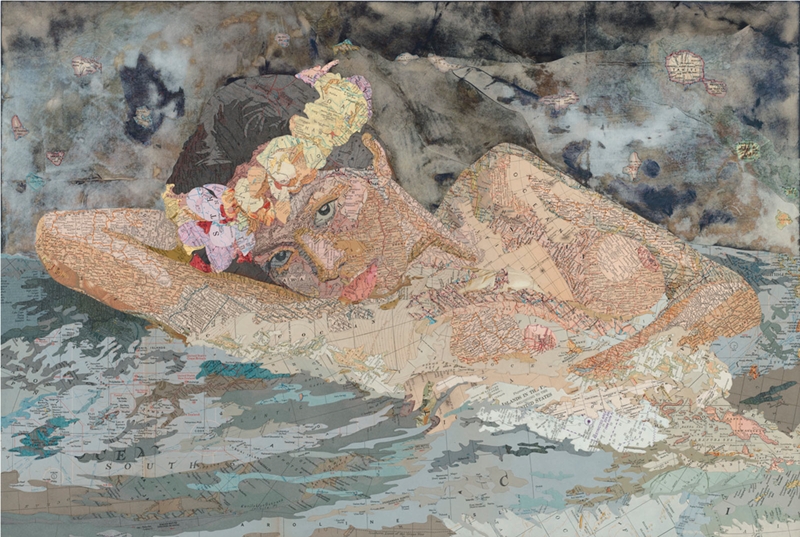
Matthew Cusick, 1970 | Paints with Maps

Matthew Cusick, 1970 | Paints with Maps

Matthew Cusick, American painter, was born in New York City and graduated from The Cooper Union with a BFA in 1993.
His work has been exhibited internationally since 1996, including New York City gallery shows at Andrew Kreps, Kent, and Pavel Zoubok.
Cusick was the recipient of a NYFA painting fellowship in 2006 and The Bemis Center for Contemporary Art residency fellowship in 2008.
He has been a visiting artist and lecturer at The Cooper Union and at University of Nevada, Las Vegas.
His work is held in numerous public and private collections including the San Diego Museum of Contemporary Art and the Progressive Art Collection.

Read More

Matthew Cusick, 1970 | Paints with Maps

Matthew Cusick, American painter, was born in New York City and graduated from The Cooper Union with a BFA in 1993.
His work has been exhibited internationally since 1996, including New York City gallery shows at Andrew Kreps, Kent, and Pavel Zoubok.
Cusick was the recipient of a NYFA painting fellowship in 2006 and The Bemis Center for Contemporary Art residency fellowship in 2008.
He has been a visiting artist and lecturer at The Cooper Union and at University of Nevada, Las Vegas.
His work is held in numerous public and private collections including the San Diego Museum of Contemporary Art and the Progressive Art Collection.


Henri-Frédéric Amiel: "The masses will always be below the average".. 1871

Henri-Frédéric Amiel: "The masses will always be below the average".. 1871

Journal Intime / 12th June 1871: - "Numbers make law, but goodness has nothing to do with figures.
Every fiction is self-expiating, and democracy rests upon this legal fiction, that the majority has not only force but reason on its side - that it possesses not only the right to act but the wisdom necessary for action.
The fiction is dangerous because of its flattery; the demagogues have always flattered the private feelings of the masses.

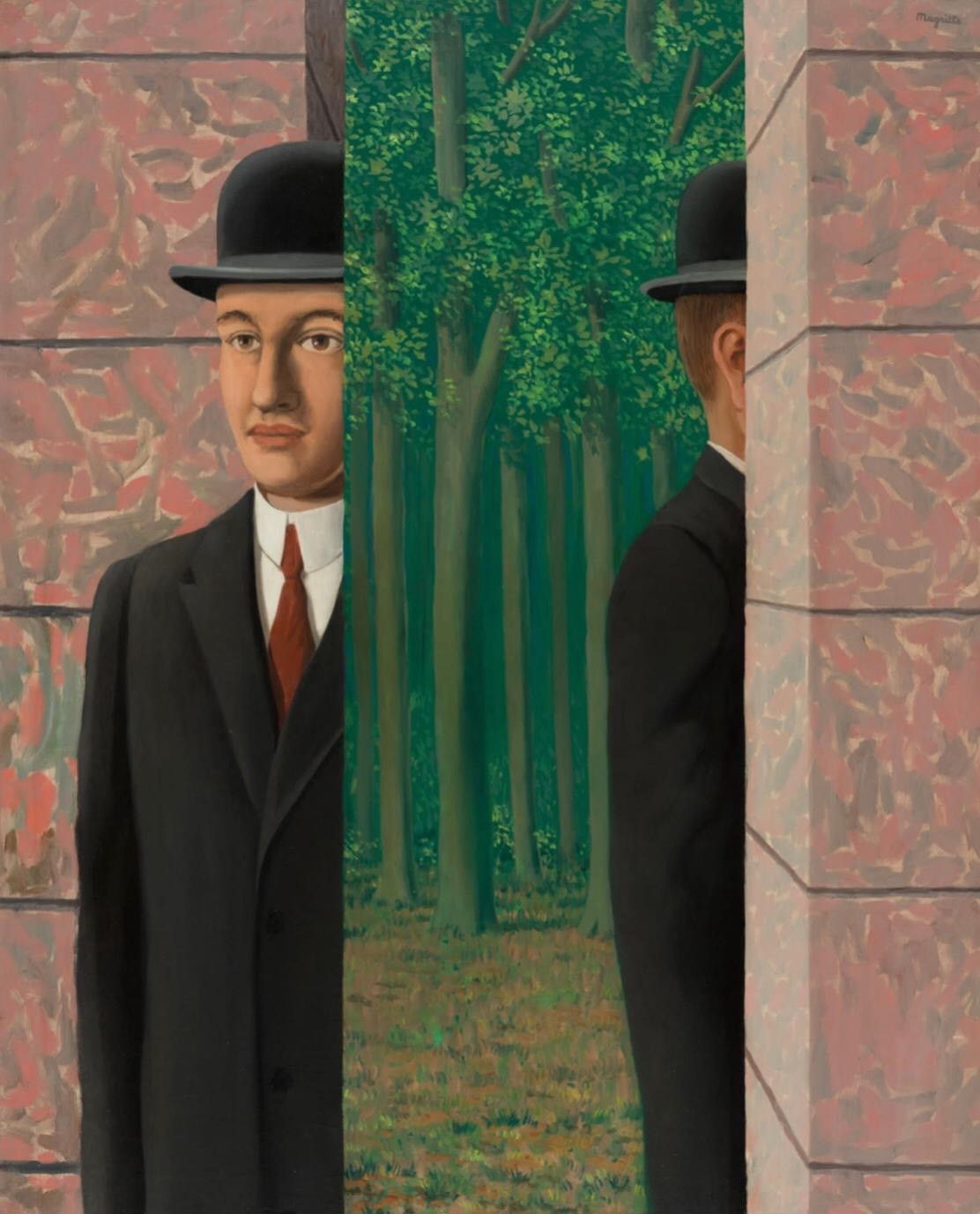
René Magritte (1898-1967) | Le lieu commun, 1964 | Christie's

Read More

Henri-Frédéric Amiel: "The masses will always be below the average".. 1871

Journal Intime / 12th June 1871: - "Numbers make law, but goodness has nothing to do with figures.
Every fiction is self-expiating, and democracy rests upon this legal fiction, that the majority has not only force but reason on its side - that it possesses not only the right to act but the wisdom necessary for action.
The fiction is dangerous because of its flattery; the demagogues have always flattered the private feelings of the masses.

René Magritte (1898-1967) | Le lieu commun, 1964 | Christie's

Maurice Ravel: "The only love affair I have ever had was with music!"

Maurice Ravel: "The only love affair I have ever had was with music!"

"Dobbiamo sempre ricordare che la sensibilità e l'emozione costituiscono il vero contenuto di un'opera d'arte".
"Music, I feel, must be emotional first and intellectual second".

"We should always remember that sensitiveness and emotion constitute the real content of a work of art".

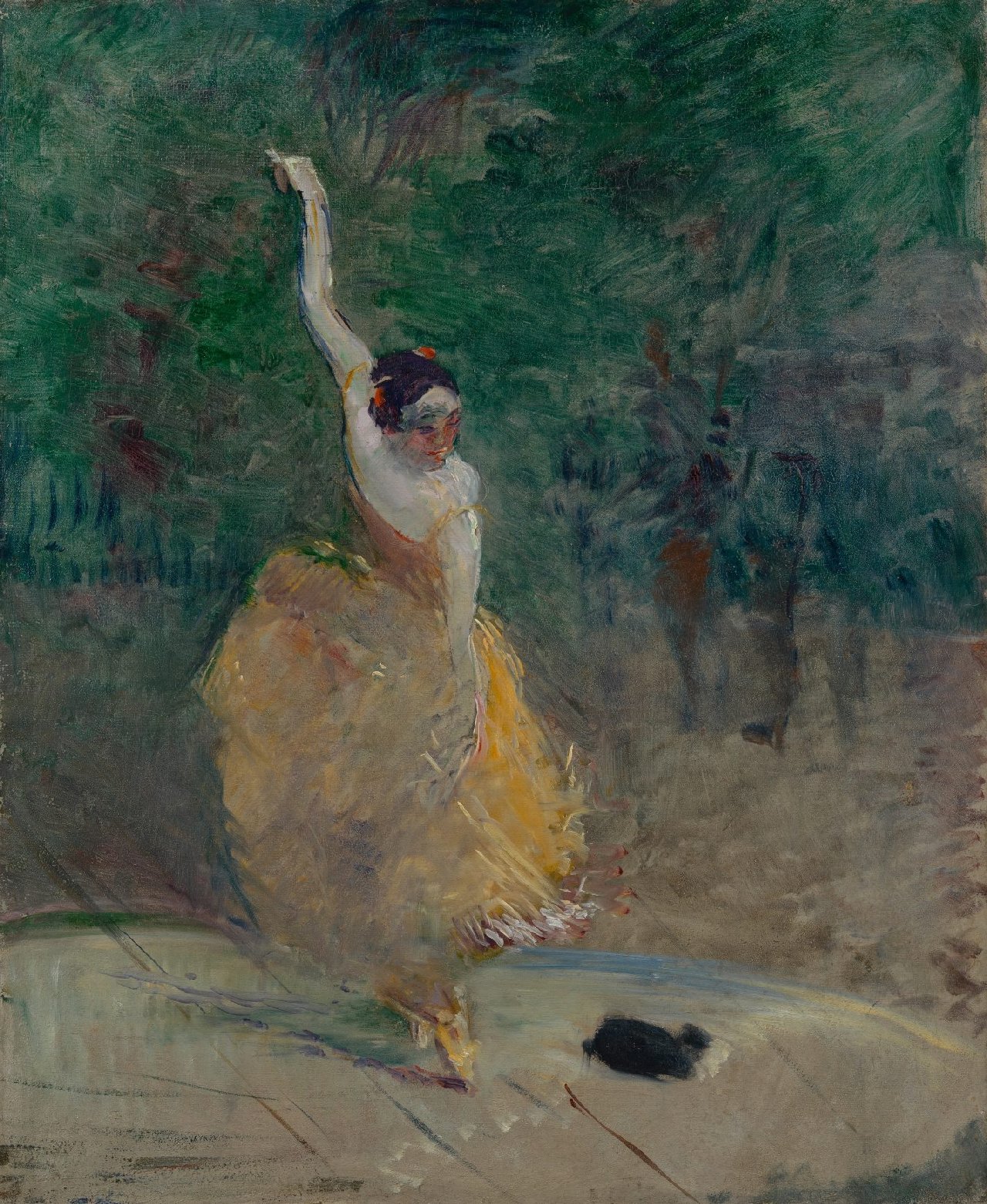
Henri de Toulouse-Lautrec | Spanish Dancer | Van Gogh Museum, Amsterdam

Read More

Maurice Ravel: "The only love affair I have ever had was with music!"

"Dobbiamo sempre ricordare che la sensibilità e l'emozione costituiscono il vero contenuto di un'opera d'arte".
"Music, I feel, must be emotional first and intellectual second".

"We should always remember that sensitiveness and emotion constitute the real content of a work of art".

Henri de Toulouse-Lautrec | Spanish Dancer | Van Gogh Museum, Amsterdam

René Magritte | The “Renoir” period, 1940-1947

René Magritte | The “Renoir” period, 1940-1947

- "For the period I call 'Surrealism in full sunlight', I am trying to join together two mutually exclusive things: one, a feeling of levity, intoxication, happiness, which depends on a certain mood and on an atmosphere that certain Impressionists, or rather, Impressionism in general, have managed to render in painting.
Without Impressionism, I do not believe we would know this feeling of real objects perceived through colours and nuances, and free of all classical reminiscences... and, two, a feeling of the mysterious quality of objects" - René Magritte.


Read More

René Magritte | The “Renoir” period, 1940-1947

- "For the period I call 'Surrealism in full sunlight', I am trying to join together two mutually exclusive things: one, a feeling of levity, intoxication, happiness, which depends on a certain mood and on an atmosphere that certain Impressionists, or rather, Impressionism in general, have managed to render in painting.
Without Impressionism, I do not believe we would know this feeling of real objects perceived through colours and nuances, and free of all classical reminiscences... and, two, a feeling of the mysterious quality of objects" - René Magritte.


Jacques-Émile Blanche | Portrait painter

Jacques-Émile Blanche | Portrait painter

Jacques-Émile Blanche (1861-1942) was a French painter and writer.
His father, a fashionable nerve specialist, owned a clinic where many of Blanche's sitters had been patients.
As a painter he had both talent and charm, and he enjoyed a great vogue in his day.
His work lacks originality and was much influenced by such contemporaries as James Tissot and John Singer Sargent.
The loose brushwork and subdued colouring of his portraits are also reminiscent of Edouard Manet and English 18th-century artists, especially Thomas Gainsborough.


Read More

Jacques-Émile Blanche | Portrait painter

Jacques-Émile Blanche (1861-1942) was a French painter and writer.
His father, a fashionable nerve specialist, owned a clinic where many of Blanche's sitters had been patients.
As a painter he had both talent and charm, and he enjoyed a great vogue in his day.
His work lacks originality and was much influenced by such contemporaries as James Tissot and John Singer Sargent.
The loose brushwork and subdued colouring of his portraits are also reminiscent of Edouard Manet and English 18th-century artists, especially Thomas Gainsborough.


Greek Art History and Sitemap

Greek Art History and Sitemap

Greek art began in the Cycladic and Minoan civilization, and gave birth to Western classical art in the subsequent Geometric, Archaic and Classical periods (with further developments during the Hellenistic Period).
It absorbed influences of Eastern civilizations, of Roman art and its patrons, and the new religion of Orthodox Christianity in the Byzantine era and absorbed Italian and European ideas during the period of Romanticism (with the invigoration of the Greek Revolution), until the Modernist and Postmodernist.
Greek art is mainly five forms: architecture, sculpture, painting, pottery and jewelry making.


Read More

Greek Art History and Sitemap

Greek art began in the Cycladic and Minoan civilization, and gave birth to Western classical art in the subsequent Geometric, Archaic and Classical periods (with further developments during the Hellenistic Period).
It absorbed influences of Eastern civilizations, of Roman art and its patrons, and the new religion of Orthodox Christianity in the Byzantine era and absorbed Italian and European ideas during the period of Romanticism (with the invigoration of the Greek Revolution), until the Modernist and Postmodernist.
Greek art is mainly five forms: architecture, sculpture, painting, pottery and jewelry making.


Jean-Etienne Liotard | Orientalist Pastel painter

Jean-Etienne Liotard | Orientalist Pastel painter

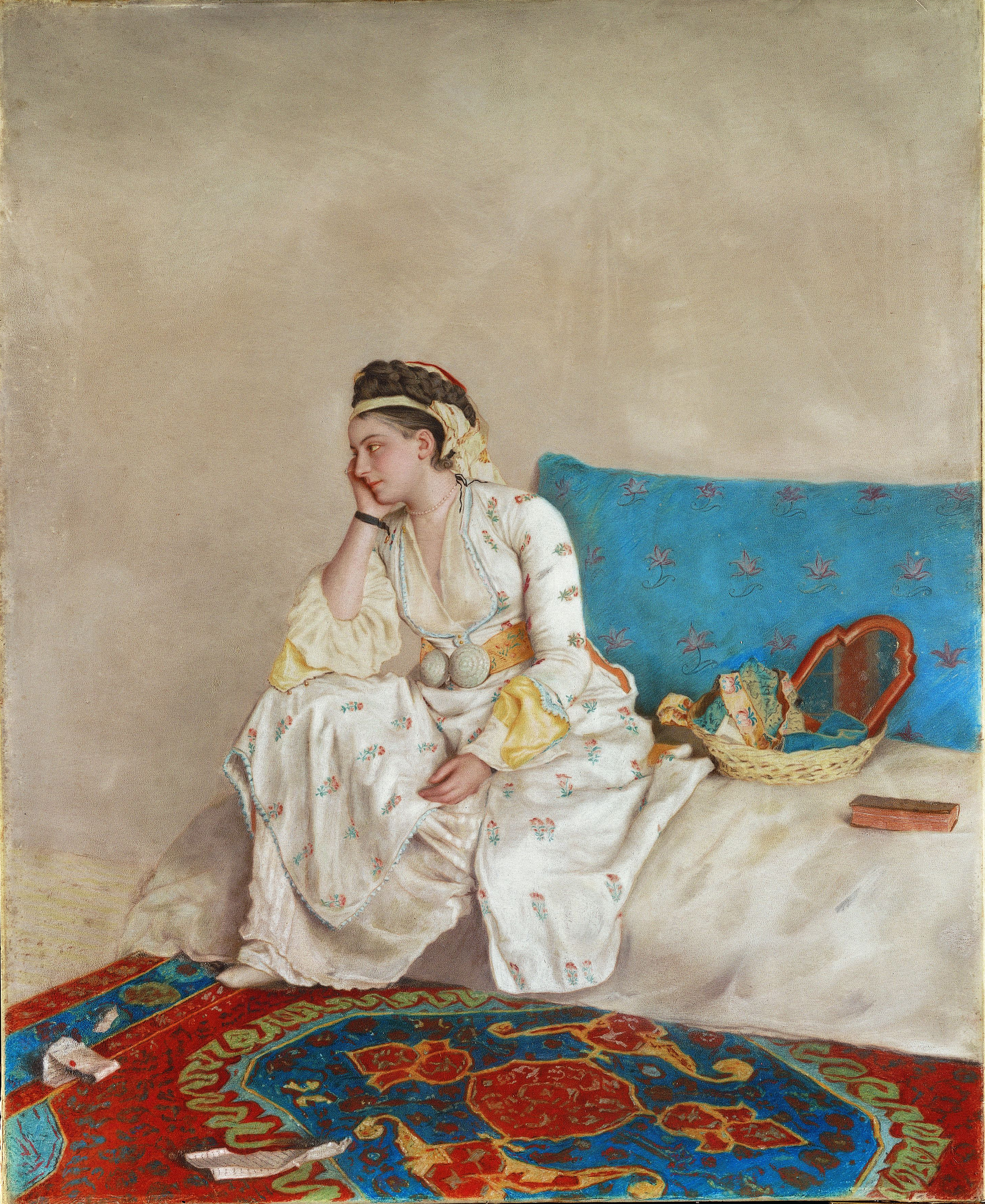
Jean Etienne Liotard | Woman in Turkish Dress, Seated on a Sofa, 1752 | The Metropolitan Museum of Art

Jean-Etienne Liotard was a widely traveled artist whose French Huguenot family had settled in Geneva, where he was born, owing to the passage of the Edict of Nantes.
From 1738 to 1742 he lived in Istanbul (Constantinople) and thereafter painted genre scenes of non-Muslim women in Turkish costume, such as this one, which were greatly admired throughout western Europe.
In pastel, his technique is colorful and exceptionally smooth and flawless.

Jean Etienne Liotard | Woman in Turkish Dress, seated on a Sofa, 1752 (pastel over red chalk underdrawing on parchment) | The Metropolitan Museum of Art

Read More

Jean-Etienne Liotard | Orientalist Pastel painter

Jean Etienne Liotard | Woman in Turkish Dress, Seated on a Sofa, 1752 | The Metropolitan Museum of Art

Jean-Etienne Liotard was a widely traveled artist whose French Huguenot family had settled in Geneva, where he was born, owing to the passage of the Edict of Nantes.
From 1738 to 1742 he lived in Istanbul (Constantinople) and thereafter painted genre scenes of non-Muslim women in Turkish costume, such as this one, which were greatly admired throughout western Europe.
In pastel, his technique is colorful and exceptionally smooth and flawless.

Jean Etienne Liotard | Woman in Turkish Dress, seated on a Sofa, 1752 (pastel over red chalk underdrawing on parchment) | The Metropolitan Museum of Art

Rachel Ruysch | Baroque painter

Rachel Ruysch | Baroque painter

Rachel Ruysch (1664-1750), who has been called the "most celebrated Dutch woman artist of the 17th and 18th centuries", was successful for nearly 70 years as a specialist in flower paintings.
Born in The Hague, Ruysch moved to Amsterdam with her family when she was three.
Her maternal grandfather, Pieter Post, was an important architect and her father, Frederik Ruysch, an eminent scientist from whom she learned how to observe and record nature with great accuracy.


Read More

Rachel Ruysch | Baroque painter

Rachel Ruysch (1664-1750), who has been called the "most celebrated Dutch woman artist of the 17th and 18th centuries", was successful for nearly 70 years as a specialist in flower paintings.
Born in The Hague, Ruysch moved to Amsterdam with her family when she was three.
Her maternal grandfather, Pieter Post, was an important architect and her father, Frederik Ruysch, an eminent scientist from whom she learned how to observe and record nature with great accuracy.