Leonardo da Vinci | De' riflessi

Leonardo da Vinci | De' riflessi

Trattato della Pittura - Parte quinta | Capitoli 769-779


Indice

769. Dell'ombra interposta infra lume incidente e lume riflesso.
770. Dove il riflesso dev'essere piú oscuro.
771. Perché i riflessi poco o niente si vedono ne' lumi universali.
772. Come il riflesso si genera ne' lumi universali.
773. Quali lumi facciano piú nota e spedita la figura de' muscoli.
774. Come i corpi bianchi si devono figurare.
775. Dell'occhio che sta al chiaro e vede il luogo oscuro.
776. Dell'occhio che vede le cose in luogo chiaro.
777. Delle ombre e lumi delle città.
778. Dell'illuminazione delle parti infime de' corpi insieme ristretti, come gli uomini in battaglia.
779. Del lume particolare.


Read More

Leonardo da Vinci | De' riflessi

Trattato della Pittura - Parte quinta | Capitoli 769-779


Indice

769. Dell'ombra interposta infra lume incidente e lume riflesso.
770. Dove il riflesso dev'essere piú oscuro.
771. Perché i riflessi poco o niente si vedono ne' lumi universali.
772. Come il riflesso si genera ne' lumi universali.
773. Quali lumi facciano piú nota e spedita la figura de' muscoli.
774. Come i corpi bianchi si devono figurare.
775. Dell'occhio che sta al chiaro e vede il luogo oscuro.
776. Dell'occhio che vede le cose in luogo chiaro.
777. Delle ombre e lumi delle città.
778. Dell'illuminazione delle parti infime de' corpi insieme ristretti, come gli uomini in battaglia.
779. Del lume particolare.


Leonardo da Vinci | Che differenza è da lustro a lume

Leonardo da Vinci | Che differenza è da lustro a lume

Trattato della Pittura
Parte quinta | Capitoli 760-768


Indice
670. Dell'universale illuminazione mista colla particolare del sole o di altri lumi.
671. Dell'ombra media, la quale s'interpone infra la parte illuminata e l'ombrosa de' corpi.
672. Se il gran lume di poca potenza val quanto un piccolo lume di gran potenza.
673. Del mezzo incluso infra i lumi e le ombre principali.


Read More

Leonardo da Vinci | Che differenza è da lustro a lume

Trattato della Pittura
Parte quinta | Capitoli 760-768


Indice
670. Dell'universale illuminazione mista colla particolare del sole o di altri lumi.
671. Dell'ombra media, la quale s'interpone infra la parte illuminata e l'ombrosa de' corpi.
672. Se il gran lume di poca potenza val quanto un piccolo lume di gran potenza.
673. Del mezzo incluso infra i lumi e le ombre principali.


Leonardo da Vinci | Dell'ombra e lume, e della prospettiva

Leonardo da Vinci | Dell'ombra e lume, e della prospettiva

Trattato della Pittura
Parte quinta | Capitoli 533-560


Indice
533. Che cosa è ombra.
534. Che differenza è da ombra a tenebre.
535. Da che deriva l'ombra.
536. Dell'essere dell'ombra per sé.
537. Che cosa è ombra e lume, e qual è di maggior potenza.
538. Che sia ombra e tenebre.
539. In quante parti si divide l'ombra.
540. Dell'ombra e sua divisione.
541. Di due specie di ombre ed in quante parti si dividono.
542. Qual è più oscura, o l'ombra primitiva o l'ombra derivativa.
543. Che differenza è da ombra a tenebre.
544. Che differenza è da ombra semplice a ombra composta.
545. Che differenza è da lume composto a ombra composta.
546. Come sempre il lume composto e l'ombra composta confinano insieme.
547. Che il termine dell'ombra semplice sarà di minor notizia.
548. Dell'ombra derivativa composta.
549. Come l'ombra primitiva e derivativa sono congiunte.
550. Come l'ombra semplice con l'ombra composta si congiunge.
551. Della semplice e composta ombra primitiva.
552. De' termini dell'ombra composta.
553. Del termine dell'ombra semplice.
554. Che ombra fa il lume eguale all'ombroso nella figura delle sue ombre.
555. Che ombra fa l'ombroso maggiore del luminoso.
556. Quante sono le sorta delle ombre.
557. Quante sono le specie delle ombre.
558. Di quante sorta è l'ombra primitiva.
559. In quanti modi si varia l'ombra primitiva.
560. Che varietà ha l'ombra derivativa.

533. Che cosa è ombra.


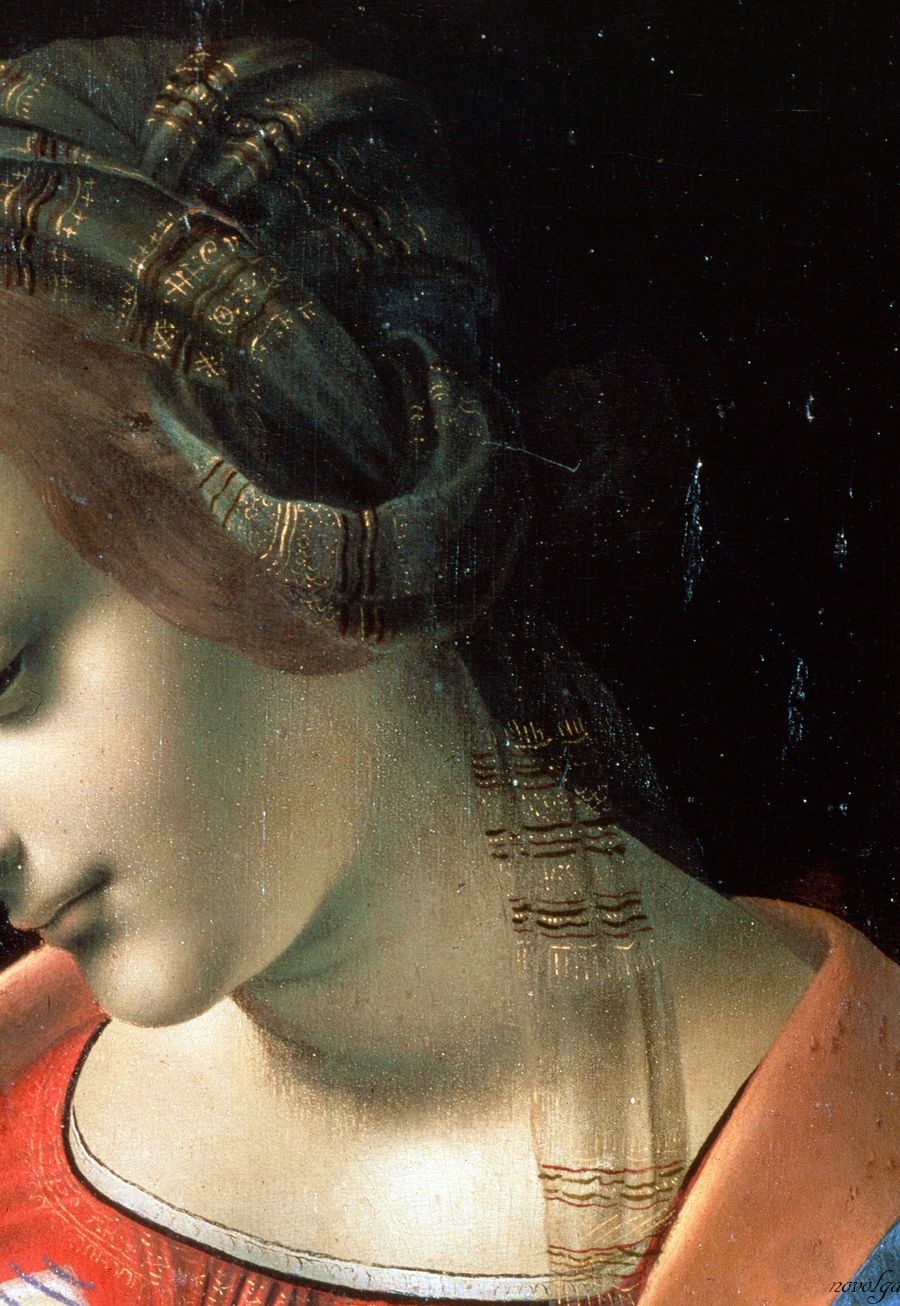
L'ombra, nominata per il proprio suo vocabolo, è da esser chiamata alleviazione di lume applicato alla superficie de' corpi, della quale il principio è nel fine della luce, ed il fine è nelle tenebre.

Read More

Leonardo da Vinci | Dell'ombra e lume, e della prospettiva

Trattato della Pittura
Parte quinta | Capitoli 533-560


Indice
533. Che cosa è ombra.
534. Che differenza è da ombra a tenebre.
535. Da che deriva l'ombra.
536. Dell'essere dell'ombra per sé.
537. Che cosa è ombra e lume, e qual è di maggior potenza.
538. Che sia ombra e tenebre.
539. In quante parti si divide l'ombra.
540. Dell'ombra e sua divisione.
541. Di due specie di ombre ed in quante parti si dividono.
542. Qual è più oscura, o l'ombra primitiva o l'ombra derivativa.
543. Che differenza è da ombra a tenebre.
544. Che differenza è da ombra semplice a ombra composta.
545. Che differenza è da lume composto a ombra composta.
546. Come sempre il lume composto e l'ombra composta confinano insieme.
547. Che il termine dell'ombra semplice sarà di minor notizia.
548. Dell'ombra derivativa composta.
549. Come l'ombra primitiva e derivativa sono congiunte.
550. Come l'ombra semplice con l'ombra composta si congiunge.
551. Della semplice e composta ombra primitiva.
552. De' termini dell'ombra composta.
553. Del termine dell'ombra semplice.
554. Che ombra fa il lume eguale all'ombroso nella figura delle sue ombre.
555. Che ombra fa l'ombroso maggiore del luminoso.
556. Quante sono le sorta delle ombre.
557. Quante sono le specie delle ombre.
558. Di quante sorta è l'ombra primitiva.
559. In quanti modi si varia l'ombra primitiva.
560. Che varietà ha l'ombra derivativa.

533. Che cosa è ombra.


L'ombra, nominata per il proprio suo vocabolo, è da esser chiamata alleviazione di lume applicato alla superficie de' corpi, della quale il principio è nel fine della luce, ed il fine è nelle tenebre.
Leonardo da Vinci | De' panni e modo di vestir le figure..

Leonardo da Vinci | De' panni e modo di vestir le figure..

Trattato della Pittura
Parte quarta | Capitoli 517-532


Indice
517. De' panni che vestono le figure.
518. Delle maniere rotte o salde de' panni che vestono le figure.
519. Del vestire le figure con grazia.
520. De' panni che vestono le figure, e pieghe loro.
521. Del modo di vestire le figure.
522. De' vestimenti.
523. De' panni volanti o stabili.
524. Operazioni de' panni e loro pieghe, che sono di tre nature.
525. Delle nature delle pieghe de' panni.
526. Come si devono dare le pieghe ai panni.
527. Delle poche pieghe de' panni.
528. Delle pieghe de' panni in iscorto.
529. De' modi del vestire le figure, ed abiti diversi.
530. Dell'occhio che vede pieghe de' panni che circondano l'uomo.
531. Delle pieghe de' panni.
532. Delle pieghe.


Read More

Leonardo da Vinci | De' panni e modo di vestir le figure..

Trattato della Pittura
Parte quarta | Capitoli 517-532


Indice
517. De' panni che vestono le figure.
518. Delle maniere rotte o salde de' panni che vestono le figure.
519. Del vestire le figure con grazia.
520. De' panni che vestono le figure, e pieghe loro.
521. Del modo di vestire le figure.
522. De' vestimenti.
523. De' panni volanti o stabili.
524. Operazioni de' panni e loro pieghe, che sono di tre nature.
525. Delle nature delle pieghe de' panni.
526. Come si devono dare le pieghe ai panni.
527. Delle poche pieghe de' panni.
528. Delle pieghe de' panni in iscorto.
529. De' modi del vestire le figure, ed abiti diversi.
530. Dell'occhio che vede pieghe de' panni che circondano l'uomo.
531. Delle pieghe de' panni.
532. Delle pieghe.


Frida Kahlo: I paint self-portraits because I am so often alone..

Frida Kahlo: I paint self-portraits because I am so often alone..


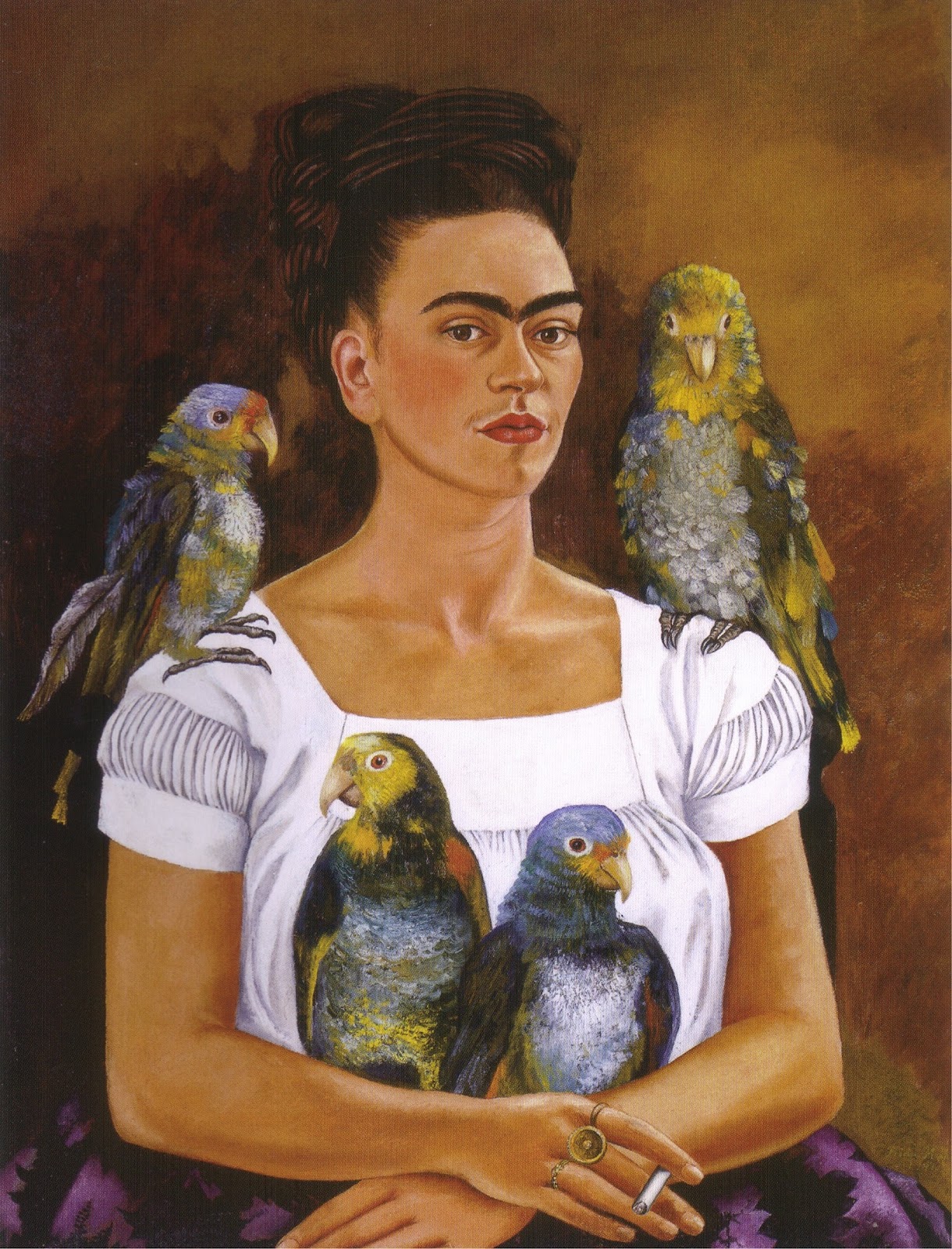
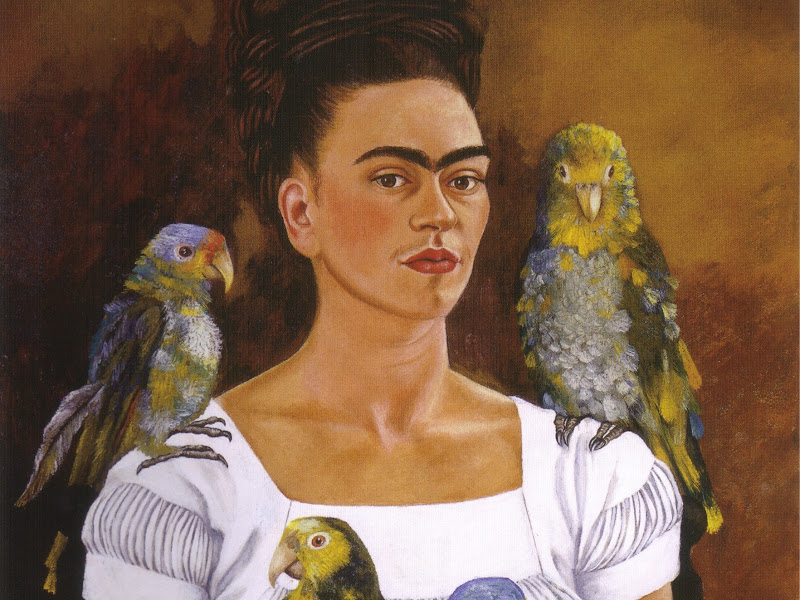
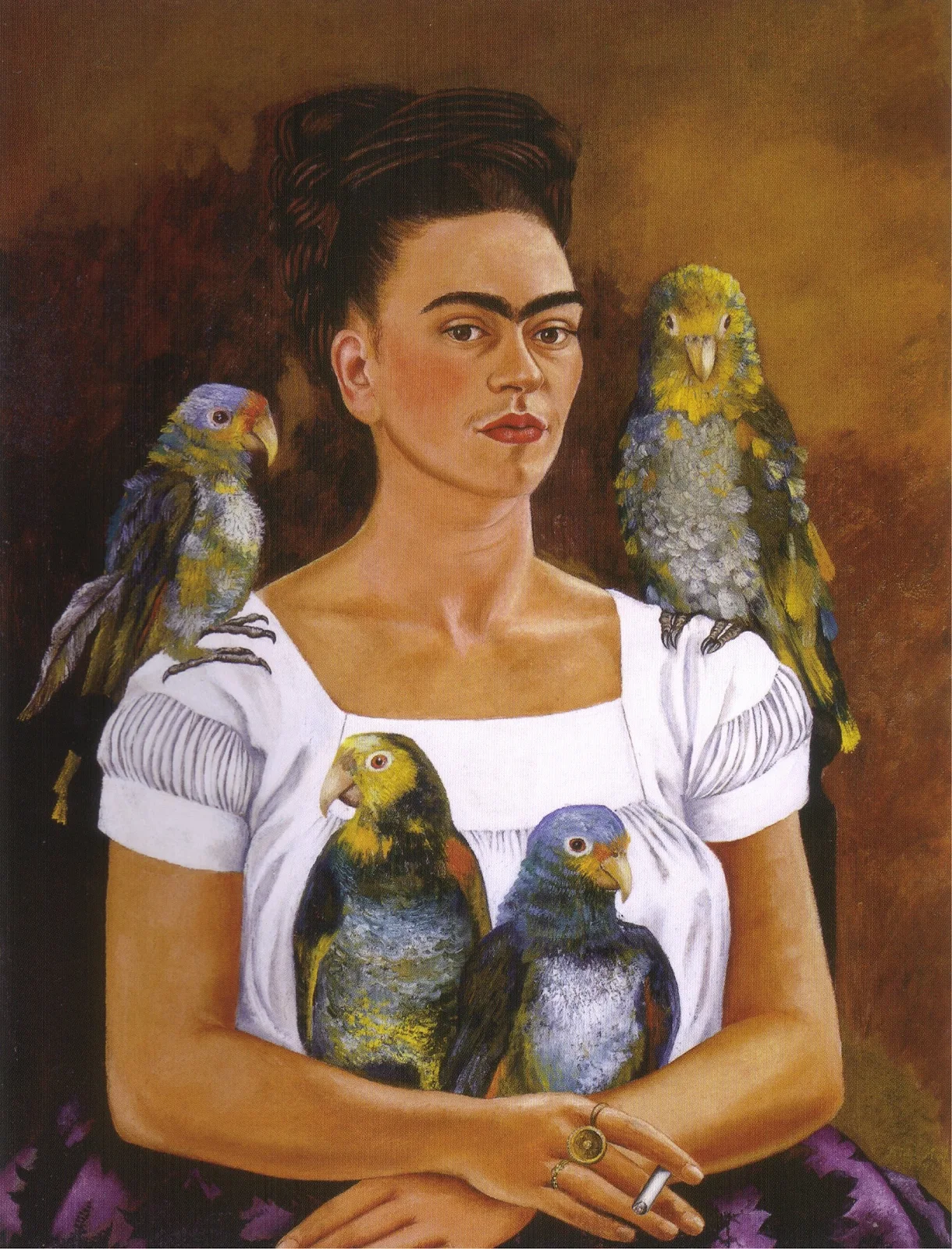
"I paint self-portraits because I am so often alone, because I am the person I know best.."
"Dipingo me stessa perché passo molto tempo da sola e sono il soggetto che conosco meglio.."

Read More

Frida Kahlo: I paint self-portraits because I am so often alone..


"I paint self-portraits because I am so often alone, because I am the person I know best.."
"Dipingo me stessa perché passo molto tempo da sola e sono il soggetto che conosco meglio.."

Leonardo da Vinci | De' movimenti dell'uomo e proporzione di membra..

Leonardo da Vinci | De' movimenti dell'uomo e proporzione di membra..

Trattato della Pittura
Parte terza | Capitoli 259-286


Indice
259. Delle mutazioni delle misure dell'uomo pel movimento delle membra a diversi aspetti.
260. Delle mutazioni delle misure dell'uomo dal nascimento al suo ultimo crescimento.
261. Come i puttini hanno le giunture contrarie agli uomini nelle loro grossezze.
262. Delle differenti misure che v'hanno fra i putti e gli uomini.
263. Delle giunture delle dita.
264. Delle giunture delle spalle, e loro accrescimenti e diminuzioni.
265. Delle spalle.
266. Delle misure universali de' corpi.
267. Delle misure del corpo umano e piegamenti di membra.
268. Della proporzionalità delle membra.
269. Della giuntura della mano col braccio.


Read More

Leonardo da Vinci | De' movimenti dell'uomo e proporzione di membra..

Trattato della Pittura
Parte terza | Capitoli 259-286


Indice
259. Delle mutazioni delle misure dell'uomo pel movimento delle membra a diversi aspetti.
260. Delle mutazioni delle misure dell'uomo dal nascimento al suo ultimo crescimento.
261. Come i puttini hanno le giunture contrarie agli uomini nelle loro grossezze.
262. Delle differenti misure che v'hanno fra i putti e gli uomini.
263. Delle giunture delle dita.
264. Delle giunture delle spalle, e loro accrescimenti e diminuzioni.
265. Delle spalle.
266. Delle misure universali de' corpi.
267. Delle misure del corpo umano e piegamenti di membra.
268. Della proporzionalità delle membra.
269. Della giuntura della mano col braccio.


Loggia dei Lanzi, 1380 | Open-air museum in Florence

Loggia dei Lanzi, 1380 | Open-air museum in Florence

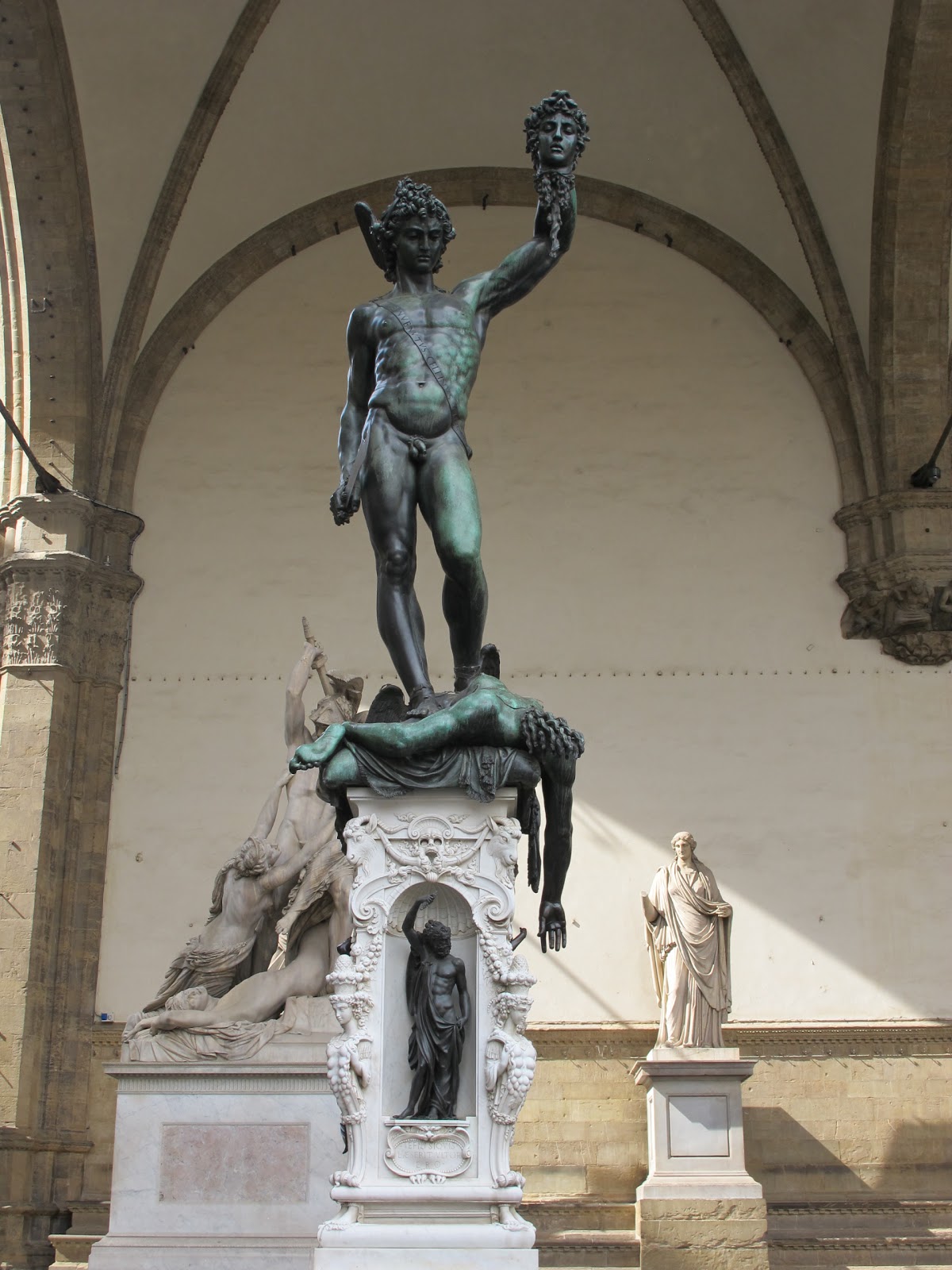
In the Piazza della Signoria, adjoining the Uffizi Palace, there is a masterpiece of Medieval architecture: the Loggia della Signoria, built in about 1380, to host public ceremonies and assemblies, during the republican period.
It is called Loggia dei Lanzi, because it is said that landsknechts (lanzichenecchi or lanzi in Italian) encamped here in 1527, while they were going to Rome.

According to another version, landsknechts - who were German mercenary soldiers - formed the guard of the Duke Alessandro de’ Medici and they stayed in the loggia to occupy an important and symbolic place for the republic, that was dead.

The Loggia is also called "dell'Orcagna", because it was once thought that Andrea di Cione, called the Orcagna, built it: actually his brother Benci with Simone Talenti made it. Maybe Orcagna worked on the project of the building.

Built during the 14th century, the loggia is a Gothic style building, but its three big rounded arches paved the way to the great Renaissance architecture: it seems that Brunelleschi took inspiration for his Spedale degli Innocenti from it. During the 16th century, the Loggia lose its original function and became an open air museum.

It hosts some ancient Roman sculptures and some masterpieces from the 16th century:

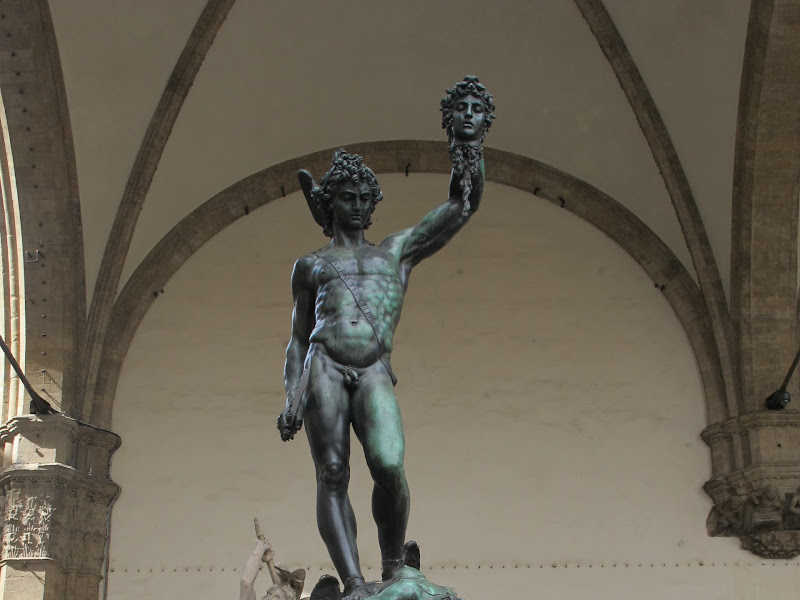
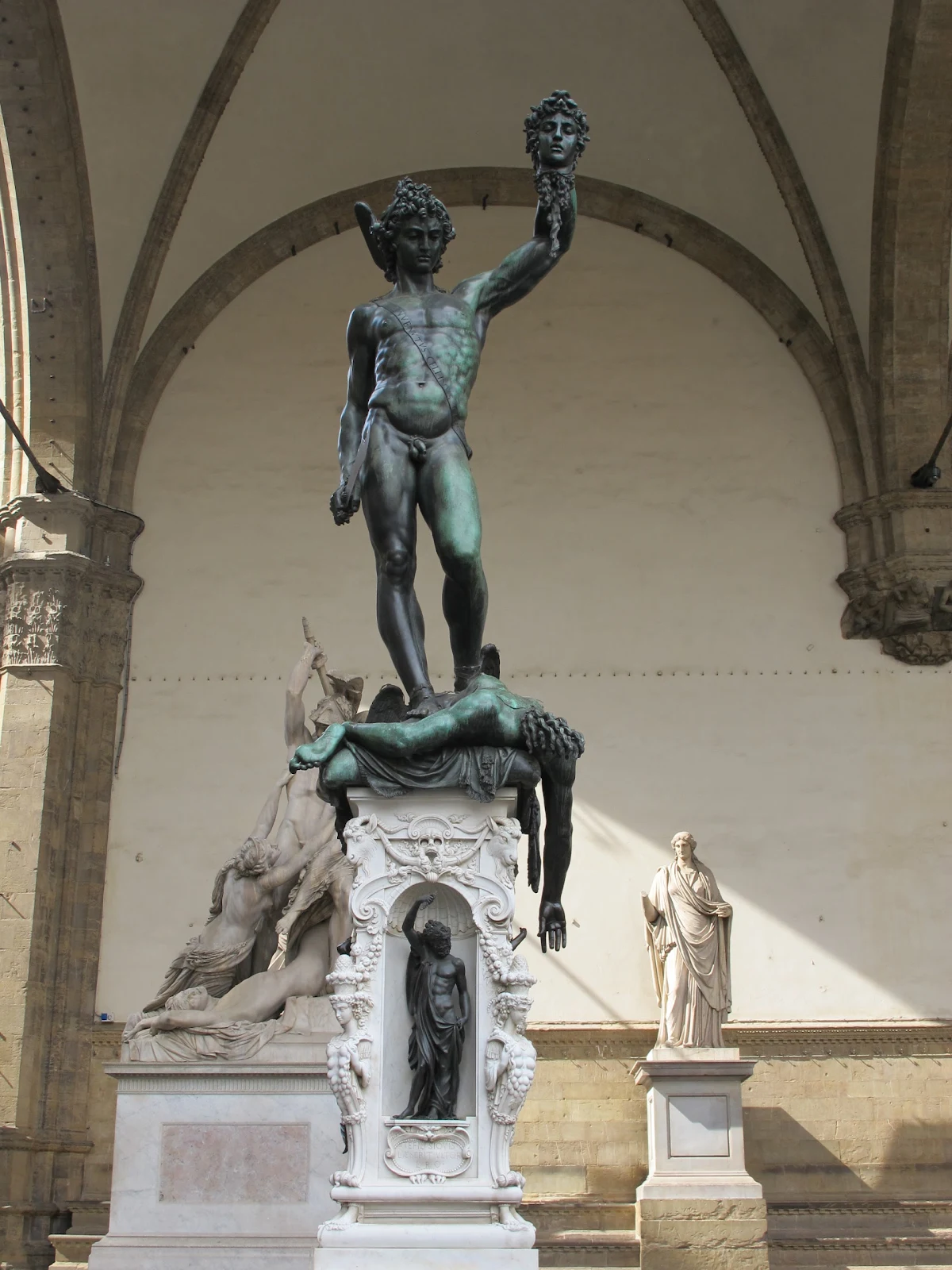
The Perseus with the Head of Medusa | Benvenuto Cellini - On the far left there is Perseus, a magnificent bronze statue by Benvenuto Cellini, commissioned by Cosimo I de’ Medici and placed here in 1554.


Read More

Loggia dei Lanzi, 1380 | Open-air museum in Florence

In the Piazza della Signoria, adjoining the Uffizi Palace, there is a masterpiece of Medieval architecture: the Loggia della Signoria, built in about 1380, to host public ceremonies and assemblies, during the republican period.
It is called Loggia dei Lanzi, because it is said that landsknechts (lanzichenecchi or lanzi in Italian) encamped here in 1527, while they were going to Rome.

According to another version, landsknechts - who were German mercenary soldiers - formed the guard of the Duke Alessandro de’ Medici and they stayed in the loggia to occupy an important and symbolic place for the republic, that was dead.

The Loggia is also called "dell'Orcagna", because it was once thought that Andrea di Cione, called the Orcagna, built it: actually his brother Benci with Simone Talenti made it. Maybe Orcagna worked on the project of the building.

Built during the 14th century, the loggia is a Gothic style building, but its three big rounded arches paved the way to the great Renaissance architecture: it seems that Brunelleschi took inspiration for his Spedale degli Innocenti from it. During the 16th century, the Loggia lose its original function and became an open air museum.

It hosts some ancient Roman sculptures and some masterpieces from the 16th century:

The Perseus with the Head of Medusa | Benvenuto Cellini - On the far left there is Perseus, a magnificent bronze statue by Benvenuto Cellini, commissioned by Cosimo I de’ Medici and placed here in 1554.


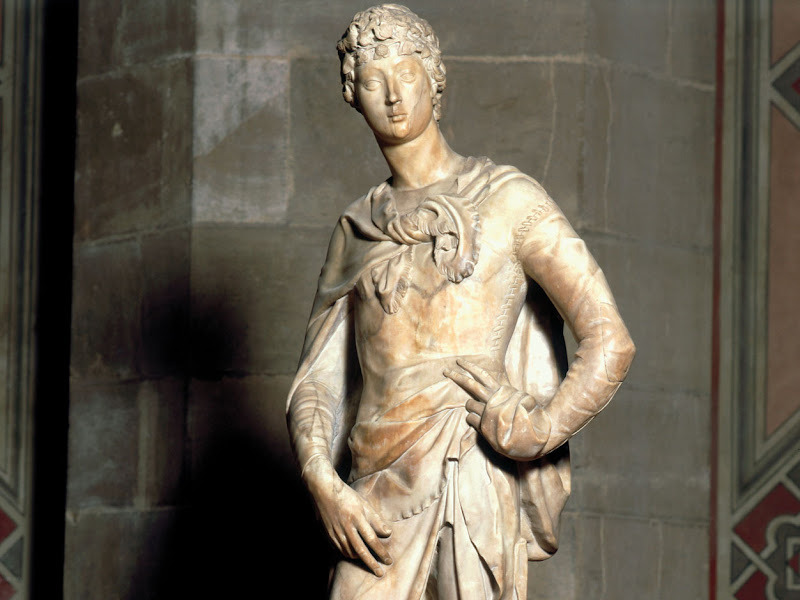
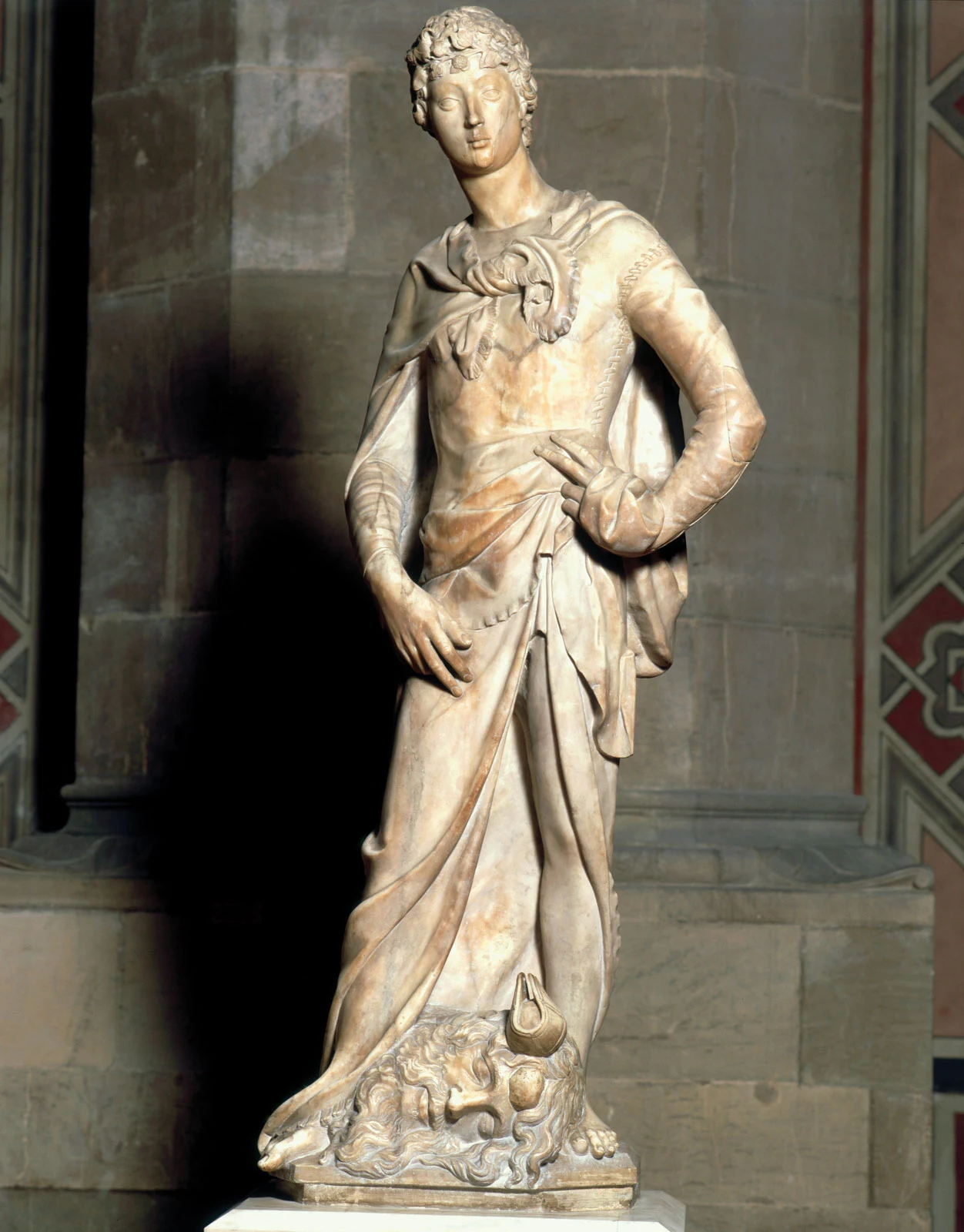
Donatello | The marble David, 1409

Donatello | The marble David, 1409


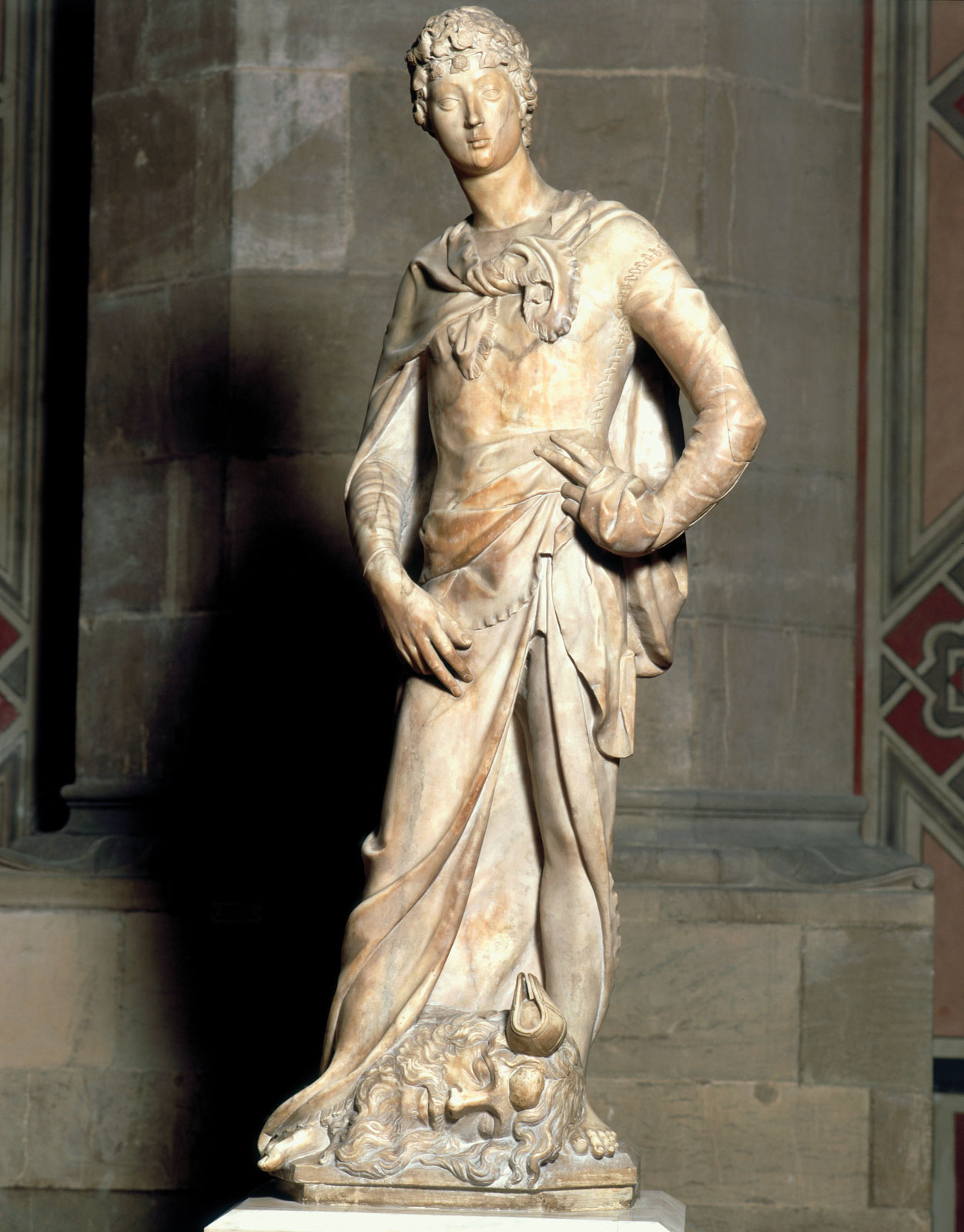
Donatello*, in his early twenties, was commissioned to carve a statue of David in 1408, to top one of the buttresses of Florence Cathedral, though it was never to be placed there. Nanni di Banco was commissioned to carve a marble statue of Isaiah, at the same scale, in the same year.
Read More

Donatello | The marble David, 1409


Donatello*, in his early twenties, was commissioned to carve a statue of David in 1408, to top one of the buttresses of Florence Cathedral, though it was never to be placed there. Nanni di Banco was commissioned to carve a marble statue of Isaiah, at the same scale, in the same year.
Tarcsay Bela, 1952 | Abstract painter

Tarcsay Bela, 1952 | Abstract painter


Béla Tarcsay was born in Nagykanizsa, Hungary. He lives in Szeged since 2000.
He is dealing with fine arts since 1994.
He intends to show in his paintings his love of nature.
He got his knowledge in fine arts in a self-educated manner. Beside oil paintings he makes attempts at graphics and pastel technique.

Read More

Tarcsay Bela, 1952 | Abstract painter


Béla Tarcsay was born in Nagykanizsa, Hungary. He lives in Szeged since 2000.
He is dealing with fine arts since 1994.
He intends to show in his paintings his love of nature.
He got his knowledge in fine arts in a self-educated manner. Beside oil paintings he makes attempts at graphics and pastel technique.

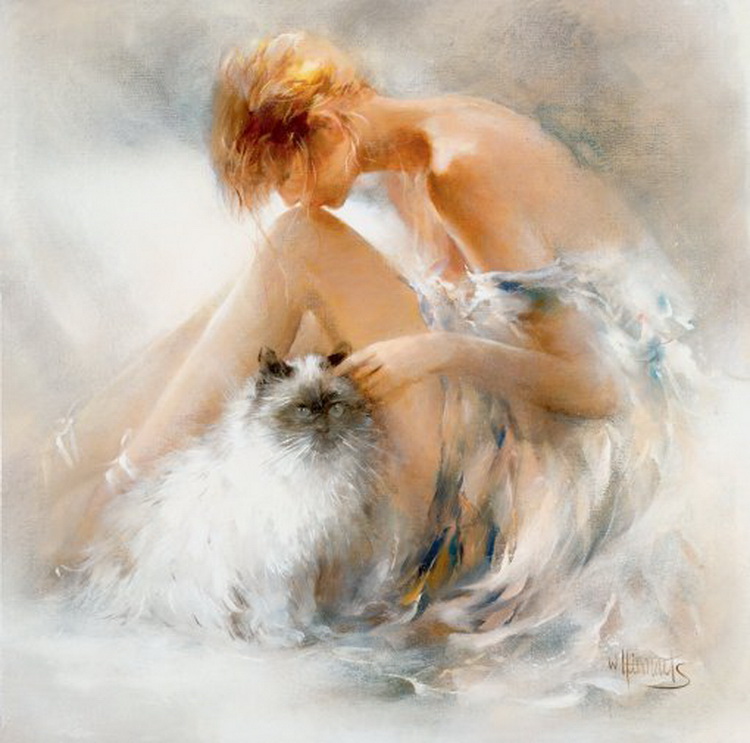
Willem Haenraets / William Shakespeare | Romantic Rhythm

Willem Haenraets / William Shakespeare | Romantic Rhythm

Il mio occhio s'è fatto pittore ed ha tracciato
L'immagine tua bella sul quadro del mio cuore;
il mio corpo è cornice in cui è racchiusa,
Prospettica, eccellente arte pittorica,
Ché attraverso il pittore devi vederne l'arte
Per trovar dove sia la tua autentica immagine dipinta,

Willem Haenraets 1940 - Hollandaise Impressionist painter

Read More

Willem Haenraets / William Shakespeare | Romantic Rhythm

Il mio occhio s'è fatto pittore ed ha tracciato
L'immagine tua bella sul quadro del mio cuore;
il mio corpo è cornice in cui è racchiusa,
Prospettica, eccellente arte pittorica,
Ché attraverso il pittore devi vederne l'arte
Per trovar dove sia la tua autentica immagine dipinta,

Willem Haenraets 1940 - Hollandaise Impressionist painter

Tenaya Sims | Figurative painter

Tenaya Sims | Figurative painter


Tenaya Sims received a BFA in painting and drawing at Carnegie Mellon University in Pittsburgh, Pennsylvania.
After working several years as a graphic artist in the video games industry for Activision, he began his classical studies at the Jeff Watts🎨 Atelier in Encinitas, CA.
He then moved to Seattle where he has completed four years of full-time study in the Gage Classical Atelier.

Read More

Tenaya Sims | Figurative painter


Tenaya Sims received a BFA in painting and drawing at Carnegie Mellon University in Pittsburgh, Pennsylvania.
After working several years as a graphic artist in the video games industry for Activision, he began his classical studies at the Jeff Watts🎨 Atelier in Encinitas, CA.
He then moved to Seattle where he has completed four years of full-time study in the Gage Classical Atelier.

Rosso Fiorentino | Mannerist painter

Rosso Fiorentino | Mannerist painter


Italian painter and decorator, Rosso Fiorentino (1494-1540), original name Giovanni Battista di Jacopo, was an exponent of the expressive style that is often called early, or Florentine Mannerism, and one of the founders of the Fontainebleau school.

Read More

Rosso Fiorentino | Mannerist painter


Italian painter and decorator, Rosso Fiorentino (1494-1540), original name Giovanni Battista di Jacopo, was an exponent of the expressive style that is often called early, or Florentine Mannerism, and one of the founders of the Fontainebleau school.

Pontormo | Portrait of Maria Salviati, 1543-1544

Pontormo | Portrait of Maria Salviati, 1543-1544

Portrait of Maria Salviati is an oil on panel painting attributed to Pontormo, executed c. 1543-1544, in the Uffizi, Florence.
It was acquired by the Uffizi early in the 20th century as a work by Domenico Beccafumi.
Soon afterwards Lányi identified it as a portrait of Cosimo I's mother Maria Salviati by Pontormo mentioned in Lives of the Artists by Giorgio Vasari.

Jacopo Pontormo | Portrait of Maria Salviati de' Medici, 1543-1544 | Uffizi, Florence

Read More

Pontormo | Portrait of Maria Salviati, 1543-1544

Portrait of Maria Salviati is an oil on panel painting attributed to Pontormo, executed c. 1543-1544, in the Uffizi, Florence.
It was acquired by the Uffizi early in the 20th century as a work by Domenico Beccafumi.
Soon afterwards Lányi identified it as a portrait of Cosimo I's mother Maria Salviati by Pontormo mentioned in Lives of the Artists by Giorgio Vasari.

Jacopo Pontormo | Portrait of Maria Salviati de' Medici, 1543-1544 | Uffizi, Florence

Vitaly Tikhov | Social realist painter

Vitaly Tikhov | Social realist painter

Тихов Виталий Гаврилович (1876-1939) was an Ukrainian painter, one of the best and most talented students in Vladimir Makovsky's studio.
In the early 1910s his magnificent, large-format "bath-house" paintings were especially successful and much admired, and for these he was twice awarded the graduation Gold Medal of the Academy of Fine Arts, having studied there on two separate occasions.


Read More

Vitaly Tikhov | Social realist painter

Тихов Виталий Гаврилович (1876-1939) was an Ukrainian painter, one of the best and most talented students in Vladimir Makovsky's studio.
In the early 1910s his magnificent, large-format "bath-house" paintings were especially successful and much admired, and for these he was twice awarded the graduation Gold Medal of the Academy of Fine Arts, having studied there on two separate occasions.


Cesare Augusto Detti | Belle Époque painter

Cesare Augusto Detti | Belle Époque painter

A painter from Spoleto who moved to Paris during the Belle Epoque, Cesare Augusto Detti (1847-1914) was an Italian artist, best known for his historical genre paintings in the nineteenth century.
Some of his works are included in the collections of the Uffizi and Galleria Borghese of Rome.
His father, Davide Detti, was an engineer and an amateur painter. As a result, his early interest in art was encouraged.
In 1861, he made the acquaintance of Francesco Coghetti, a painter from Rome who was creating murals at the Teatro Nuovo (now known as the Teatro Nuovo Gian Carlo Menotti).


Read More

Cesare Augusto Detti | Belle Époque painter

A painter from Spoleto who moved to Paris during the Belle Epoque, Cesare Augusto Detti (1847-1914) was an Italian artist, best known for his historical genre paintings in the nineteenth century.
Some of his works are included in the collections of the Uffizi and Galleria Borghese of Rome.
His father, Davide Detti, was an engineer and an amateur painter. As a result, his early interest in art was encouraged.
In 1861, he made the acquaintance of Francesco Coghetti, a painter from Rome who was creating murals at the Teatro Nuovo (now known as the Teatro Nuovo Gian Carlo Menotti).