Gustave Caillebotte | Stile e contenuti

Gustave Caillebotte | Stile e contenuti

Nonostante l'impegno impressionista Caillebotte interpretò gli stilemi del movimento in modo assolutamente personale, senza abdicare alla propria formazione e ubbidendo soprattutto alla propria sensibilità.
Alla poetica dell'attimo fuggente e irripetibile, colto in un solo battito di ciglia, egli preferì infatti la solida costruttività del disegno, già appreso durante il discepolato con Bonnat: in aperta controtendenza con l'impostazione impressionista, d'altronde, egli era solito meditare a lungo sulle composizioni, realizzando talora diversi schizzi preparatori.
L'originalità del Caillebotte, dunque, sta proprio nel mirabile equilibrio con cui riusciva a fondere la sua dichiarata matrice accademica con gli spunti di modernità, intelligentemente soppesati e impiegati.
Non desta meraviglia, pertanto, che lo stile di Caillebotte non è interamente impressionista, bensì presenta anche contaminazioni accademiste e realiste.

Marilyn Simandle | Plein air painter

Marilyn Simandle | Plein air painter


Marilyn Simandle has always known that she would become an artist. Learning from her mother, a musician and painter, Marilyn started painting watercolors at age 6. She received her BA Arts Degree from San Jose State Univ. and went on to share her inspiration with the world.
A native Californian, she now resides in the Santa Ynez Valley where she explores all her passions: Painting, gardening and playing the piano. The former stewardess is an avid traveler and photographer that keep her fully stocked with subject matter for painting. Her late husband and acclaimed artist, Ted Goerschner, graduated to be with the Lord in 2012.


Sir John Lavery R.A. | Plein Air / Portrait painter

Sir John Lavery R.A. | Plein Air / Portrait painter


Sir John Lavery R.A. (1856-1941)* was a well-known Irish-born British painter*, associated with the Glasgow Boys*, a group of artists who followed the French "En plein air*" movement.
Sir John Lavery R.A. was born in Belfast in 1856 and educated in Glasgow, London and Paris.

For biographical notes -in english and italian- and other works by Lavery see: Sir John Lavery R.A. | The Glasgow School of Art*.


Cristina Fornarelli, 1978 | Palette knife painter

Cristina Fornarelli, 1978 | Palette knife painter

Cristina Fornarelli was born in Bari, Italy.
After art school, she attended the Institute of Industrial Design in Rome where she still lives and works.
She has taken part in many national and international art fairs.
The subjects of her paintings are always women in equilibrium, hanging on swings, dangling in the air, dancing in an indefinite space emphasizing this delicate atmosphere.


Lorenzo Lotto | High Renaissance painter

Lorenzo Lotto | High Renaissance painter

Lorenzo Lotto, (1480-1556), late Renaissance Italian painter known for his perceptive portraits and mystical paintings of religious subjects.
He represents one of the best examples of the fruitful relationship between the Venetian and Central Italian (Marche) schools.


Guy Denning, 1965 | Abstract painter

Guy Denning, 1965 | Abstract painter


Guy Denning, born in North Somerset, has been obsessed with visual art since childhood and started painting in oils at the age of eleven after receiving a set of old paints from a relative that had grown bored with them.
Through the 1980s he was repeatedly unsuccessful in his applications to study painting at degree level but continued painting whilst studying art history with the Open University and learning painting technique from older painters he knew in the west of England.


Cayetano De Arquer Buigas | Impressionist painter

Cayetano De Arquer Buigas | Impressionist painter

Cayetano de Arquer Buigas (1932-2012) was a Catalan contemporary figurative painter, especially known for capturing the beauty, sensitivity and delicacy of women of his era through pastel, oil and charcoal techniques.
With an equal mastery, he explored portraiture, figure studies, equestrian subjects, landscapes, scenes of daily life, maternity, taverns and more.
Arquer Buigas stands as perhaps one of the most emblematic inheritors of 19th-century Catalan and French Impressionist style (seen in artists such as Ramón Casas and Eduard Degás).
With his elegant, restrained color palette and compelling balance between composition and subject choices, Buigas’s output has afforded him the status of a beloved, enduring master.


Master of the Female Half-Lengths | St. Catherine, 1530

Master of the Female Half-Lengths | St. Catherine, 1530

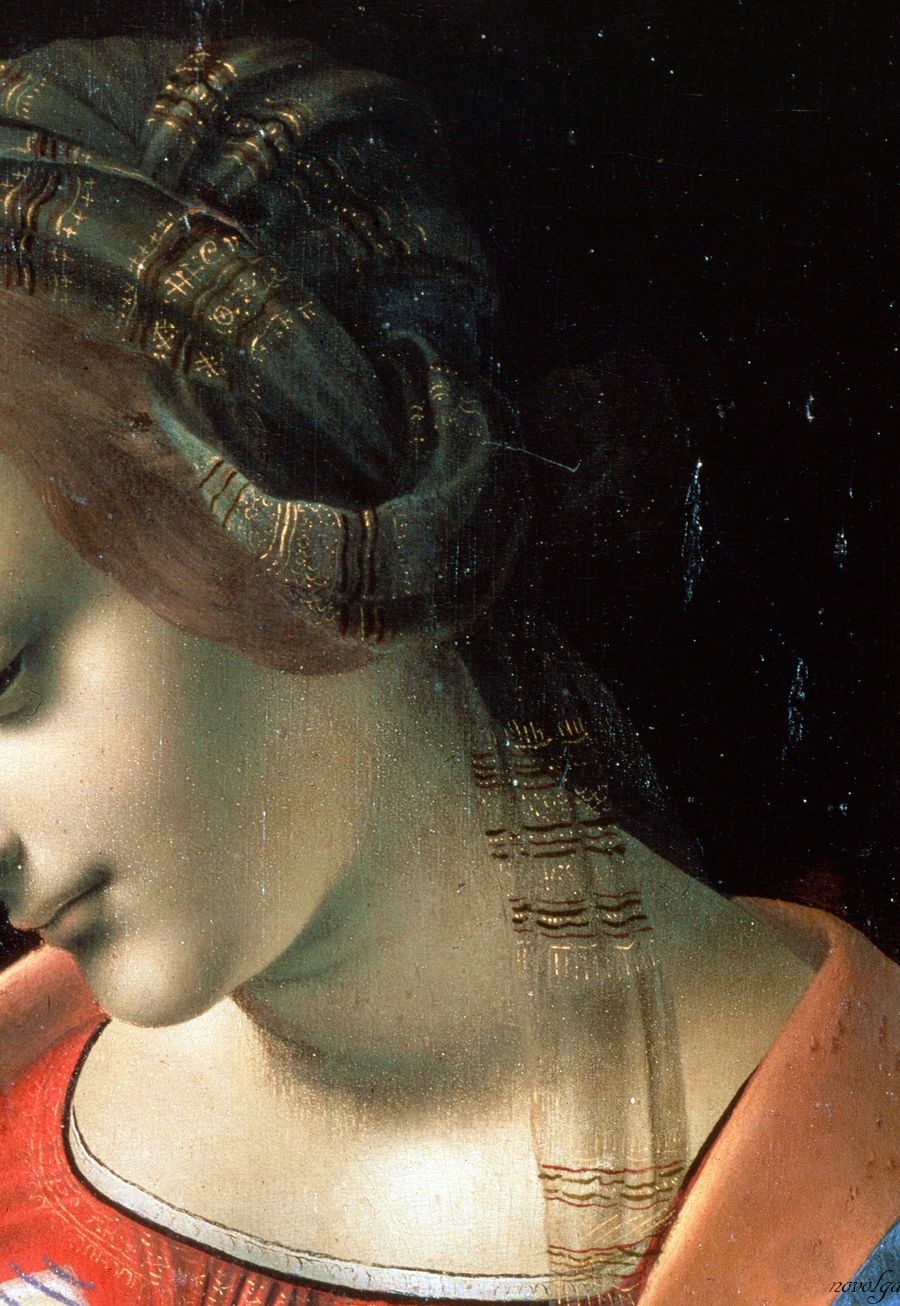
The master, who ran one of the most prolific workshops of the northern Renaissance, derives his name from the series of works depicting half-length female figures behind a writing desk, reading, or playing a musical instrument, that he painted in Antwerp, but which were inspired by the art of Bruges, during the second and third decades of the 1500s.


Title: Saint Catherine
Author: Master of the Female Half-Lengths (1525-1550)
Date: 1530
Medium: Oil on panel
Dimensions: cm 45 x 36
Current location: Pinacoteca di Brera, Milan


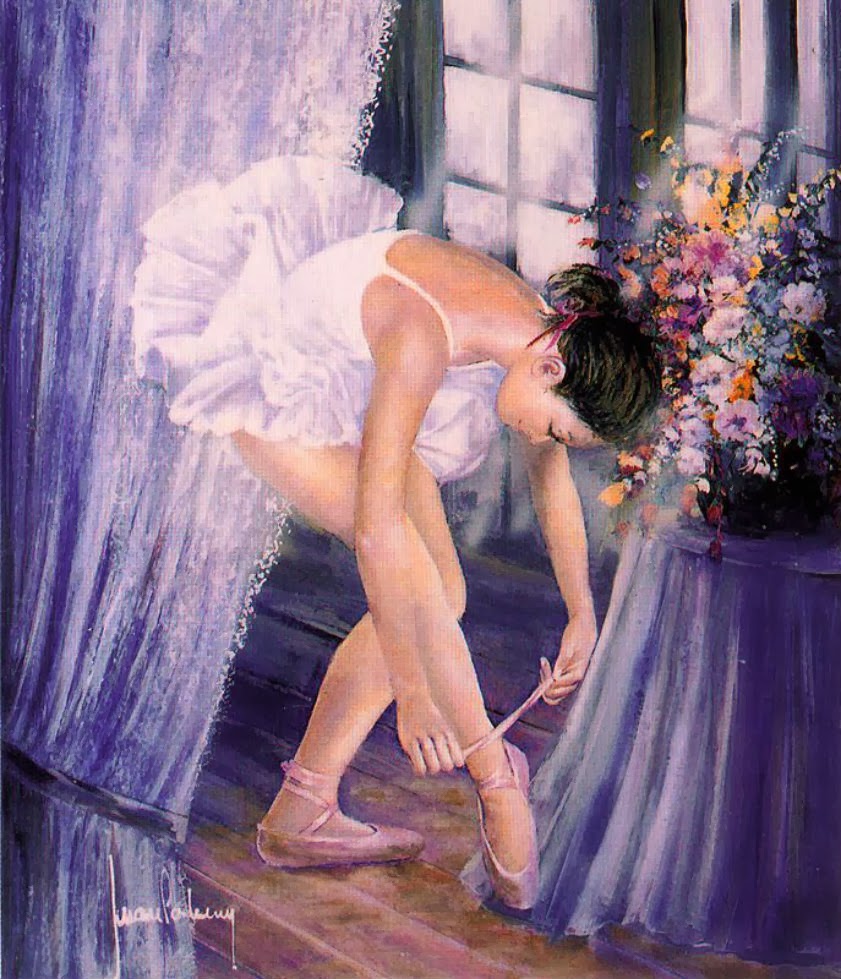
Juan Fortuny, 1939 | Impressionist / Realist / Figurative painter

Juan Fortuny, 1939 | Impressionist / Realist / Figurative painter


Juan Fortuny* is an Spanish painter*, known for working in the Realist, Impressionist* e Figurative style.
Juan Fortuny was born in Badalona, a small fishing town near to Barcelona, on the 20th of April, 1939.

For biographical notes -in english and italian- and other works by Juan Fortuny see: Juan Fortuny, 1939 | Impressionist / Realist painter ➠.


Annick Bouvattier | Pittrice figurativa

Annick Bouvattier | Pittrice figurativa

Più attratta dalle sfilate che dalle boutique di moda, Annick Bouvattier inizia la sua vita lavorativa nel cinema e nella pubblicità.
Costumista, lavora spesso negli studi di Cinecittà a Roma.
Dei suoi soggiorni in Italia conserva il sapore dei colori caldi, sensuali, profondi: gli ocra solari, i rossi sordi, gli azzurri intensi, i verdi profondi.
Annick Bouvattier è la pittrice dei silenzi, dei piccoli gesti insignificanti compiuti ogni giorno, dei momenti banali, degli sguardi fugaci, delle parole non dette, delle storie senza parole - ma molti collezionisti hanno già sentito quei silenzi.


Hanan Milner, 1949 | Figurative painter

Hanan Milner, 1949 | Figurative painter


Hanan Milner was born in Lithuania, former USSR.
Studied at Tel-Aviv art schools Renanim and TelmaYallin and at the Bezalel art academy in Jerusalem.
Participated in two seminars of the distinguished Austrian artist, Ernst Fuchs Exhibits in galleries in the US, England and Israel.


Lorenzo Lotto | The Recanati Annunciation, 1534

Lorenzo Lotto | The Recanati Annunciation, 1534

The Recanati Annunciation is a painting by the Italian Renaissance painter Lorenzo Lotto, executed around 1534 and housed in the Civic Museum of Villa Colloredo Mels, Recanati, Italy.

History

The work could date to the artist's sojourn in Venice, from where it would be shipped to the Marche around 1527. Otherwise, it could date to a later period when he moved there to executed other works. Today it is generally assigned to a few time after the Crucifixion of Monte San Giusto (1533-1534).


Stephanie Clair | Cubist Romantic painter

Stephanie Clair | Cubist Romantic painter


With the matrimony of emotion, cubes and color, Stephanie Clair, American painter, shares her inspiration from happy, dreamy moments in life that we can all relate to, but so easily forget.
A first love, a last love, a memory, lovers sipping wine, being enlightened, inspired by sweet music... those moments are ours to remember- but the speed of time can erase the memories we all take for granted.


Rudyard Kipling | Se.. / If..| Lettera al figlio, 1910

Rudyard Kipling | Se.. / If..| Lettera al figlio, 1910

Margarita Sikorskaia

Se riesci a conservare il controllo quando tutti
intorno a te lo perdono e te ne fanno una colpa;
se riesci ad aver fiducia in te quando tutti
ne dubitano, ma anche a tener conto del dubbio;
se riesci ad aspettare e non stancarti di aspettare,
o se mentono a tuo riguardo, a non ricambiare in menzogne,
o se ti odiano, a non lasciarti prendere dall’odio,
e tuttavia a non sembrare troppo buono e
a non parlare troppo saggio;

Se riesci a sognare e a non fare del sogno il tuo padrone;
se riesci a pensare e a non fare del pensiero il tuo scopo;
Se riesci a far fronte al Trionfo ed alla Rovina
e trattare allo stesso modo quei due impostori;

Se riesci a sopportare di udire la verità che hai detto
distorta da furfanti per ingannare gli sciocchi
o a contemplare le cose cui hai dedicato la vita, infrante,
e piegarti a ricostruirle con strumenti logori;


If you can keep your head when all about you
Are losing theirs and blaming it on you,
If you can trust yourself when all men doubt you,
But make allowance for their doubting too;


Salvador Fuster Vercher, 1966 | Portrait /Cityscape painter

Salvador Fuster Vercher, 1966 | Portrait /Cityscape painter


Salvador Fuster Vercher born in Alcoy, is the son of the painter Rafael Fuster he inherited his great mastery of drawing and color.
Salvador Fuster is a painter who, like his progenitor, dominates all painting techniques, and is considered one of the best portrait painters in the current art scene.
His painting is present in great part of the best collections of painting of Europe and America and even the distant Australia counts on portraits and work of this great artist.


Ans Markus, 1947 | Fashion painter

Ans Markus, 1947 | Fashion painter


Antje Geertje (Ans) Markus is known for her paintings of woman in drapings. Markus is an autodidact with a realistic style. Her first exposition was in 1981, her own atelier and exposition space was opened in 1995. In 2003 a book with a collection of her paintings was released because of her 25-year anniversary as a painter. Markus has a distinctive clothing style. On november 6, 2009 it was announced that Markus was selected as Dutch artist° of the year.


Alphonse Osbert | Symbolist / Pointillist painter

Alphonse Osbert | Symbolist / Pointillist painter


Alphonse Osbert (23 March 1857 - 11 August 1939) was a French* Symbolist painter.
Educated at the École des Beaux-Arts, his earliest passion was for the great Spanish masters*, particularly Jusepe de Ribera. A shift away from his academic style took place in the late 1880s under the influence of several acquaintances associated with Post-Impressionism* and Symbolism*.


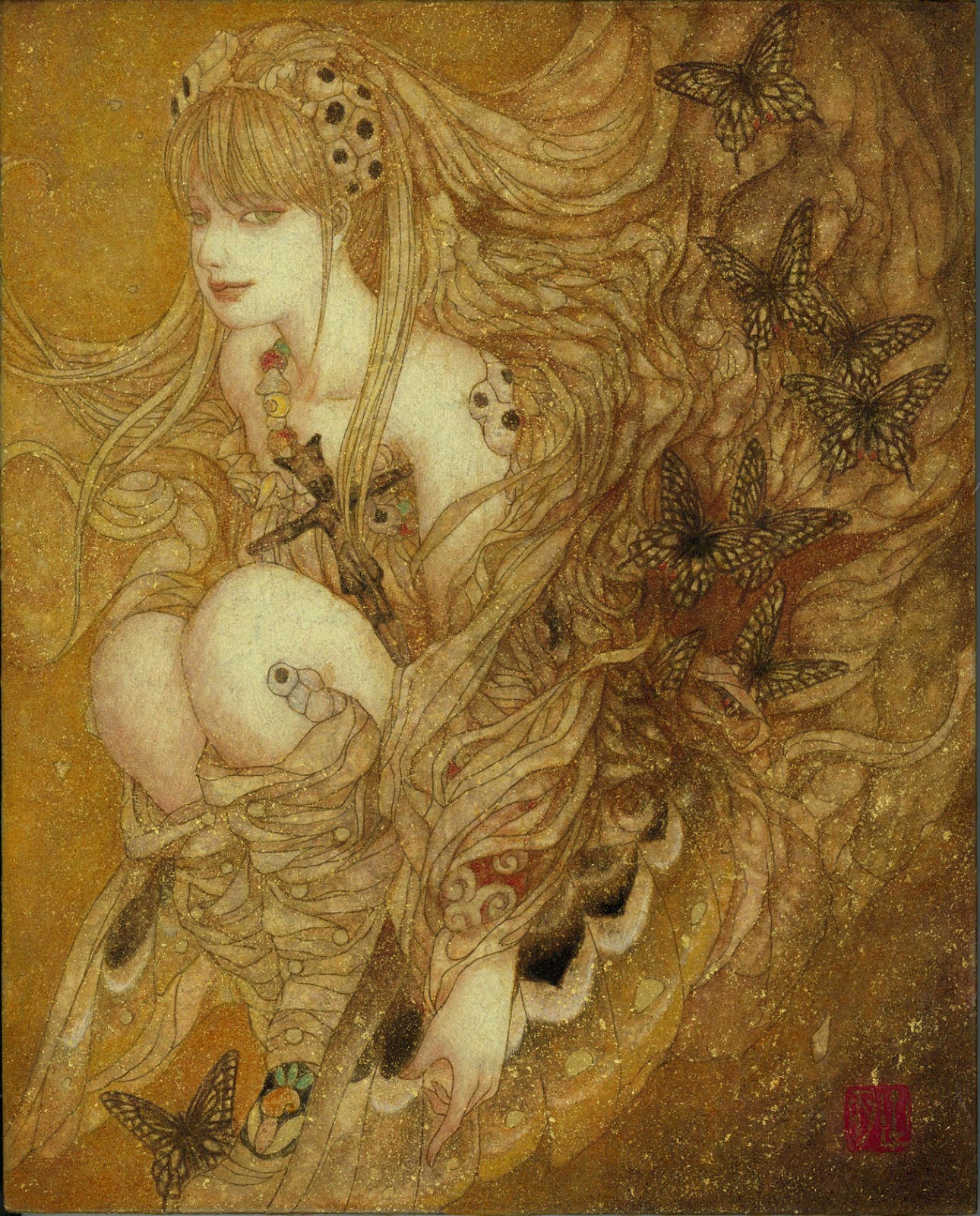
Alessandro Sicioldr, 1990 | Visionary painter

Alessandro Sicioldr, 1990 | Visionary painter

Alessandro Sicioldr is an Italian painter and illustrator born in Tarquinia, living and working in Perugia. He works mainly with oil paint, pencils and coloured pencils.
His subjects are surreal images coming from unconscious that he represents using a blend of contemporary and traditional techniques.


Howard Behrens | Palette knife painter

Howard Behrens | Palette knife painter


American painter Howard Behrens (August 20, 1933 - April 14, 2014) - the world's most renowned palette knife artist. As a landscape and seascape artist, Behrens has painted the idyllic lakes of Italy to the gardens of New England.
He has had over 150 one-man shows from coast-to-coast since becoming a professional artist in 1980. Behrens was born in Chicago, Illinois in 1933. He grew up near Washington, DC. He began drawing at age seventeen after being confined to bed following a sledding accident.


Nicola Vietti, 1945 | Figurative painter

Nicola Vietti, 1945 | Figurative painter

Nicola Vietti was born in Marseille to Italian parents emigrated from Apulia in France at the beginning of the century. Numerous solo and group exhibitions. And 'present in catalogs and magazines. He currently lives and works in Milan, after a long period spent in Paris.
The figures of maidens Nicola Vietti, you can look on each side, three-quarter profile, facing away.
The style might defer to their fathers, that should not be forgotten at this point, as the International Botero and Bueno Nicola Vietti that offer a hint of a departure of style attempted with disenchantment.


Masaaki Sasamoto 笹本正明, 1966

Masaaki Sasamoto 笹本正明, 1966


Japanese artist Masaaki Sasamoto was born in 1966 in Tokyo. He graduated from Tokyo National University of Fine Arts and Music, specializing in Japanese painting.
He has been a permanent participant of solo and group art exhibitions throughout Japan. Masaaki Sasamoto currently lives and works in Yamanashi Prefecture, on the island of Honshu, Japan. The artworks of Masaaki Sasamoto are exhibited at Art Prefectural Gallery of Yamanashi Museum.


Ludivine Corominas, 1976 | Still life painter

Ludivine Corominas, 1976 | Still life painter

Ludivine Corominas 1976 | France | Still life

French painter Ludivine Corominas is a self-taught artist, acquired her first notion of art by her father. With many elegance, fines and exquisite delicacy, Ludivine declines colors of rainbow by creating tones and nuances which light up the sun of her brushes.
The redcurrants, the luscious grapes, crystalline transparency, fine porcelains are the principal subjects of this artist: The still life.


Giorgio Conta, 1978 | Figurative sculptor

Giorgio Conta, 1978 | Figurative sculptor


Giorgio Conta grew up in an artistic environment where, being his father a well known artist, he came into contact with various personalities from the art and culture world, including the great pianist Arturo Benedetti Michel-angeli, close friend of the family, who expressed the wish to be his Godfather. After having earned his high-school diploma he attended a sculpture school devoting himself to painting and drawing as well.


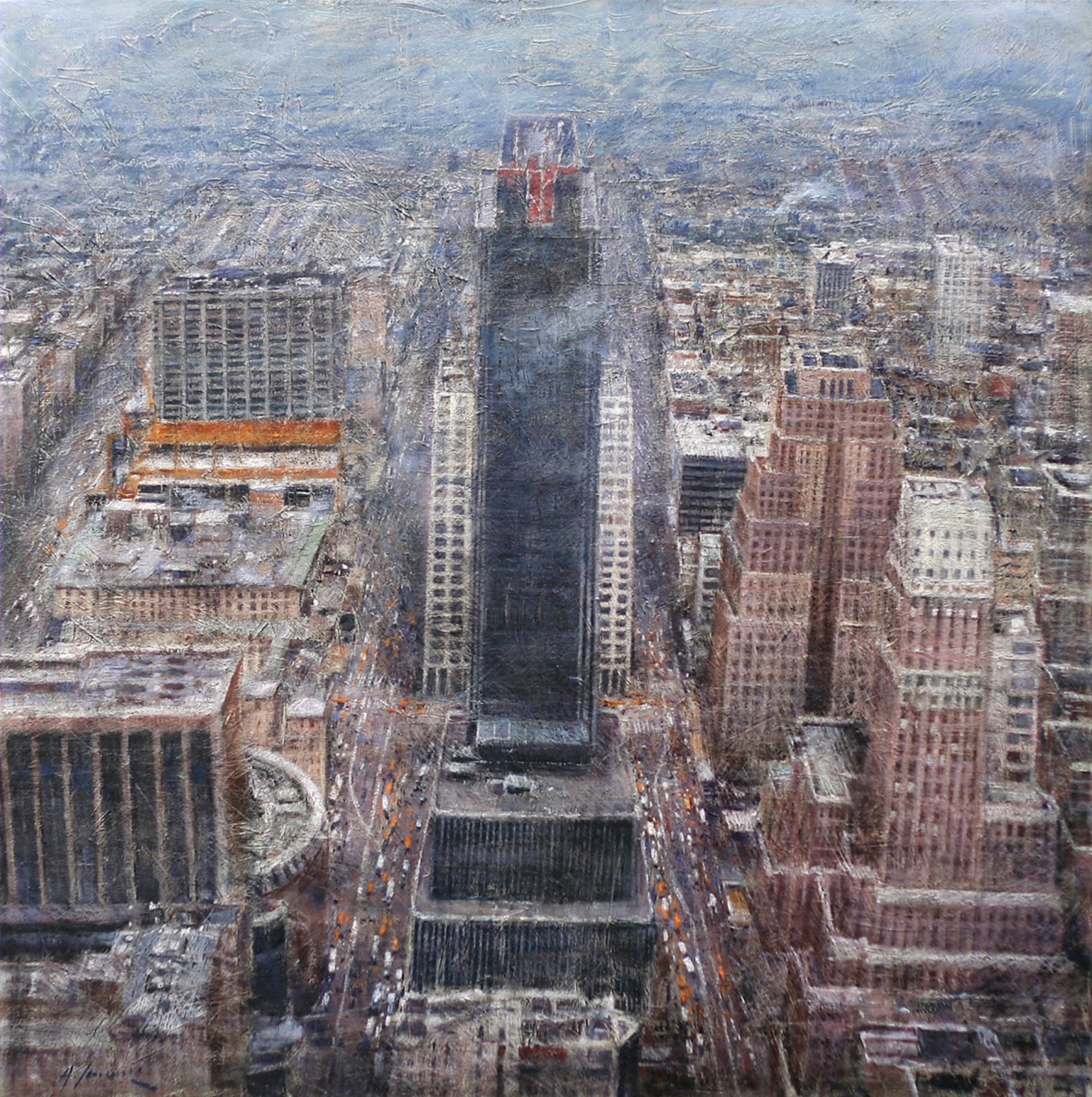
Antonio Sannino, 1959 | Abstract /Cityscape painter

Antonio Sannino, 1959 | Abstract /Cityscape painter


Antonio Sannino was born in Naples in 1959. He lives and works in Naples and Rome.
He is been focusing for years in portraying "landscapes". Sannino has been able to create new representations of the landscape, by searching new framing, re-drawing the space and its contents. He uses his camera to catch the best light in his pictures, that moment when everything seems to be frozen and timeless. His sea surfaces do not only reproduce water but they emphasize the transparency and light.


Roberto Ferri, 1978 | Drawings / Study

Roberto Ferri, 1978 | Drawings / Study


Inspired by Baroque painters -Caravaggio in particular- and other old masters, Roberto Ferri is an Italian painter known for working also in the Baroque Era style.
Ferri was born in Fontanaviva, Taranto, Italy in 1978.

For biographical notes -in english and italian- and other works by Roberto Ferri see:


Carolyn Biggio, 1958 | Still life painter

Carolyn Biggio, 1958 | Still life painter


Born in Columbus, Ohio in 1958, Carolyn Biggio grew up in Baton Rouge, Louisiana. Her formal schooling earned her a Bachelor of Sciences degree; but she later took up studies in art with Henry Hensche at the Cape School of Art. Other classes with his followers deepened her commitment, and her career path shifted to painting. Ms. Biggio's paintings are pure light and color, primarily of still life. The thick impasto paint is laid on with a palette knife to create intense masses of color; shadows are equally vibrant, creating dimension with brilliant shifts in hue and value, rather than just local color. Ms. Biggio has exhibited her work nationally, receiving numerous awards.


Edward Hopper: "More of me comes out when I improvise"

Edward Hopper: "More of me comes out when I improvise"

"What I wanted to do was to paint sunlight on the side of a house".

"After all, we are not French and never can be, and any attempt to be so is to deny our inheritance and to try to impose upon ourselves a character that can be nothing but a veneer upon the surface".


Albena Vatcheva, 1967 | Fantasy painter

Albena Vatcheva, 1967 | Fantasy painter

Albena Vatcheva is an French artist of Bulgarian origin who advances in a spectacular way.
Her painting has inherited various traditions, including that of masters of the icon.
Using different oriental sources, she has created a world of troubling fairy, which is a real fascination for the eye, as her glowing colors create magic.
Tender, loving, her characters live in a world of peace, harmony and mutual consolation.


Ryo Shiotani / 塩谷 亮, 1975 | Figurative painter

Ryo Shiotani / 塩谷 亮, 1975 | Figurative painter

"I paint realist paintings because I can make new discoveries as I thoroughly look at my subject. That is enjoyable".

Award winning Japanese painter Ryo Shiotani 塩谷 亮 was born in Tokyo.
After graduating from Musashino Art University, Ryo Shiotani spent one year studying in Florence on an Agency for Cultural Affairs scholarship, where he had a chance to copy the works of Leonardo da Vinci.


Leonardo da Vinci | A treatise on painting

Leonardo da Vinci | A treatise on painting


Science of painting

Leonardo’s advocacy of a science of painting is best displayed in his notebook writings under the general heading “On Painting”.
The notebooks provide evidence that, among many projects he planned, he intended to write a treatise discussing painting.
After inheriting Leonardo’s vast manuscript legacy in 1519, it is believed that, sometime before 1542, Melzi extracted passages from them and organized them into the Trattato della pittura [In italian] ➤ (“Treatise on Painting”) that is attributed to Leonardo.


Leonardo da Vinci | Dell'obbligo che ha la scultura col lume, e non la pittura

Leonardo da Vinci | Dell'obbligo che ha la scultura col lume, e non la pittura

Trattato della Pittura
Parte prima | Capitolo 38


Se la scultura avrà il lume di sotto parrà cosa mostruosa e strana; questo non accade alla pittura, che tutte le parti porta con sé.


Leonardo da Vinci | Dell'orizzonte

Leonardo da Vinci | Dell'orizzonte

Trattato della Pittura - Parte ottava | Capitoli 235-258


Indice
927. Qual sia il vero sito dell'orizzonte.
928. Dell'orizzonte.
929. Del vero orizzonte.
930. Dell'orizzonte.
931. Dell'orizzonte.
932. Se l'occhio che vede l'orizzonte marittimo, stando co' piedi alla pelle di esso mare, vede esso orizzonte più basso di sé.
933. Dell'orizzonte specchiato nell'acqua corrente.
934. Dove l'orizzonte si specchia nell'onda.
935. Perché l'aria grossa vicina all'orizzonte si fa rossa.


Leonardo da Vinci | Degli alberi e delle verdure

Leonardo da Vinci | Degli alberi e delle verdure

Trattato della Pittura - Parte sesta | Capitoli 812-840


Indice
812. Discorso delle qualità de' fiori nelle ramificazioni delle erbe.
813. Della ramificazione delle piante.
814. Della ramificazione delle piante.
815. Della ramificazione delle piante.
816. Delle minori ramificazioni delle piante.
817. Della proporzione che hanno infra loro le ramificazioni delle piante.


Leonardo da Vinci | Delle ombrosità e chiarezze de' monti

Leonardo da Vinci | Delle ombrosità e chiarezze de' monti

Trattato della Pittura - Parte quinta | Capitoli 780-798


Indice
780. Prospettiva comune.
781. Delle cime de' monti vedute di sopra in giú.
782. Dell'aria che mostra piú chiare le radici de' monti che le loro cime.
783. Perché i monti distanti mostrano piú oscure le sommità che le loro basi.
784. Delle cime de' monti che si scoprono all'occhio l'una piú alta dell'altra, che le proporzioni delle distanze non sono colle proporzioni de' colori.
785. Delle cime de' monti che non diminuiscono ne' colori secondo la distanza delle cime loro.
786. Dell'inganno del pittore nella grandezza degli alberi e degli altri corpi delle campagne.
787. Perché i monti in lunga distanza si dimostrano piú scuri nella cima che nella base.
788. Perché i monti paiono avere piú oscure le cime che le basi in lunga distanza.
789. Come non si deve figurar le montagne cosí azzurre il verno come l'estate.
790. Come i monti ombrati dai nuvoli partecipano del colore azzurro.
791. Dell'aria che infra i monti si dimostra.
792. De' monti e loro divisione in pittura.
793. Pittura che mostra la necessaria figurazione delle alpi, monti e colli.
794. Pittura e come i monti crescono.
795. Pittura nel figurare le qualità e membri de' paesi montuosi.
796. De' monti.
797. De' monti.
798. Precetto.

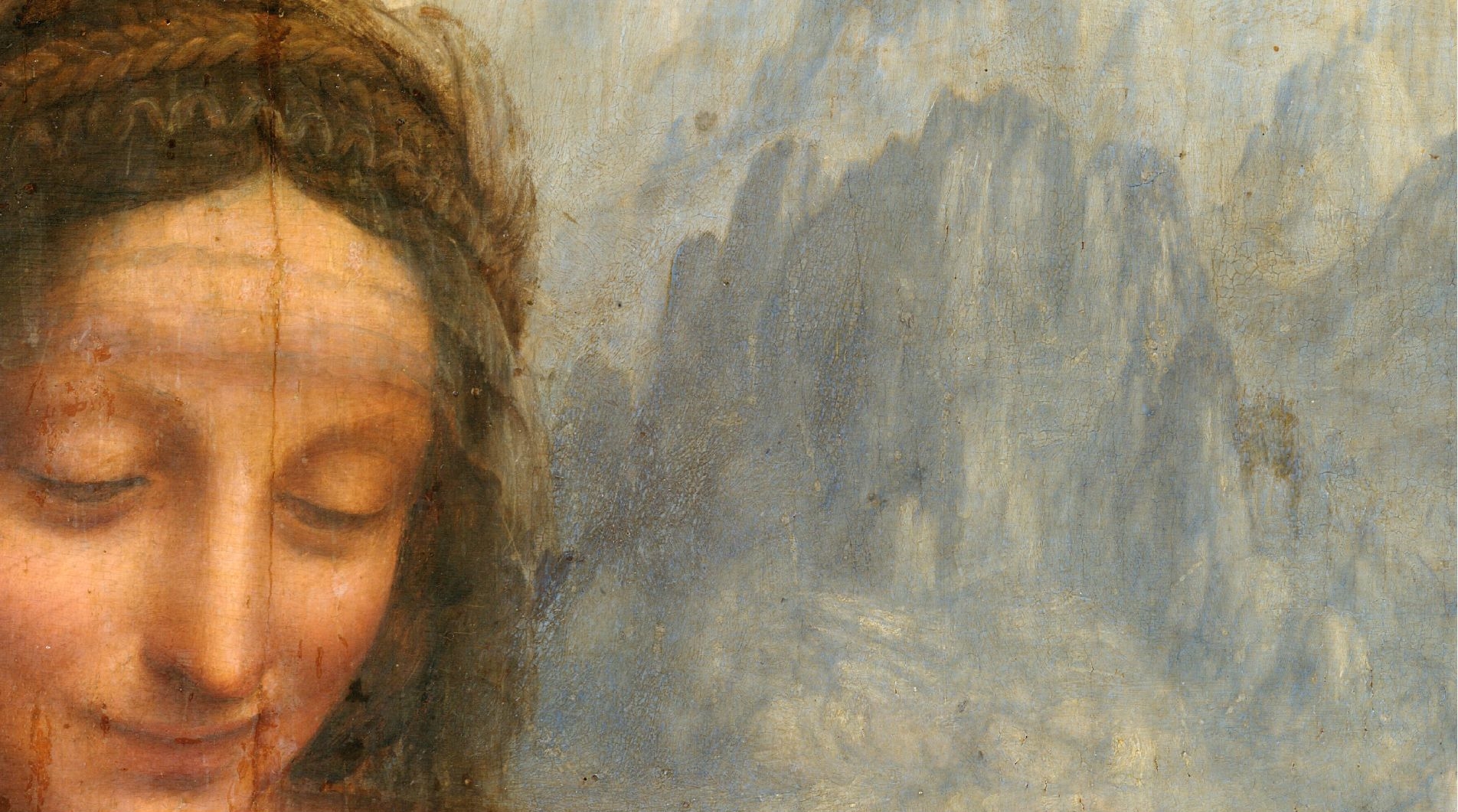
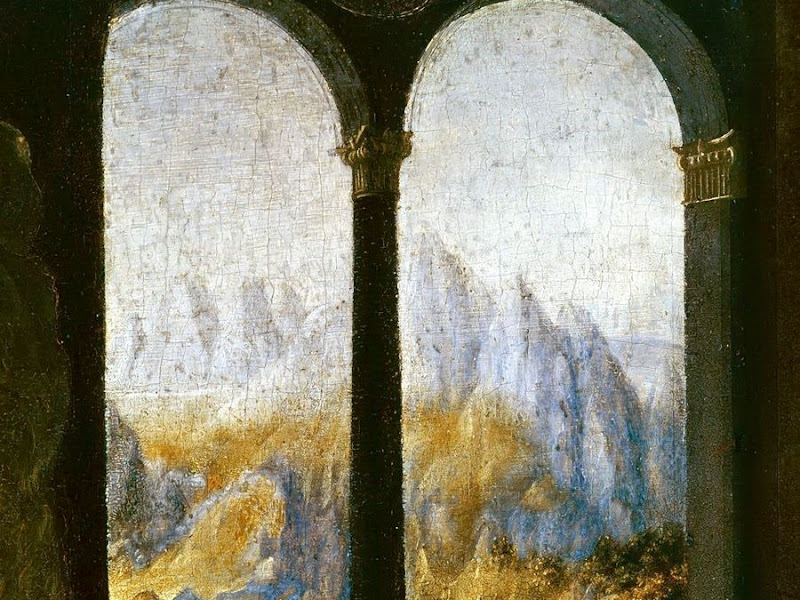
Leonardo da Vinci | Sant'Anna, la Vergine e il Bambino con l'agnellino, 1510-1513 (detail)


Leonardo da Vinci | De' riflessi

Leonardo da Vinci | De' riflessi

Trattato della Pittura - Parte quinta | Capitoli 769-779


Indice

769. Dell'ombra interposta infra lume incidente e lume riflesso.
770. Dove il riflesso dev'essere piú oscuro.
771. Perché i riflessi poco o niente si vedono ne' lumi universali.
772. Come il riflesso si genera ne' lumi universali.
773. Quali lumi facciano piú nota e spedita la figura de' muscoli.
774. Come i corpi bianchi si devono figurare.
775. Dell'occhio che sta al chiaro e vede il luogo oscuro.
776. Dell'occhio che vede le cose in luogo chiaro.
777. Delle ombre e lumi delle città.
778. Dell'illuminazione delle parti infime de' corpi insieme ristretti, come gli uomini in battaglia.
779. Del lume particolare.


Leonardo da Vinci | Che differenza è da lustro a lume

Leonardo da Vinci | Che differenza è da lustro a lume

Trattato della Pittura
Parte quinta | Capitoli 760-768


Indice
670. Dell'universale illuminazione mista colla particolare del sole o di altri lumi.
671. Dell'ombra media, la quale s'interpone infra la parte illuminata e l'ombrosa de' corpi.
672. Se il gran lume di poca potenza val quanto un piccolo lume di gran potenza.
673. Del mezzo incluso infra i lumi e le ombre principali.


Leonardo da Vinci | Dell'ombra e lume, e della prospettiva

Leonardo da Vinci | Dell'ombra e lume, e della prospettiva

Trattato della Pittura
Parte quinta | Capitoli 533-560


Indice
533. Che cosa è ombra.
534. Che differenza è da ombra a tenebre.
535. Da che deriva l'ombra.
536. Dell'essere dell'ombra per sé.
537. Che cosa è ombra e lume, e qual è di maggior potenza.
538. Che sia ombra e tenebre.
539. In quante parti si divide l'ombra.
540. Dell'ombra e sua divisione.
541. Di due specie di ombre ed in quante parti si dividono.
542. Qual è più oscura, o l'ombra primitiva o l'ombra derivativa.
543. Che differenza è da ombra a tenebre.
544. Che differenza è da ombra semplice a ombra composta.
545. Che differenza è da lume composto a ombra composta.
546. Come sempre il lume composto e l'ombra composta confinano insieme.
547. Che il termine dell'ombra semplice sarà di minor notizia.
548. Dell'ombra derivativa composta.
549. Come l'ombra primitiva e derivativa sono congiunte.
550. Come l'ombra semplice con l'ombra composta si congiunge.
551. Della semplice e composta ombra primitiva.
552. De' termini dell'ombra composta.
553. Del termine dell'ombra semplice.
554. Che ombra fa il lume eguale all'ombroso nella figura delle sue ombre.
555. Che ombra fa l'ombroso maggiore del luminoso.
556. Quante sono le sorta delle ombre.
557. Quante sono le specie delle ombre.
558. Di quante sorta è l'ombra primitiva.
559. In quanti modi si varia l'ombra primitiva.
560. Che varietà ha l'ombra derivativa.

533. Che cosa è ombra.


L'ombra, nominata per il proprio suo vocabolo, è da esser chiamata alleviazione di lume applicato alla superficie de' corpi, della quale il principio è nel fine della luce, ed il fine è nelle tenebre.


Leonardo da Vinci | De' panni e modo di vestir le figure..

Leonardo da Vinci | De' panni e modo di vestir le figure..

Trattato della Pittura
Parte quarta | Capitoli 517-532


Indice
517. De' panni che vestono le figure.
518. Delle maniere rotte o salde de' panni che vestono le figure.
519. Del vestire le figure con grazia.
520. De' panni che vestono le figure, e pieghe loro.
521. Del modo di vestire le figure.
522. De' vestimenti.
523. De' panni volanti o stabili.
524. Operazioni de' panni e loro pieghe, che sono di tre nature.
525. Delle nature delle pieghe de' panni.
526. Come si devono dare le pieghe ai panni.
527. Delle poche pieghe de' panni.
528. Delle pieghe de' panni in iscorto.
529. De' modi del vestire le figure, ed abiti diversi.
530. Dell'occhio che vede pieghe de' panni che circondano l'uomo.
531. Delle pieghe de' panni.
532. Delle pieghe.


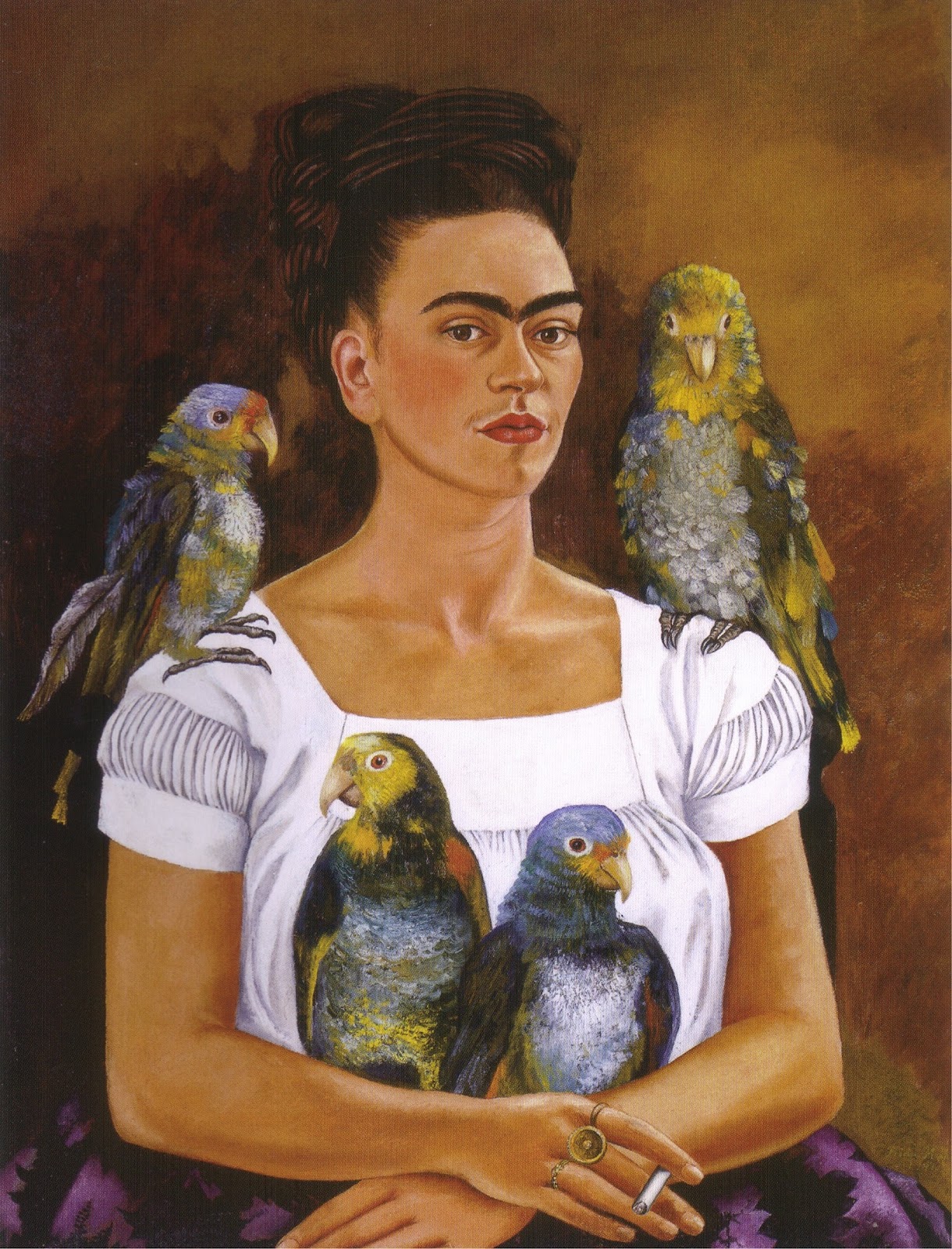
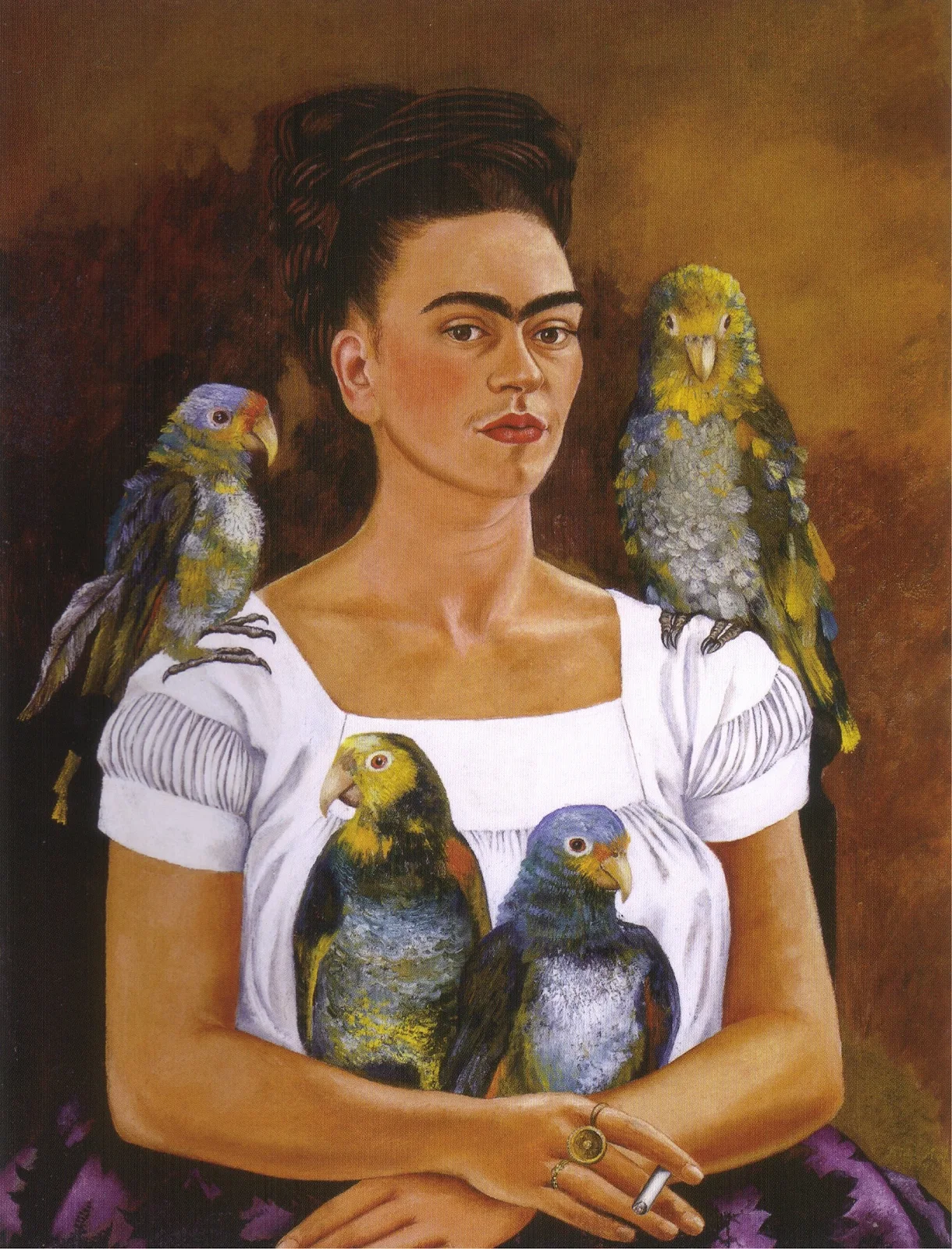
Frida Kahlo: I paint self-portraits because I am so often alone..

Frida Kahlo: I paint self-portraits because I am so often alone..


"I paint self-portraits because I am so often alone, because I am the person I know best.."
"Dipingo me stessa perché passo molto tempo da sola e sono il soggetto che conosco meglio.."


Leonardo da Vinci | De' movimenti dell'uomo e proporzione di membra..

Leonardo da Vinci | De' movimenti dell'uomo e proporzione di membra..

Trattato della Pittura
Parte terza | Capitoli 259-286


Indice
259. Delle mutazioni delle misure dell'uomo pel movimento delle membra a diversi aspetti.
260. Delle mutazioni delle misure dell'uomo dal nascimento al suo ultimo crescimento.
261. Come i puttini hanno le giunture contrarie agli uomini nelle loro grossezze.
262. Delle differenti misure che v'hanno fra i putti e gli uomini.
263. Delle giunture delle dita.
264. Delle giunture delle spalle, e loro accrescimenti e diminuzioni.
265. Delle spalle.
266. Delle misure universali de' corpi.
267. Delle misure del corpo umano e piegamenti di membra.
268. Della proporzionalità delle membra.
269. Della giuntura della mano col braccio.