Textual description of firstImageUrl

Otto Pippel | Impressionist painter

German painter Otto Eduard Pippel (1878-1960) was one of the most important Impressionists in Southern Germany.

As the son of German parents who had emigrated to Lodz, Pippel enrolled at the School of Applied Arts in Straßburg in 1896 with the express wish to become an interior decorator and a decorative painter.
He had to interrupt his studies shortly afterwards, however, as he was drafted into the Russian army for four years.


Textual description of firstImageUrl

La Farfalla bianca / The white Butterfly

In tutte le culture la farfalla è stata assunta come segno di rinascita e rigenerazione, come simbolo dell’anima umana capace di rinnovarsi e trasformarsi.
Il particolare ciclo vitale della farfalla ha indubbiamente contribuito a tale associazione simbolica: la vita è rappresentata dallo stadio di bruco; la morte dallo stadio di crisalide inerte racchiusa nel bozzolo; la rinascita dalla farfalla che esce dall’involucro e vola via libera, immagine vivente della rinascita dello spirito, dell’anima liberata dall’involucro della materia, che lascia il corpo al momento della morte e diventa immortale.
Nella sua Historia animalium, scritta nel 344 a.C., Aristotele, dà alla farfalla il nome di "Psyche": non a caso, nella lingua greca, la parola psyche significa sia "anima" che "farfalla"; il mito in questione fu interpretato basandosi su questo doppio significato: Psyche dunque, premiata dagli dei con il dono dell'immortalità, è l’anima-farfalla che superati vari stadi di trasformazione e maturazione raggiunge la perfezione finale col divenire immortale ed eterna.
Al mito di Amore e Psyche si ispirò lo scultore neoclassico Antonio Canova (1757-1822) che scelse una farfalla per rappresentare l’anima di Psyche in una delicatissima opera in marmo.

La Farfalla bianca | Leggenda giapponese

In una casetta dietro al cimitero del tempio di Sazanji viveva un vecchio di nome Takahama.
Questi era molto abile e piaceva a tutti i suoi vicini, anche se molti di essi lo consideravano un po' pazzo.
A quanto sembra la sua pazzia consisteva semplicemente nel fatto che non si era mai sposato e non aveva mai mostrato desiderio di restare in intimità con una donna.
Un giorno di estate si ammalò tanto gravemente, che mandò a chiamare la cognata e il figlio di lei.

Louise Abbéma | A butterfly fairy

Textual description of firstImageUrl

Konstantinos Kavafis | Per le scale / On the stairs / Στες σκάλες

Konstantinos Petrou Kavafis, noto in Italia anche come Costantino Kavafis / Κωνσταντίνος Καβάφης (Alessandria d'Egitto, 1863-1933), è stato un poeta e giornalista Greco.
Kavafis era uno scettico che fu accusato di attaccare i tradizionali valori della cristianità, del patriottismo e dell'eterosessualità, anche se non sempre si trovò a suo agio nel ruolo di anticonformista.
Pubblicò 154 poesie, spesso ispirate all'antichità ellenistica, romana e bizantina, ma molte altre sono rimaste incomplete od allo stato di bozza.
Scrisse le sue poesie più importanti dopo i quarant'anni.
Come un recluso, egli non fu mai riconosciuto durante la sua vita.
Oltre che i suoi soggetti, anticonvenzionali per l'epoca, le sue poesie mostrano anche un'abile e versatile arte, che viene spesso perduta nella traduzione delle sue opere.
La sua poetica viene insegnata nelle scuole greche.


Textual description of firstImageUrl

Andre Kohn, 1972 | Ladies and hats

André Kohn, Russian painter, was born in Stalingrad, but was raised in the southernmost region of the Former Soviet Union near the Caspian Sea.
He spent the first 12 years of his life surrounded by nature before moving with his family to Moscow in 1984.
The precise convergence of three dynamic forces-culture, environment and talent-combined to produce one of the most collected figurative painters on the American art scene today.


Textual description of firstImageUrl

Felix Nussbaum | Artist of the Holocaust

"If I perish, don’t let my works die; show them to the public", Felix Nussbaum begged a friend before he was deported to Auschwitz.
Felix Nussbaum painted multiple self-portraits during the Holocaust, giving us a unique artistic insight into the experience of one man, among the millions that were murdered.

Felix Nussbaum (1904-1944) was a German-Jewish surrealist painter.
Nussbaum's paintings, including Self Portrait with Jewish Identity Card (1943) and Triumph of Death (1944), explore his experiences as a Jew during the Holocaust.

Felix Nussbaum | Self Portrait with Jewish Identity Card / Autoritratto con passaporto ebraico, 1943

His work is usually associated with the New Objectivity movement, and was influenced by the works of Giorgio de Chirico, Henri Rousseau and Vincent van Gogh.
He took refuge in Belgium after the Nazi rise to power, but was deported to Auschwitz along with his wife Felka Platek only a few months before the British liberation of Brussels on 3 September 1944.

Textual description of firstImageUrl

Peter Wever, 1950 | Embrace painting

German painter Peter Wever received his training at the National College of Art and Design in Dublin, Ireland, followed by travels in the United States and Guatemala.
Wever is known for his color etchings often dealing with relationships.
His work has warmth, and often a touch of humour.


Textual description of firstImageUrl

Konstantinos Kavafis | Muri / Walls / Τείχη

Senza preavviso, né pietà, senza nessun pudore,
muri massicci ed alti mi hanno costruito intorno.

E sono qui che mi dispero e per il mio dolore
non penso ad altro: e mi rodo il cervello tutto il giorno.


Textual description of firstImageUrl

James Ensor | The Oyster Eater / La mangiatrice di ostriche, 1882

"The Oyster Eater" is an oil painting executed in 1882 by the Belgian Expressionist artist James Ensor which is now in the collection of the Royal Museum of Fine Arts, Antwerp.

The genre work depicts the artist's sister Mitche eating oysters on her own at a well-appointed table replete with flowers, plates, wine and table linen.
Art critics were unapologetic about James Ensor's "The Oyster Eater".
"Offensive! Immoral! Vice!"
Yet there is not a streak of nudity to be seen, nor intimately entwined bodies.


So what was the problem?

Textual description of firstImageUrl

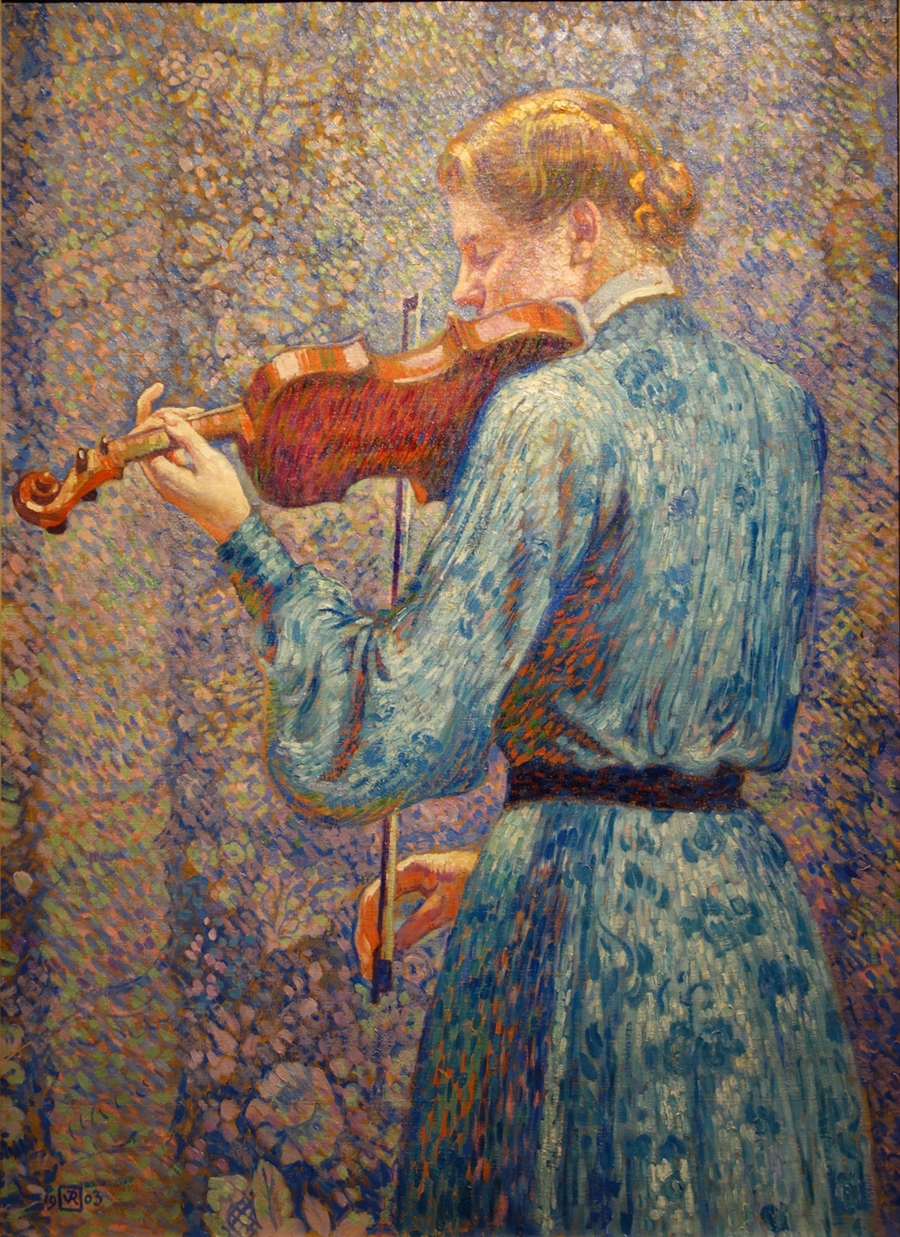
Anna Boch | Post-impressionist painter

Anna Boch participated in the Neo-Impressionist movement.
Her early works used a Pointillist technique, but she is best known for her Impressionist style which she adopted for most of her career.
A pupil of Isidore Verheyden, she was influenced by Théo van Rysselberghe whom she met in the artistic group, Les XX.


Anna-Rosalie Boch (1848-1936), known as Anna, was a Belgian painter, art collector, and the only female member of the artistic group, Les XX.

Textual description of firstImageUrl

Frantz Charlet | Impressionist painter

Frantz Charlet (1862-1928) was a Belgian painter, etcher and lithographer.
An Impressionist, he was one of the founding members in 1882, with James Ensor and Théo van Rysselberghe (1862-1926) of the group Les XX.
It is one of the first painters in Belgium to look for brighter colours and a spontaneous touch, thus becoming closer French Impressionists.


Charlet studied at the Académie Royale des Beaux-Arts in Brussels from 1872-1873 and again from 1876-1881; among his fellow pupils there were Eugène Broerman, François-Joseph Halkett, Théo van Rysselberghe and Rodolphe Wytsman, and his teacher was Jean-François Portaels.

Textual description of firstImageUrl

Théo Van Rysselberghe and Les XX

Théo van Rysselberghe was one of the prominent co-founders of the Belgian artistic circle Les XX on 28 October 1883.
This was a circle of young radical artists, under the patronage, as secretary, of the Brussels jurist and art lover Octave Maus (1856-1919).
They rebelled against the outmoded academism of the time and the prevailing artistic standards.


Textual description of firstImageUrl

Leonardo da Vinci | Del chiaro e scuro

Trattato della Pittura
Parte quinta | Capitoli 651-680


Indice
651. Di illuminazione e lustro.
652. Di ombra e lume.
653. Di ombra e lume.
654. De' lumi ed ombre.
655. Di ombra e lume.
656. Esempio.


Textual description of firstImageUrl

Joaquín Sorolla to Clotilde: “You are my flesh, my life and my brain”..

Clotilde García Castillo (1865-1929) married Joaquín Sorolla y Bastida (Spanish Realist/Impressionist painter, 1863-1923) at the age of 23 and they ended their days together.
The painter died six years before her, in 1923.
Clotilde donated all her assets to the State for the foundation of a museum in honour of her husband's work - the family home where the Sorolla Museum stands today.

Joaquín Sorolla | Clotilde seated on the Sofa (Clotilde sentada en un sofá), 1910 | Museo Sorolla, Madrid

Of all the portraits Sorolla painted of his wife, this is probably the most successful and is a fundamental work within the context of his artistic production.
The viewer is presented here with a refined lady, reflecting her social status and so mirroring her husband’s professional success.

Joaquín Sorolla y Bastida | Clotilde seated on the Sofa, 1910 | Museo Sorolla

Textual description of firstImageUrl

Hermann Hesse | Vieni con me!

Vieni con me!
Devi affrettarti però -
sette lunghe miglia
io faccio ad ogni passo.

Dietro il bosco ed il colle
aspetta il mio cavallo rosso.


Textual description of firstImageUrl

Hermann Hesse | Favola d'Amore...

Dalla unione della pittura e la scrittura nasce la "Favola d'amore", un libretto illustrato interamente a colori, in cui la narrazione ed i dipinti del premio Nobel Hermann Hesse (1877-1962) si fondono in un unicum inscindibile per descrivere la vicenda di un giovane pittore, Pictor.
Quest'ultimo, vagando per il Paradiso, incontra un uccello dai mille colori.
A lui Pictor pone la domanda delle domande: "Dov'è dunque la felicità"?, forza inspiegabile e misteriosa.
La "Favola d'Amore" è dedicata a Ruth Wenger, cantante lirica che diventò seconda moglie di Hesse due anni dopo la pubblicazione del manoscritto.

John Simmons (1823-1876) | Hermia and Lysander: A Midsummer Night's Dream, 1870 | Sotheby's

Textual description of firstImageUrl

Gilbert Williams, 1950 | Visionary painter

His work explores nature, ancient architecture, the cosmos and spirituality.
He drew inspiration from the ferns and Redwoods of his native California, as well as from his deep love of art history and ancient cultures.


Gilbert Williams was born in Santa Monica, California. When he was five, his family moved to Anaheim, California.
Williams' career as a professional painter began in earnest in Mt. Shasta, California, in late 1970s, when he began selling paintings in local galleries.
Over the years he has been represented in Scottsdale, AZ on Rodeo Drive in Beverly Hills, CA and in Palm Beach, FL.

Textual description of firstImageUrl

Kimon Loghi | Symbolist / Art Nouveau painter

Being part of the generation of artists who created in the romantic era of Romanian and universal art, Kimon Loghi painted in warm, vivid colors that give the feeling of being authentic and natural.
His works are compositionally balanced and deal with themes related to nature: landscapes and still lifes.
"One thing worth noting in Kimon Loghi's paintings is the fact that the characters are a sporadic presence, the emphasis being on the rendering of nature and atmosphere".

Kimon Loghi (1871-1952) was a Romanian painter of Aromanian origin.
Kimon Laghi was born in 1871 in the Greek city of Serres, at that time under the control of the Ottoman Empire.


Textual description of firstImageUrl

Louis Escobedo, 1952 | Colorist painter

"Color is like a person’s signature, if it’s the right color, I have to have it.
And when I find those colors that ‘work’, I feel it immediately, like hearing music so beautiful that I have to stop whatever else I’m doing and listen" - Louis Escobedo.


He began his painting career at age 6 when he won the best of show in his elementary school in Sweetwater Texas.
In 1974, after graduation from college he began his career as an artist honing his talents to become a freelance illustrator in Texas.
In 1979, he finally achieved his goal.

Textual description of firstImageUrl

Gabriele D’Annunzio | Canta la gioia, 1896

Canta la gioia fa parte della seconda edizione (1896) di Canto Novo, la raccolta di poesie di Gabriele D’Annunzio (1863-1938), dedicate al suo primo grande amore e la sua prima musa letteraria, la Giselda Zucconi detta Lalla, che incontro durante l'ultimo anno di liceo, il 15 aprile 1881, mentre era ospite a Firenze di Mario Foresi per le vacanze pasquali.

Canta la gioia! Io voglio cingerti
di tutti i fiori perché tu celebri
la gioia la gioia la gioia,
questa magnifica donatrice!


Textual description of firstImageUrl

Norman Rockwell | Il Ralista Romantico

Norman Percevel Rockwell (1894-1978) è stato un pittore ed illustratore statunitense del XX secolo.
Il peculiare stile delle sue opere, definito "realismo romantico", ha riscosso, soprattutto negli Stati Uniti, un largo apprezzamento popolare ed ha influenzato generazioni successive di illustratori.
La sua fama è legata soprattutto alle oltre 300 copertine da lui create tra il 1916-1963 per il magazine "The Saturday Evening Post", che costituiscono, nel loro insieme, un'importante fetta della cultura popolare americana del secolo scorso.


Textual description of firstImageUrl

Igor Kozlovsky and Marina Sharapova

Igor Kozlovsky /b. 1956, Slobodskoi, Kirov Region, Russia.
Marina Sharapova /b. 1960, Leningrad, Sankt-Petersburg, Russia.
Igor and Marina are husband and wife artistic team, working together on the same canvas. Artists, designers, interior architects.
Working as a husband-and-wife team, the Russian-born duo Igor Kozlovsky and Marina Sharapova collaborate on each painting.


Textual description of firstImageUrl

Joaquín Sorolla, lo Spagnolo della Belle Époque

Joaquín Sorolla y Bastida (1863-1923) è stato un pittore Spagnolo, un luminare nel regno dell'arte, maestro della luce, del colore e dello spirito vibrante della Spagna.
Annoverato fra i rinnovatori della pittura spagnola in chiave impressionista, è tra i pittori più prolifici, con un catalogo di più di 2.200 opere.

Joaquín Sorolla nacque a Valencia in Spagna il 27 febbraio 1863.
Rimasto orfano di entrambi i genitori a soli due anni d'età fu allevato nella famiglia di una zia materna insieme alla sorella Eugenia.
Manifestò presto la sua attitudine al disegno.


Textual description of firstImageUrl

José Mongrell i Torrent | Genre painter

José Mongrell i Torrent (1870-1937) was a Spanish painter, born in Valencia and died in Seville.
He studied at the San Carlos School of Fine Arts with Ignacio Pinazo (1849-1916).
During this formative period, he already showed his skills as a portraitist and entered the National Exhibition of Fine Arts in Madrid for the first time, where he would continue participating throughout his career.


Textual description of firstImageUrl

Charlie Chaplin | Speech to Humanity, 1940

The Great Dictator is a 1940 American political satire, and black comedy film written, directed, produced, scored by, and starring British comedian Sir Charles Spencer Chaplin KBE (1889-1977).
Chaplin spent many months drafting and re-writing the speech for the end of the film, a call for peace from the barber who has been mistaken for Hynkel.
Regrettably Chaplin’s words are as relevant today as they were in 1940.


Textual description of firstImageUrl

Derek Boshier | Pop art painter

Biography from the Tate Gallery

British painter, sculptor, photographer and printmaker Derek Boshier ((1937-2024)) studied painting and lithography at Yeovil School of Art in Somerset (1953-7), Guildford College of Art (1957-9) and the Royal College of Art, London (1959-62), where he was one of the students associated with Pop art.
Boshier juxtaposed contrasting styles within his paintings, but he favoured topical subject-matter such as the space race, political events and the Americanisation of Europe.


Textual description of firstImageUrl

Vincent van Gogh | The Factory at Asnières, 1887

In the late nineteenth century, the French landscape was becoming increasingly marked by signs of industry.
Van Gogh depicts a glass factory in Asnières, a suburb northwest of Paris where the artist painted frequently in the summer of 1887.
The round objects stacked along the sides of the pathway are balls of glass awaiting melting inside the buildings.
They would have been formed into lantern globes for gas streetlights and interior fixtures. | Source: © The Barnes Foundation

Vincent van Gogh | The Factory at Asnières, Summer, 1887 | The Barnes Foundation

Textual description of firstImageUrl

Nikolay Dubovskoy | Romantic painter

Nikolay Nikanorovich Dubovskoy / Николай Никанорович Дубовской (1859-1918) was a Russian landscape painter, associated with the Peredvizhniki.
Together with Isaac Levitan, he helped create what came to be known as the "Landscape of Mood".
He displayed artistic talent at an early age; copying illustrations from Niva and other popular magazines.


Textual description of firstImageUrl

Leonardo da Vinci | Dove le ombre ingannano il giudizio..

Trattato della Pittura
Parte quinta | Capitoli 621-650


Indice
621. Qual parte è di mediocre ombra nella superficie di un corpo ombroso.
622. Qual parte della superficie illuminata sarà di maggior chiarezza.
623. Qual ombra principale nelle superficie de' corpi avrà minore o maggior differenza delle parti luminose.
624. Delle ombre fatte nelle parti ombrose de' corpi opachi.
625. Qual corpo piglia più quantità di ombra.
626. Qual corpo piglia più quantità di luce.


Textual description of firstImageUrl

Leonardo da Vinci | Delle ombre

Trattato della Pittura
Parte quinta | Capitoli 591-620


Indice
591. Condizione degli obietti oscuri di ciascun'ombra.
592. Qual campo renderà le ombre più oscure.
593. Dove sarà più oscura l'ombra derivativa.
594. Delle ombre.
595. De' termini che circondano le ombre derivative nelle loro percussioni.


Textual description of firstImageUrl

Claude Monet | Woman Seated under the Willows, 1880

A woman sits among loosely painted, crescent-shape blades of emerald and lemon-lime green grass, under tall trees in this vertical scene.
The brushstrokes are unconnected and visible, so many of the details difficult to make out.
Facing our left almost in profile, the woman’s form is suggested with thick strokes of eggshell white, periwinkle blue, mint green, and deep pink.
We get the impression of a light-colored dress that pools around her hips and legs, and a hat atop dark hair. Her face is painted with an area of blush peach.

Claude Monet | Woman Seated under the Willows, 1880 | National Gallery of Art, Washington, D.C.

Textual description of firstImageUrl

Elena Barenbaum (Eve Farb)

Illustrator Eve Farb / Ева Фарб - real name Elena Barenbaum / Елена Баренбаум, works both as an illustrator and as a psychologist.
She has a passion for design and Russian fairy tales, and has illustrated multiple books published in Russia, where she is from and lives with her husband and her cat.


Textual description of firstImageUrl

Gabriele D'Annunzio | I pastori / The Shepherds

Settembre, andiamo. È tempo di migrare.
Ora in terra d'Abruzzi i miei pastori
lascian gli stazzi e vanno verso il mare:
scendono all'Adriatico selvaggio
che verde è come i pascoli dei monti.

Giovanni Segantini | Mezzogiorno sulle Alpi / Midday in the Alps, 1891

Textual description of firstImageUrl

Gabriele D’Annunzio | La pioggia nel pineto / The rain in the pinewood

Taci. Su le soglie
del bosco non odo
parole che dici
umane; ma odo
parole più nuove
che parlano gocciole e foglie
lontane.

Claude Monet | The Rain (La pluie), 1886-1887

Textual description of firstImageUrl

Toni Demuro, 1974 | Surreal memory of the Trees

Italian painter and illustrator Toni Demuro was born in Sardinia.
In 1997 he graduated in painting at the Academy of Fine art in Sassari and since then has worked as a creative in the field of visual arts and design.
He won the prize "Acquaviva nei Fumetti" in 1996 and has collaborated as an illustrator with Legambiente, published with Vanity Fair, Carlo Spera Editore, Eli Edizioni, La Peste (Mexico) and Manifesto (Greece).


Textual description of firstImageUrl

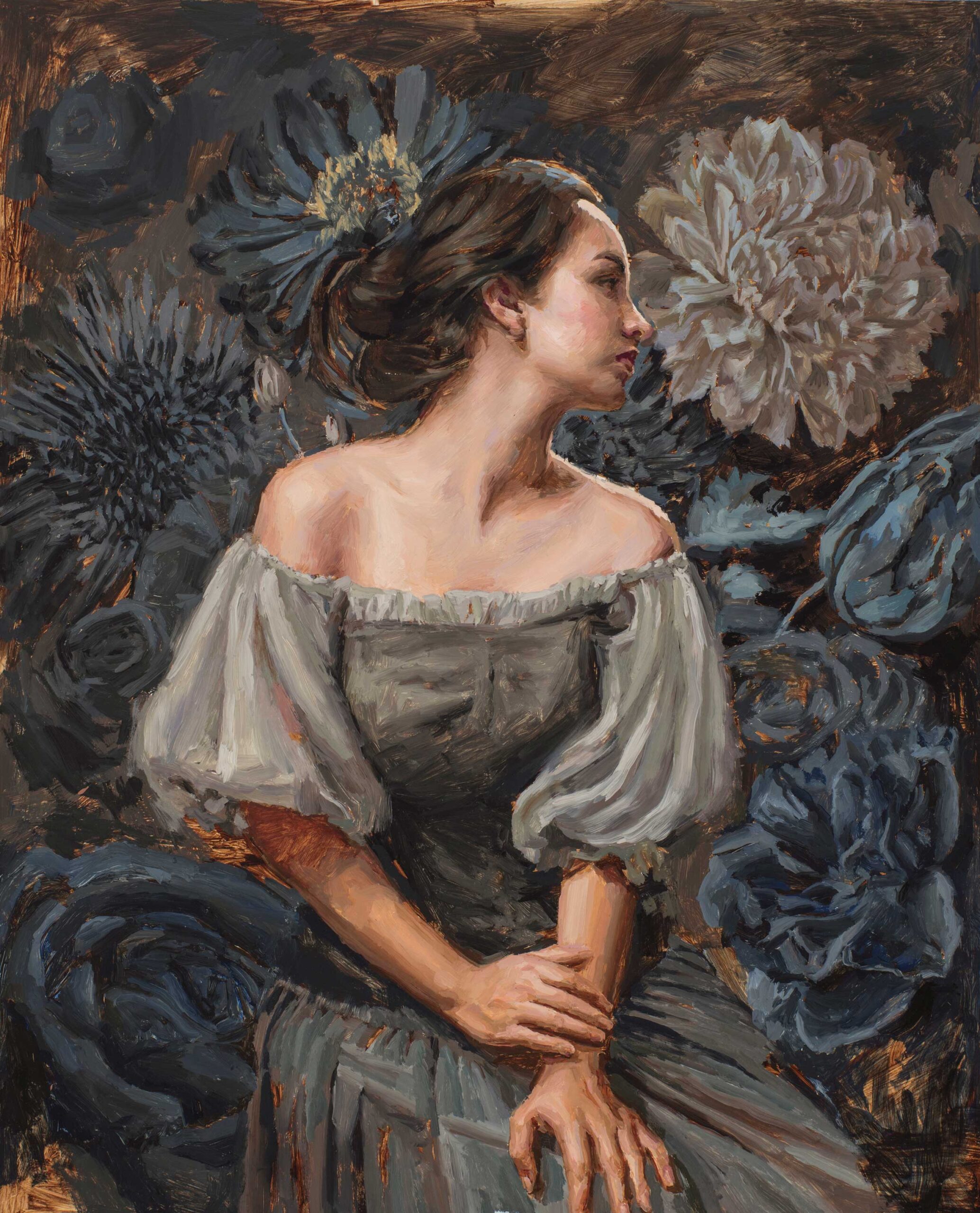
Mary Sauer, 1986 | Figurative painter

Painter Mary Sauer was born in Greenville, Kentucky. Her work has been exhibited throughout the United States including over a dozen shows in New York City alone.
Mary is a 2014 recipient of The Elizabeth Greenshields Foundation Grant for traditional figure painting and winner of the 2014 Director’s Award at the Springville Museum of Art’s annual Spring Salon.
Mary's art is influenced by nineteenth century painting including John Singer Sargent, the Pre-Raphealites, and the French Academics as well as contemporary realist academic painting and fashion photography.


Textual description of firstImageUrl

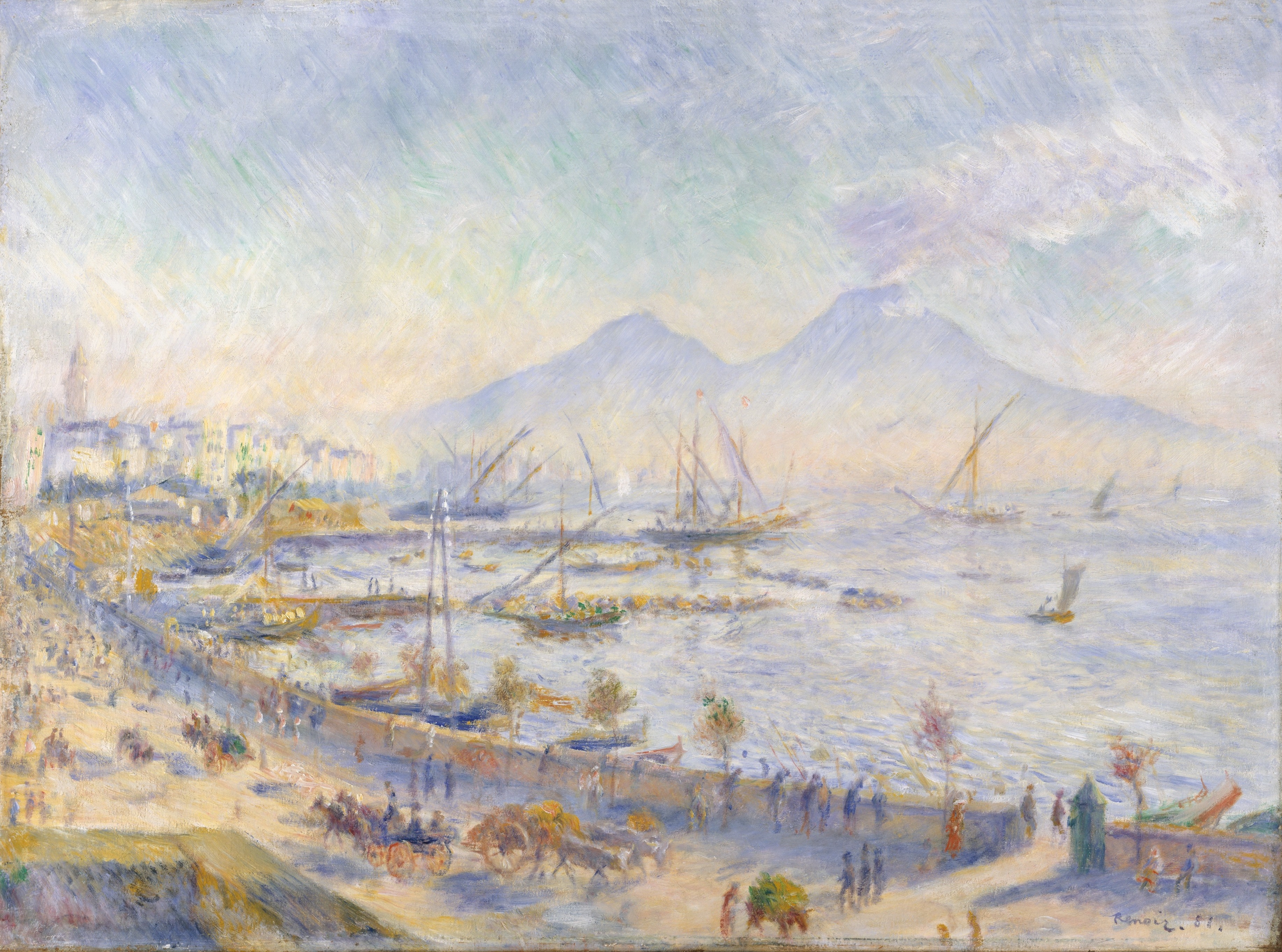
Pierre-Auguste Renoir | The Bay of Naples, 1881

The corner of the balcony visible at lower left in this composition indicates Renoir’s vantage point overlooking the bay of Naples.
His position afforded an iconic view of the harbor with the volcano Mount Vesuvius in the background, wafting smoke into the sky.
Inspired by the southern Italian light, Renoir painted another version of this vista at a different time of day (The Clark Art Institute, Williamstown, Mass.).
James Duncan, a wealthy sugar refiner, purchased the present work in 1883, making it the first Impressionist picture acquired by a Scottish collector.

Pierre-Auguste Renoir | The Bay of Naples, 1881 | Metropolitan Museum of Art

Textual description of firstImageUrl

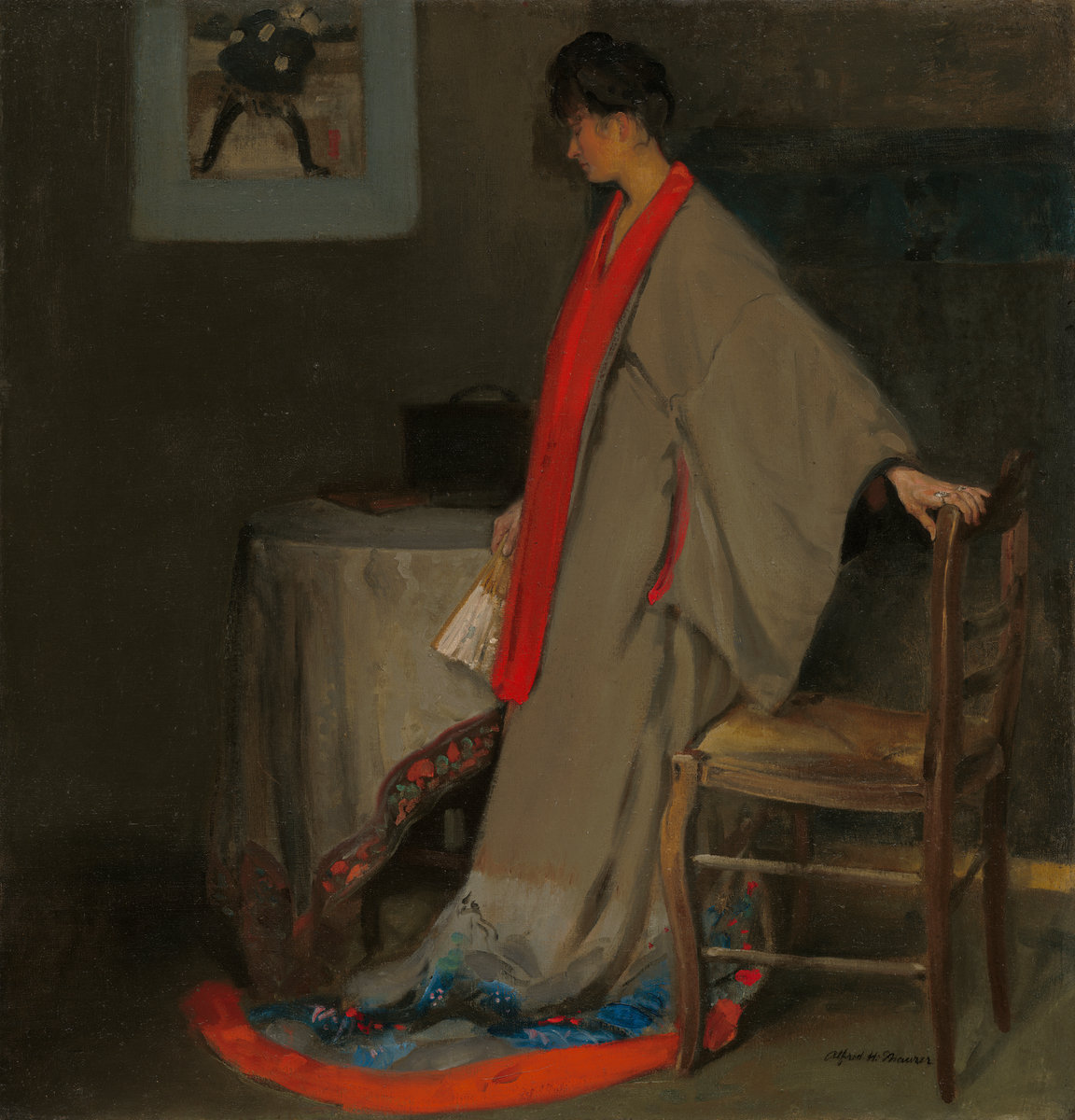
Alfred H. Maurer | Post-impressionist painter

Alfred Henry Maurer (1868-1932) was an American Modernist painter.
He exhibited his work in avant-garde circles internationally and in New York City during the early twentieth century.
Highly respected today, his work met with little critical or commercial success in his lifetime, and he died, a suicide, at the age of sixty-four.


Textual description of firstImageUrl

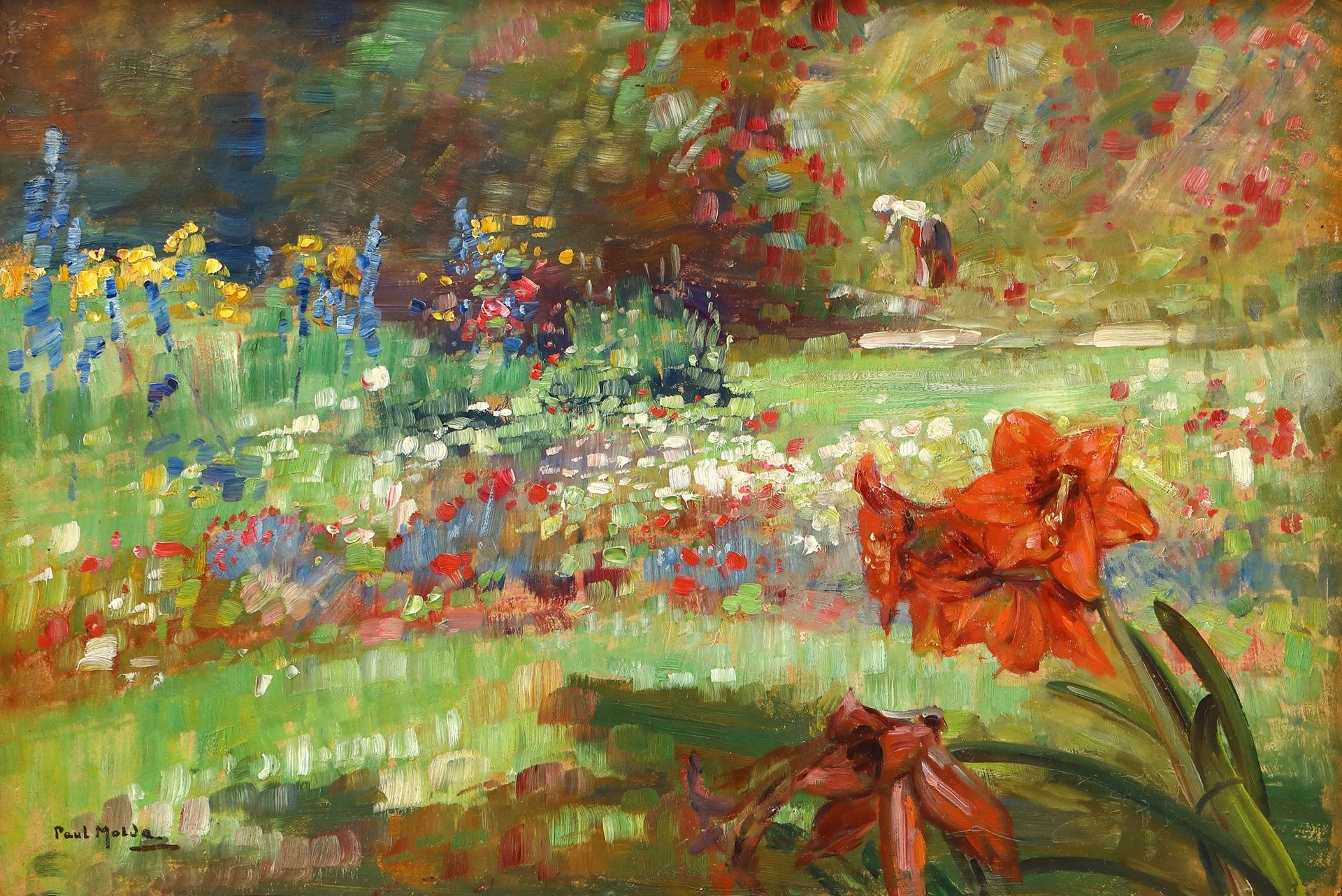
Paul Molda | Impressionist painter

Paul Molda (Pavel Ioan Popescu) was born in 1884, in Negulești, Tecuci, Galați county, and died in 1955, in Bucharest.
He attended the School of Fine Arts in Bucharest and the Academy of Fine Arts in Venice.
He painted both landscapes and portraits and restored the painting of several churches.


Textual description of firstImageUrl

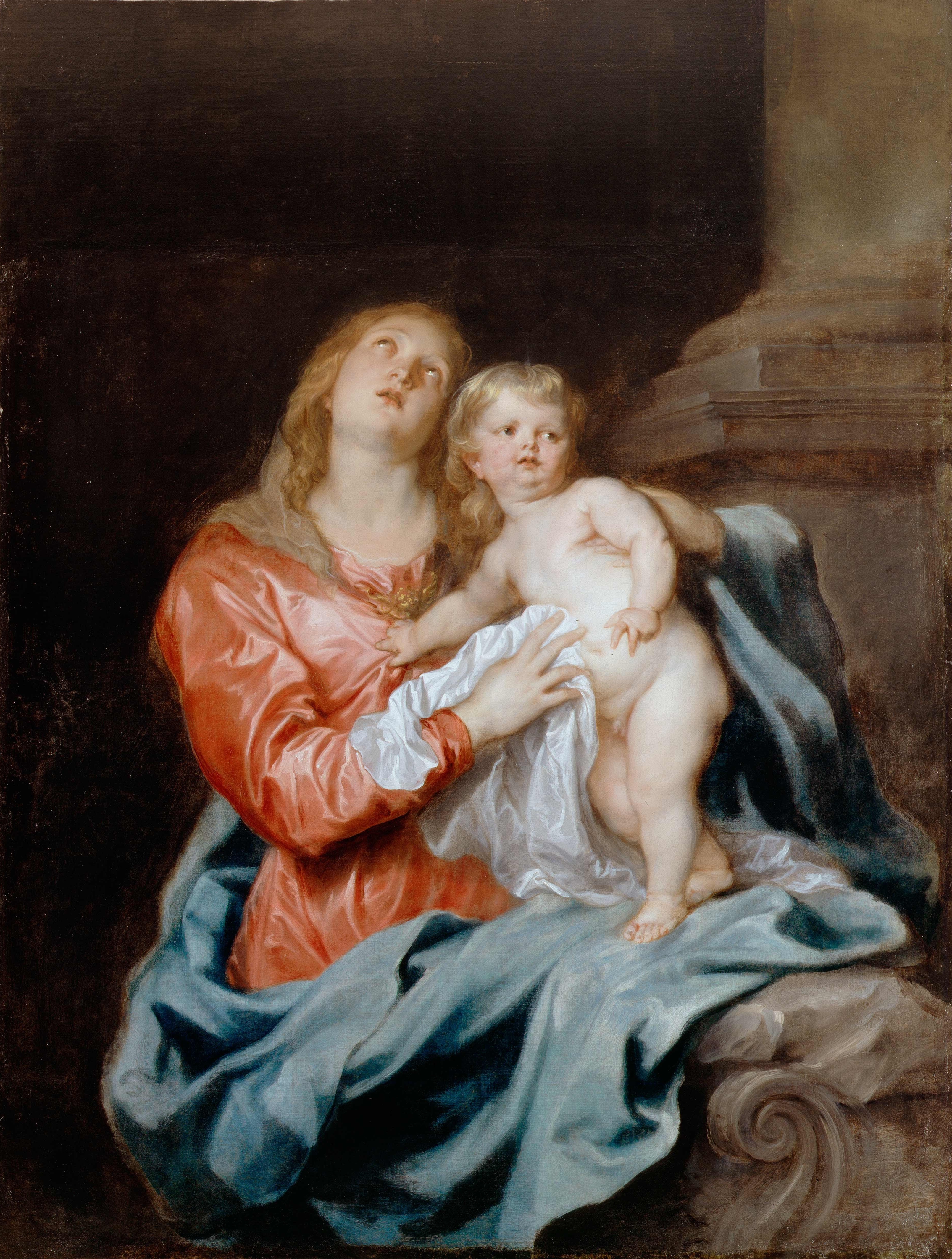
Sir Anthony Van Dyck | Baroque painter

Sir Anthony van Dyck (1599-1641) was the most important Flemish painter of the 17th century after Rubens, whose works influenced the young Van Dyck.
He also studied and was profoundly influenced by the work of Italian artists, above all, Titian.
Anthony van Dyck studied under Peter Paul Rubens and was one of his most accomplished students.


Textual description of firstImageUrl

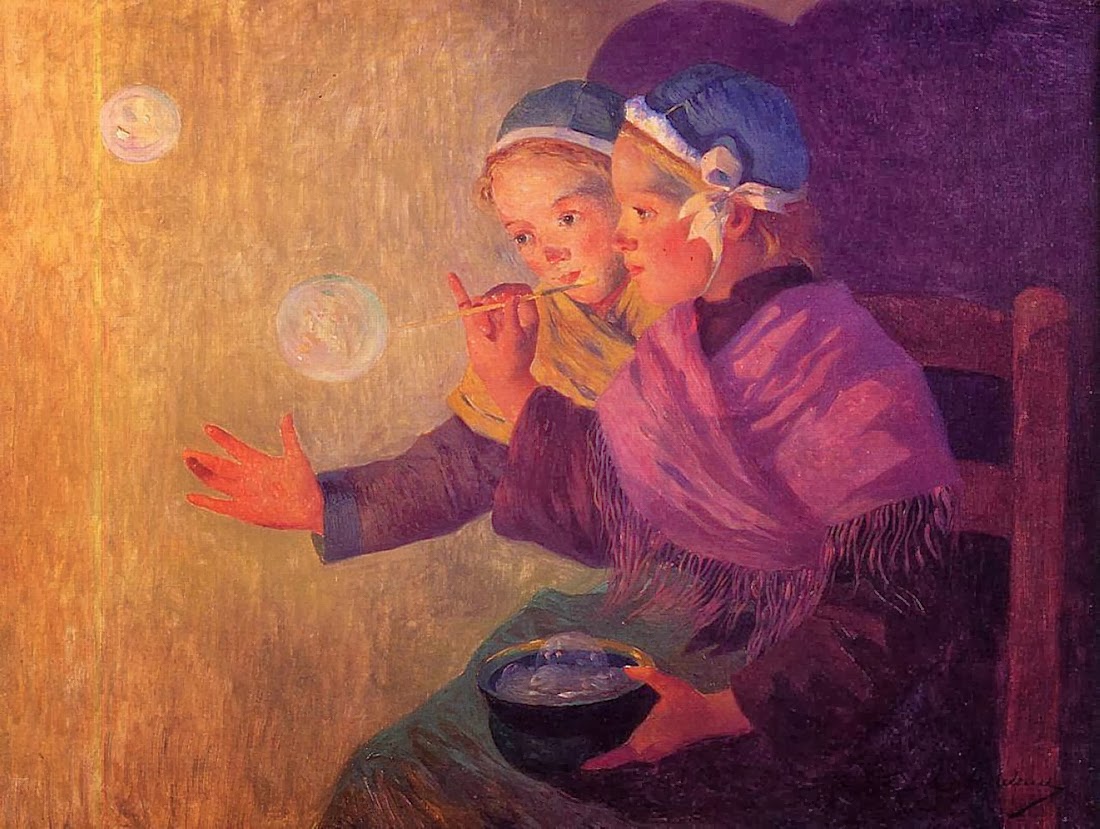
Ferdinand du Puigaudeau | Neo-Impressionist painter

French painter Ferdinand Loyen du Puigaudeau (1864-1896) is often known for his mystical scenes of processions and carnivals around Pont Aven and by his association with the Gauguin and the Pont Aven School.
Still, after Gauguin moved on to the Pacific and many of the other artists of the group to Paris, Puigaudeau remained on the coast, moving an estate called Kervaudu at Le Croisic, near the mouth of the Loire.
Once there, he turned his attention to the beautiful landscape of the region: coastal cliffs with twisting fig trees, flowering fields dotted with small villages.


Textual description of firstImageUrl

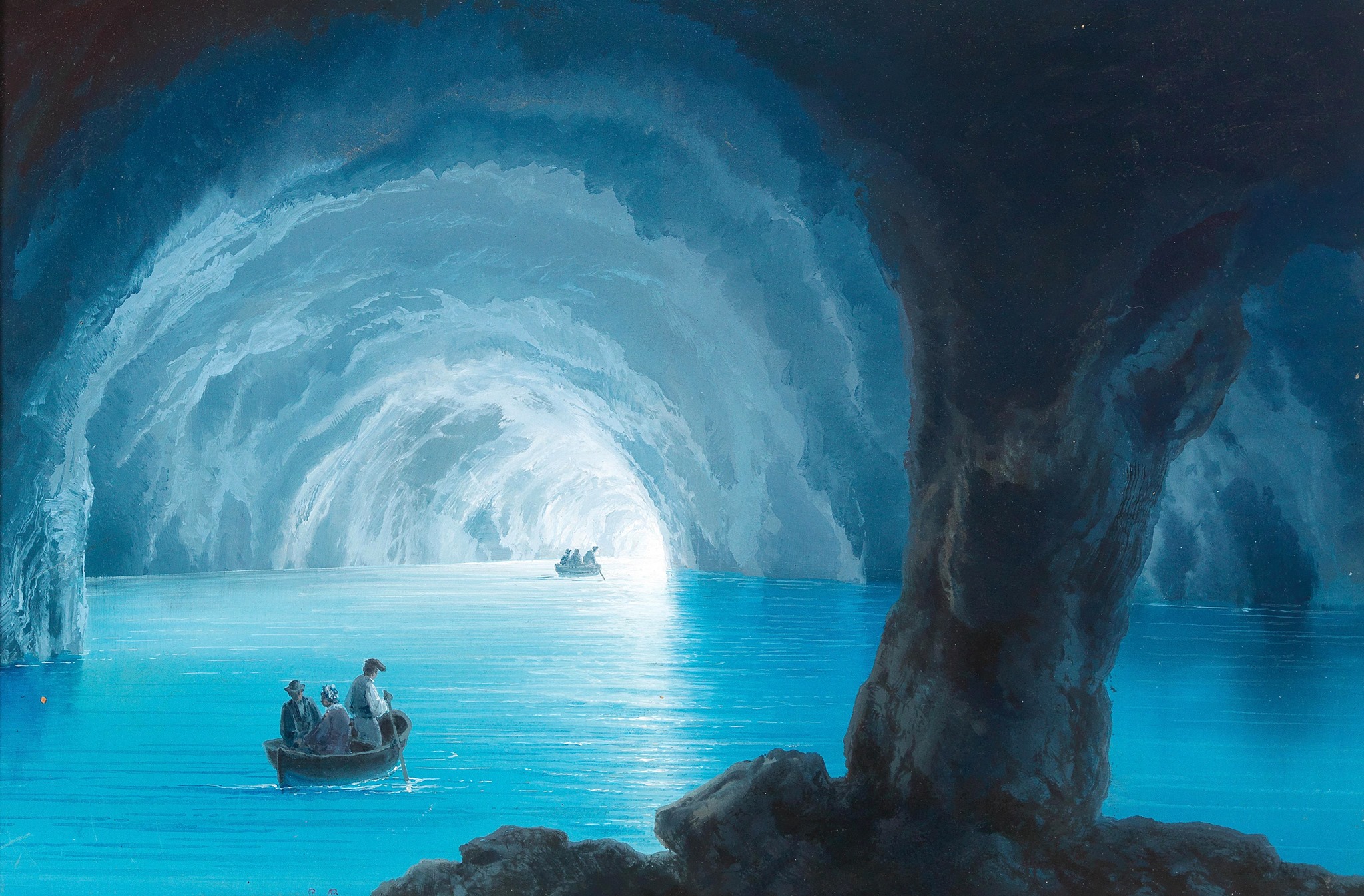
Gioacchino La Pira | The Blue Grotto on Capri island

The Blue Grotto / Grotta Azzurra, is a sea cave on the coast of the island of Capri, southern Italy.
Sunlight shining through an underwater cavity is reflected back upward through the seawater below the cavern, giving the water a blue glow that illuminates the cavern.
The cave extends some 50 metres into the cliff at the surface, and is about 150 metres (490 ft) deep, with a sandy bottom.

Gioacchino La Pira | The Blue Grotto on Capri island

The Blue Grotto is one of several sea caves worldwide that is flooded with a brilliant blue or emerald light.
The quality and nature of the color in each is determined by its unique combination of depth, breadth, water clarity, and light source.

Textual description of firstImageUrl

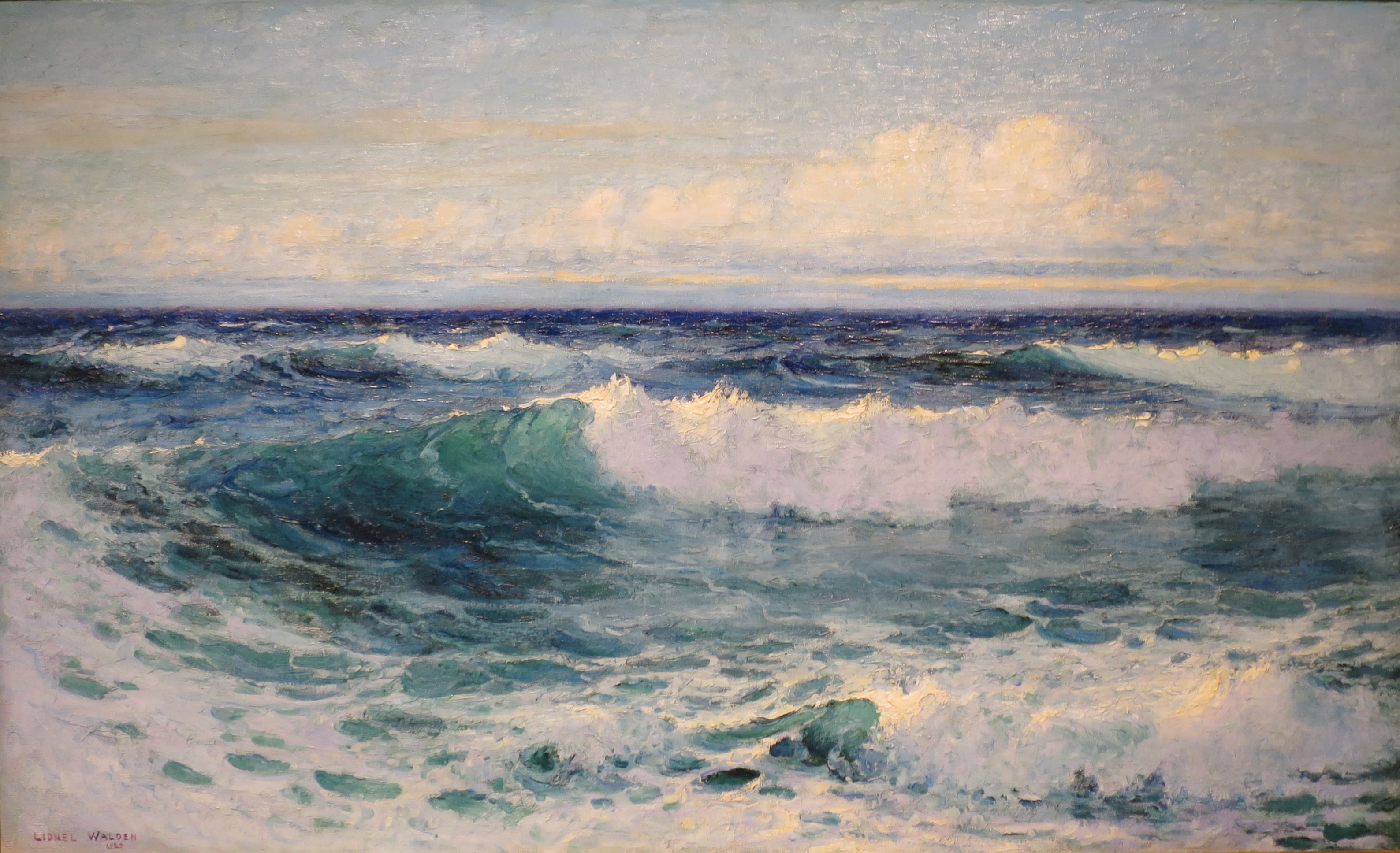
Lionel Walden | Seascape painter

A famous painter of seascapes and marine scenes, Lionel Walden (1861-1933) was born in Connecticut.
He first became interested in art in Minnesota, where the family moved when his father became rector of an Episcopal Church there.
As a young man Walden moved to Paris where he studied with E. A. Carolus-Duran.


Textual description of firstImageUrl

Odilon Redon | Portrait of Marie Botkine, 1900

This painting is a pastel of Marie Botkin, a ceramist who lived in the early 1900s.
Botkin is depicted sitting at a table, painting a pot.
The painting is delicate and colorful, and is a beautiful reminder of Botkin's artistry.

Odilon Redon | Portrait of the ceramist Marie Botkin, pastel | Musée d'Orsay, Paris, France

Textual description of firstImageUrl

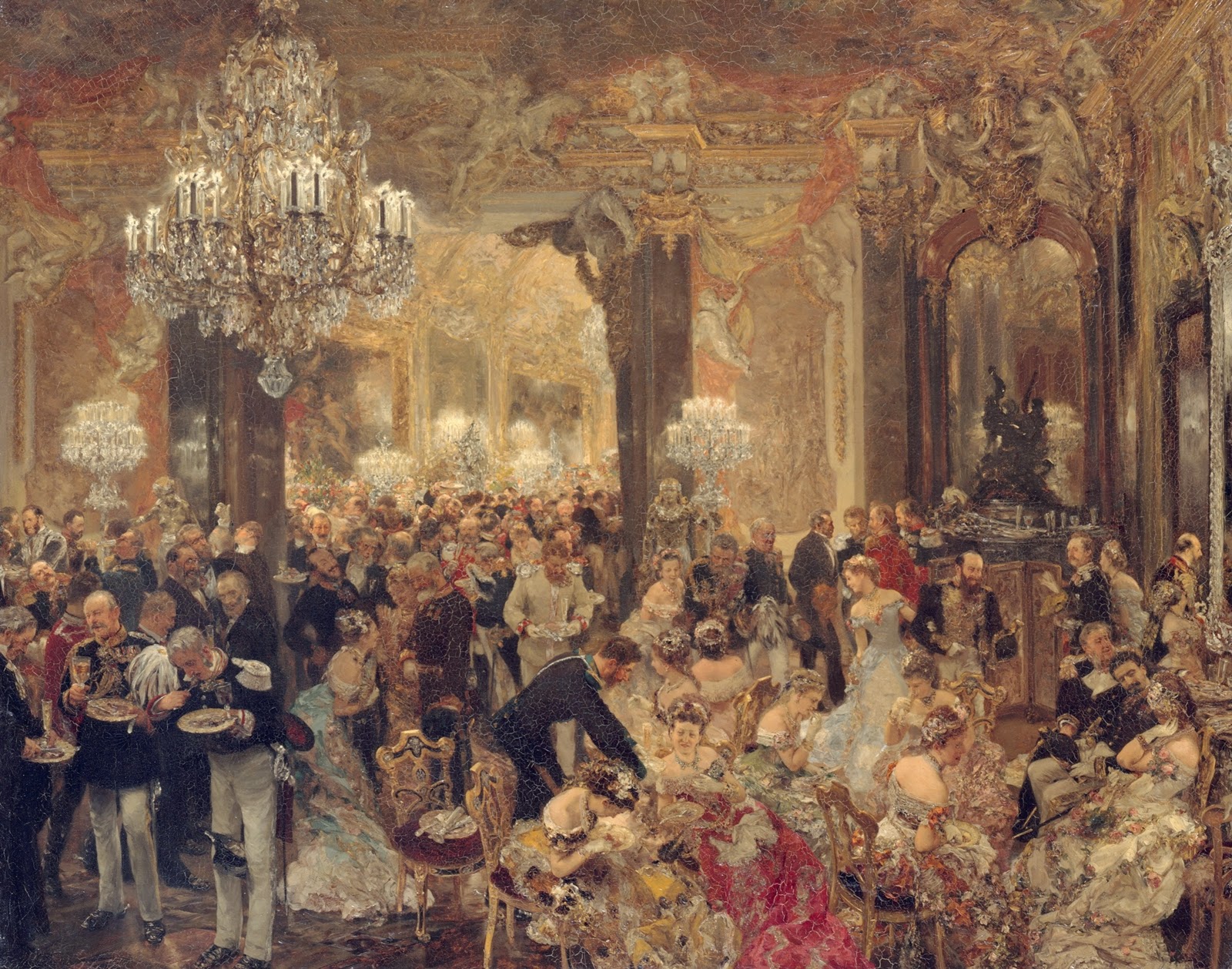
Adolph von Menzel | Realist painter

Adolf von Menzel, in full Adolf Friedrich Erdmann von Menzel (1815-1905), German painter and printmaker, best known in his own day as a brilliant historical painter, whose patriotic works satisfied the public’s taste, engendered by Prussia’s continual expansion throughout the 19th century, for propagandistic art.
In the 20th century he was chiefly esteemed for his sensitive treatment of light and the original compositions of his small genre pictures.


Textual description of firstImageUrl

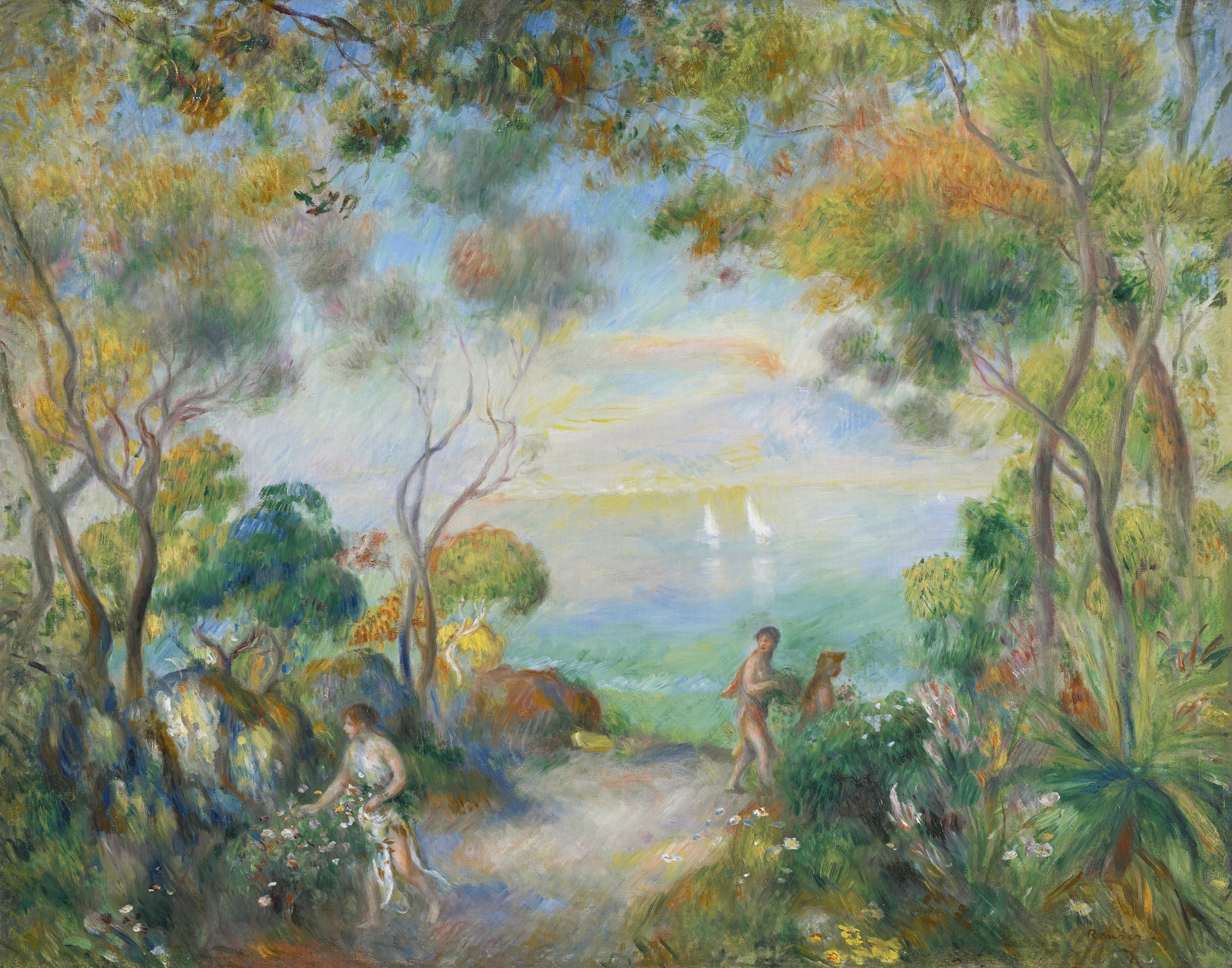
Pierre-Auguste Renoir: "La mia Italia" | Le lettere..

Italia, autunno 1881.
Alla signora Charpentier,

Dovevo pranzare un mattino con voi, e mi avrebbe fatto infinitamente piacere, perché è già passato tanto tempo.
Ma sono diventato improvvisamente viaggiatore e mi ha preso la febbre di vedere Raffaello .

Pierre-Auguste Renoir | Un jardin à Sorrente, 1881 | Sotheby's

Textual description of firstImageUrl

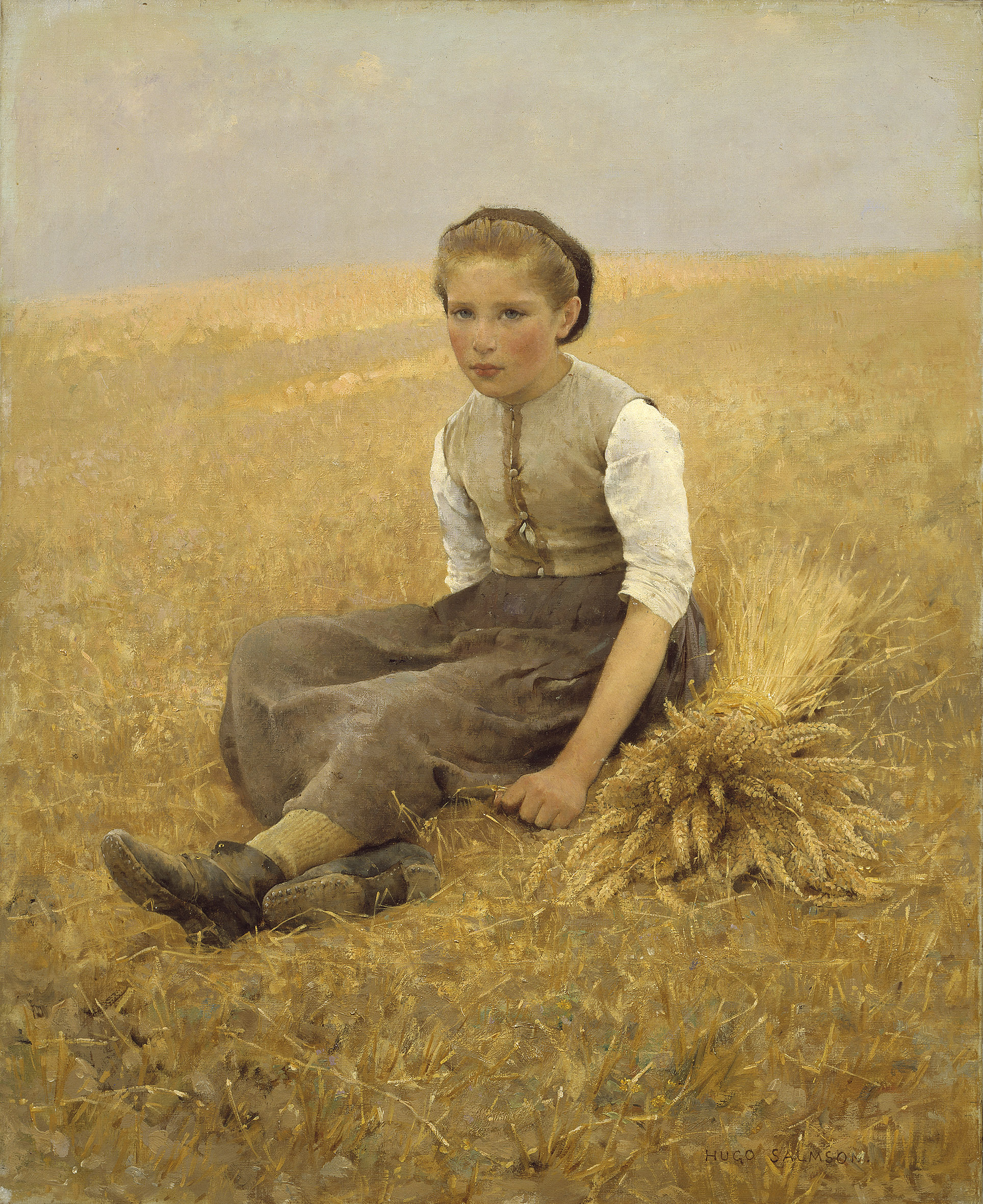
Hugo Salmson | Genre painter

Born in Stockholm, Hugo Fredrik Salmson (1843-1894) was a Swedish painter, known for figures and genre scenes.
He was the son of Fredrik Ludvig Salmson, a wholesaler, and his wife Maria Perlberg.
He initially studied business, but soon decided on an artistic career.
In 1862, he began his studies at the Royal Swedish Academy of Fine Arts where he was trained by Johan Christoffer Boklund.


Textual description of firstImageUrl

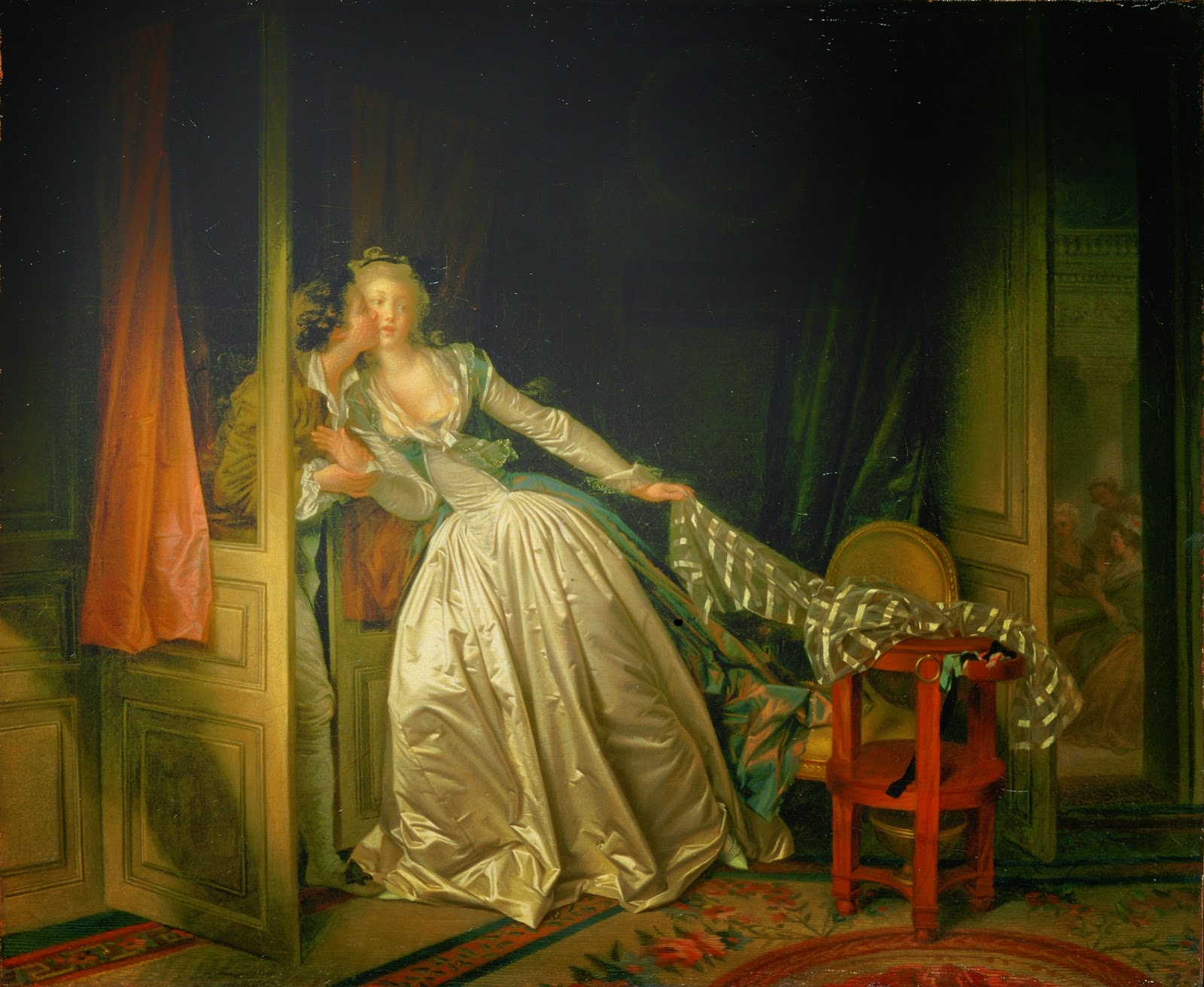
Jean-Honoré Fragonard | Rococo painter

Jean-Honoré Fragonard (1732-1806), French Rococo painter whose most familiar works, such as The Swing (1767), are characterized by delicate hedonism.
Fragonard was the son of a haberdasher’s assistant. The family moved to Paris about 1738, and in 1747 the boy was apprenticed to a lawyer, who, noticing his appetite for drawing, suggested that he be taught painting.


Textual description of firstImageUrl

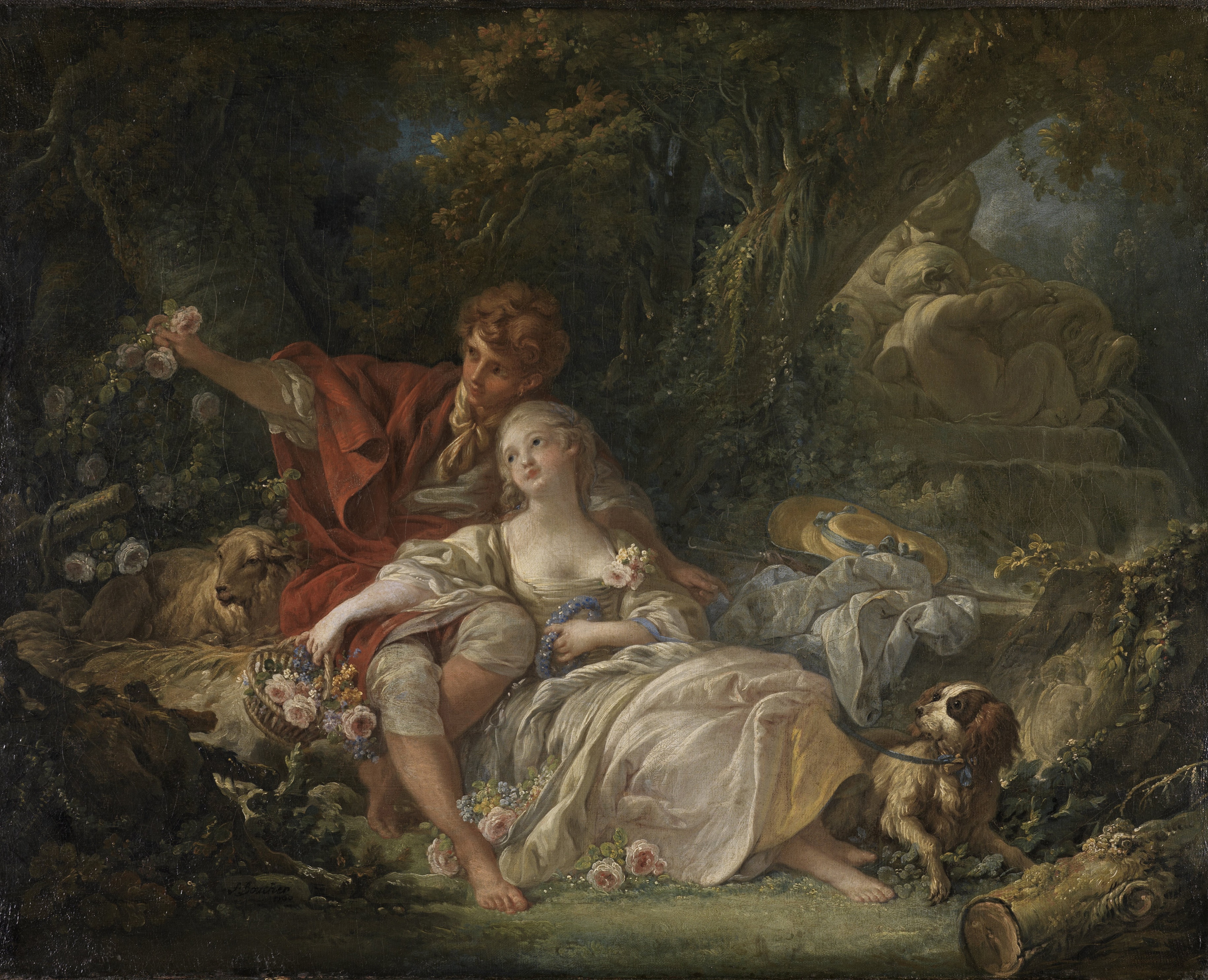
François Boucher | Rococo painter

François Boucher (1703-1770) was a French painter, draughtsman and etcher, who worked in the Rococo style.
Boucher is known for his idyllic and voluptuous paintings on classical themes, decorative allegories, and pastoral scenes.
He was perhaps the most celebrated painter and decorative artist of the 18th century.


Textual description of firstImageUrl

Alfred Boucher | The Mentor to Camille Claudel

A French sculptor and painter, Alfred Boucher (1850-1934), was Camille Claudel's teacher and the founder of the artists' city La Ruche in Paris.
Born in Bouy-sur-Ovin (Nogent-sur-Seine), he was the son of a farmhand who became the gardener of the sculptor Joseph-Marius Ramus, who, after recognizing Boucher's talent, opened his studio to him.
He won the Grand Prix du Salon in 1881 with La Piété Filiale.


Textual description of firstImageUrl

Jean-François Millet: "To tell the truth, peasant subjects suit my nature best.."

"Art will never come except from some small disregarded corner where an isolated and inspired man is studying the mysteries of nature".
"L'arte non verrà mai se non da qualche piccolo angolo trascurato dove un uomo isolato e ispirato sta studiando i misteri della natura".