Visualizzazione dei post in ordine di pertinenza per la query Edgar Degas. Ordina per data Mostra tutti i post
Degas and Mary Cassatt | A Love story...

Degas and Mary Cassatt | A Love story...

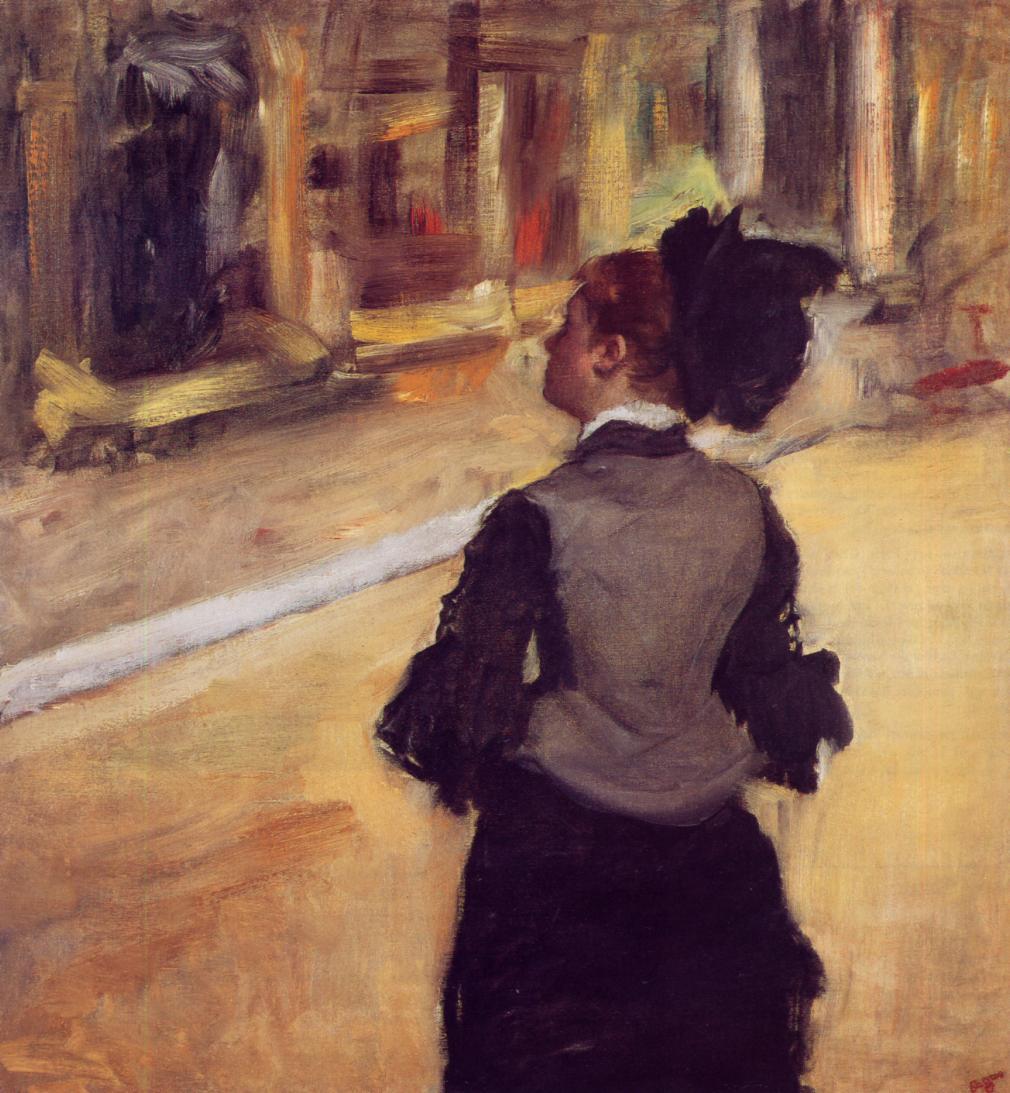
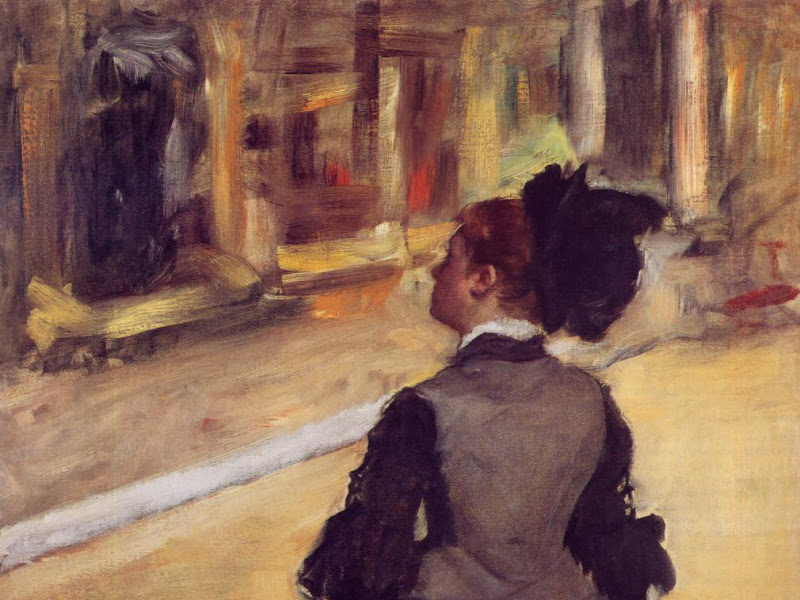
Edgar Degas - Marie Cassatt in the Louvre, 1880

From the moment the American Mary Cassatt (1844-1926) made her debut in 1879 with the group of artists known as the Impressionists*, her name has been linked with that of the Frenchman Edgar Degas (1834-1917). 
Cassatt stated that her first encounter with Degas’s art “changed my life,” while Degas, upon seeing Cassatt’s art for the first time, reputedly remarked, “there is someone who feels as I do”. 
It was this shared sensibility as much as Cassatt’s extraordinary talent that drew Degas’s attention.
Read More

Degas and Mary Cassatt | A Love story...

Edgar Degas - Marie Cassatt in the Louvre, 1880

From the moment the American Mary Cassatt (1844-1926) made her debut in 1879 with the group of artists known as the Impressionists*, her name has been linked with that of the Frenchman Edgar Degas (1834-1917). 
Cassatt stated that her first encounter with Degas’s art “changed my life,” while Degas, upon seeing Cassatt’s art for the first time, reputedly remarked, “there is someone who feels as I do”. 
It was this shared sensibility as much as Cassatt’s extraordinary talent that drew Degas’s attention.
19th-20th century Artists | Sitemap

19th-20th century Artists | Sitemap


List of 19th-20th century Artists and artistic movements definition

19th-20th century Art
Read More

19th-20th century Artists | Sitemap

Edgar Degas | Life and Artworks

Edgar Degas | Life and Artworks

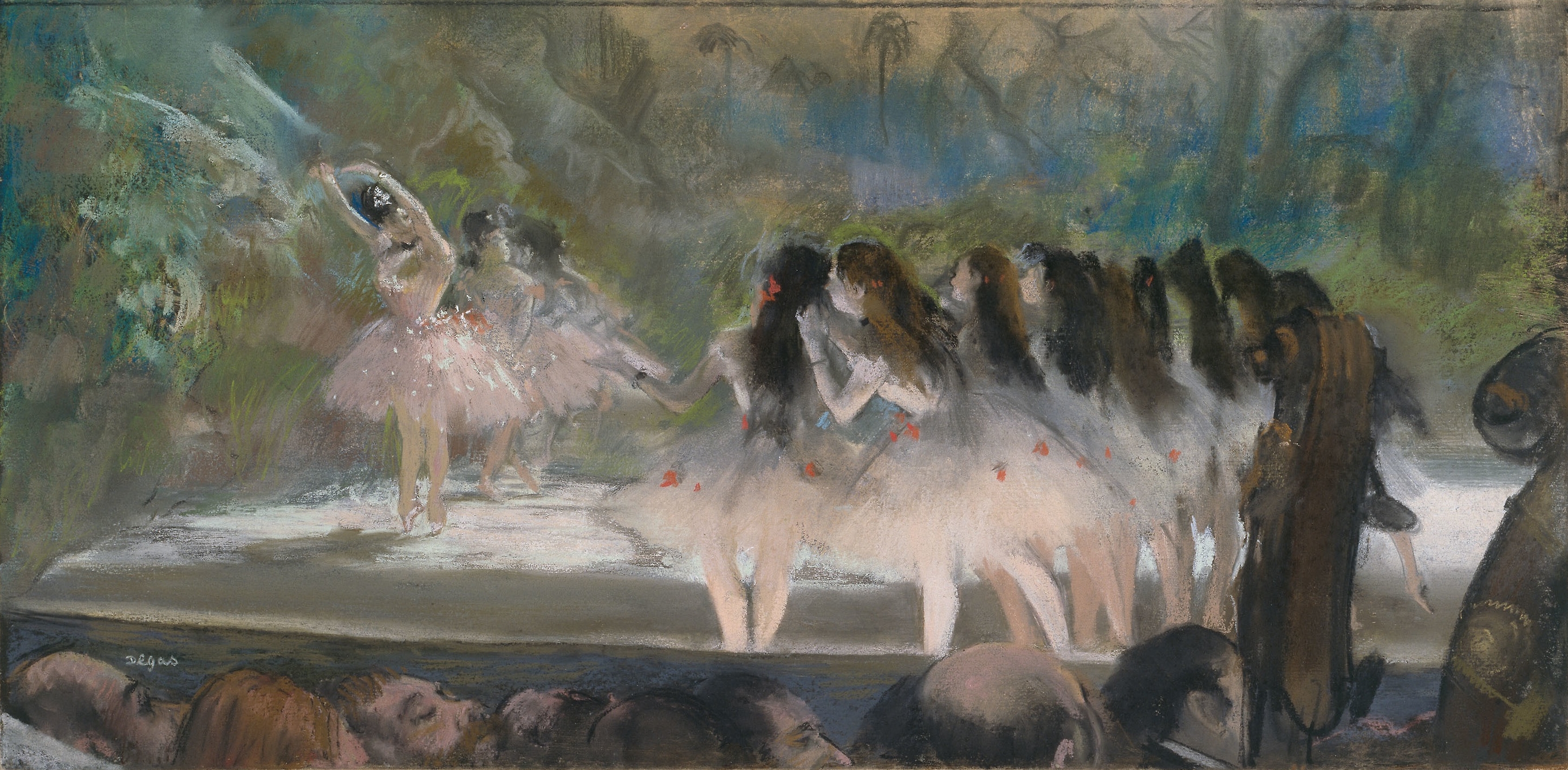
Edgar Degas seems never to have reconciled himself to the label of "Impressionist", preferring to call himself a "Realist" or "Independent". Nevertheless, he was one of the group’s founders, an organizer of its exhibitions, and one of its most important core members.
Like the Impressionists, he sought to capture fleeting moments in the flow of modern life, yet he showed little interest in painting plein air landscapes, favoring scenes in theaters and cafés illuminated by artificial light, which he used to clarify the contours of his figures, adhering to his Academic training.


Read More

Edgar Degas | Life and Artworks

Edgar Degas seems never to have reconciled himself to the label of "Impressionist", preferring to call himself a "Realist" or "Independent". Nevertheless, he was one of the group’s founders, an organizer of its exhibitions, and one of its most important core members.
Like the Impressionists, he sought to capture fleeting moments in the flow of modern life, yet he showed little interest in painting plein air landscapes, favoring scenes in theaters and cafés illuminated by artificial light, which he used to clarify the contours of his figures, adhering to his Academic training.


Edgar Degas | Artistic career

Edgar Degas | Artistic career

Upon his return to France in 1859, Degas moved into a Paris studio large enough to permit him to begin painting The Bellelli Family—an imposing canvas he intended for exhibition in the Salon, although it remained unfinished until 1867.
He also began work on several history paintings: Alexander and Bucephalus and The Daughter of Jephthah in 1859–60; Sémiramis Building Babylon in 1860; and Young Spartans around 1860.
In 1861 Degas visited his childhood friend Paul Valpinçon in Normandy, and made the earliest of his many studies of horses.
He exhibited at the Salon for the first time in 1865, when the jury accepted his painting Scene of War in the Middle Ages, which attracted little attention.


Read More

Edgar Degas | Artistic career

Upon his return to France in 1859, Degas moved into a Paris studio large enough to permit him to begin painting The Bellelli Family—an imposing canvas he intended for exhibition in the Salon, although it remained unfinished until 1867.
He also began work on several history paintings: Alexander and Bucephalus and The Daughter of Jephthah in 1859–60; Sémiramis Building Babylon in 1860; and Young Spartans around 1860.
In 1861 Degas visited his childhood friend Paul Valpinçon in Normandy, and made the earliest of his many studies of horses.
He exhibited at the Salon for the first time in 1865, when the jury accepted his painting Scene of War in the Middle Ages, which attracted little attention.


Edgar Degas | Horse racing /Corse di cavalli

Edgar Degas | Horse racing /Corse di cavalli

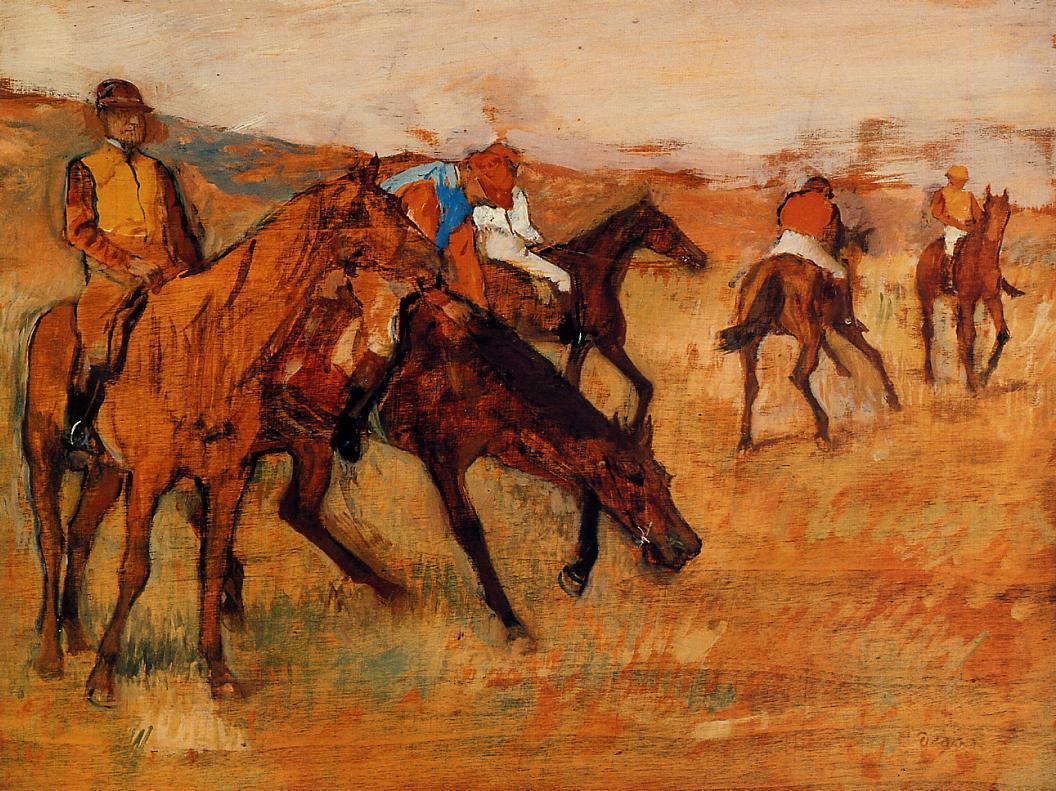
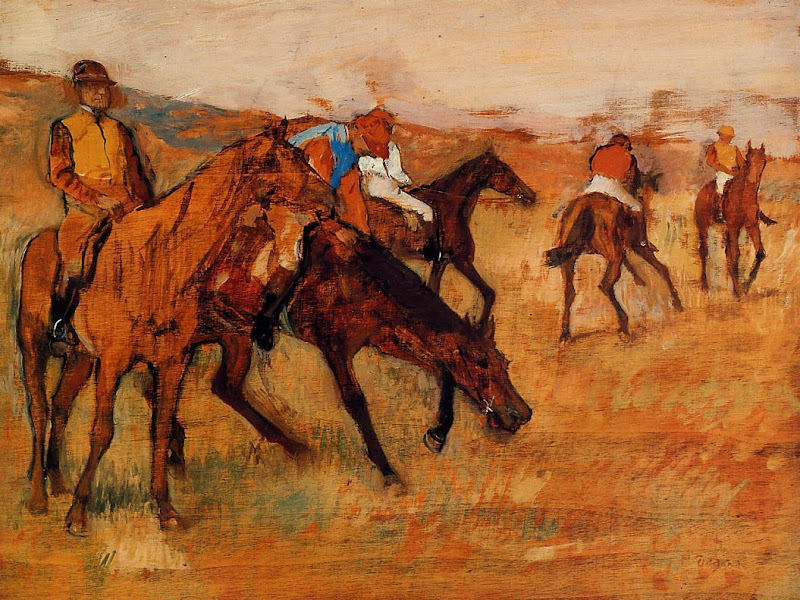
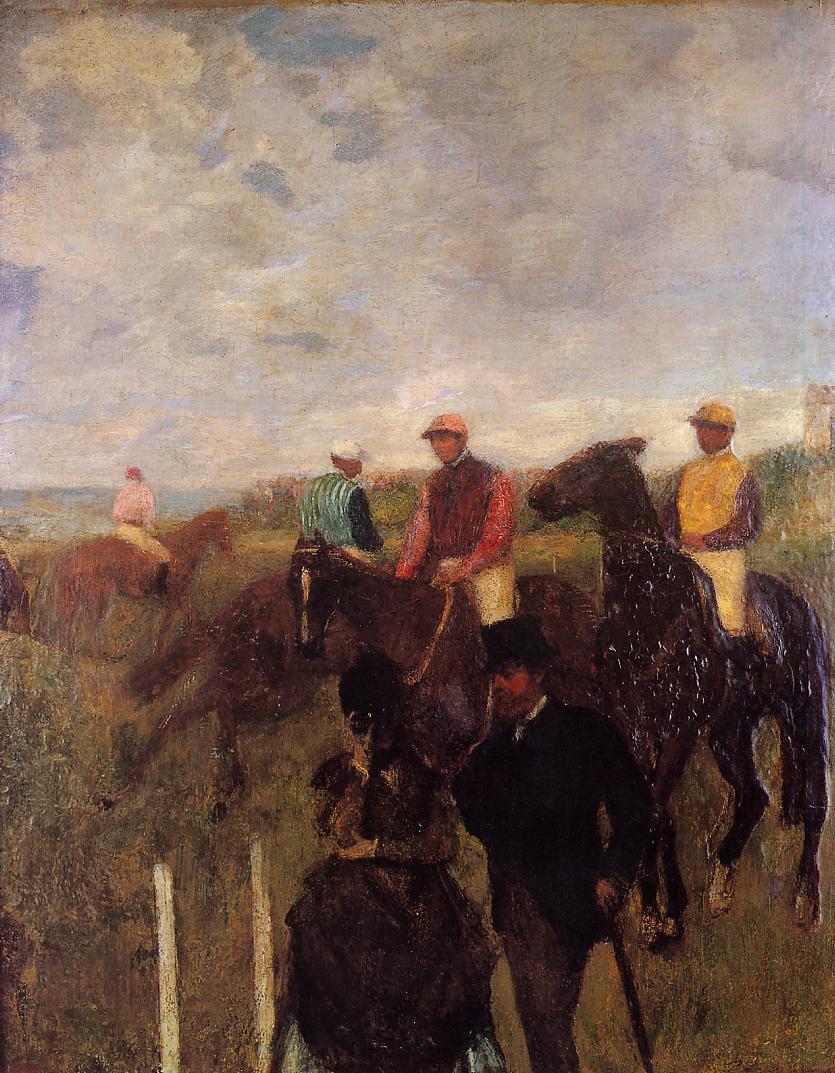
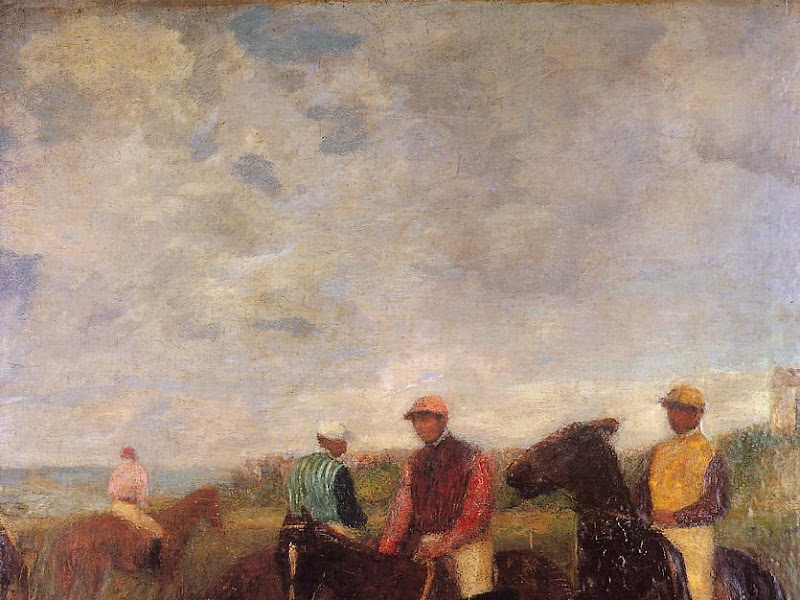
French Impressionist painter, Edgar Degas (1834-1917), began painting scenes with horses in the 1860s.
For biographical notes -in english and italian- and other works by Degas see Edgar Degas | Realist/Impressionist painter and sculptor.

Other from Edgar Degas:


Read More

Edgar Degas | Horse racing /Corse di cavalli

French Impressionist painter, Edgar Degas (1834-1917), began painting scenes with horses in the 1860s.
For biographical notes -in english and italian- and other works by Degas see Edgar Degas | Realist/Impressionist painter and sculptor.

Other from Edgar Degas:


Edgar Degas | Landscapes

Edgar Degas | Landscapes

Edgar Degas (1834-1917) was a French artist famous for his paintings, sculptures, prints and drawings.
For biographical notes -in english and italian- and other works by Degas see Edgar Degas | Realist/Impressionist painter and sculptor.

Other from Edgar Degas:


Read More

Edgar Degas | Landscapes

Edgar Degas (1834-1917) was a French artist famous for his paintings, sculptures, prints and drawings.
For biographical notes -in english and italian- and other works by Degas see Edgar Degas | Realist/Impressionist painter and sculptor.

Other from Edgar Degas:


List of Sculptors | Sitemap

List of Sculptors | Sitemap

Sculpture is the branch of the visual arts that operates in three dimensions.
Sculpture is the three-dimensional art work which is physically presented in the dimensions of height, width and depth.
It is one of the plastic arts. Durable sculptural processes originally used carving (the removal of material) and modelling (the addition of material, as clay), in stone, metal, ceramics, wood and other materials but, since Modernism, there has been almost complete freedom of materials and process.


Read More

List of Sculptors | Sitemap

Sculpture is the branch of the visual arts that operates in three dimensions.
Sculpture is the three-dimensional art work which is physically presented in the dimensions of height, width and depth.
It is one of the plastic arts. Durable sculptural processes originally used carving (the removal of material) and modelling (the addition of material, as clay), in stone, metal, ceramics, wood and other materials but, since Modernism, there has been almost complete freedom of materials and process.


Edgar Degas | Dans les coulisses, 1882-1885

Edgar Degas | Dans les coulisses, 1882-1885

Dans les coulisses, executed by Edgar Degas (1834-1917)🎨 circa 1882-1885, (66.7x37.5 cm), was sold for £8,993,750 / $12.555.275 in the Impressionist and Modern Art Evening Sale on 27 February 2018 at Christie’s in London.
Dans les coulisses, thought to have been executed between 1882 and 1885. Perhaps no other artist is as closely associated with the performance arts as Degas, and this painting transports the viewer to the world of the Paris Opéra, which opened in 1875. Degas was a frequent visitor, and the Opéra became one of his favoured subjects.
Described by Christie’s Global President Jussi Pylkkänen as ‘one of the most noble and beautiful works by Degas that I’ve seen on the market in the past 30 years’, says Christie’s Global President Jussi Pylkkänen.


Read More

Edgar Degas | Dans les coulisses, 1882-1885

Dans les coulisses, executed by Edgar Degas (1834-1917)🎨 circa 1882-1885, (66.7x37.5 cm), was sold for £8,993,750 / $12.555.275 in the Impressionist and Modern Art Evening Sale on 27 February 2018 at Christie’s in London.
Dans les coulisses, thought to have been executed between 1882 and 1885. Perhaps no other artist is as closely associated with the performance arts as Degas, and this painting transports the viewer to the world of the Paris Opéra, which opened in 1875. Degas was a frequent visitor, and the Opéra became one of his favoured subjects.
Described by Christie’s Global President Jussi Pylkkänen as ‘one of the most noble and beautiful works by Degas that I’ve seen on the market in the past 30 years’, says Christie’s Global President Jussi Pylkkänen.


Edgar Degas a Napoli, 1856

Edgar Degas a Napoli, 1856

Degas sbarcò a Napoli (IT) il 17 luglio 1856. Nella città partenopea l'artista ebbe modo di ricongiungersi con il nonno René Hilaire, che lo ospitò nella sua vasta dimora, palazzo Pignatelli di Monteleone: il viaggio in Italia, oltre a un'inestimabile opportunità formativa, era infatti anche un modo per ricongiungersi con i familiari, in parte residenti a Napoli, in parte a Firenze.
Napoli, città esuberante e vivace, che offriva un clima splendidamente mediterraneo, serbava all’epoca non solo un grande fervore culturale, ma anche una vasta gamma di divertimenti pittoreschi, gastronomici e carnali.
Degas, tuttavia, conduceva una vita ascetica, totalmente dedicata all'arte, e pertanto consacrò il suo soggiorno napoletano al perfezionamento della sua pittura.
Notevole, in tal senso, il Ritratto di Hilaire De Gas, opera raffigurante proprio il nonno che si può considerare a pieno titolo il primo cimento artistico di rilievo del giovane Degas.

Edgar Degas | Ritratto di Hilaire De Gas, 1857 | Museo d'Orsay, Parigi

Read More

Edgar Degas a Napoli, 1856

Degas sbarcò a Napoli (IT) il 17 luglio 1856. Nella città partenopea l'artista ebbe modo di ricongiungersi con il nonno René Hilaire, che lo ospitò nella sua vasta dimora, palazzo Pignatelli di Monteleone: il viaggio in Italia, oltre a un'inestimabile opportunità formativa, era infatti anche un modo per ricongiungersi con i familiari, in parte residenti a Napoli, in parte a Firenze.
Napoli, città esuberante e vivace, che offriva un clima splendidamente mediterraneo, serbava all’epoca non solo un grande fervore culturale, ma anche una vasta gamma di divertimenti pittoreschi, gastronomici e carnali.
Degas, tuttavia, conduceva una vita ascetica, totalmente dedicata all'arte, e pertanto consacrò il suo soggiorno napoletano al perfezionamento della sua pittura.
Notevole, in tal senso, il Ritratto di Hilaire De Gas, opera raffigurante proprio il nonno che si può considerare a pieno titolo il primo cimento artistico di rilievo del giovane Degas.

Edgar Degas | Ritratto di Hilaire De Gas, 1857 | Museo d'Orsay, Parigi

Impressionist Artists | Sitemap

Impressionist Artists | Sitemap

Claude Monet | Meules, 1891 | Sotheby's

"Impressionism is only direct sensation. All great painters were less or more impressionists. It is mainly a question of instinct, and much simpler than (John Singer) Sargent thinks".
- Claude Monet (1840-1926)

"Ho avuto il solo merito di aver dipinto direttamente di fronte alla natura, cercando di rendere le mie impressioni davanti agli effetti più fuggevoli, e sono desolato di essere stato la causa del nome dato ad un gruppo, la maggior parte del quale non aveva nulla di impressionista".
- Claude Monet (1840-1926)

Read More

Impressionist Artists | Sitemap

Claude Monet | Meules, 1891 | Sotheby's

"Impressionism is only direct sensation. All great painters were less or more impressionists. It is mainly a question of instinct, and much simpler than (John Singer) Sargent thinks".
- Claude Monet (1840-1926)

"Ho avuto il solo merito di aver dipinto direttamente di fronte alla natura, cercando di rendere le mie impressioni davanti agli effetti più fuggevoli, e sono desolato di essere stato la causa del nome dato ad un gruppo, la maggior parte del quale non aveva nulla di impressionista".
- Claude Monet (1840-1926)

Edgar Degas: "Copiare e ricopiare i maestri.."

Edgar Degas: "Copiare e ricopiare i maestri.."

Per comprendere adeguatamente il profilo artistico di Degas è indispensabile coglierne le connessioni con gli immensi depositi culturali del passato. Degas, infatti, fu meno disposto di altri suoi colleghi ad accantonare l'eredità dei grandi maestri, ai quali si riferì sempre con appassionata devozione. Non a caso egli considerava i musei come il luogo congeniale alla formazione di un artista, ed a tutti coloro che gli chiedevano consigli per migliorare le proprie tecniche egli ricordava caparbiamente l'importanza di copiare i capolavori del passato.
È comunque considerato uno de maestri dell'Ottocento ed ha lasciato il segno con il suo stile innovativo.

Una delle sue massime:
«Bisogna copiare e ricopiare i maestri, e soltanto dopo aver fornito tutte le prove di un buon copista vi si potrà ragionevolmente permettere di dipingere un ravanello dal vero» - Edgar Degas.

Lo stesso Degas, stimolato dai numerosi viaggi in Italia e dall'erudizione del padre, meditò con molta attenzione sulle pitture conservate al Louvre, e soprattutto sui primitivi del Rinascimento.


Read More

Edgar Degas: "Copiare e ricopiare i maestri.."

Per comprendere adeguatamente il profilo artistico di Degas è indispensabile coglierne le connessioni con gli immensi depositi culturali del passato. Degas, infatti, fu meno disposto di altri suoi colleghi ad accantonare l'eredità dei grandi maestri, ai quali si riferì sempre con appassionata devozione. Non a caso egli considerava i musei come il luogo congeniale alla formazione di un artista, ed a tutti coloro che gli chiedevano consigli per migliorare le proprie tecniche egli ricordava caparbiamente l'importanza di copiare i capolavori del passato.
È comunque considerato uno de maestri dell'Ottocento ed ha lasciato il segno con il suo stile innovativo.

Una delle sue massime:
«Bisogna copiare e ricopiare i maestri, e soltanto dopo aver fornito tutte le prove di un buon copista vi si potrà ragionevolmente permettere di dipingere un ravanello dal vero» - Edgar Degas.

Lo stesso Degas, stimolato dai numerosi viaggi in Italia e dall'erudizione del padre, meditò con molta attenzione sulle pitture conservate al Louvre, e soprattutto sui primitivi del Rinascimento.


Edgar Degas | Sculpture

Edgar Degas | Sculpture


Degas’ sculpture stands outside the mainstream of nineteenth-century French sculpture. He was never interested in creating public monuments, and, with one exception, neither did he display his sculpture publicly. The exception was "The Little Fourteen-Year-Old Dancer".
It was shown in the sixth Impressionist exhibition held in Paris in 1881, but the work has little to do with Impressionism. Modeled in wax and wearing a real bodice, stockings, shoes, tulle skirt, and horsehair wig with a satin ribbon, the figure astonished Degas’ contemporaries, not only for its unorthodox use of materials, but also and above all for its realism, judged brutish by some. The Little Fourteen-Year-Old Dancer was not seen again publicly until April 1920.

Read More

Edgar Degas | Sculpture


Degas’ sculpture stands outside the mainstream of nineteenth-century French sculpture. He was never interested in creating public monuments, and, with one exception, neither did he display his sculpture publicly. The exception was "The Little Fourteen-Year-Old Dancer".
It was shown in the sixth Impressionist exhibition held in Paris in 1881, but the work has little to do with Impressionism. Modeled in wax and wearing a real bodice, stockings, shoes, tulle skirt, and horsehair wig with a satin ribbon, the figure astonished Degas’ contemporaries, not only for its unorthodox use of materials, but also and above all for its realism, judged brutish by some. The Little Fourteen-Year-Old Dancer was not seen again publicly until April 1920.

19th century Art | Sitemap

19th century Art | Sitemap

From Realism to early Modernism, the 19th century gave birth to a variety of artistic movements.
The Realism and Romanticism of the early 19th century gave way to Impressionism and Post-Impressionism in the later half of the century, with Paris being the dominant art capital of the world. In the United States the Hudson River School was prominent.

Camille Claudel, Debussy and La Valse, 1891

Read More

19th century Art | Sitemap

From Realism to early Modernism, the 19th century gave birth to a variety of artistic movements.
The Realism and Romanticism of the early 19th century gave way to Impressionism and Post-Impressionism in the later half of the century, with Paris being the dominant art capital of the world. In the United States the Hudson River School was prominent.

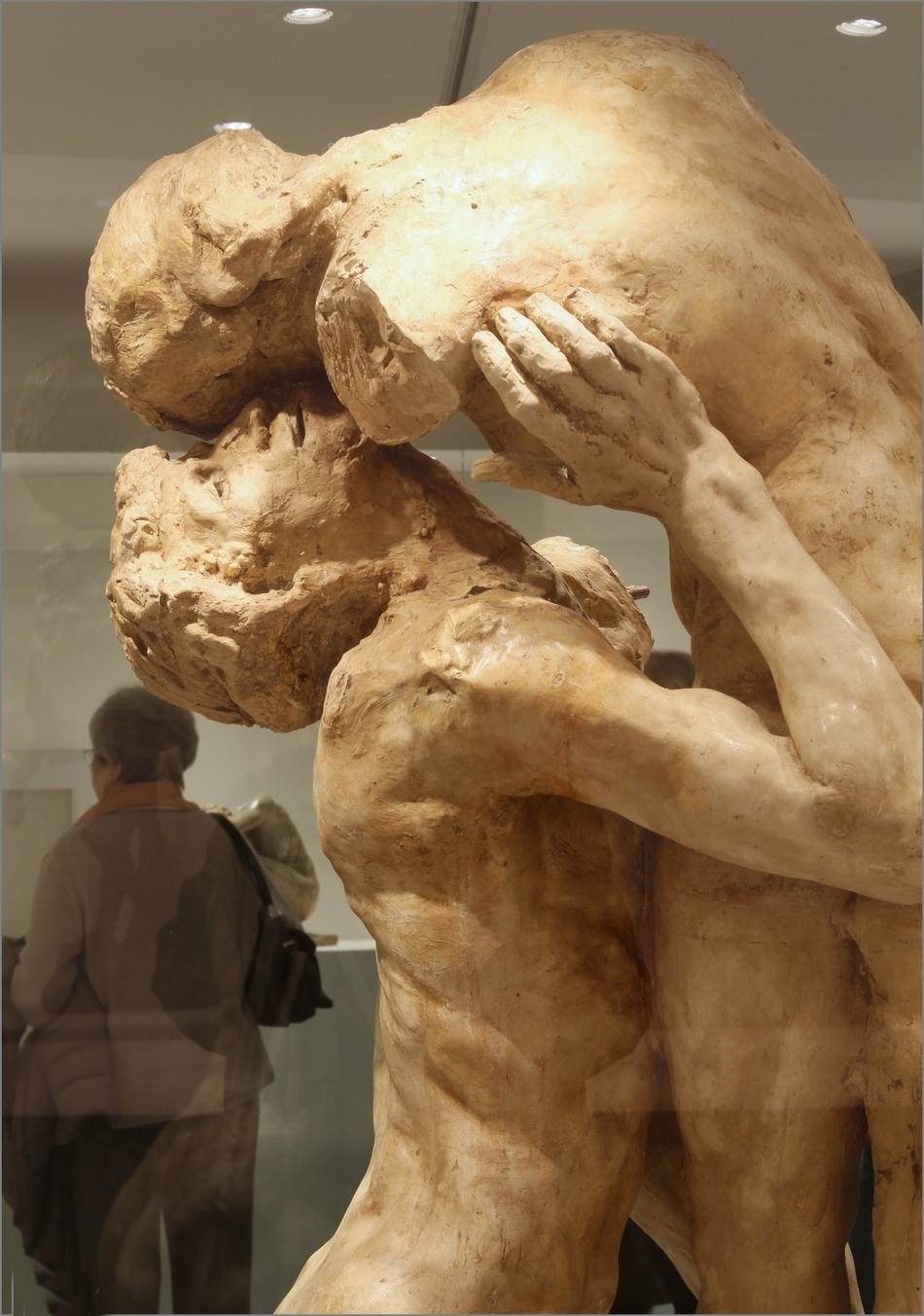
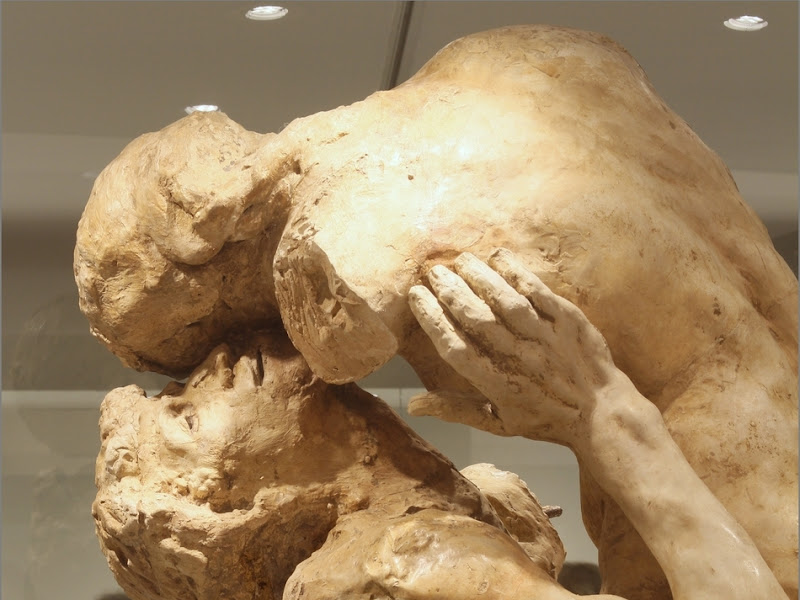
Camille Claudel, Debussy and La Valse, 1891

Edgar Degas (1834-1917) | Drawing

Edgar Degas (1834-1917) | Drawing


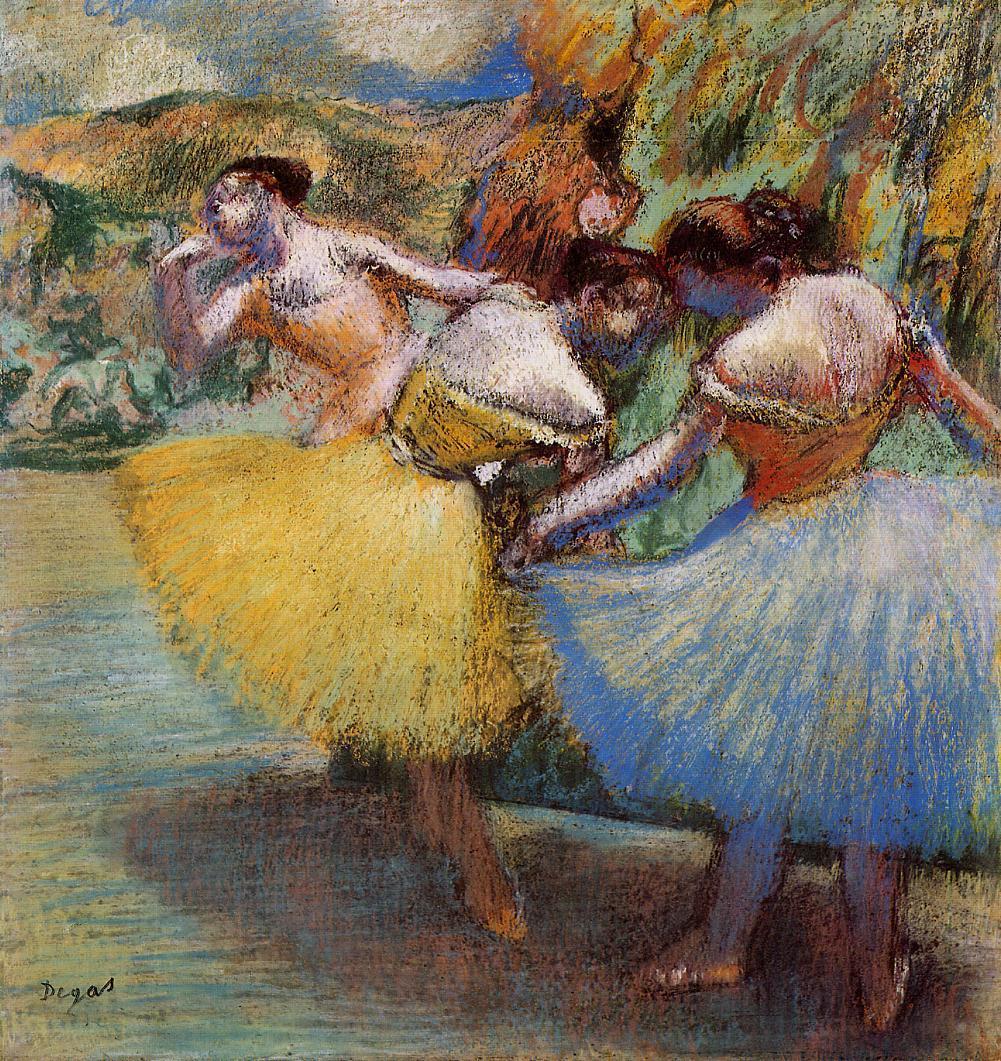
Edgar Degas🎨, born Hilaire-Germain-Edgar De Gas (19 July 1834 – 27 September 1917) was a French artist🎨 famous for his paintings, sculptures, prints and drawings. He is especially identified with the subject of dance; more than half of his works depict dancers.
He is regarded as one of the founders of Impressionism🎨, although he rejected the term, preferring to be called a realist.

Read More

Edgar Degas (1834-1917) | Drawing


Edgar Degas🎨, born Hilaire-Germain-Edgar De Gas (19 July 1834 – 27 September 1917) was a French artist🎨 famous for his paintings, sculptures, prints and drawings. He is especially identified with the subject of dance; more than half of his works depict dancers.
He is regarded as one of the founders of Impressionism🎨, although he rejected the term, preferring to be called a realist.

Edgar Degas e l'Impressionismo

Edgar Degas e l'Impressionismo

Degas viene giustamente inserito nella genealogia dell'Impressionismo.
Egli, in effetti, partecipò con grande assiduità a tutte le mostre del gruppo, fatta eccezione per quella del 1882, e come i suoi colleghi nutriva un'appassionata devozione per le opere di Édouard Manet, pittore che per primo si era emancipato dalle piacevolezze borghesi ed era approdato ad una grande libertà espressiva e ad una costante quanto disinibita rappresentazione della sua contemporaneità.


Read More

Edgar Degas e l'Impressionismo

Degas viene giustamente inserito nella genealogia dell'Impressionismo.
Egli, in effetti, partecipò con grande assiduità a tutte le mostre del gruppo, fatta eccezione per quella del 1882, e come i suoi colleghi nutriva un'appassionata devozione per le opere di Édouard Manet, pittore che per primo si era emancipato dalle piacevolezze borghesi ed era approdato ad una grande libertà espressiva e ad una costante quanto disinibita rappresentazione della sua contemporaneità.


Edgar Degas | Artistic style

Edgar Degas | Artistic style

Degas is often identified as an Impressionist, an understandable but insufficient description. Impressionism originated in the 1860s and 1870s and grew, in part, from the realism of such painters as Courbet and Corot.
The Impressionists painted the realities of the world around them using bright, "dazzling" colors, concentrating primarily on the effects of light, and hoping to infuse their scenes with immediacy. They wanted to express their visual experience in that exact moment.
Technically, Degas differs from the Impressionists in that he continually belittled their practice of painting en plein air.

"You know what I think of people who work out in the open. If I were the government I would have a special brigade of gendarmes to keep an eye on artists who paint landscapes from nature. Oh, I don't mean to kill anyone; just a little dose of bird-shot now and then as a warning".


Read More

Edgar Degas | Artistic style

Degas is often identified as an Impressionist, an understandable but insufficient description. Impressionism originated in the 1860s and 1870s and grew, in part, from the realism of such painters as Courbet and Corot.
The Impressionists painted the realities of the world around them using bright, "dazzling" colors, concentrating primarily on the effects of light, and hoping to infuse their scenes with immediacy. They wanted to express their visual experience in that exact moment.
Technically, Degas differs from the Impressionists in that he continually belittled their practice of painting en plein air.

"You know what I think of people who work out in the open. If I were the government I would have a special brigade of gendarmes to keep an eye on artists who paint landscapes from nature. Oh, I don't mean to kill anyone; just a little dose of bird-shot now and then as a warning".


James Tissot and the Belle Époque

James Tissot and the Belle Époque

James Jacques Joseph Tissot [1836-1902], French painter, illustrator and etcher, born at Nantes.
Studied from c.1856 at the Ecole des Beaux-Arts, Paris, under Lamothe and H. Flandrin; became friendly with Whistler and Degas.
Early influenced by Henri Leys and painted pictures of Faust and Marguerite.
Later turned to scenes from contemporary life, especially of fashionable women, under the influence of Manet and Alfred Stevens.


Read More

James Tissot and the Belle Époque

James Jacques Joseph Tissot [1836-1902], French painter, illustrator and etcher, born at Nantes.
Studied from c.1856 at the Ecole des Beaux-Arts, Paris, under Lamothe and H. Flandrin; became friendly with Whistler and Degas.
Early influenced by Henri Leys and painted pictures of Faust and Marguerite.
Later turned to scenes from contemporary life, especially of fashionable women, under the influence of Manet and Alfred Stevens.


Georges Jeanniot | Belle Époque painter

Georges Jeanniot | Belle Époque painter


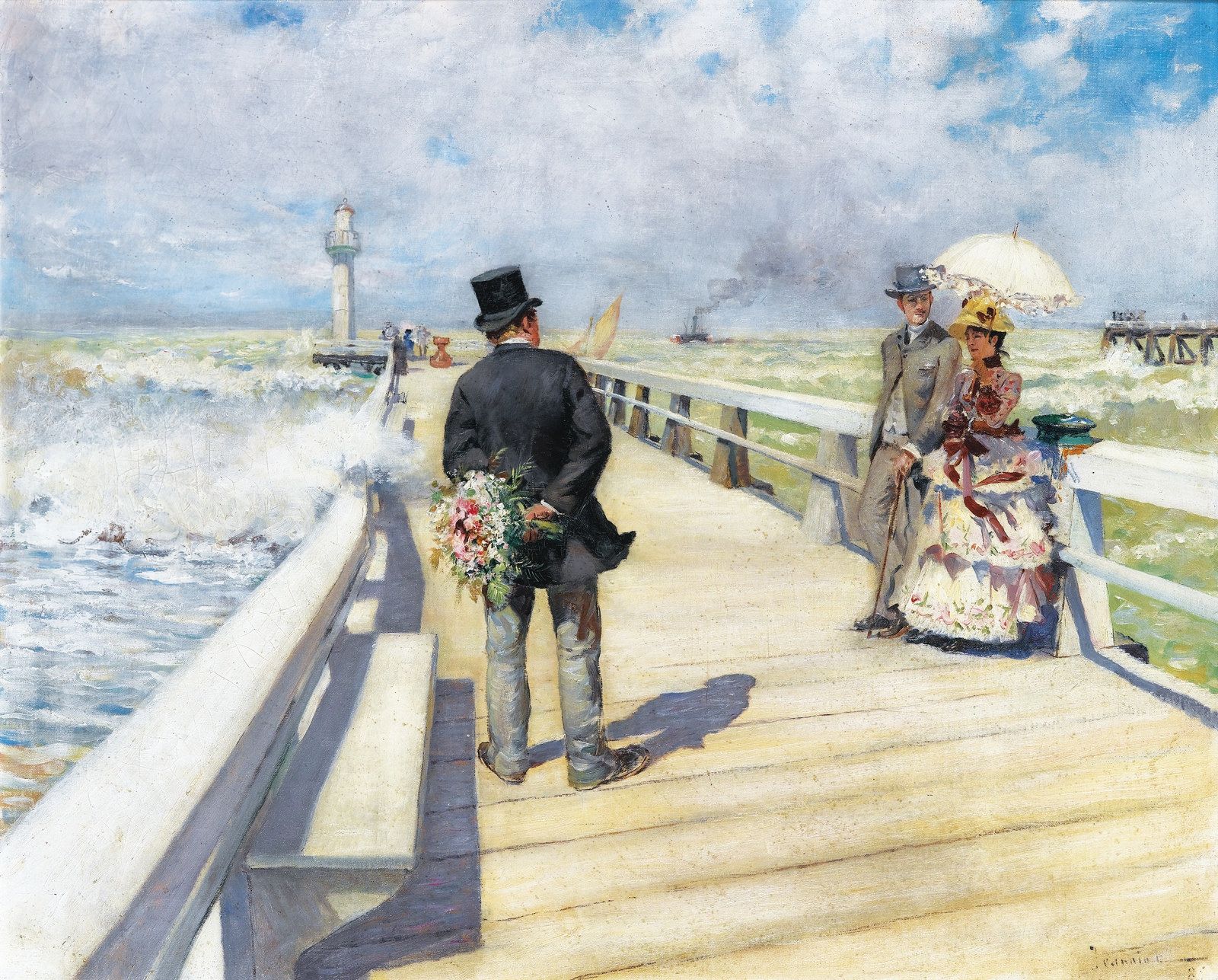
Pierre-Georges Jeanniot (1848-1934) was a Swiss-French Impressionist painter, designer, watercolorist, and engraver who was born in Geneva, Switzerland, and died in France.
His work often depicts the modern life in Paris.
The artistic education of Pierre-Georges Jeanniot began with his father, Pierre-Alexandre Jeanniot (1826–1892), a longtime director of l'École des Beaux-Arts of Dijon, France.
Pierre-Georges Jeanniot started out pursuing a military career, as an infantry officer (1866-1881).

Read More

Georges Jeanniot | Belle Époque painter


Pierre-Georges Jeanniot (1848-1934) was a Swiss-French Impressionist painter, designer, watercolorist, and engraver who was born in Geneva, Switzerland, and died in France.
His work often depicts the modern life in Paris.
The artistic education of Pierre-Georges Jeanniot began with his father, Pierre-Alexandre Jeanniot (1826–1892), a longtime director of l'École des Beaux-Arts of Dijon, France.
Pierre-Georges Jeanniot started out pursuing a military career, as an infantry officer (1866-1881).

Edgar Degas | Repasseuses / Le Stiratrici, 1884-1886

Edgar Degas | Repasseuses / Le Stiratrici, 1884-1886


Degas often made portraits of his family and friends but he was also an attentive observer of the working world in millinery workshops or laundries.
Only Daumier before him had taken an interest in washerwoman, who became one of Degas's favorite subjects between 1869-1895.
At first he painted single figures seen against the light, picked out sharply against the white linen.
Then, about 1884-1886, he dwelled more heavily on the subject, this time depicting two women in a laundry.

Read More

Edgar Degas | Repasseuses / Le Stiratrici, 1884-1886


Degas often made portraits of his family and friends but he was also an attentive observer of the working world in millinery workshops or laundries.
Only Daumier before him had taken an interest in washerwoman, who became one of Degas's favorite subjects between 1869-1895.
At first he painted single figures seen against the light, picked out sharply against the white linen.
Then, about 1884-1886, he dwelled more heavily on the subject, this time depicting two women in a laundry.

Jacques-Émile Blanche | Portrait painter

Jacques-Émile Blanche | Portrait painter

Jacques-Émile Blanche (1861-1942) was a French painter and writer.
His father, a fashionable nerve specialist, owned a clinic where many of Blanche's sitters had been patients.
As a painter he had both talent and charm, and he enjoyed a great vogue in his day.
His work lacks originality and was much influenced by such contemporaries as James Tissot and John Singer Sargent.
The loose brushwork and subdued colouring of his portraits are also reminiscent of Edouard Manet and English 18th-century artists, especially Thomas Gainsborough.


Read More

Jacques-Émile Blanche | Portrait painter

Jacques-Émile Blanche (1861-1942) was a French painter and writer.
His father, a fashionable nerve specialist, owned a clinic where many of Blanche's sitters had been patients.
As a painter he had both talent and charm, and he enjoyed a great vogue in his day.
His work lacks originality and was much influenced by such contemporaries as James Tissot and John Singer Sargent.
The loose brushwork and subdued colouring of his portraits are also reminiscent of Edouard Manet and English 18th-century artists, especially Thomas Gainsborough.