Textual description of firstImageUrl

Alphonse Osbert | Symbolist / Pointillist painter


Alphonse Osbert (23 March 1857 - 11 August 1939) was a French* Symbolist painter.
Educated at the École des Beaux-Arts, his earliest passion was for the great Spanish masters*, particularly Jusepe de Ribera. A shift away from his academic style took place in the late 1880s under the influence of several acquaintances associated with Post-Impressionism* and Symbolism*.

Textual description of firstImageUrl

Alessandro Sicioldr, 1990 | Visionary painter

Alessandro Sicioldr is an Italian painter and illustrator born in Tarquinia, living and working in Perugia. He works mainly with oil paint, pencils and coloured pencils.
His subjects are surreal images coming from unconscious that he represents using a blend of contemporary and traditional techniques.


Textual description of firstImageUrl

Howard Behrens | Palette knife painter


American painter Howard Behrens (August 20, 1933 - April 14, 2014) - the world's most renowned palette knife artist. As a landscape and seascape artist, Behrens has painted the idyllic lakes of Italy to the gardens of New England.
He has had over 150 one-man shows from coast-to-coast since becoming a professional artist in 1980. Behrens was born in Chicago, Illinois in 1933. He grew up near Washington, DC. He began drawing at age seventeen after being confined to bed following a sledding accident.

Textual description of firstImageUrl

Nicola Vietti, 1945 | Figurative painter

Nicola Vietti was born in Marseille to Italian parents emigrated from Apulia in France at the beginning of the century. Numerous solo and group exhibitions. And 'present in catalogs and magazines. He currently lives and works in Milan, after a long period spent in Paris.
The figures of maidens Nicola Vietti, you can look on each side, three-quarter profile, facing away.
The style might defer to their fathers, that should not be forgotten at this point, as the International Botero and Bueno Nicola Vietti that offer a hint of a departure of style attempted with disenchantment.


Textual description of firstImageUrl

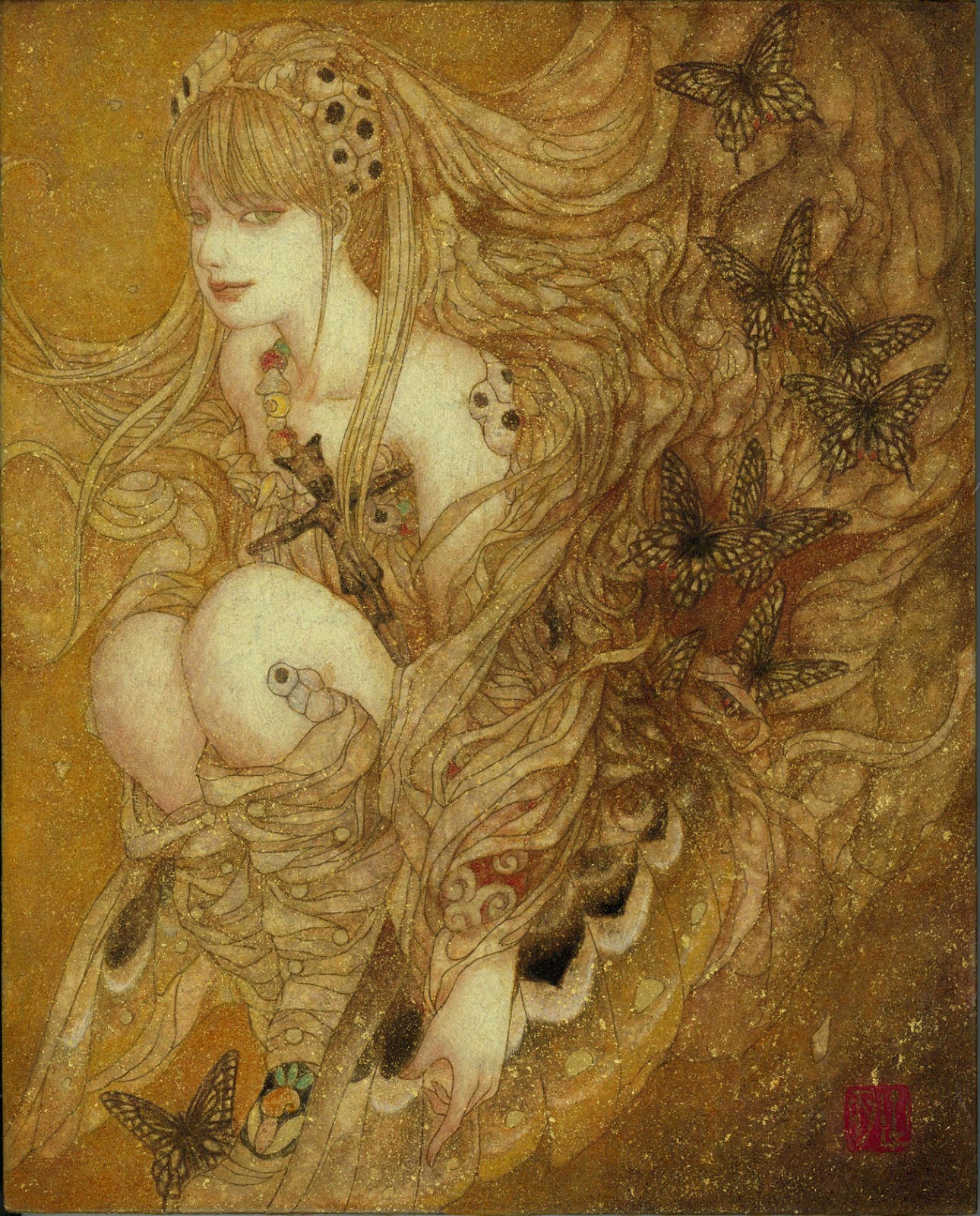
Masaaki Sasamoto 笹本正明, 1966


Japanese artist Masaaki Sasamoto was born in 1966 in Tokyo. He graduated from Tokyo National University of Fine Arts and Music, specializing in Japanese painting.
He has been a permanent participant of solo and group art exhibitions throughout Japan. Masaaki Sasamoto currently lives and works in Yamanashi Prefecture, on the island of Honshu, Japan. The artworks of Masaaki Sasamoto are exhibited at Art Prefectural Gallery of Yamanashi Museum.

Textual description of firstImageUrl

Ludivine Corominas, 1976 | Still life painter

Ludivine Corominas 1976 | France | Still life

French painter Ludivine Corominas is a self-taught artist, acquired her first notion of art by her father. With many elegance, fines and exquisite delicacy, Ludivine declines colors of rainbow by creating tones and nuances which light up the sun of her brushes.
The redcurrants, the luscious grapes, crystalline transparency, fine porcelains are the principal subjects of this artist: The still life.

Textual description of firstImageUrl

Giorgio Conta, 1978 | Figurative sculptor


Giorgio Conta grew up in an artistic environment where, being his father a well known artist, he came into contact with various personalities from the art and culture world, including the great pianist Arturo Benedetti Michel-angeli, close friend of the family, who expressed the wish to be his Godfather. After having earned his high-school diploma he attended a sculpture school devoting himself to painting and drawing as well.

Textual description of firstImageUrl

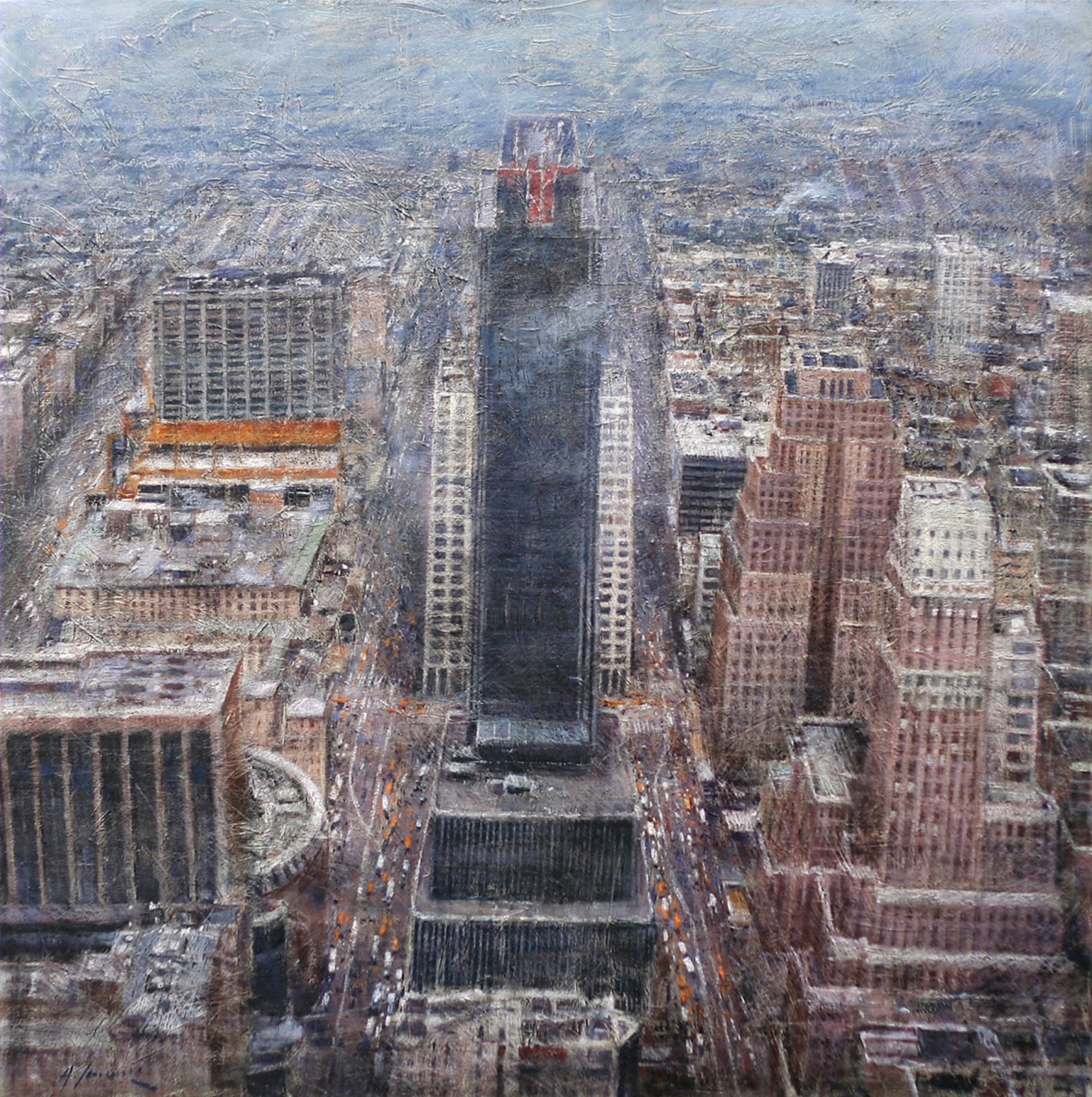
Antonio Sannino, 1959 | Abstract /Cityscape painter


Antonio Sannino was born in Naples in 1959. He lives and works in Naples and Rome.
He is been focusing for years in portraying "landscapes". Sannino has been able to create new representations of the landscape, by searching new framing, re-drawing the space and its contents. He uses his camera to catch the best light in his pictures, that moment when everything seems to be frozen and timeless. His sea surfaces do not only reproduce water but they emphasize the transparency and light.

Textual description of firstImageUrl

Roberto Ferri, 1978 | Drawings / Study


Inspired by Baroque painters -Caravaggio in particular- and other old masters, Roberto Ferri is an Italian painter known for working also in the Baroque Era style.
Ferri was born in Fontanaviva, Taranto, Italy in 1978.

For biographical notes -in english and italian- and other works by Roberto Ferri see:

Textual description of firstImageUrl

Australian Art History and Sitemap

Australian art is a broad spectrum of art created in or about Australia, or by Australians overseas, spanning from prehistoric times to the present day.
The art forms include, but are not limited to, Aboriginal, Colonial, Landscape, Atelier and Contemporary art.
The visual arts in Australia have a rich and extensive history, with Aboriginal art dating back at least 30,000 years.


Textual description of firstImageUrl

Carolyn Biggio, 1958 | Still life painter


Born in Columbus, Ohio in 1958, Carolyn Biggio grew up in Baton Rouge, Louisiana. Her formal schooling earned her a Bachelor of Sciences degree; but she later took up studies in art with Henry Hensche at the Cape School of Art. Other classes with his followers deepened her commitment, and her career path shifted to painting. Ms. Biggio's paintings are pure light and color, primarily of still life. The thick impasto paint is laid on with a palette knife to create intense masses of color; shadows are equally vibrant, creating dimension with brilliant shifts in hue and value, rather than just local color. Ms. Biggio has exhibited her work nationally, receiving numerous awards.

Textual description of firstImageUrl

Edward Hopper: "More of me comes out when I improvise"

"What I wanted to do was to paint sunlight on the side of a house".

"After all, we are not French and never can be, and any attempt to be so is to deny our inheritance and to try to impose upon ourselves a character that can be nothing but a veneer upon the surface".


Textual description of firstImageUrl

Albena Vatcheva, 1967 | Fantasy painter

Albena Vatcheva is an French artist of Bulgarian origin who advances in a spectacular way.
Her painting has inherited various traditions, including that of masters of the icon.
Using different oriental sources, she has created a world of troubling fairy, which is a real fascination for the eye, as her glowing colors create magic.
Tender, loving, her characters live in a world of peace, harmony and mutual consolation.


Textual description of firstImageUrl

Ryo Shiotani / 塩谷 亮, 1975 | Figurative painter

"I paint realist paintings because I can make new discoveries as I thoroughly look at my subject. That is enjoyable".

Award winning Japanese painter Ryo Shiotani 塩谷 亮 was born in Tokyo.
After graduating from Musashino Art University, Ryo Shiotani spent one year studying in Florence on an Agency for Cultural Affairs scholarship, where he had a chance to copy the works of Leonardo da Vinci.


Textual description of firstImageUrl

Leonardo da Vinci | A treatise on painting


Science of painting

Leonardo’s advocacy of a science of painting is best displayed in his notebook writings under the general heading “On Painting”.
The notebooks provide evidence that, among many projects he planned, he intended to write a treatise discussing painting.
After inheriting Leonardo’s vast manuscript legacy in 1519, it is believed that, sometime before 1542, Melzi extracted passages from them and organized them into the Trattato della pittura [In italian] ➤ (“Treatise on Painting”) that is attributed to Leonardo.

Textual description of firstImageUrl

Leonardo da Vinci | Dell'obbligo che ha la scultura col lume, e non la pittura

Trattato della Pittura
Parte prima | Capitolo 38


Se la scultura avrà il lume di sotto parrà cosa mostruosa e strana; questo non accade alla pittura, che tutte le parti porta con sé.


Textual description of firstImageUrl

Leonardo da Vinci | Dell'orizzonte

Trattato della Pittura - Parte ottava | Capitoli 235-258


Indice
927. Qual sia il vero sito dell'orizzonte.
928. Dell'orizzonte.
929. Del vero orizzonte.
930. Dell'orizzonte.
931. Dell'orizzonte.
932. Se l'occhio che vede l'orizzonte marittimo, stando co' piedi alla pelle di esso mare, vede esso orizzonte più basso di sé.
933. Dell'orizzonte specchiato nell'acqua corrente.
934. Dove l'orizzonte si specchia nell'onda.
935. Perché l'aria grossa vicina all'orizzonte si fa rossa.


Textual description of firstImageUrl

Leonardo da Vinci | Degli alberi e delle verdure

Trattato della Pittura - Parte sesta | Capitoli 812-840


Indice
812. Discorso delle qualità de' fiori nelle ramificazioni delle erbe.
813. Della ramificazione delle piante.
814. Della ramificazione delle piante.
815. Della ramificazione delle piante.
816. Delle minori ramificazioni delle piante.
817. Della proporzione che hanno infra loro le ramificazioni delle piante.


Textual description of firstImageUrl

Leonardo da Vinci | Delle ombrosità e chiarezze de' monti

Trattato della Pittura - Parte quinta | Capitoli 780-798


Indice
780. Prospettiva comune.
781. Delle cime de' monti vedute di sopra in giú.
782. Dell'aria che mostra piú chiare le radici de' monti che le loro cime.
783. Perché i monti distanti mostrano piú oscure le sommità che le loro basi.
784. Delle cime de' monti che si scoprono all'occhio l'una piú alta dell'altra, che le proporzioni delle distanze non sono colle proporzioni de' colori.
785. Delle cime de' monti che non diminuiscono ne' colori secondo la distanza delle cime loro.
786. Dell'inganno del pittore nella grandezza degli alberi e degli altri corpi delle campagne.
787. Perché i monti in lunga distanza si dimostrano piú scuri nella cima che nella base.
788. Perché i monti paiono avere piú oscure le cime che le basi in lunga distanza.
789. Come non si deve figurar le montagne cosí azzurre il verno come l'estate.
790. Come i monti ombrati dai nuvoli partecipano del colore azzurro.
791. Dell'aria che infra i monti si dimostra.
792. De' monti e loro divisione in pittura.
793. Pittura che mostra la necessaria figurazione delle alpi, monti e colli.
794. Pittura e come i monti crescono.
795. Pittura nel figurare le qualità e membri de' paesi montuosi.
796. De' monti.
797. De' monti.
798. Precetto.

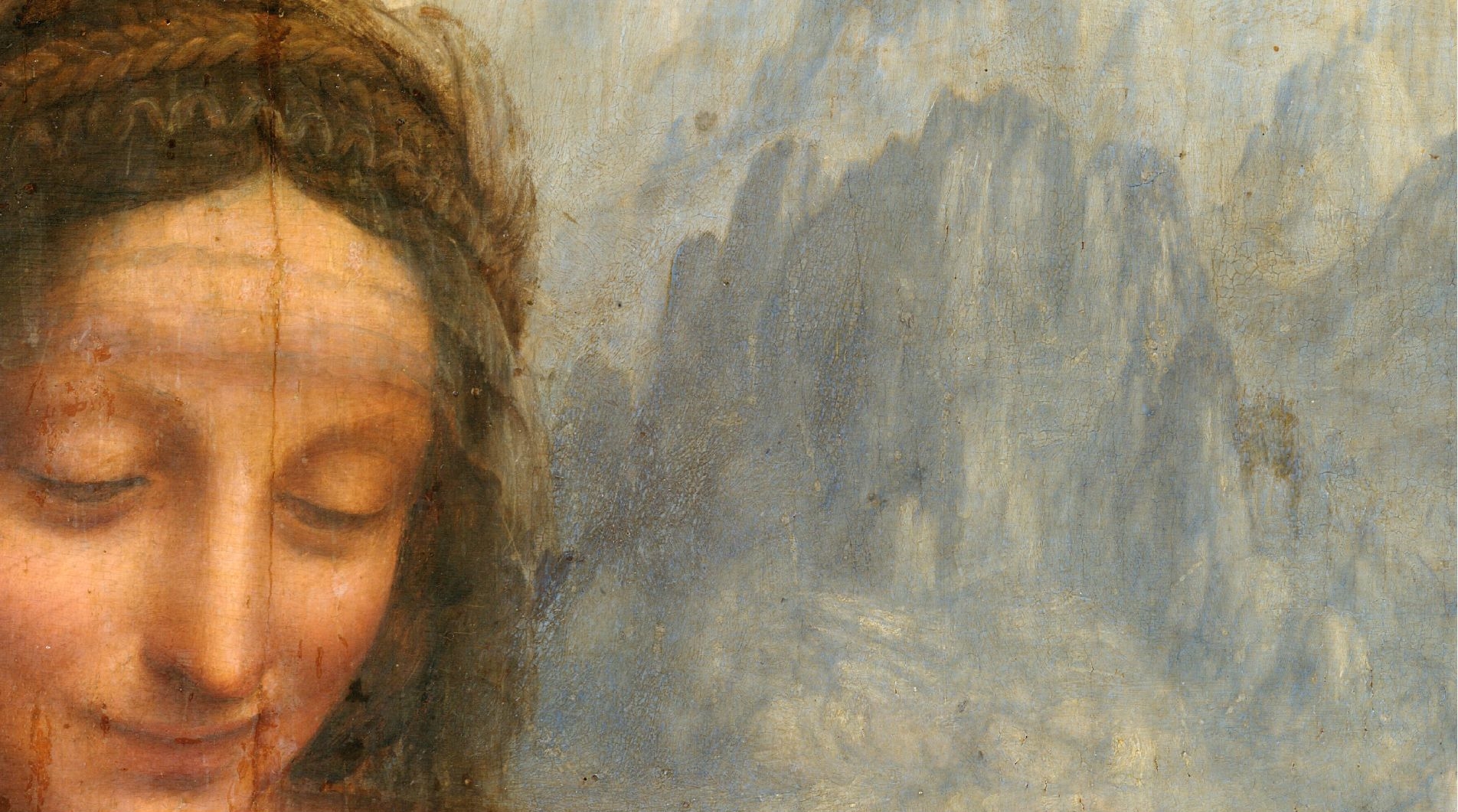
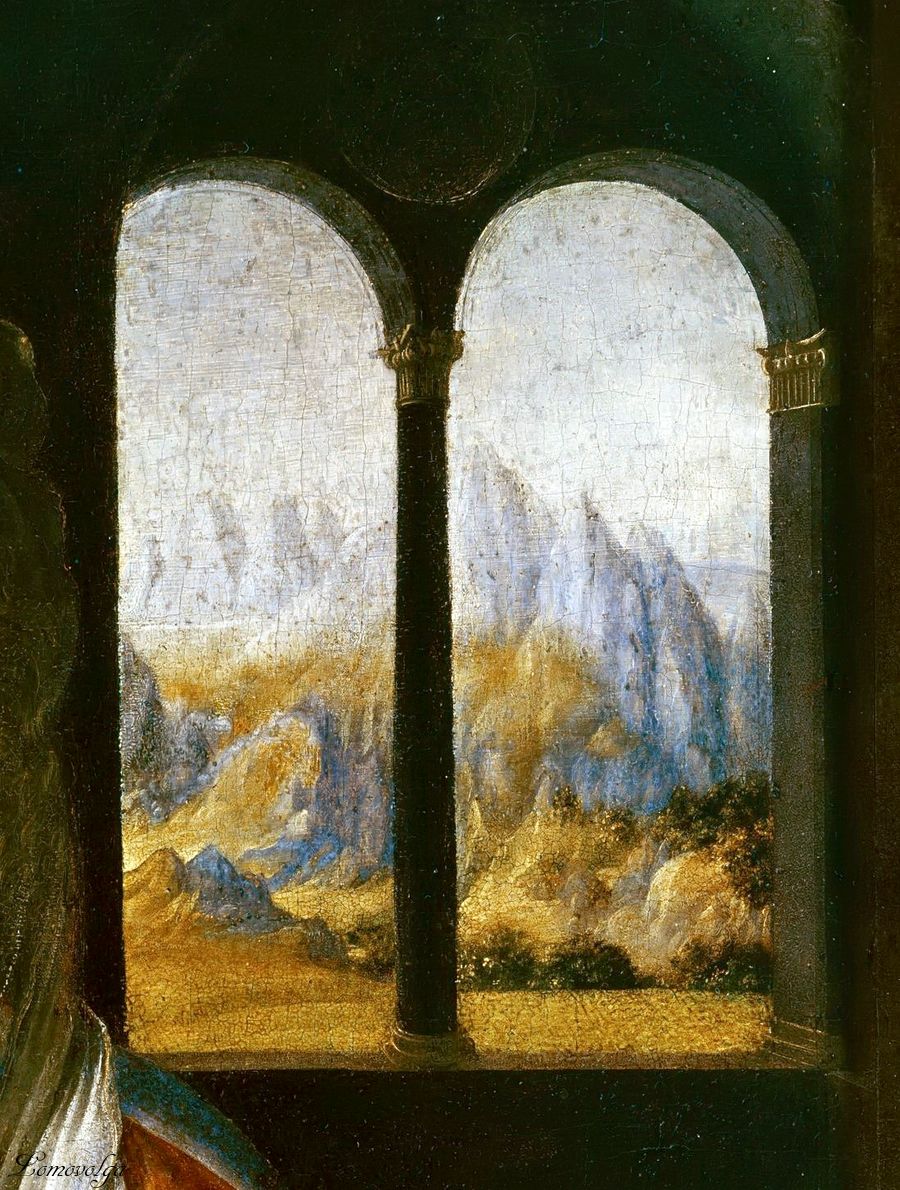
Leonardo da Vinci | Sant'Anna, la Vergine e il Bambino con l'agnellino, 1510-1513 (detail)

Textual description of firstImageUrl

Leonardo da Vinci | De' riflessi

Trattato della Pittura - Parte quinta | Capitoli 769-779


Indice

769. Dell'ombra interposta infra lume incidente e lume riflesso.
770. Dove il riflesso dev'essere piú oscuro.
771. Perché i riflessi poco o niente si vedono ne' lumi universali.
772. Come il riflesso si genera ne' lumi universali.
773. Quali lumi facciano piú nota e spedita la figura de' muscoli.
774. Come i corpi bianchi si devono figurare.
775. Dell'occhio che sta al chiaro e vede il luogo oscuro.
776. Dell'occhio che vede le cose in luogo chiaro.
777. Delle ombre e lumi delle città.
778. Dell'illuminazione delle parti infime de' corpi insieme ristretti, come gli uomini in battaglia.
779. Del lume particolare.


Textual description of firstImageUrl

Leonardo da Vinci | Che differenza è da lustro a lume

Trattato della Pittura
Parte quinta | Capitoli 760-768


Indice
670. Dell'universale illuminazione mista colla particolare del sole o di altri lumi.
671. Dell'ombra media, la quale s'interpone infra la parte illuminata e l'ombrosa de' corpi.
672. Se il gran lume di poca potenza val quanto un piccolo lume di gran potenza.
673. Del mezzo incluso infra i lumi e le ombre principali.


Textual description of firstImageUrl

Leonardo da Vinci | Dell'ombra e lume, e della prospettiva

Trattato della Pittura
Parte quinta | Capitoli 533-560


Indice
533. Che cosa è ombra.
534. Che differenza è da ombra a tenebre.
535. Da che deriva l'ombra.
536. Dell'essere dell'ombra per sé.
537. Che cosa è ombra e lume, e qual è di maggior potenza.
538. Che sia ombra e tenebre.
539. In quante parti si divide l'ombra.
540. Dell'ombra e sua divisione.
541. Di due specie di ombre ed in quante parti si dividono.
542. Qual è più oscura, o l'ombra primitiva o l'ombra derivativa.
543. Che differenza è da ombra a tenebre.
544. Che differenza è da ombra semplice a ombra composta.
545. Che differenza è da lume composto a ombra composta.
546. Come sempre il lume composto e l'ombra composta confinano insieme.
547. Che il termine dell'ombra semplice sarà di minor notizia.
548. Dell'ombra derivativa composta.
549. Come l'ombra primitiva e derivativa sono congiunte.
550. Come l'ombra semplice con l'ombra composta si congiunge.
551. Della semplice e composta ombra primitiva.
552. De' termini dell'ombra composta.
553. Del termine dell'ombra semplice.
554. Che ombra fa il lume eguale all'ombroso nella figura delle sue ombre.
555. Che ombra fa l'ombroso maggiore del luminoso.
556. Quante sono le sorta delle ombre.
557. Quante sono le specie delle ombre.
558. Di quante sorta è l'ombra primitiva.
559. In quanti modi si varia l'ombra primitiva.
560. Che varietà ha l'ombra derivativa.

533. Che cosa è ombra.


L'ombra, nominata per il proprio suo vocabolo, è da esser chiamata alleviazione di lume applicato alla superficie de' corpi, della quale il principio è nel fine della luce, ed il fine è nelle tenebre.

Textual description of firstImageUrl

Leonardo da Vinci | De' panni e modo di vestir le figure..

Trattato della Pittura
Parte quarta | Capitoli 517-532


Indice
517. De' panni che vestono le figure.
518. Delle maniere rotte o salde de' panni che vestono le figure.
519. Del vestire le figure con grazia.
520. De' panni che vestono le figure, e pieghe loro.
521. Del modo di vestire le figure.
522. De' vestimenti.
523. De' panni volanti o stabili.
524. Operazioni de' panni e loro pieghe, che sono di tre nature.
525. Delle nature delle pieghe de' panni.
526. Come si devono dare le pieghe ai panni.
527. Delle poche pieghe de' panni.
528. Delle pieghe de' panni in iscorto.
529. De' modi del vestire le figure, ed abiti diversi.
530. Dell'occhio che vede pieghe de' panni che circondano l'uomo.
531. Delle pieghe de' panni.
532. Delle pieghe.


Textual description of firstImageUrl

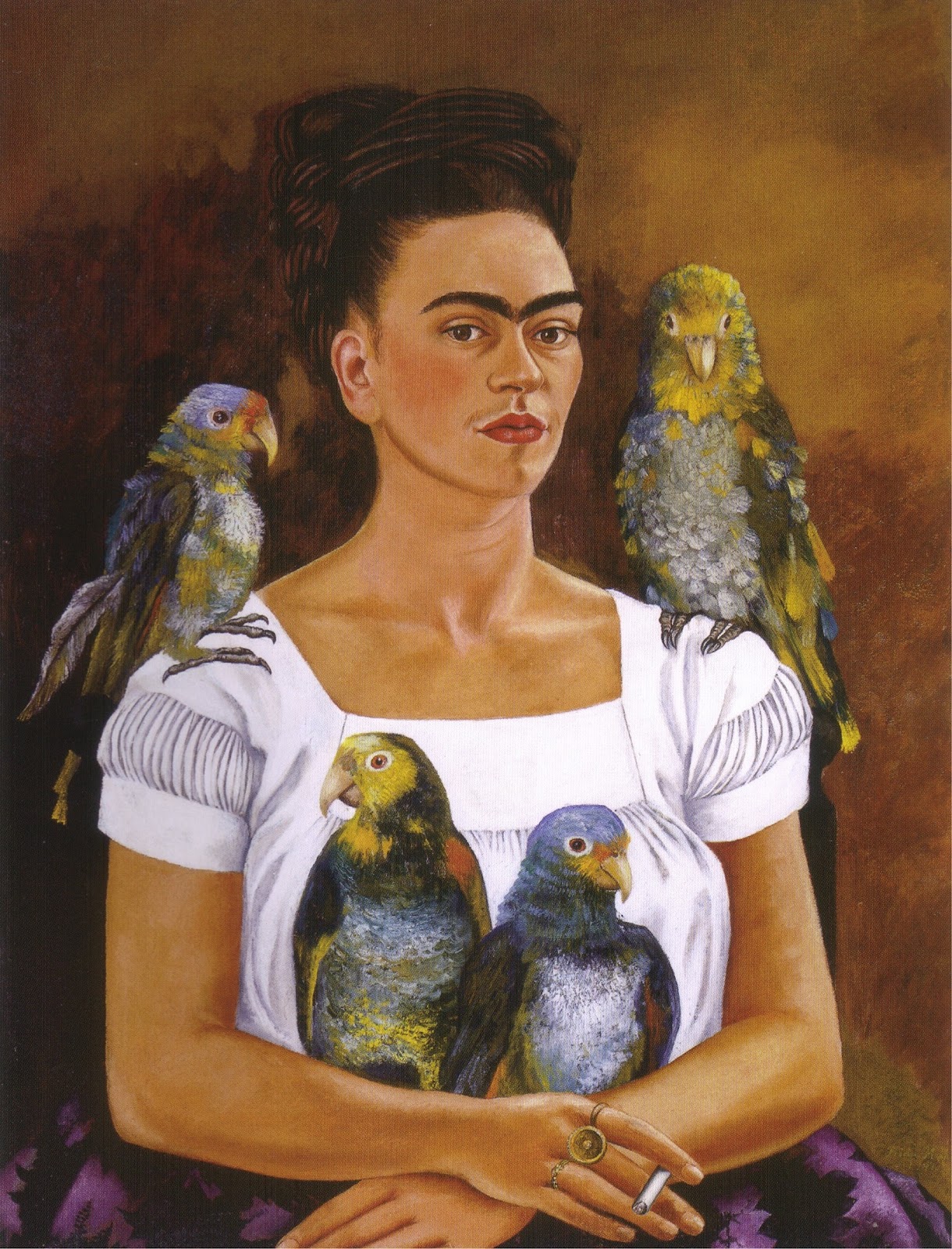
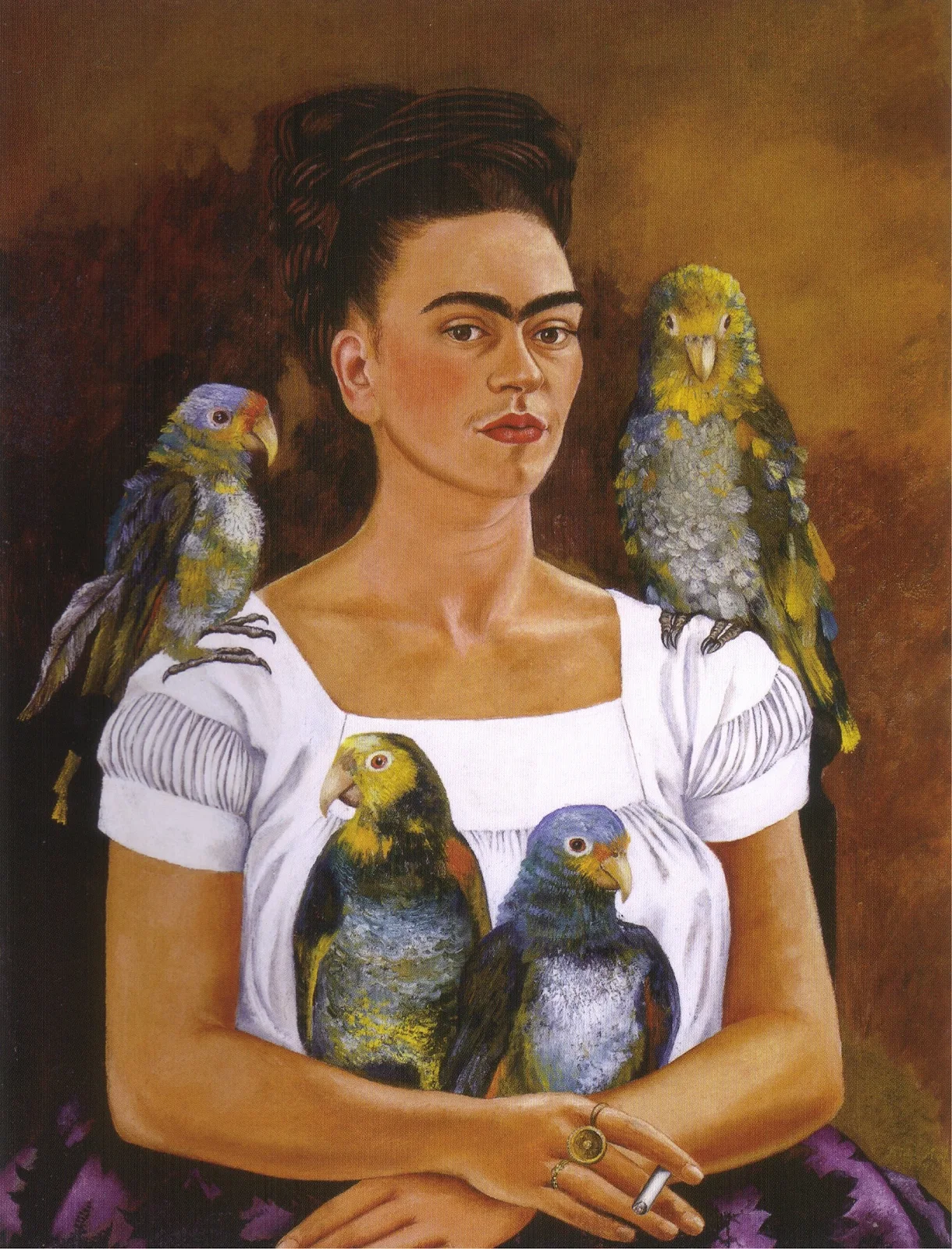
Frida Kahlo: I paint self-portraits because I am so often alone..


"I paint self-portraits because I am so often alone, because I am the person I know best.."
"Dipingo me stessa perché passo molto tempo da sola e sono il soggetto che conosco meglio.."

Textual description of firstImageUrl

Leonardo da Vinci | De' movimenti dell'uomo e proporzione di membra..

Trattato della Pittura
Parte terza | Capitoli 259-286


Indice
259. Delle mutazioni delle misure dell'uomo pel movimento delle membra a diversi aspetti.
260. Delle mutazioni delle misure dell'uomo dal nascimento al suo ultimo crescimento.
261. Come i puttini hanno le giunture contrarie agli uomini nelle loro grossezze.
262. Delle differenti misure che v'hanno fra i putti e gli uomini.
263. Delle giunture delle dita.
264. Delle giunture delle spalle, e loro accrescimenti e diminuzioni.
265. Delle spalle.
266. Delle misure universali de' corpi.
267. Delle misure del corpo umano e piegamenti di membra.
268. Della proporzionalità delle membra.
269. Della giuntura della mano col braccio.


Textual description of firstImageUrl

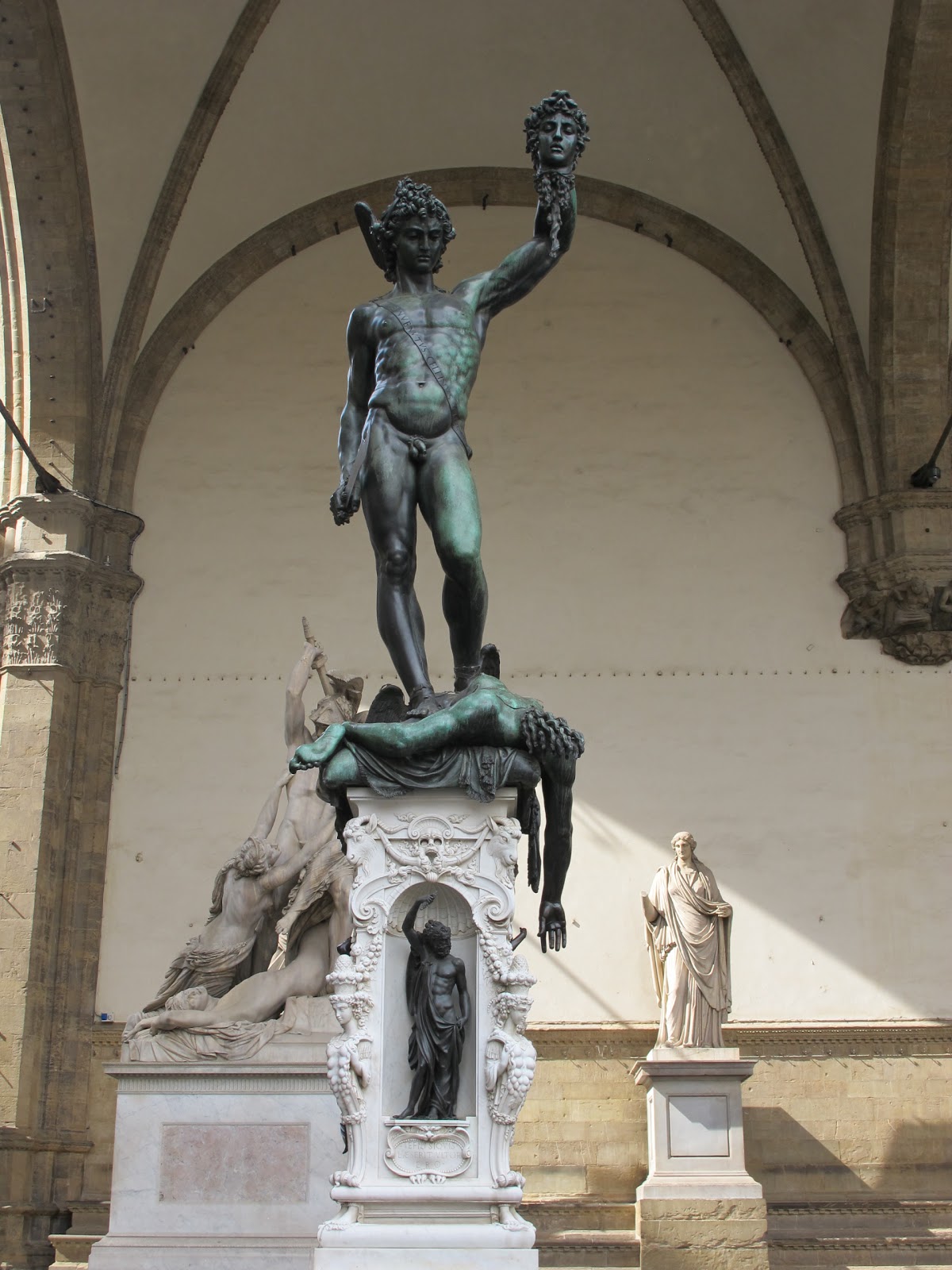
Loggia dei Lanzi, 1380 | Open-air museum in Florence

In the Piazza della Signoria, adjoining the Uffizi Palace, there is a masterpiece of Medieval architecture: the Loggia della Signoria, built in about 1380, to host public ceremonies and assemblies, during the republican period.
It is called Loggia dei Lanzi, because it is said that landsknechts (lanzichenecchi or lanzi in Italian) encamped here in 1527, while they were going to Rome.

According to another version, landsknechts - who were German mercenary soldiers - formed the guard of the Duke Alessandro de’ Medici and they stayed in the loggia to occupy an important and symbolic place for the republic, that was dead.

The Loggia is also called "dell'Orcagna", because it was once thought that Andrea di Cione, called the Orcagna, built it: actually his brother Benci with Simone Talenti made it. Maybe Orcagna worked on the project of the building.

Built during the 14th century, the loggia is a Gothic style building, but its three big rounded arches paved the way to the great Renaissance architecture: it seems that Brunelleschi took inspiration for his Spedale degli Innocenti from it. During the 16th century, the Loggia lose its original function and became an open air museum.

It hosts some ancient Roman sculptures and some masterpieces from the 16th century:

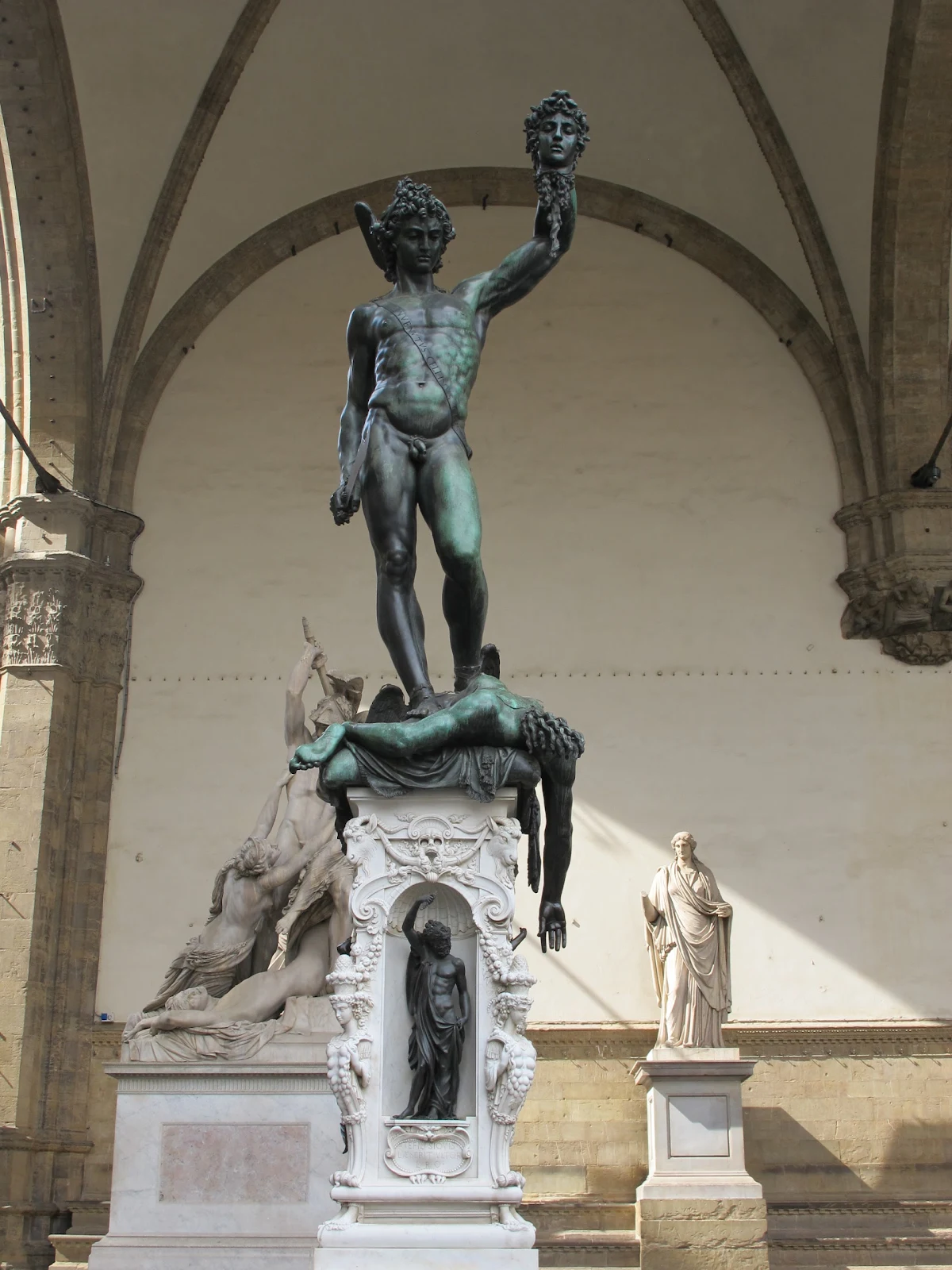
The Perseus with the Head of Medusa | Benvenuto Cellini - On the far left there is Perseus, a magnificent bronze statue by Benvenuto Cellini, commissioned by Cosimo I de’ Medici and placed here in 1554.


Textual description of firstImageUrl

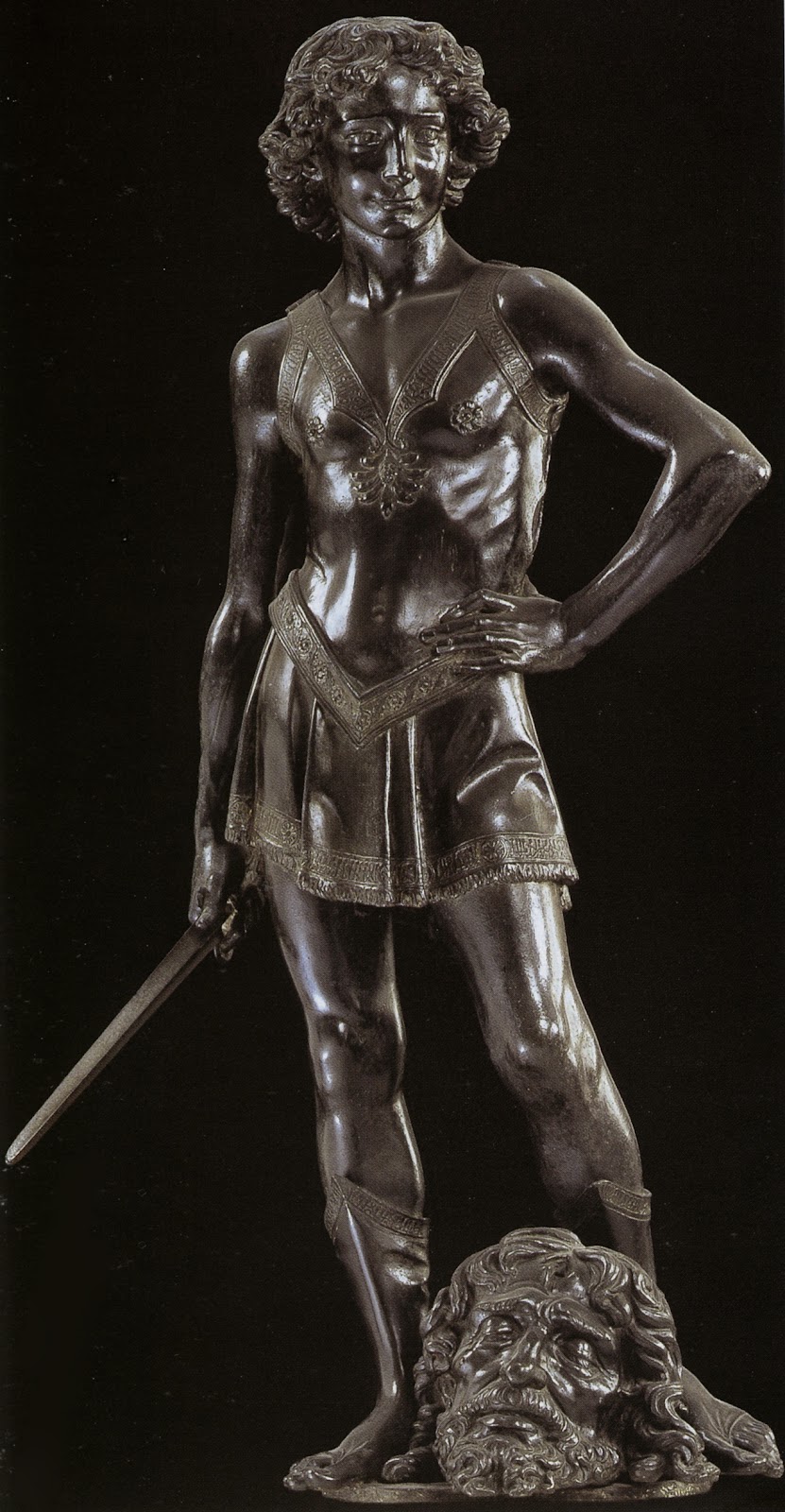
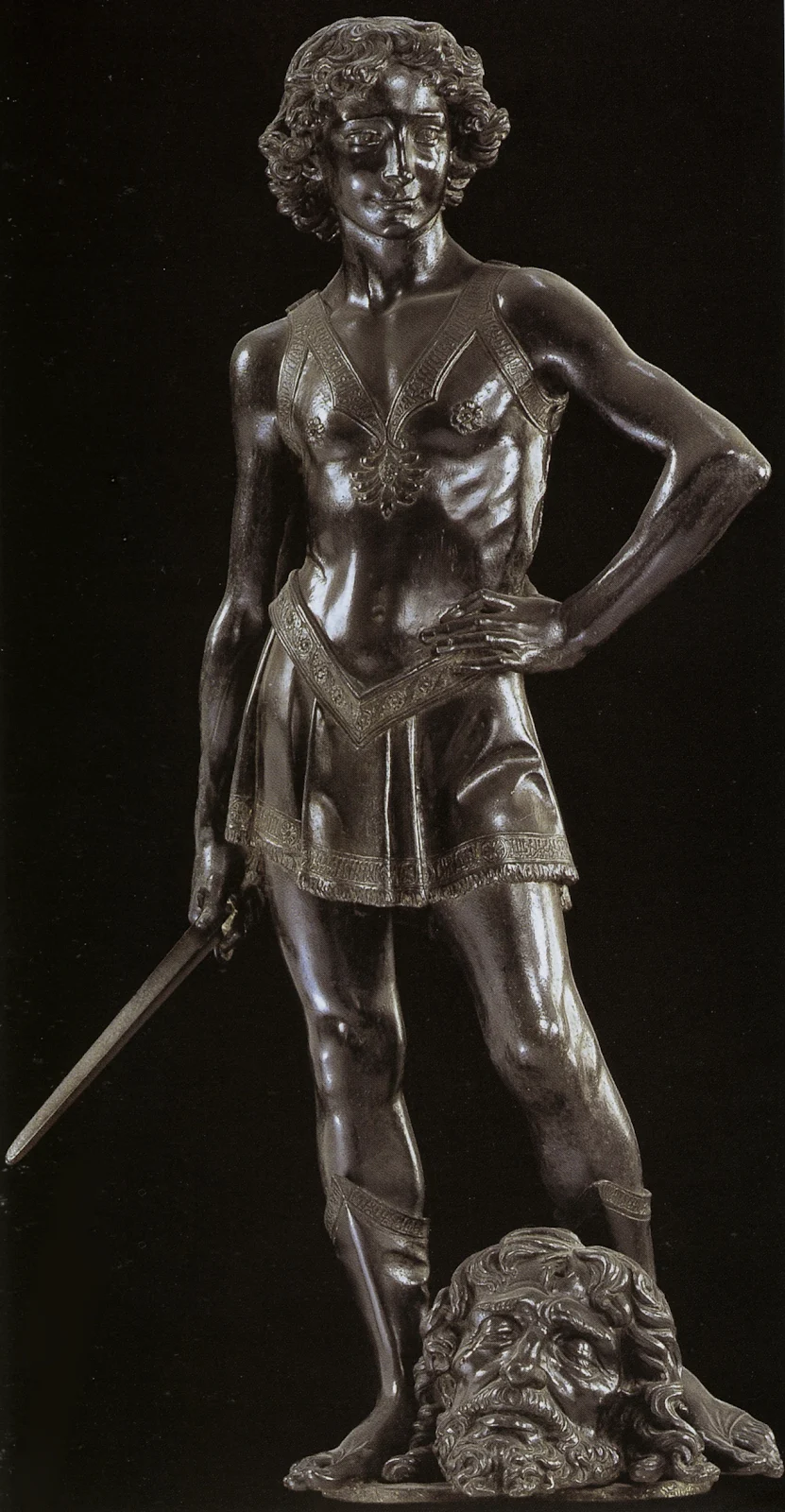
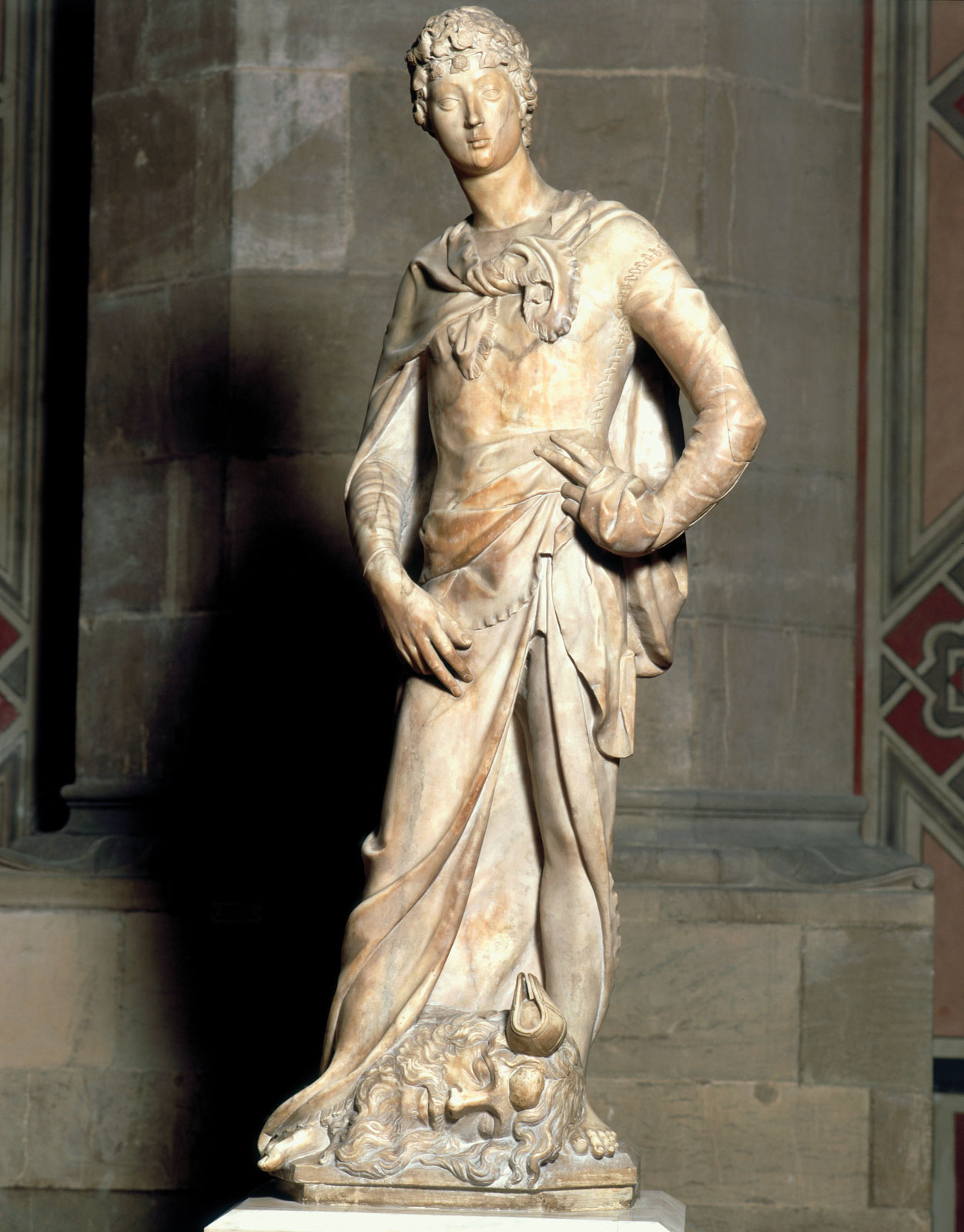
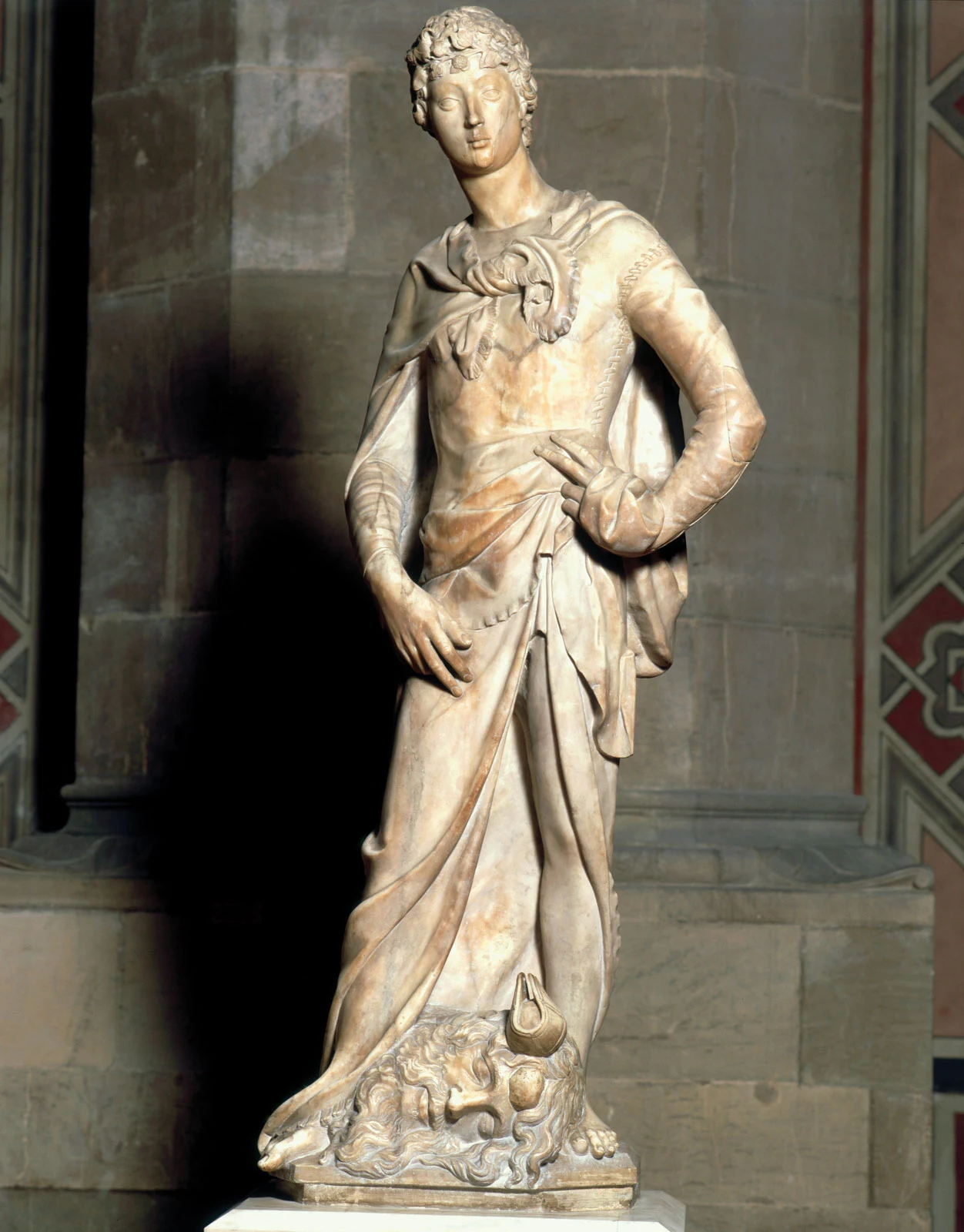
Donatello | The marble David, 1409


Donatello*, in his early twenties, was commissioned to carve a statue of David in 1408, to top one of the buttresses of Florence Cathedral, though it was never to be placed there. Nanni di Banco was commissioned to carve a marble statue of Isaiah, at the same scale, in the same year.
Textual description of firstImageUrl

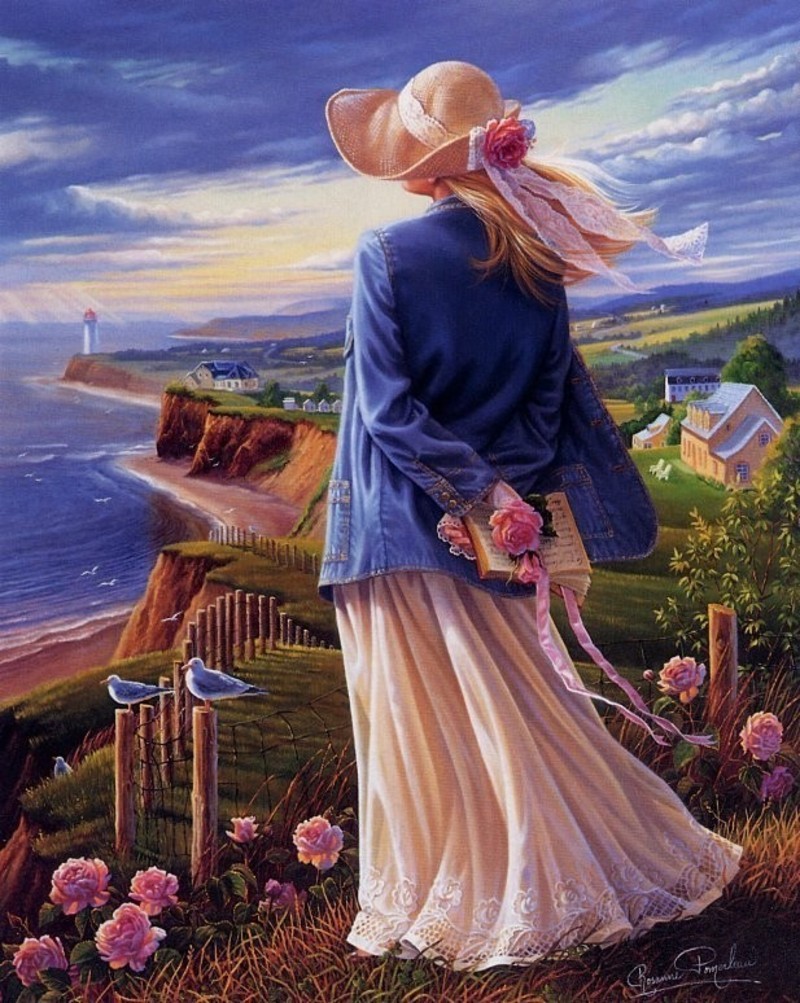
Rosanne Pomerleau, 1958 | Figurative painter


Born in Ascot Corner.
Training: Self-taught painter.
Achievements: Solo and group exhibitions in Canada and the United States.
Honours: Prize of Excellence in 1986, silver medal in watercolour and Prize for Excellence in pastel at the Amsterdam Art International Exhibition in California, U.S.A.
The Selected works of art were exhibited in San Francisco in October 1998.
Member of the American Society of Portrait Artists since 1998.
Collections: Her work is part of public and private collections all over the world.

Textual description of firstImageUrl

Tarcsay Bela, 1952 | Abstract painter


Béla Tarcsay was born in Nagykanizsa, Hungary. He lives in Szeged since 2000.
He is dealing with fine arts since 1994.
He intends to show in his paintings his love of nature.
He got his knowledge in fine arts in a self-educated manner. Beside oil paintings he makes attempts at graphics and pastel technique.

Textual description of firstImageUrl

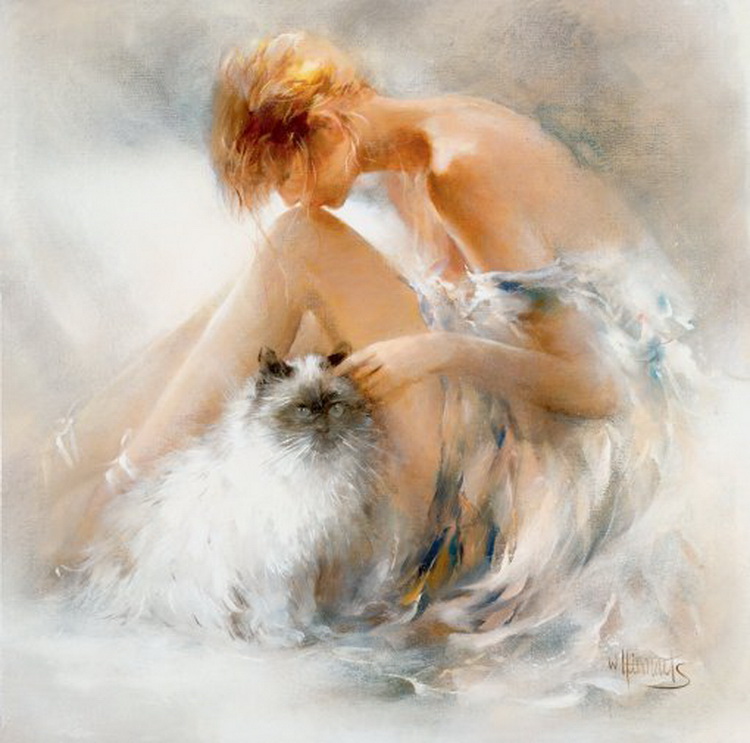
Willem Haenraets / William Shakespeare | Romantic Rhythm

Il mio occhio s'è fatto pittore ed ha tracciato
L'immagine tua bella sul quadro del mio cuore;
il mio corpo è cornice in cui è racchiusa,
Prospettica, eccellente arte pittorica,
Ché attraverso il pittore devi vederne l'arte
Per trovar dove sia la tua autentica immagine dipinta,

Willem Haenraets 1940 - Hollandaise Impressionist painter

Textual description of firstImageUrl

Tenaya Sims | Figurative painter


Tenaya Sims received a BFA in painting and drawing at Carnegie Mellon University in Pittsburgh, Pennsylvania.
After working several years as a graphic artist in the video games industry for Activision, he began his classical studies at the Jeff Watts🎨 Atelier in Encinitas, CA.
He then moved to Seattle where he has completed four years of full-time study in the Gage Classical Atelier.

Textual description of firstImageUrl

Rosso Fiorentino | Mannerist painter


Italian painter and decorator, Rosso Fiorentino (1494-1540), original name Giovanni Battista di Jacopo, was an exponent of the expressive style that is often called early, or Florentine Mannerism, and one of the founders of the Fontainebleau school.

Textual description of firstImageUrl

Pontormo | Portrait of Maria Salviati, 1543-1544

Portrait of Maria Salviati is an oil on panel painting attributed to Pontormo, executed c. 1543-1544, in the Uffizi, Florence.
It was acquired by the Uffizi early in the 20th century as a work by Domenico Beccafumi.
Soon afterwards Lányi identified it as a portrait of Cosimo I's mother Maria Salviati by Pontormo mentioned in Lives of the Artists by Giorgio Vasari.

Jacopo Pontormo | Portrait of Maria Salviati de' Medici, 1543-1544 | Uffizi, Florence

Textual description of firstImageUrl

Vitaly Tikhov | Social realist painter

Тихов Виталий Гаврилович (1876-1939) was an Ukrainian painter, one of the best and most talented students in Vladimir Makovsky's studio.
In the early 1910s his magnificent, large-format "bath-house" paintings were especially successful and much admired, and for these he was twice awarded the graduation Gold Medal of the Academy of Fine Arts, having studied there on two separate occasions.


Textual description of firstImageUrl

Cesare Augusto Detti | Belle Époque painter

A painter from Spoleto who moved to Paris during the Belle Epoque, Cesare Augusto Detti (1847-1914) was an Italian artist, best known for his historical genre paintings in the nineteenth century.
Some of his works are included in the collections of the Uffizi and Galleria Borghese of Rome.
His father, Davide Detti, was an engineer and an amateur painter. As a result, his early interest in art was encouraged.
In 1861, he made the acquaintance of Francesco Coghetti, a painter from Rome who was creating murals at the Teatro Nuovo (now known as the Teatro Nuovo Gian Carlo Menotti).


Textual description of firstImageUrl

Janet Hill | Fashion painter

Janet Hill | Canadian painter | Vintage glamour


Janet Hill, Canadian painter, discovered her passion for painting as a teenager. Janet’s work is both elegant, yet whimsical, often with an underlying narrative that instantly captures the imagination. Her painting style evokes a sense of nostalgia, timeless beauty, mystery, humour and comfort.

Textual description of firstImageUrl

Tomek Sętowski, 1961 | Magical Realism painter


Once upon a time, a long time ago in the Kraków-Częstochowa Jurassic Highland Chain (Polish: Jura Krakowsko-Częstochowska) Tomek Sętowski was born.
Extraordinary sensitivity that characterized him as a little boy could be seen as soon as he was only three years old when his first painting was created.
A young dreamer had been developing his painting techniques for years, taking giant steps from local galleries to the top-rank exhibitions salons, and, at the Faculty of Fine Arts at the Częstochowa Pedagogical University he gained knowledge of the history of art.

Textual description of firstImageUrl

David FeBland, 1949 | Cityscape painter

David FeBland is an internationally recognized British artist known for contemporary figurative oil paintings and expressionist urban landscapes.
He has presented 52 solo exhibitions and participated in numerous group exhibitions and art fairs in the US, Europe and Asia.


Textual description of firstImageUrl

James R. Eads, 1989 | The New-Age Van Gogh


James R. Eads was born in Los Angeles, he went to college at Skidmore in upstate New York and then lived in Brooklyn for a few years before relocating to Los Angeles.
He lives and works at the Brewery Arts in Los Angeles.
His studio is open to the public during the bi-annual artwalks.
Despite his modern method, it’s easy to see traces of past painters and movements in his pieces.
Van Gogh is an obvious inspiration, though there are nuances of numerous other impressionist artists’ styles in each and every piece.

Textual description of firstImageUrl

Tyson Snow, 1977 | Figurative Sculptor /painter

Award winning artist Tyson Snow has always had a passion for fine art and a desire for an outlet where he could create work that was powerful, personal and beautiful.
Tyson has worked tirelessly to improve that idea and has since found the pathway to success.
Tyson has focused on fine art for more than 10 years.


Textual description of firstImageUrl

Igor Goncharov / Игорь Гончаров, 1959 | Figurative painter


Russian artist Игорь Гончаров graduated from Sverdlovsk Institute of Architecture in 1984. Since 1991, he has successfully held his solo exhibitions in Moscow, Vienna, Amsterdam, New York and other cities around the world.
He currently lives and works in Siberian environmental settlement "Dwelling of Dawn" Krasnoyarsk Krai (foothills of Sayan).
Textual description of firstImageUrl

Elen Zelin /Элен Зелин | Abstract Figurative painter


Ukrainian-born painter Elen Zelin /Элен Зелин was born in Odessa, one of the main cultural centers of the coasts of the Black Sea and the former Soviet Union.
From an early age she studied the basic principles of Visual Art at Odessa Art School. In 1978 she graduated from Odessa Pedagogical University, majoring in Fine Art and Graphics.
Since 1989 worked in Greece. Her works are found in many galleries and private collections.
She is an active member of the Fine Arts Chamber of Greece. Since 2011 lives and creates her unique Art in New York.