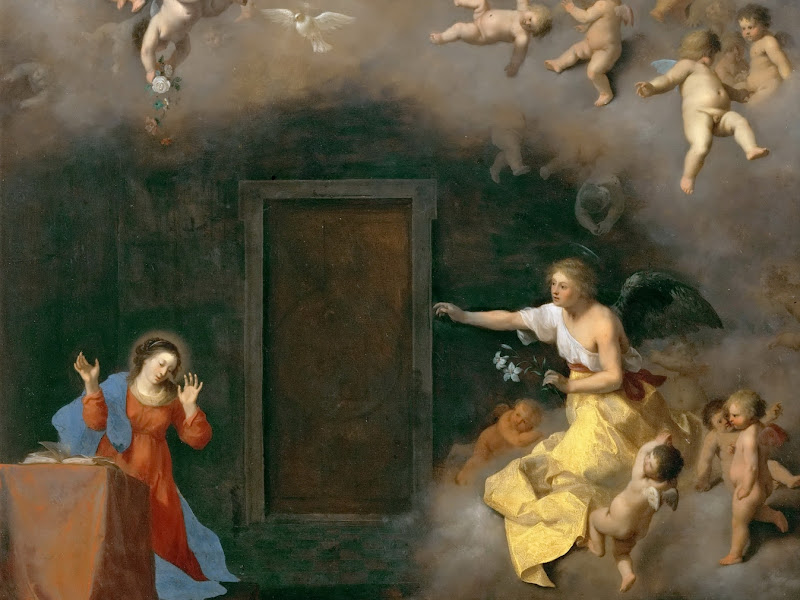
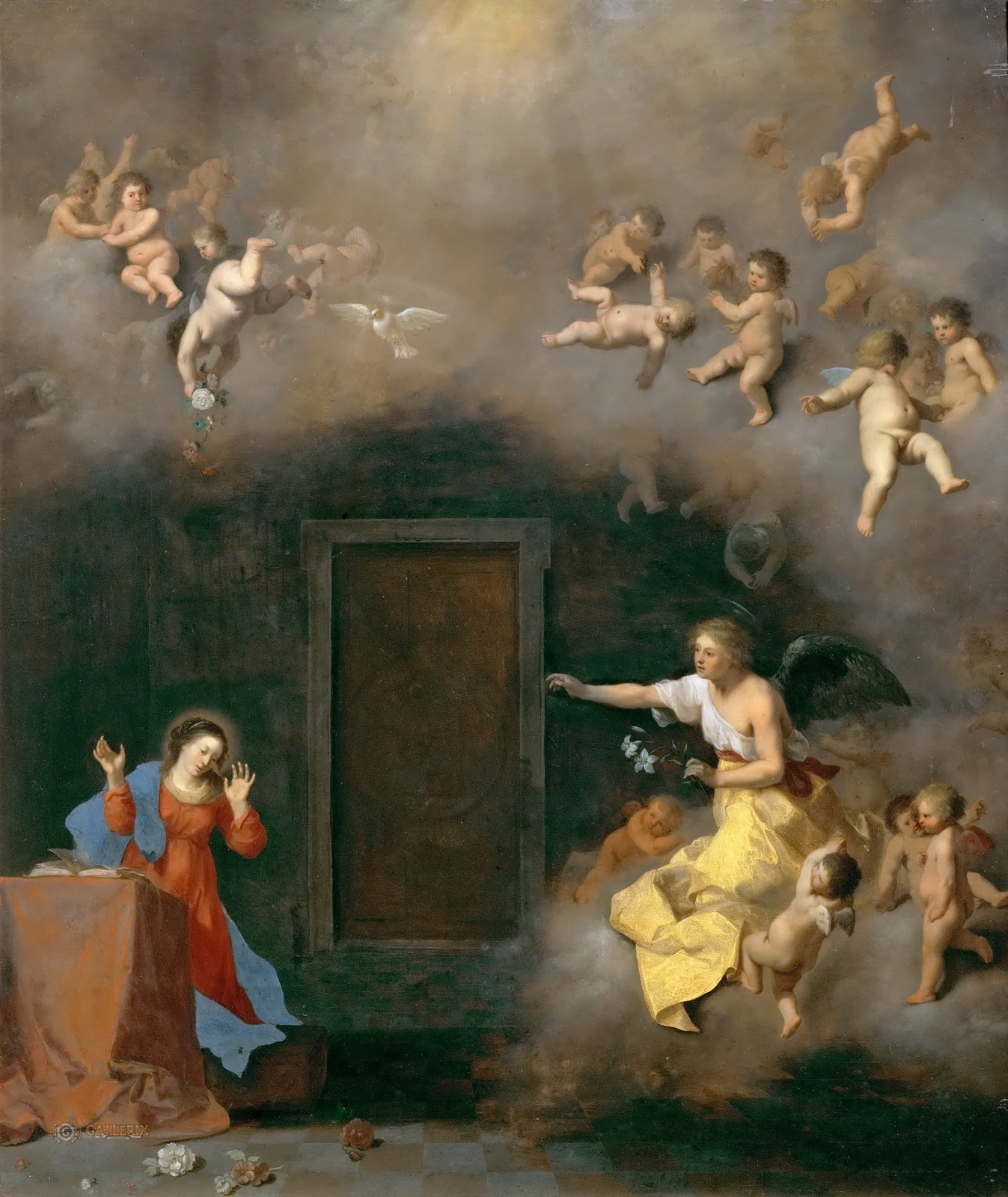
A Dutch painter, well know for his landscape work, Cornelis van Poelenburgh (1586-1667) is mentioned as an artist who aspired towards styles of the masters, though this was praise, and not a belittling of his work. It is said that he strived to capture human figures as Raphael (1483-1520) the Italian master did and to paint landscapes as the Baroque master, Claude Lorrain did (1600-1688). These unique aspirations were also enhanced by an influence from the German born, Italian styled, innovator of landscapes, Adam Elsheimer (1578-1610).
Home » Tutti i post
Cornelis Van Poelenburgh | Dutch Golden Age Landscape painter
Hoàng Nam | Professional photographer
Photographs of a young Vietnamese photographer who’s artistic nickname is Hoangnamphoto are rather pleasurable.
He adores nature, landscapes and his Vietnam.
Thanks to his photos, we get to know this far away country, and the way that people live in it, but also we get to enjoy in the perfectly captured artistic side of it.
Paolo Fiammingo | Mannerist painter
Pauwels Franck known in Italy as Paolo Fiammingo and Paolo dei Franceschi (c. 1540 - 1596), was a Flemish painter, mainly of landscapes with mythological and religious scenes, who was active in Venice for most of his life.
He was likely born c. 1540 but his birthplace is not known. He became a member of the Antwerp Guild of Saint Luke in 1561. He is recorded in Venice from 1573 but was likely an assistant in Tintoretto’s workshop there already in the 1560s. He worked in Venice for the rest of his career. He opened a successful studio in Venice, which received commissions from all over Europe.
Gennaro Greco | Imaginary Architecture /Landscape painter
Gennaro Greco (1663-1714) also known as "Il Mascacotta", was an Italian painter of Figures, portraits, landscapes, landscapes with figures, architectural views, murals and veduta. Greco was a specialist in imaginary views (vedute ideate) showing architectural ruins.
Greco was born and worked in Naples.
He is described by Dalbono as a painter of views of mutilated ruins.
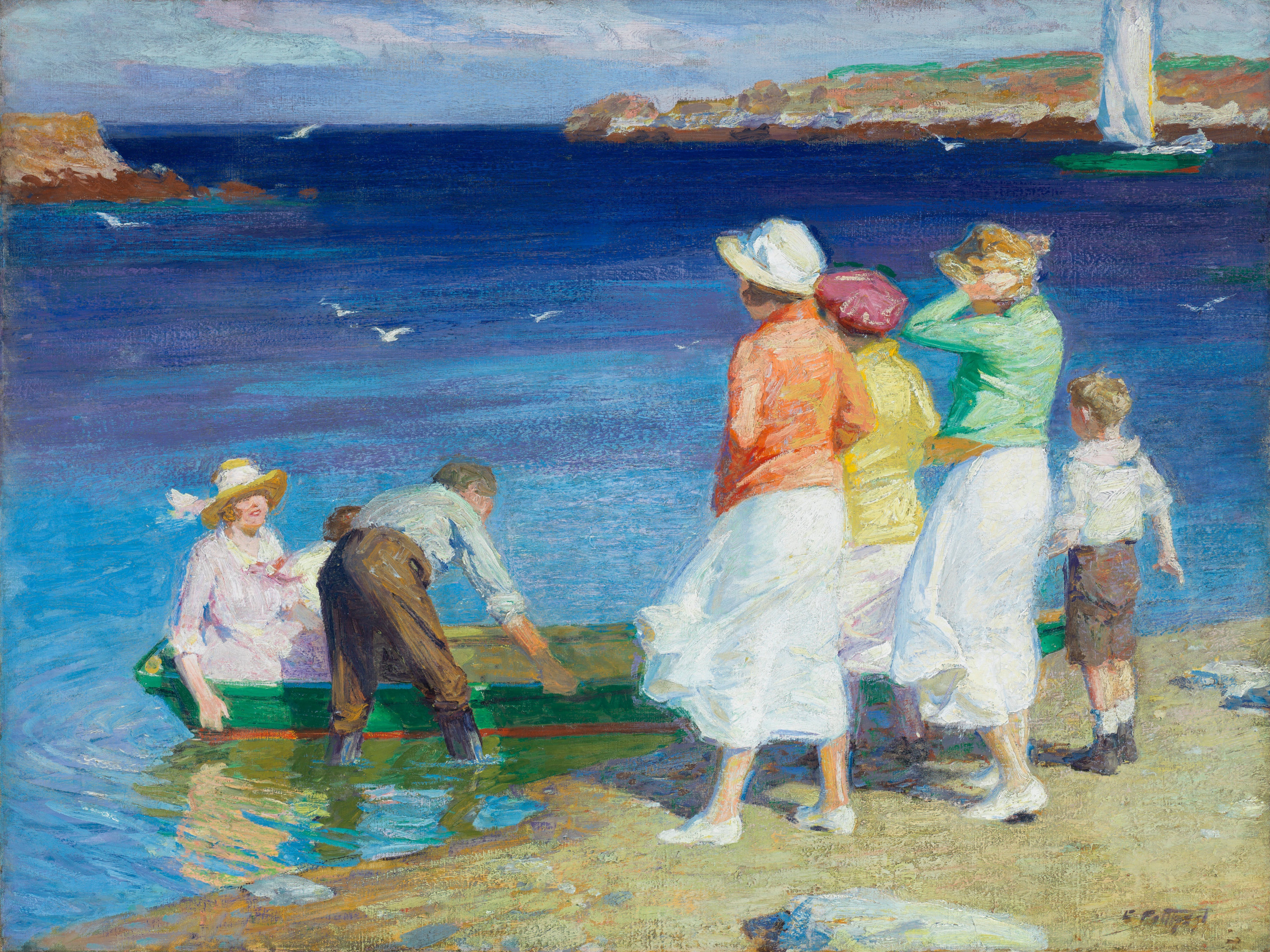
Edward Henry Potthast | Impressionist painter
Edward Henry Potthast (1857-1927) was an American Impressionist painter. He is known for his paintings of people at leisure in Central Park, and on the beaches of New York and New England.
Edward Henry Potthast was born on June 10, 1857 in Cincinnati, Ohio to Henry Ignatz Potthast and Bernadine Scheiffers.
Starting in 1870 he studied art at the McMicken School in Cincinnati and in 1873 he started working at the Strobridge Lithography Company.
From June 10, 1879 to March 9, 1881, Potthast studied under Thomas Satterwhite Noble, a retired Confederate Army captain who had studied with Thomas Couture in Paris.
Dirck van Delen | Architecture Fantasy painter
Dirck van Delen or Dirck Christiaensz van Delen (c.1605, Heusden - May 16, 1671, Arnemuiden) was a Dutch Golden Age painter who specialized in architectural painting.
According to the early artist biographer Arnold Houbraken, van Delen was born in Heusden. It is not clear with whom he apprenticed and both Frans Hals and Hendrick Aerts (who also specialized in architectural paintings) have been proposed as his masters. More plausible are studies under Pieter van Bronckhorst and/or Bartholomeus van Bassen in Delft.
Franz Christoph Janneck | Baroque painter
Franz Christoph Janneck (3 October 1703, Graz - 13 January 1761, Vienna) was an Austrian painter in the Baroque style.
He specialized in genre scenes, often with mythological themes, as well as some portraits, landscapes and religious works.
Eleanor Fortescue-Brickdale | Pre-Raphaelite painter
Eleanor Fortescue Brickdale (1871-1945) was a well respected illustrator and painter of her day. In 1896, she created a lunette titled Spring, which was used in the Royal Academy Dining Room. In 1902, she had the honor of becoming the first female member of the Institute of Painters in Oils. She illustrated many books such as Poems by Tennyson, 1905, W.M. Canton, Story of St. Elizabeth of Hungary, 1912, and Calthorp, A Diary of an 18th Century Garden, 1926, to name a few. In 1919, Eleanor Fortescue Brickdale's Golden Book of Famous Women was published by Hodder and Stoughton, which was a compilation of stories about some of the most famous women in history and legend as written by some of the most famous authors in history such as William Shakespeare, Lord Tennyson, Charles Dickens, Edgar Allan Poe and John Keats among others.
Although this book contains no introduction to explain whose inspiration it was to put the book together or who chose the content, it seems clear from the title that Brickdale must have been the mastermind behind it.
Kuzma Petrov-Vodkin | Symbolist painter
Kuzma Sergeyevich Petrov-Vodkin / Кузьма Сергеевич Петров-Водкин (born October 24 [November 5, New Style], 1878, Khvalynsk, Saratov oblast, Russian Empire - died February 15, 1939, Leningrad, Russia, U.S.S.R. [now St. Petersburg, Russia]), Russian painter who combined many traditions of world art in his work and created an original language in painting that was both deeply individual and national in spirit.
Petrov-Vodkin’s birthplace was a small town on the banks of the Volga River, where he was born into the family of an impoverished cobbler.
He spent his youth there, living in harsh conditions reminiscent of those described by Maksim Gorky in My Universities.
But his talent overcame his provincial surroundings, and his determination to be an artist led him first to art classes in Samara (1893-95) and then to the Moscow School of Painting, Sculpture, and Architecture (1897-1904), where he studied with painter Valentin Serov.
Genaro Pérez Villaamil | Romantic Historical-scenes painter
Born in Ferrol on 3 February 1807, Genaro Pérez Villamil (1807-1854) was still a boy when he enrolled at the Military Academy in Santiago de Compostela, but after moving to Madrid with his family he abandoned the military for literary studies. In 1819 he was wounded when fighting against the absolutist troops of King Ferdinand VII and taken to Cadiz as a prisoner of war and it was there that he began to develop his artistic skills. During those years he may have made a trip to England with his brother Juan, also a painter, and in 1830 the two of them travelled to Puerto Rico, where they decorated the Tapia theatre in San Juan.
John Singer Sargent | Art in detail
"A portrait is a picture of a person with something wrong with the mouth" - John Singer Sargent
John Singer Sargent (January 12, 1856 - April 14, 1925) was an American artist, considered the "leading portrait painter of his generation" for his evocations of Edwardian era luxury.
During his career, he created roughly 900 oil paintings and more than 2,000 watercolors, as well as countless sketches and charcoal drawings.
His oeuvre documents worldwide travel, from Venice to the Tyrol, Corfu, the Middle East, Montana, Maine and Florida.
John William Godward (1861-1922)
John William Godward è stato un pittore Inglese, operante nella fase finale del periodo Pre Raffaellita / Neo-classico.
Godward era un pittore molto vicino a sir Lawrence Alma-Tadema (era considerato il suo pupillo).
Godette di vasta popolarità, ma il suo stile pittorico risultò superato e perse i favori del pubblico e della critica con l'avvento delle avanguardie.
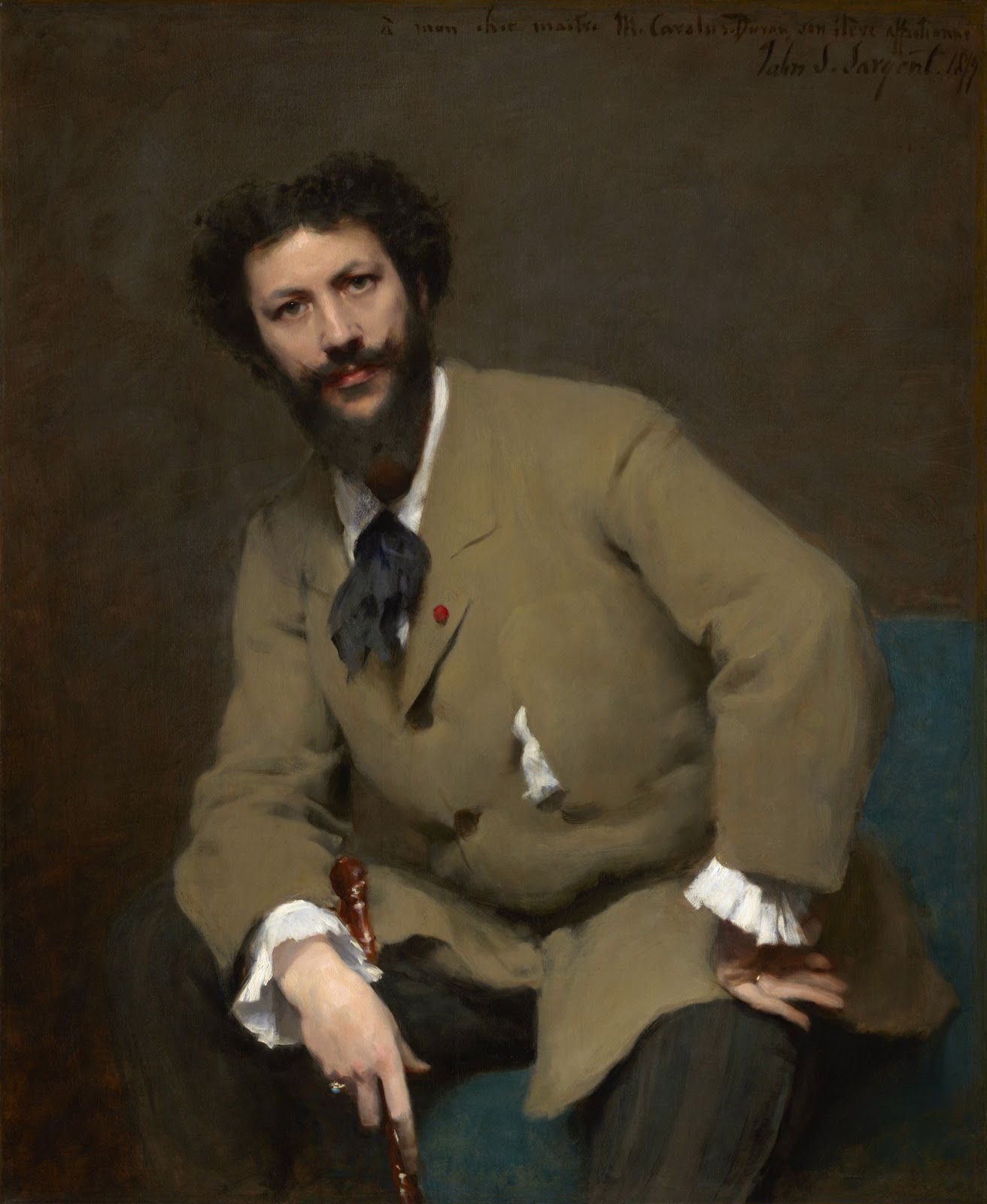
John Singer Sargent | Portrait of Carolus-Duran, 1879
Charles-Émile-Auguste Durand (1837-1917), known as Carolus-Duran, was a celebrated figure in the world of Parisian art and theater. Known for his elegant society portraits, he was also highly influential as a teacher.
Sargent entered Duran’s studio in 1874 and became his star pupil. Duran’s approach was radical: he encouraged his students to draw and paint simultaneously, using a loaded brush. In this stylish portrait, which received an award when it was shown at the Paris Salon in 1879, Sargent pays homage to his teacher by embracing his fluid technique. The affectionate dedication to Duran, inscribed in French at the upper right, announces Sargent’s artistic pedigree but also caused some contemporary viewers to remark that the student had surpassed the master. | © The Metropolitan Museum of Art
Ellen de Groot, 1959 | Realistic Figurative /Portrait painter
Ellen de Groot, born 1959 in Groningen (Netherlands) lives in Amsterdam. She loves walking and hiking, she walked in 2003 a part of the Way of St-James from the French/Spanish border to Santiago de Compostella. This was such unique experience that in May and June of this year (2005), she walked another part of the same route, from Le Puy en Velay to the Spanish border.
Eugenio Lucas Velázquez | Romantic painter
Eugenio Lucas Velázquez (1817-1870) is, without a doubt, one of the greatest masters of 19th-century Spanish painting and is deservedly hailed as the Spanish Romantic artist who best understood the art of Goya. He became the most important and enthusiastic follower of Goya’s universe following the death of the Aragonese genius, whose essence he succeeded in assimilating to the point that it is sometimes difficult to attribute correctly works that have not been studied in great depth.
Until a few decades ago, the figure of Eugenio Lucas was steeped in ignorance and legend, and for many years this led to serious confusion about his life, his artistic personality and even his name.
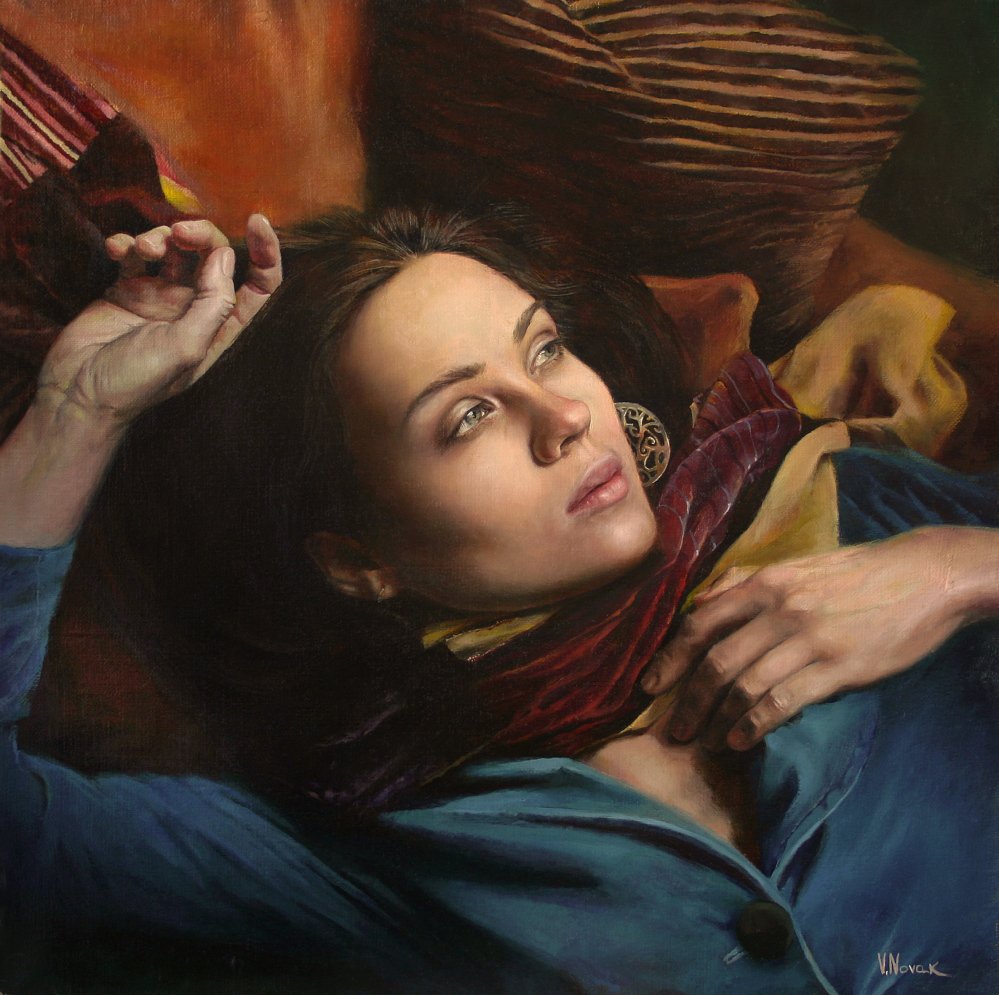
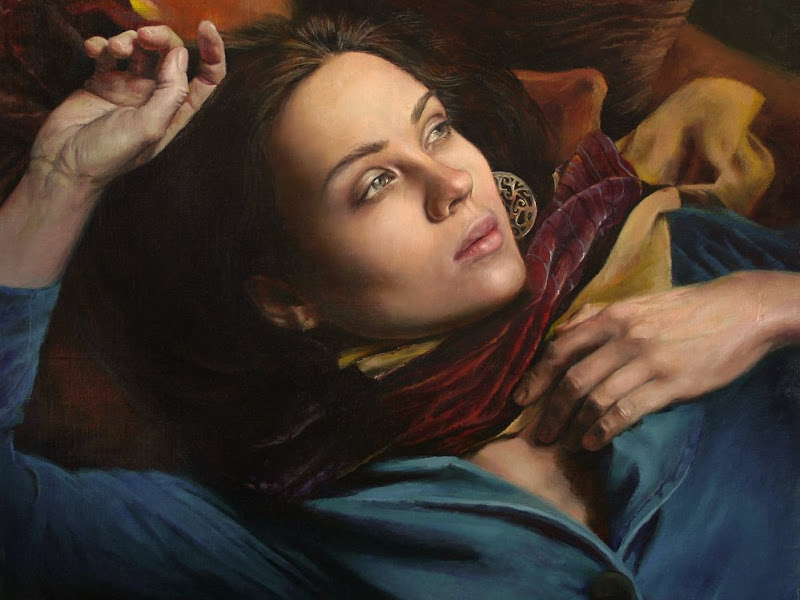
Victoria Novak | Figurative /Still life ainter
Realist painter Victoria Novak began her artistic career as an interior designer in her native Russia. For many years she enjoyed a successful career in her home city.
A move to Italy, where her love of Italian Renaissance art was fostered, inspired Victoria to devote herself to painting. She began to experiment with Old Master painting techniques, but applying them within a more contemporary context.
Of adopting the time honored techniques, Victoria says "At first it was more out of curiosity, but in the end I discovered a method that helps me to realize my ideas in the most satisfied way".
Nancy Depew, 1955 | Realist painter
Known for her highly realized figurative paintings and drawings which combine traditional painting techniques with more contemporary approaches, Nancy Depew has been awarded painting fellowships from the Ludwig Vogelstein Foundation in 1986 and from the New Jersey State Council on the Arts in 1987 and again in 2004.
Nancy Depew has been devoted to representational painting and drawing since early childhood, but began her formal education in painting at Lycoming College in Williamsport, PA and received a Bachelor of Arts degree in 1977.
Her desire to pursue the figurative work she had begun, led her to graduate studies at the University of Albany, The State University of New York and in 1985, she received a Master of Fine Arts in Painting.
Zorina Baldescu, 1954 | Fantasy painter /Illustrator
Born in Bucharest, Zorina Baldescu has been working as a children’s books illustrator for a number of years now.
She specializes in creating delightful fairy tale images featuring mermaids, princesses, fairies, unicorns and more.
Zorina’s images have been licensed for jigsaw puzzles and stationery products worldwide. Her images are perfect for any young girls range.
Daniel González Poblete, 1944 | Figurative Realist painter
Daniel Gonzalez Poblete was born in Corral de Calatrava, Ciudad Real.
Fifteen years later, in 1959, he enters fully into the world of the painting as a copyist in the Museo del Prado in Madrid, where is forged as a painter of artists as relevant as Vázquez Díaz.
He studied at the school of Arts and crafts, where he obtained the extraordinary drawing prize. Logical is that you so that from the first moment Poblete has been as a teacher of drawing and also as an absolute Dominator of the color. Within the figuration is one of the artists, without doubt, most important in the present time.
Vania Comoretti, 1975 | Hyperrealist Portrait painter
Vania Comoretti was born in Udine (Italy) in 1975.
She works and lives in Udine and Venice.
After achieving a five-year schooling certificate in Applied Arts, she attended several courses in advertising graphics and in 2004 graduated in Restoration, Painting section, at the Venice School of Fine Arts (Italy).
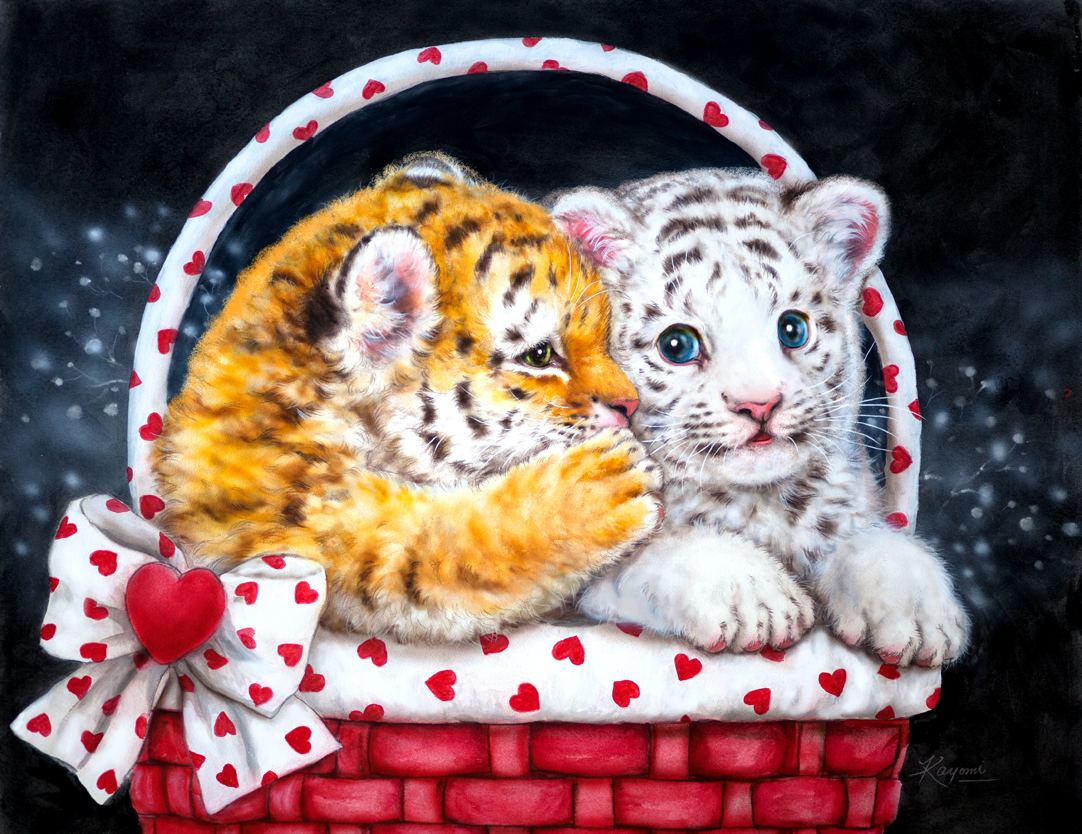
Kayomi Harai | Fantasy painter
Award-winning watercolor artist Kayomi Harai has captivated collectors for years with her darling images of wide-eyed cats in precarious predicaments.
Born in Osaka, Japan, Kayomi is a self-taught artist with a unique vision. Kayomi Harai was born in Osaka, Japan and began drawing at an early age. Since early childhood, she has had a deep interest in animals, especially the big wild cats and domestic cats. As painting gave her great joy, she decided to pursue her career as an artist. Kayomi Harai worked as a commercial art illustrator and a free-lance animal portrait artist in Japan before she moved to California in 1991.
Daniel Coves, 1985 | Abstract Figurative painter
Daniel Gonzalez Coves is a Spanish artist, born in 1985. Last year he had a piece included in the BP Portrait award show in London. His compositions are simple and elegant and his use of a single light source, often dim and directly overhead add an atmosphere of melancholy to what are otherwise very formal images. His brushwork as well is economical, realistic without being needlessly fussy, showily bravura, or painstakingly meticulous. Everything here is direct, realistic and formal. They are traditional but with a modern, almost minimalist aesthetic. He earned a fine arts degree and a masters in artístic production from the Real Academia de Bellas Artes de San Carlos, Valencia. Spain.
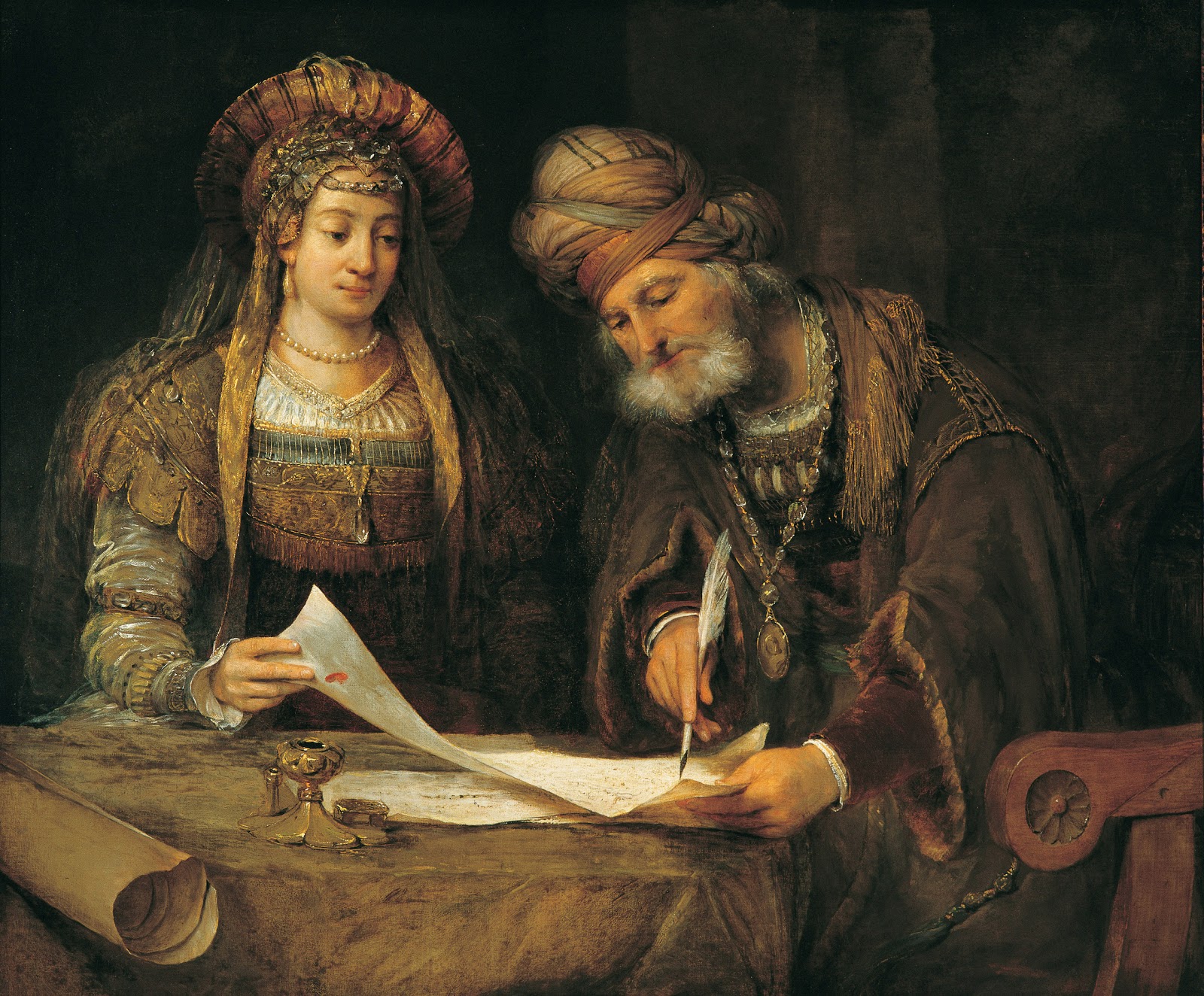
Aert de Gelder | Rembrandt’s pupil
Aert de Gelder, Aert also spelled Arent (1645-1727-), the only Dutch artist of the late 17th and early 18th century to paint in the tradition of Rembrandt’s late style.
De Gelder spent his life in Dordrecht, except for a period of time about 1661 when he was Rembrandt’s pupil in Amsterdam.
His biblical paintings-e.g., Scenes from the Passion (c. 1715)-feature warm colour and atmospheric light.
In his portraits-e.g., The Family of Herman Boerhave (c. 1722)-his bold, broad manner of brushwork and surface texture contrasts markedly with the refined techniques and smoothly finished canvases of his contemporaries. | © Encyclopædia Britannica, Inc.
Francisco de Goya | La maja, 1820-1823
An unidentified lady wearing delicate transparent clothing and a yellow jacket with black decorations lies on a green velvet divan with cushions and a spread.
There has been a great variety of opinions as to who the sitter is, but her anonymity is maintained in all of the inventories listing this work.
Legend would have it that she was the Duchess of Alba, although she has also been identified as Pepita Tudó, Godoy´s mistress from 1797 on.
Felix Mas, 1935 | Figurative painter
Born in Barcelona, he trained at both the Artes y Oficios and the Escuela Superior de San Jorge, then furthered his artistic education with extensive travels throughout Europe and the United States, eventually returning to his native Barcelona to work. For Mas, painting implies color, emotion and impression.
His works, he says, are “infinite”. His elegantly dressed female figures, whether gazing into the distance or drifting into a daydream, captivate us with their graceful radiance and evocatively strong emotions.
Mas finds inspiration in women amidst the opulent settings of the Asian world, especially Japan and India with their beautiful costumes and landscape, Egypt, ripe with its enigmatic symbols, and ancient Greece and Rome, saturated with their unique elegance and sensuality.
ManoMatic, 1982 | Street Art
Adrián Pérez Vázquez best known as ManoMatic is a Spanish graffiti artist based in Huelva, Spain. Man-O-Matic born in Palos de la Frontera, a cozy Andalusian town on the southwestern coast of Spain.
He started painting at the age of 16, but chose a career in the field of communications due to family pressure – more often than not, the parents prefer their children to have a serious day job.
It begins in the world of graffiti in 2000 developed a style of drawing free illustrated characters of his invention. This artist has changed the perception of people with his hyperrealistic drawings.
At school, he learnt the art of image, sound and graphic design, then worked as a technician for a local TV station. The studies and work couldn’t keep him there, he decided to go back to where his heart belongs.
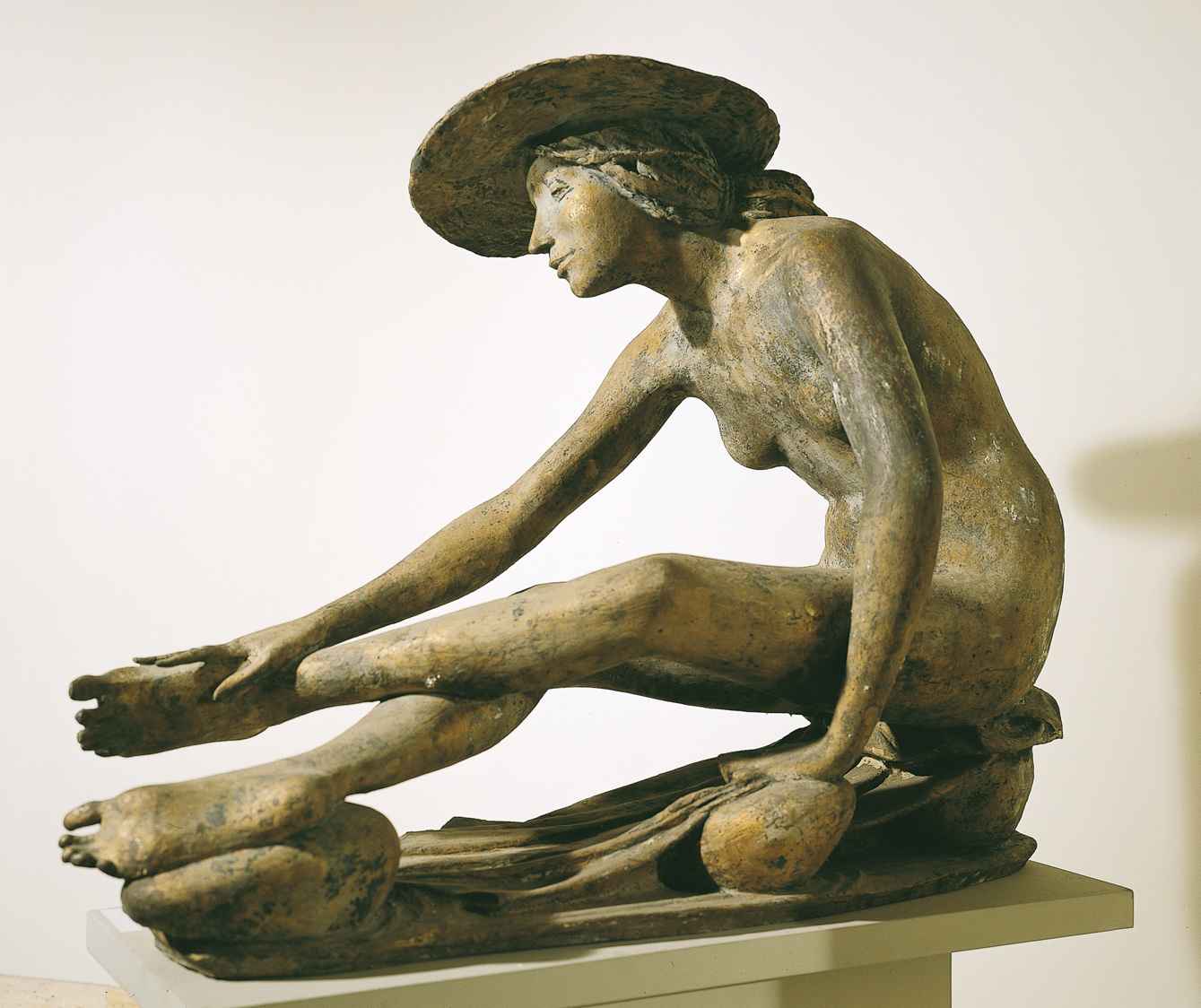
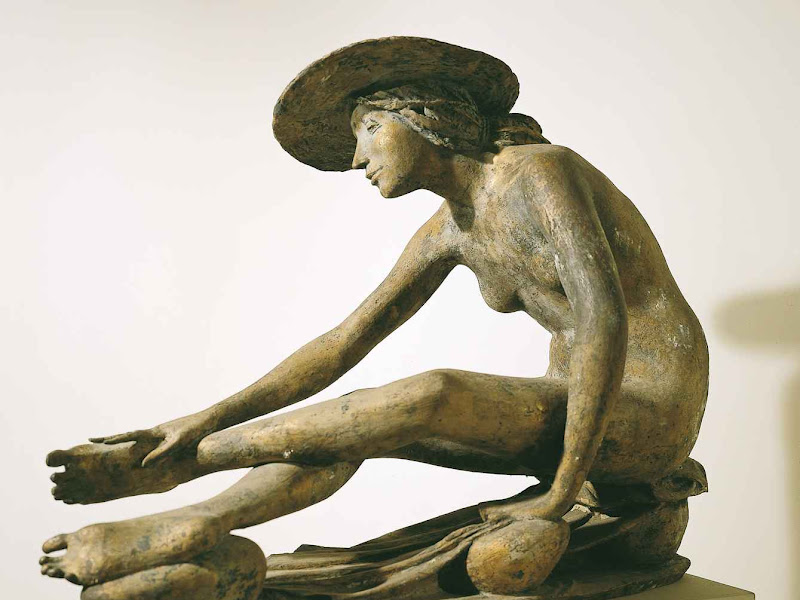
Venanzo Crocetti | Figurative sculptor
Venanzo Crocetti (1913-2003) was an Italian sculptor. He was born in Giulianova, Abruzzo.
In 1938 Venanzo Crocetti received the Grand Prize in the 19th Venice Biennale. "The Door of the Sacraments" of the St. Peter's Basilica Crocetti finished in 1966.
In 1972 he was nominated as president of the Accademia di San Luca.
Crocetti received the Golden Decoration from the Italian Ministry of Education for his achievement in fine art and culture. Venanzo Crocetti Museum is a foundation in Rome dedicated to the work of the artist.
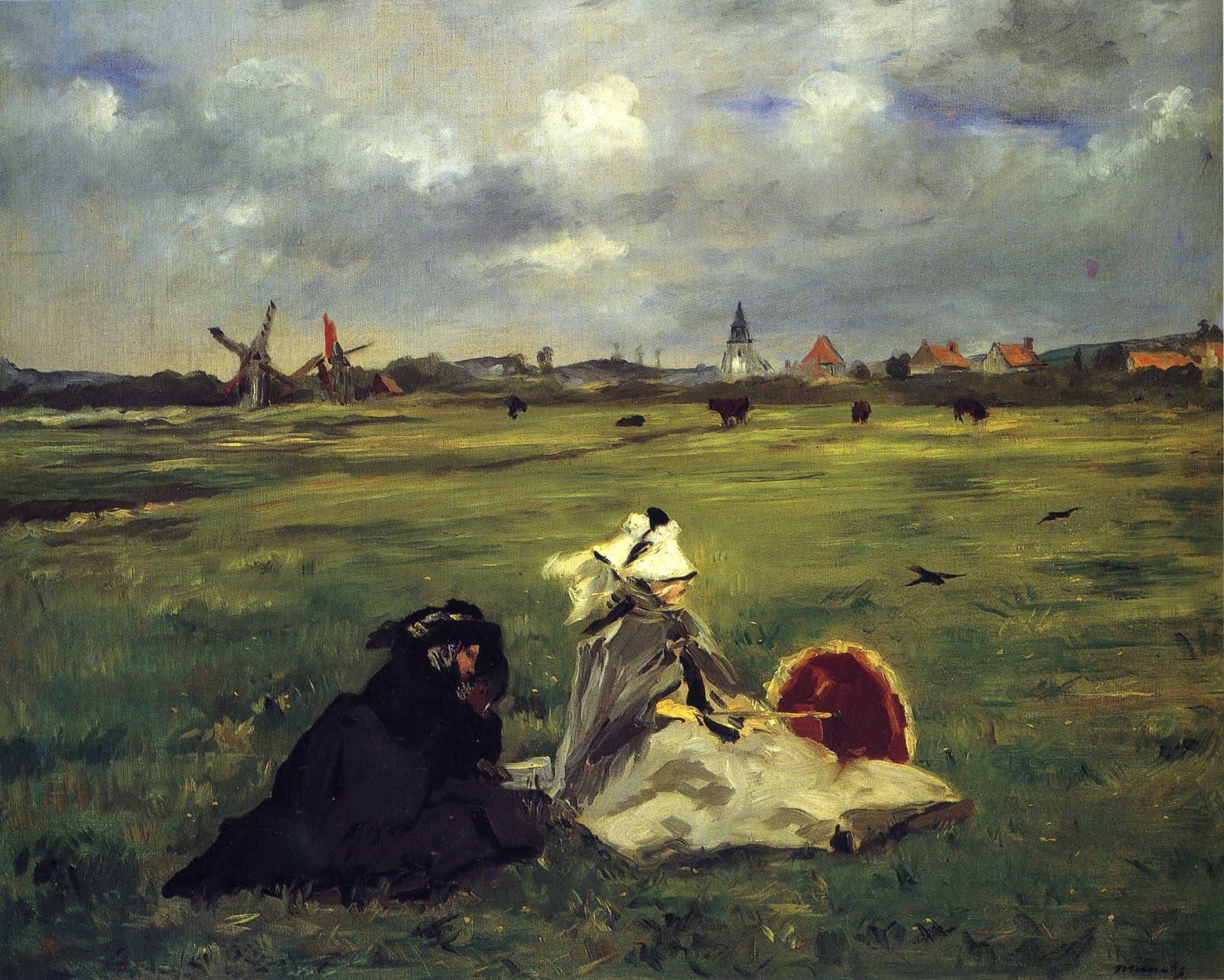
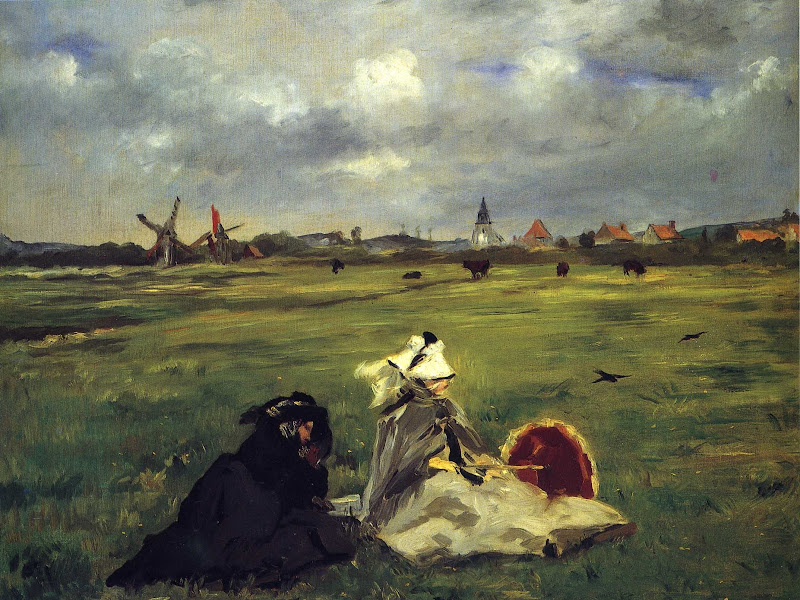
Édouard Manet | Swallows, 1873
'Swallows' was created in 1873 by French modernist painter Édouard Manet (1832-1883).
The artist’s mother in black and Madame Manet in white have taken their ease on a field behind the dunes, with their billowing skirts and bonnets tied on with veils.
The sun has just been shining, but now the sky is overcast; the artist’s wife has lowered the still opened parasol to her lap, and low flying swallows herald the change in weather.
All this has nothing anecdotal about it, but is merely the expression of the mood of the landscape, which is accentuated on the far horizon in the shape of windmills, the small church and rooftops of the village.
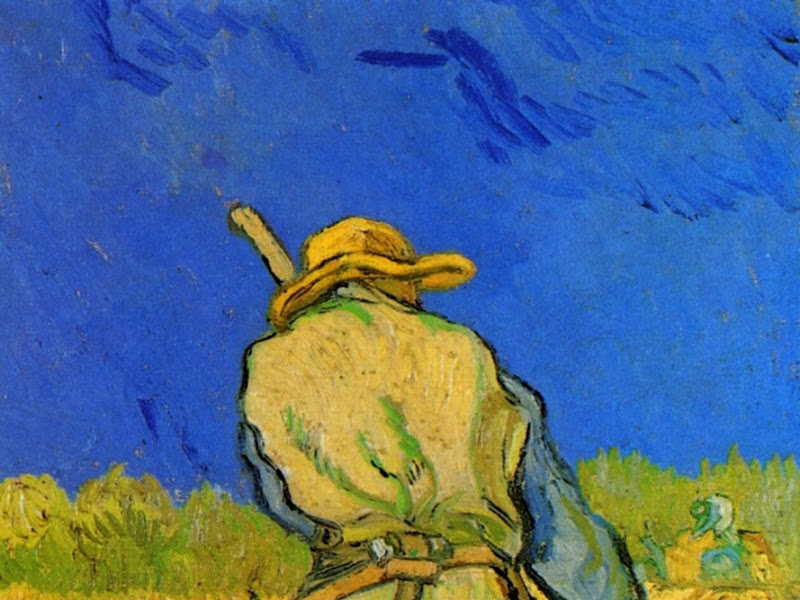
Vincent van Gogh | The Wheat Field series / La serie Campi di grano
The Wheat Field is a series of oil paintings executed by Vincent van Gogh in Saint-Rémy-de-Provence. All of them depict the view Van Gogh had from the window of his bedroom on the top floor of the asylum: a field enclosed by stone walls just beneath his window and excluded from normal life by the rear wall of the asylum grounds; beyond this enclosure farm land, accompanied by olive groves and vineyards, ran up to the hills at the foot of the mountain range called Les Alpilles.
From May 1889-1890, Van Gogh recorded this view in changing settings: after a storm, with a reaper in the field, with fresh wheat raising in autumn and with flowers in the spring.
Alberto Sughi | Maestro del Realismo Esistenziale
Alberto Sughi (1928-2012) was born in Cesena. A self-taught painter, by the end of his formative years he had become one of the greatest Italian artists of his generation.
He started painting in the early 1950s, choosing realism in the debate between abstract and figurative art in the immediate post-war period. Even from his early works, however, Sughi’s paintings have avoided any attempt at social moralising.
They depict moments from daily life with no heroes, allowing Enrico Crispolti, in 1956, to define his work as "Existential realism".
His artistic expression proceeds, almost always, in thematic cycles, in the manner of film sequences.
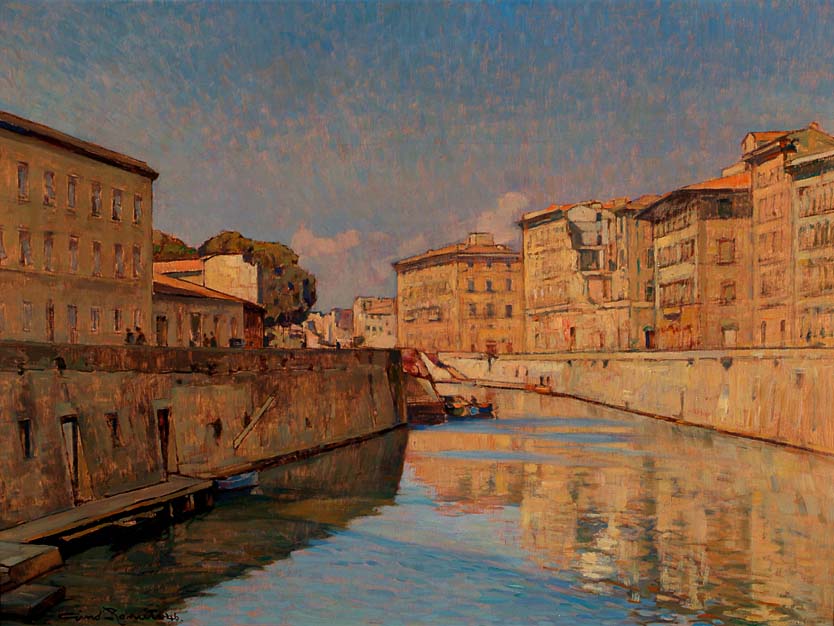
Gino Romiti | Post-Macchiaioli painter
Gino Romiti (1881-1967) was born in Livorno, Italy, in a family of modest economic conditions, this does not prevent him from cultivating his passion for art.
Already at a young age he began to attend School Guglielmo Micheli, like many of his contemporaries Tuscan, where he was undoubtedly influenced by the great teacher inspires Giovanni Fattori.
Among his classmates there were some, as Llewelyn Lloyd, who became the leader of the interesting Post-Macchiaioli, consists of those who, although moving in directions autonomous artistic, always maintained a close relationship with the pictorial tradition of Tuscany.
Leonardo da Vinci | Dello Scultore e del Pittore
Trattato della Pittura
Parte prima | Capitolo 35
Lo scultore ha la sua arte di maggior fatica corporale che il pittore, cioè piú meccanica, e di minor fatica mentale, cioè che ha poco discorso rispetto alla pittura, perché esso scultore solo leva, ed il pittore sempre pone; lo scultore sempre leva di una materia medesima, e il pittore sempre pone di varie materie.
Lo scultore solo ricerca i lineamenti che circondano la materia sculta, ed il pittore ricerca i medesimi lineamenti, ed oltre a quelli ricerca ombra e lume, colore e scorto, delle quali cose la natura ne aiuta di continuo lo scultore, cioè con ombra e lume e prospettiva, le quali parti bisogna che il pittore se le acquisti per forza d'ingegno e si converta in essa natura, e lo scultore le trova di continuo fatte.
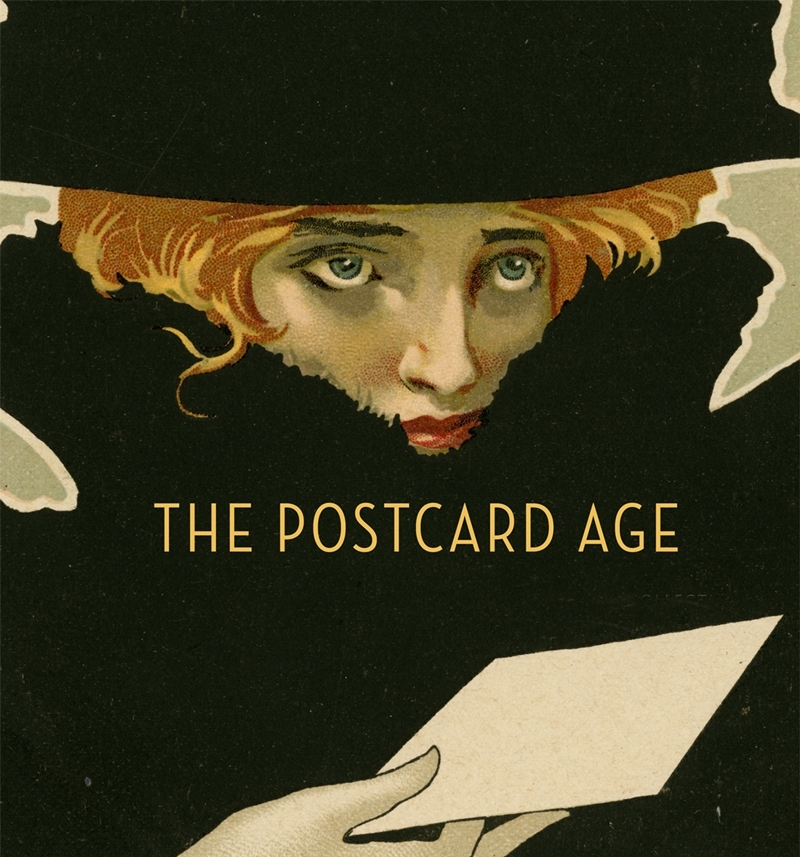
The Postcard Age | Retrò Pop-art style
Il Retrò (retrospettivo) è uno stile culturale che tende a dar rilievo a ciò che richiama le mode passate ed incentiva all'utilizzo di tutto ciò che attualmente è definito "d'epoca".
Lo stile che ora si chiama "Arte Retrò" è un genere di Pop Art sviluppata fra gli anni quaranta e cinquanta, in risposta al bisogno di una grafica audace ed accattivante, che fosse facile da riprodurre con dei torchi semplici. Ben distinguibile dallo stile moderno computerizzato, l'arte Retrò ha avuto un ritorno di popolarità grazie alle citazioni e parodie delle vecchie opere Pop Art.
Amit Bhar, 1973 | Abstract Watercolor painter
Amit Bhar is a famous Indian watercolor painting artist.
Amit Bhar was born in Hooghly chinsurah (west Bengal). Even as a child his first love was art. At the age of sixteen while at the Calcutta Govt. Art College, Amit was blessed with the guidance of Shri Paresh Das, a noted artist and gold medallist. Subsequently he gained further insights into art under the famous Subal Jana and Niloy Ghosh, who together enriched his style. He was also inspired by Bikash Bhattacharya and Suhas Roy during his initial period.
Andre Kosslick | Romantic Digital painter
German artist Andre Kosslick belongs to the galaxy of contemporary masters of painting. He lives in the city of Schwedt, which is located in Brandenburg, Germany.
Painting is his hobby. On his canvases, mountain peaks pile up, rivers flow rapidly, the sea rages, the wind rustles in the branches of mighty trees. Occasionally, a sad or pensive female silhouette flashes against the background of magnificent nature.
Lyrics and romanticism are inherent in all the paintings of the modern master of landscape painting.
Christian Fagerlund, 1973 | Realist Figurative painter
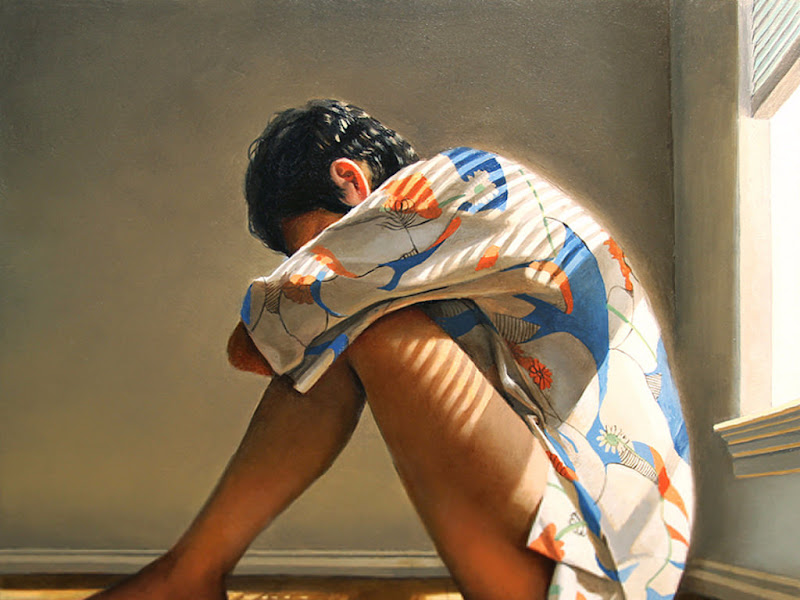
Christian Fagerlund was born in Ann Arbor, MI. He received his BA from the University of California - Santa Barbara in 1994 and his MFA from the New York Academy of Art in 2004, where he received the NYAA Postgraduate Fellowship.
In 2009, 2010, and 2011 he was artist-in-residence at Eden Rock Gallery on the island of St. Barths, French West Indies. Since 2004 his work has been shown both nationally and internationally in several solo and group exhibitions. He currently shows work with Arcadia Contemporary in Los Angeles and Winfield Gallery in Carmel, California.
Prior to his appointment at UNT, he served as adjunct instructor of Drawing and Painting at University of California - Berkeley Extension, Ohlone College in Fremont, CA, and The School of Classical Realism in Oakland, CA from 2007-2014. During this period he taught courses in: figure drawing/painting, anatomy for artists, still life, perspective, plein air landscape painting, and digital painting.
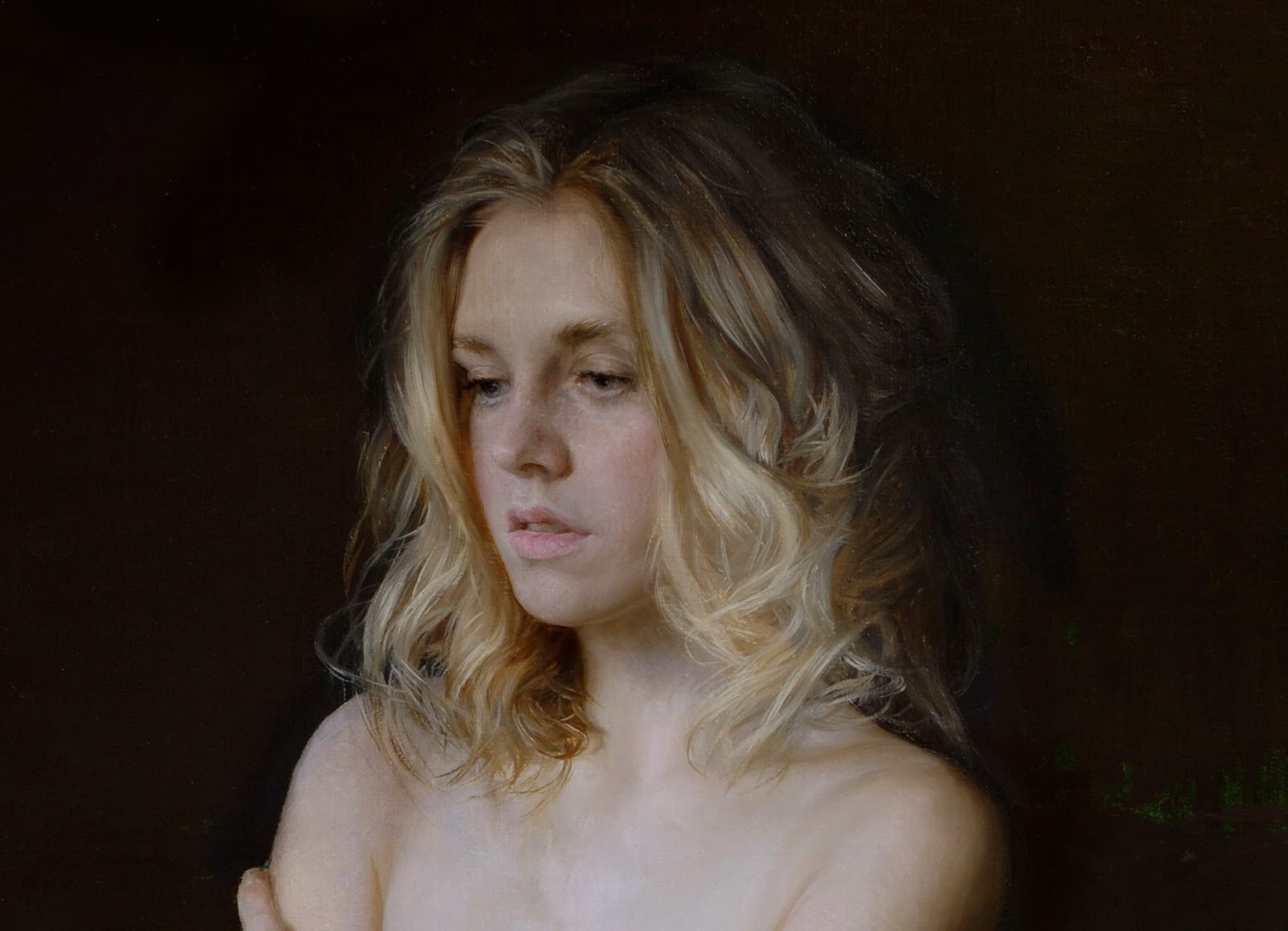
Serge Marshennikov, 1971 | Realist / Figurative painter
Serge Marshennikov🎨 /Сергей Маршенников is an Russian painter🎨, known for working in the Realist style.
He was awarded🎨 “Chairman’s Choice Award” at the 2008/2009 International Art Renewal Center’s salon, and received Certificate of Excellence for his outstanding achievement in art.
He was chosen as “Top 30” in 2008 by the Portrait Society of America.
Born on May 30, 1971 in Ufa (Bashkiria, USSR), Serge Marshennikov was raised and educated in the USSR.
For biographical notes -in english and italian- and other works by Marshennikov🎨 see:
- Serge Marshennikov, 1971 | Figurative painter🎨.
- Serge Marshennikov, 1971 | Figurative painter | VideoArt🎨.
Iscriviti a:
Commenti (Atom)