Textual description of firstImageUrl

Abbott Handerson Thayer (1849-1921)

Painter, best known for his idealistic and allegorical paintings of women as angels and madonnas. His interest in color and nature led to his writing Concealing Coloration in the Animal Kingdom (1909), the basis for camouflage techniques in World War I.

Abbott Thayer: The Nature of Art

Abbott Handerson Thayer, is recognized today for his ethereal angels, portraits of women and children, landscapes, and delicate flower paintings. A New Englander who expressed the spiritual in much of his work, he was known as a “soul painter”. In his own time, his work was praised by critics even as it was popular with the public and sought after by collectors.

Thayer’s World

Thayer was born into a distinguished Boston family. In the 1880s and 1890s he was a leader in the New York art world. While he carried on a lively trade in portraits, he also began to paint allegorical figures, which had gained popularity among collectors with a taste for subjects from classical antiquity and the European Renaissance.
In 1891, his first wife Kate Bloede Thayer died; her loss changed Thayer’s art and his outlook on life in virtually every respect. Her family, intellectually and artistically distinguished German émigrés, had introduced Thayer to the romantic world of literature, music, and philosophy.


Textual description of firstImageUrl

Edward Simmons (1852-1931)

Edward Emerson Simmons was an American Impressionist painter, remembered for his mural work.

Biography

His father was a Unitarian minister. He graduated from Harvard College in 1874, and was a pupil of Lefebvre and Boulanger in Paris, where he took a gold medal.
In 1894, Simmons was awarded the first commission of the Municipal Art Society, a series of murals - Justice, The Fates, and The Rights of Man - for the interior of the Criminal Courthouse at 100 Centre Street in Manhattan.
This court is the criminal branch of New York Supreme Court (the trial court in New York), where many New Yorkers serve on jury duty.
Later Simmons decorated the Waldorf Astoria New York hotel, the Library of Congress in Washington, and the mural series "Civilization of the Northwest" in the Minnesota State Capitol rotunda in Saint Paul.


Textual description of firstImageUrl

Claude Monet | Life and artworks

Claude Monet - in full Oscar-Claude Monet (born November 14, 1840, Paris, France-died December 5, 1926, Giverny), French painter who was the initiator, leader and unswerving advocate of the Impressionist style.
In his mature works, Monet developed his method of producing repeated studies of the same motif in series, changing canvases with the light or as his interest shifted.
These series were frequently exhibited in groups-for example, his images of haystacks (1891) and the Rouen Cathedral, 1894.


Textual description of firstImageUrl

Leonardo da Vinci | De' corpi illuminati dall'aria senza il sole

Trattato della Pittura - Parte quinta | Capitoli 799-811


Indice
799. Del corpo luminoso che si volta intorno senza mutazione di sito e riceve un medesimo lume da diversi lati e si varia in infinito.
800. Di ombra e lume de' corpi ombrosi.
801. De' corpi illuminati dall'aria senza il sole.
802. Quei termini delle ombre saranno più insensibili, che nasceranno da maggior quantità di luce.
803. Quale ombra è più oscura.
804. Del lume.
805. Precetto.
806. Precetto.
807. De' termini de' corpi mediante i campi.
808. Precetto delle ombre.
809. Dell'imitazione de' colori in qualunque distanza.
810. Del lume riflesso.
811. Di prospettiva.

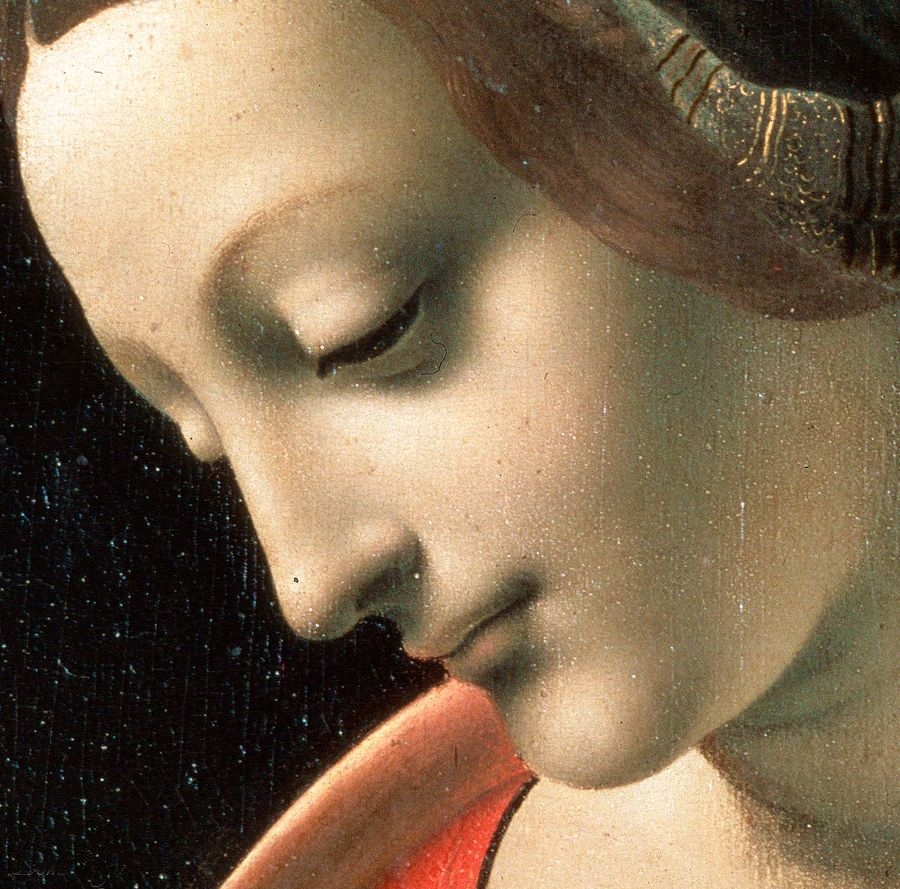
Leonardo da Vinci | Sant'Anna, la Vergine e il Bambino con l'agnellino, 1510-1513 (detail)

Textual description of firstImageUrl

Oskar Kokoschka | The bride of the wind / La sposa del vento, 1913-1914

"The Bride of the Wind" / "Die Windsbraut" or "The Tempest" is a 1913-1914 painting by Oskar Kokoschka.
The oil on canvas work is housed in the Kunstmuseum Basel.
Kokoschka's best known work, it is an allegorical picture featuring a self-portrait by the artist, lying alongside his lover Alma Mahler (Viennese-born composer, 1879-1964).

In 1912 Alma met the young painter Oskar Kokoschka, who was known as the enfant terrible of the Viennese art scene.
He was violent and unbridled, and the press derided him as "the wildest beast of all".


Textual description of firstImageUrl

Wassily Kandinsky | VI - Il linguaggio delle forme e dei colori

Lo spirituale nell'arte, 1910

L'uomo che non ha musica in se stesso
che l`armonia dei suoni non commuove
sa il tradimento, e la perfida frode.
Le sue emozioni sono una notte cupa
i suoi pensieri un Erebo nero.
Alla musica credi, non a lui.


Il suono musicale giunge direttamente all'anima. E vi trova subito un'eco, perché l'uomo "ha la musica in sé".

"Si sa che il giallo, l'arancione e il rosso ispirano e rappresentano un'idea di gioia, di ricchezza" (Delacroix).


Textual description of firstImageUrl

Stacy Barter

Stacy Barter's Oil Paintings depict her intense fascination with light and atmosphere.
- "I am constantly striving to capture depth and dimension in my oil paintings.
Working from life, whether it's from flowers or a model is exhilarating and ever changing. This is my passion, life dedication and contribution".

Best in Show Winner of the most prestigious International Competition and 2 year US Museum Tour.

In her 25 years as a full time professional painter - Stacy has won many top awards in some of the most important organizations and exhibitions and is part of entertainment/celebrity and museum collections.
She also teaches and is on senior faculty at Crealdé School of Art in Winter Park, Florida.


Textual description of firstImageUrl

Oskar Kokoschka | Expressionist painter

Oskar Kokoschka, (born March 1, 1886, Pöchlarn, Austria-died February 22, 1980, Villeneuve, Switzerland), Austrian painter and writer who was one of the leading exponents of Expressionism.
In his early portraits, gesture intensifies the psychological penetration of character; especially powerful among his later works are allegories of the artist’s emphatic humanism.
His dramas, poems, and prose are significant for their psychological insight and stylistic daring.

Early life and works

When Kokoschka was three years old, his father went bankrupt in a financial crash. The family was forced to move to Vienna, where his father worked as a traveling salesman and his mother cared for the children on limited means.


Textual description of firstImageUrl

Leonardo da Vinci | De' nuvoli

Trattato della Pittura - Parte settima | Capitoli 917-926


Indice
917. De' nuvoli.
918. Del rossore de' nuvoli.
919. Della creazione de' nuvoli.
920. De' nuvoli e loro gravità e levità.
921. Perché della nebbia si fa nuvoli.
922. Dell'aria tutta nuvolosa.
923. Dell'ombra de' nuvoli.
924. De' nuvoli.
925. De' nuvoli sotto la luna.
926. De' nuvoli.

Leonardo da Vinci | Diluvio, 1515 | Royal Library collection

Textual description of firstImageUrl

Edgar Degas a Napoli, 1856

Degas sbarcò a Napoli (IT) il 17 luglio 1856. Nella città partenopea l'artista ebbe modo di ricongiungersi con il nonno René Hilaire, che lo ospitò nella sua vasta dimora, palazzo Pignatelli di Monteleone: il viaggio in Italia, oltre a un'inestimabile opportunità formativa, era infatti anche un modo per ricongiungersi con i familiari, in parte residenti a Napoli, in parte a Firenze.
Napoli, città esuberante e vivace, che offriva un clima splendidamente mediterraneo, serbava all’epoca non solo un grande fervore culturale, ma anche una vasta gamma di divertimenti pittoreschi, gastronomici e carnali.
Degas, tuttavia, conduceva una vita ascetica, totalmente dedicata all'arte, e pertanto consacrò il suo soggiorno napoletano al perfezionamento della sua pittura.
Notevole, in tal senso, il Ritratto di Hilaire De Gas, opera raffigurante proprio il nonno che si può considerare a pieno titolo il primo cimento artistico di rilievo del giovane Degas.

Edgar Degas | Ritratto di Hilaire De Gas, 1857 | Museo d'Orsay, Parigi

Textual description of firstImageUrl

Edgar Degas | Artistic style

Degas is often identified as an Impressionist, an understandable but insufficient description. Impressionism originated in the 1860s and 1870s and grew, in part, from the realism of such painters as Courbet and Corot.
The Impressionists painted the realities of the world around them using bright, "dazzling" colors, concentrating primarily on the effects of light, and hoping to infuse their scenes with immediacy. They wanted to express their visual experience in that exact moment.
Technically, Degas differs from the Impressionists in that he continually belittled their practice of painting en plein air.

"You know what I think of people who work out in the open. If I were the government I would have a special brigade of gendarmes to keep an eye on artists who paint landscapes from nature. Oh, I don't mean to kill anyone; just a little dose of bird-shot now and then as a warning".


Textual description of firstImageUrl

Edgar Degas | Lettera ai giurati del French Salon nel 1870

Nel 1870, Edgar Degas indirizzò questa lettera - pubblicata sul quotidiano Paris-journal - alla giuria del Salon, in cui delineava proposte radicali per eliminare l'affollata sospensione di quadri dal pavimento al soffitto del Salon.

"Ai signori giurati del Salon del 1870,

suvvia, signori della giuria, non scoraggiatevi. Non avete ancora finito. Eccovi dunque padroni di organizzare un’esposizione. Si dice che siate molto imbarazzati. Dio sia lodato! L’amministrazione lo era ancor di più e da molto più tempo.
Eppure ha continuato. C’è una cosa a cui ogni espositore ha indiscutibilmente diritto e di cui non si è mai parlato nei progetti scritti e nei conciliaboli: una collocazione di suo gradimento. Questo già accade nell'industria. Un calzolaio, nel piccolo spazio che ottiene, espone la propria merce come vuole. Un pittore no.

Non è lo spazio che manca: si può montare e smontare questo palazzo costruito in ferro e sottili tramezzi, come un teatro. Di soldi, ne servono pochi per una festa così semplice, e le entrate ci sono. Il vostro tempo, la vostra attenzione, e un po’ del vostro senso del dovere, signori, ecco quel che occorre.
Cochin, l’incisore, fu sovente, nel secolo scorso, l’arazziere delle esposizioni. Diderot gli diede questo nome, che, a quanto pare, è andato perduto. Riprendetelo.
Ho l’impressione che l’organizzazione del Salon richieda qualche cambiamento. In tutta coscienza, voi potreste farlo. Un paio di voi, una volta decisa la cosa, verrebbero delegati al controllo.


Textual description of firstImageUrl

Edgar Degas | Artistic career

Upon his return to France in 1859, Degas moved into a Paris studio large enough to permit him to begin painting The Bellelli Family—an imposing canvas he intended for exhibition in the Salon, although it remained unfinished until 1867.
He also began work on several history paintings: Alexander and Bucephalus and The Daughter of Jephthah in 1859–60; Sémiramis Building Babylon in 1860; and Young Spartans around 1860.
In 1861 Degas visited his childhood friend Paul Valpinçon in Normandy, and made the earliest of his many studies of horses.
He exhibited at the Salon for the first time in 1865, when the jury accepted his painting Scene of War in the Middle Ages, which attracted little attention.


Textual description of firstImageUrl

Pierre-Auguste Renoir | Impressionist painter

Famed for his sensual charming scenes of pretty women, Pierre-Auguste Renoir (1841-1919) was a far more complex and thoughtful painter than generally assumed.
He was a founding member of the Impressionist movement, nevertheless he ceased to exhibit with the group after 1877.
From the 1880s until well into the twentieth century, he developed a monumental, classically inspired style that influenced such avant-garde giants as Pablo Picasso.


Textual description of firstImageUrl

Arthur Hacker | Pre-Raphaelite painter

Arthur Hacker (25 September 1858 - 12 November 1919) was an British classicist painter.
Born in London in 1858, Hacker was the son of Edward Hacker, a line engraver specialising in animal and sporting prints (who was also for many years the official Registrar of Births, Marriages and Deaths for Kentish Town in the St Pancras registration district, north London).
In his art he was most known for painting religious scenes and portraits, and his art was also influenced by his extensive travels in Spain and North Africa.


Textual description of firstImageUrl

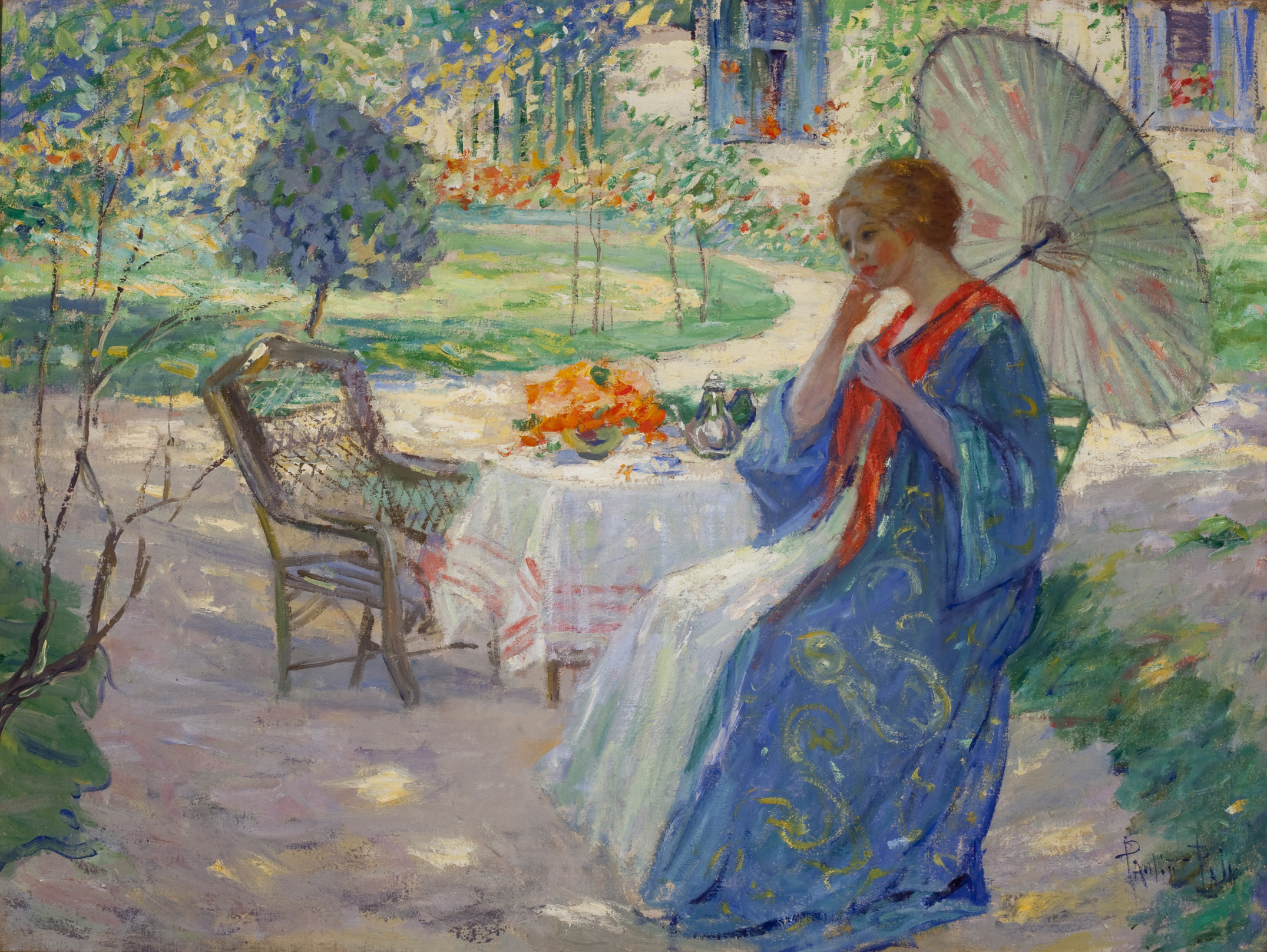
Pauline Palmer (1867-1938)

Pauline Lennards Palmer was an American artist based in Chicago. She is counted among Impressionism.

Early life

Pauline Lennards was born in McHenry, Illinois, the daughter of Nicholas Lennards, a merchant, and Frances Spanganacher Lennards. Her parents were both immigrants from Prussia; she grew up speaking German as her first language.
She studied art at the Art Institute of Chicago, under William Merritt Chase, Frank Duveneck and Kenneth Hayes Miller.
She pursued further training in Paris at Académie Colarossi, the Académie de la Grande Chaumière, and with Paris-based American painter Richard E. Miller.


Textual description of firstImageUrl

Leonardo da Vinci | Perché il bianco non è colore..

Trattato della Pittura - Parte seconda | Capitoli 235-258


Indice
235. Del colore dell'ombra di qualunque corpo.
236. Della prospettiva de' colori ne' luoghi oscuri.
237. Prospettiva de' colori.
238. De' colori.
239. Da che nasce l'azzurro dell'aria.
240. De' colori.
241. De' colori.
242. De' campi delle figure de' corpi dipinti.
243. Perché il bianco non è colore.
244. De' colori.


Textual description of firstImageUrl

Ralph Hedley | Genre painter

Ralph Hedley (1848-1913) was a realist painter, woodcarver and illustrator, best known for his paintings portraying scenes of everyday life in the North East of England.

Biography

Born in Gilling West near Richmond, North Yorkshire, Ralph and his parents Richard and Anne Hedley moved to Newcastle upon Tyne around 1850, on the wave of industrial opportunity.
Aged about 13, he was apprenticed to Thomas Tweedy in his carving workshops, simultaneously studying art and design at the 'Government school' in Newcastle, and attending evening classes at the Life School under William Bell Scott. At the age of 14 he was awarded a bronze medal by government's Department of Art and Science.
After concluding his apprenticeship, Hedley established a successful woodcarving business, whilst also producing lithographs for the local press and taking every opportunity to work as an artist. He had the first of many paintings, The Newsboy, accepted for exhibition at the Royal Academy in 1879.


Textual description of firstImageUrl

Reading / Lettura | Quotes and painting

"The most technologically efficient machine that man has ever invented is the book".

Édouard Manet - Woman Reading, 1880

"La macchina tecnologicamente più efficiente che l’uomo abbia mai inventato è il libro
- Herman Northrop Frye CC FRSC (1912-1991) - Canadian literary critic and literary theorist, considered one of the most influential of the 20th century.

Textual description of firstImageUrl

Theodore Earl Butler | Impressionist painter

Theodore Earl Butler (1861–1936) was born in Columbus, Ohio, and moved to Paris to study art.
He befriended Claude Monet in Giverny, and married his stepdaughter, Suzanne Hoschedé.
After her death he married her sister, Marthe Hoschedé. Butler was a founding member of the Society of Independent Artists.
Butler's chosen subjects were domestic scenes of family and friends and the French landscape.
Although his Impressionistic approach to painting sometimes reflected the influence of his father-in-law, his work also suggests Post-Impressionist tendencies.


Textual description of firstImageUrl

Utagawa Hiroshige (歌川広重)

Hiroshige, in full Andō Hiroshige, professional names Utagawa Hiroshige and Ichiyūsai Hiroshige, original name Andō Tokutarō, (born 1797, Edo [now Tokyo], Japan - died October 12, 1858, Edo), Japanese artist, one of the last great ukiyo-e ("pictures of the floating world") masters of the colour woodblock print.
His genius for landscape compositions was first recognized in the West by the Impressionists and Post-Impressionists.
His print series Fifty-three Stations of the Tōkaidō (1833-34) is perhaps his finest achievement.
Hiroshige was the son of Andō Genemon, warden of the Edo fire brigade. Various episodes indicate that the young Hiroshige was fond of sketching and probably had the tutelage of a fireman who had studied under a master of the traditional Kanō school of painting.
In the spring of 1809, when Hiroshige was 12 years of age, his mother died.


Textual description of firstImageUrl

William Kay Blacklock | Victorian genre painter

William Kay Blacklock (1872-1924) was a British artist in the mediums of watercolours and oils.

Biography

William Blacklock was born in Bishopwearmouth, Sunderland, in North East England, in 1872.
He was one of three children of John Blacklock, an engine fitter, and his wife Isabella. His father died in 1886.
According to the 1891 census, William was 18 years old and was working as a lithographer's apprentice, while living with his widowed mother. He continued to live with his mother, at least until 1901, practising the trade of lithography. It seems that he added Kay as his middle name when he became an artist.


Textual description of firstImageUrl

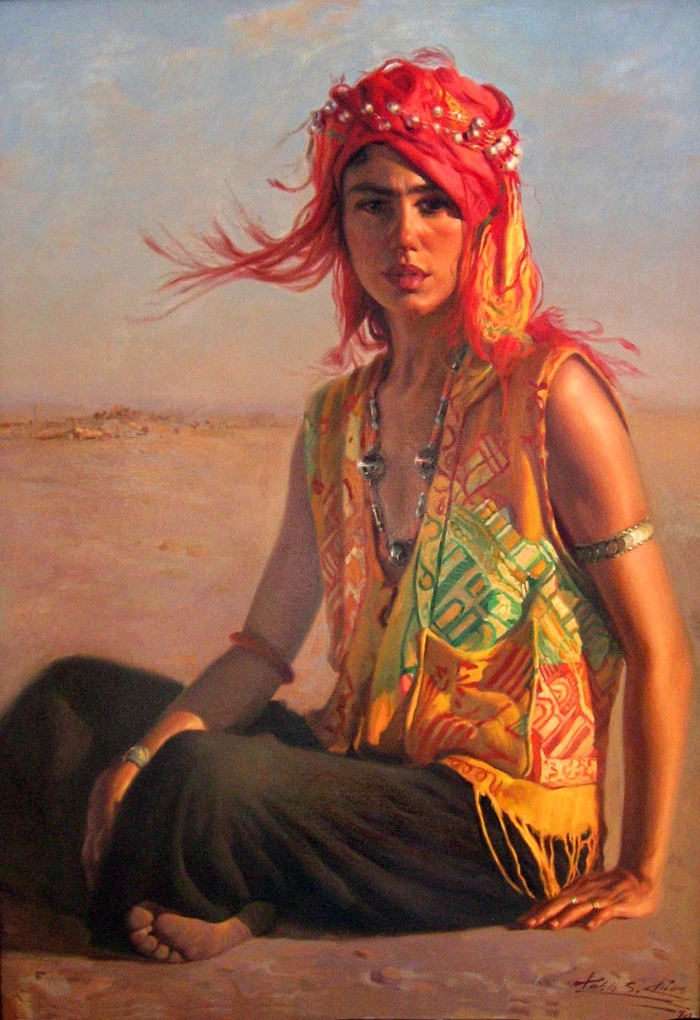
Pablo Segarra Chias, 1945 | Genre painter

Spanish painter Pablo Segarra Chias was born in Seville, a city impoverished and devastated by the recent Spanish civil war, Pablo lived in the Macarena District in the heart of the city.
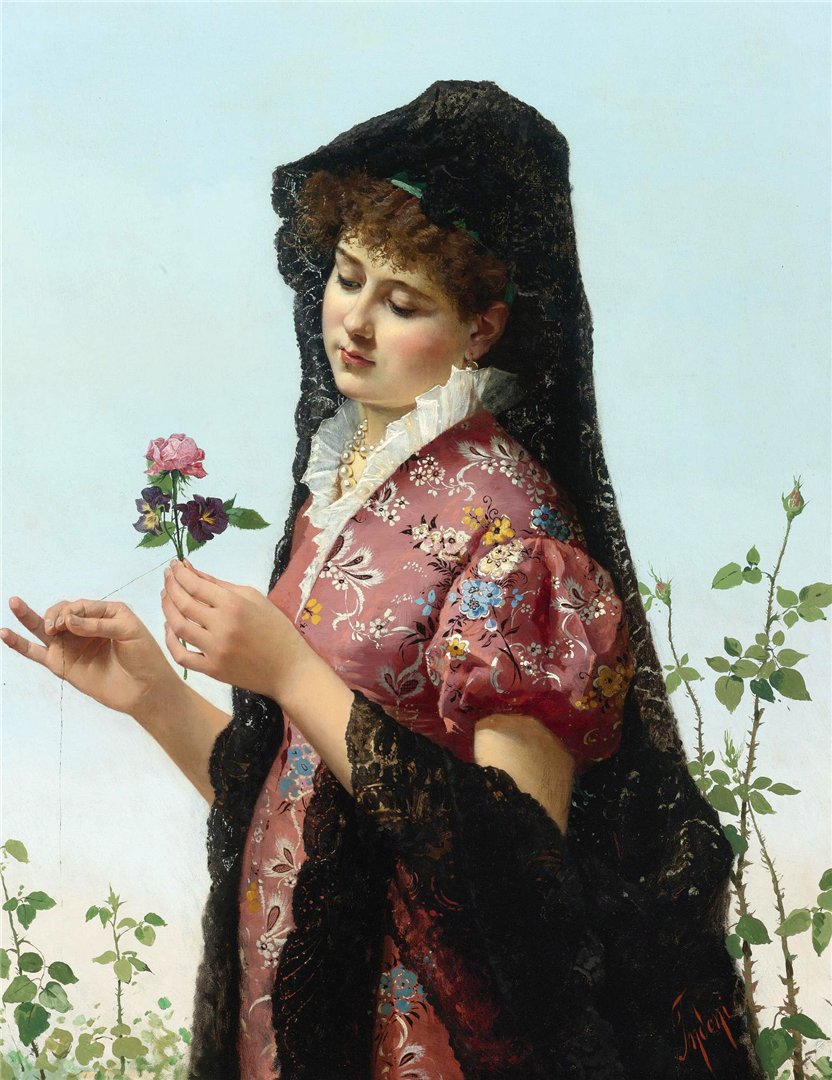
At the tender age of 7yrs Chias completed his first oil on canvas painting.
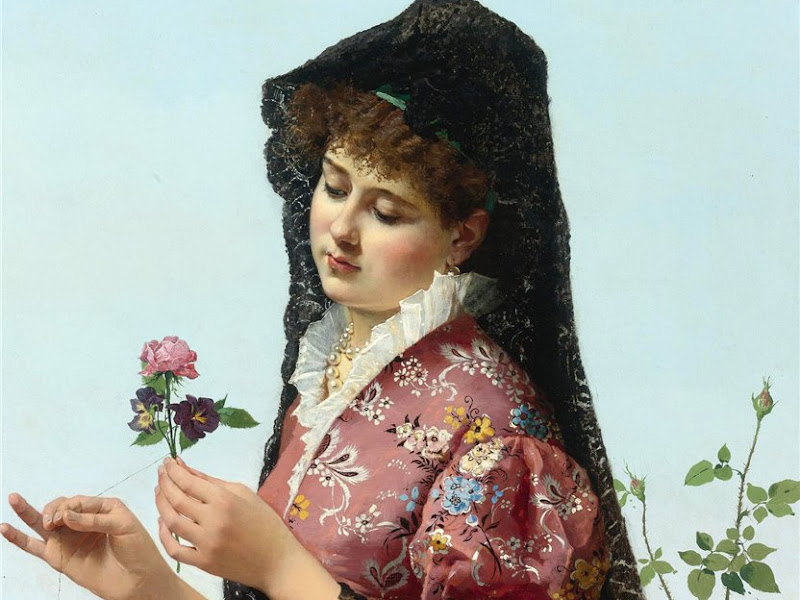
His father would let him use a chair, outside the local tavern, as an easel and it was from here he sold his first painting for 10p encouraging him to start and go on with painting as a more vocational commitment.

Pablo Segarra Chias 1945 | Spanish Realistic Figurative painter

Textual description of firstImageUrl

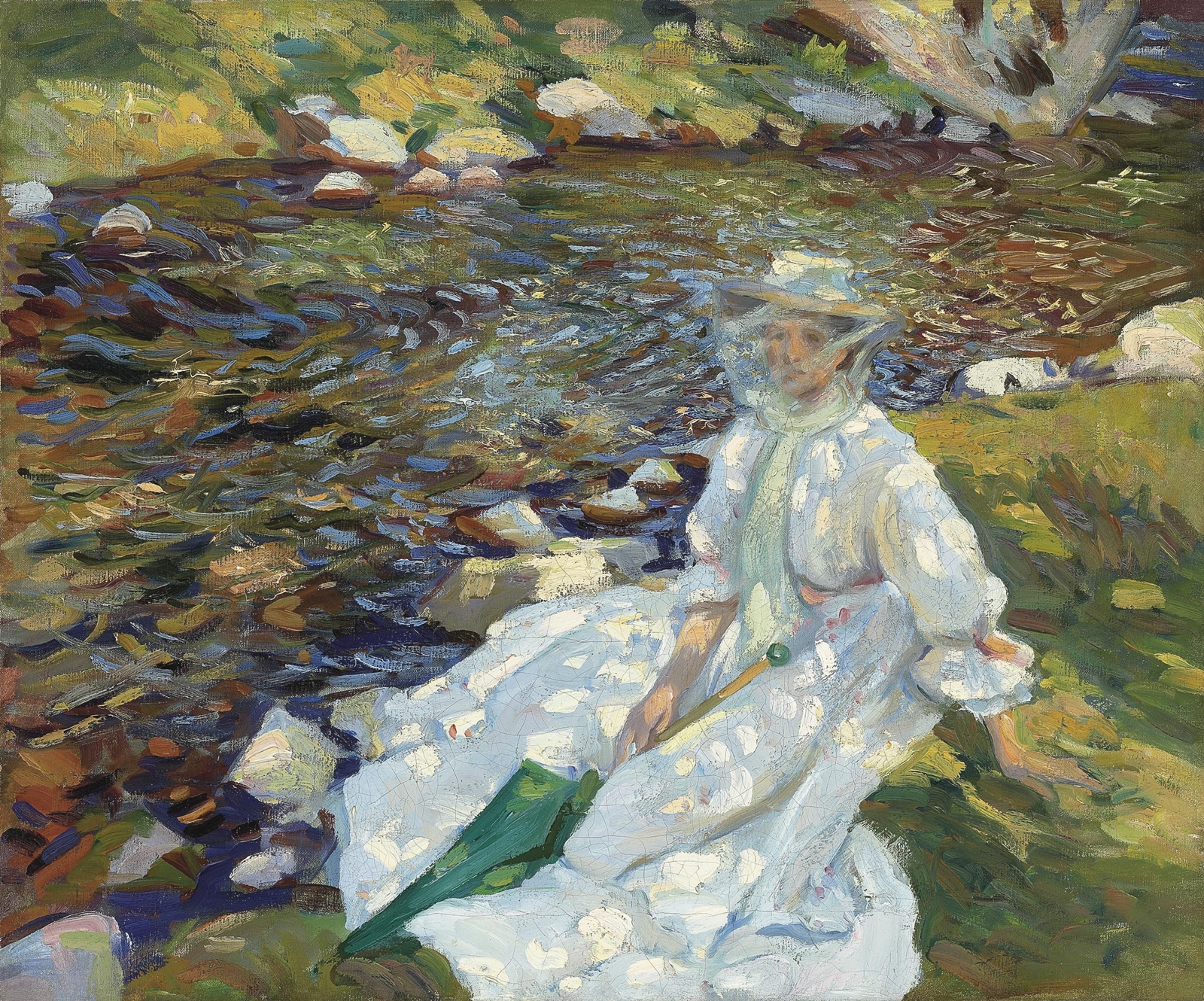
Wilfrid Gabriel de Glehn | Impressionist painter

Wilfrid Gabriel de Glehn (sometimes 'Wilfried') RA (1870-1951) was an Impressionist British painter, elected to the Royal Academy in 1932.
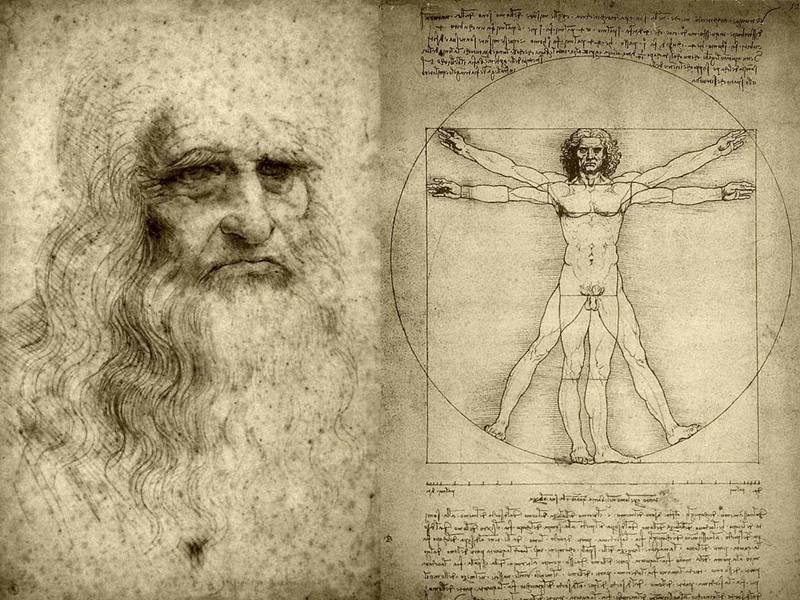
Biography

De Glehn's father was Alexander de Glehn of Sydenham, London. His mother was French.
Louise Creighton, a women's rights activist and author, and Alfred de Glehn, a French steam locomotive designer, were Alexander's sister and brother.


Textual description of firstImageUrl

Leonardo da Vinci | Gradi di pittura

Trattato della Pittura - Parte seconda | Capitoli 217-234


Indice
217. Della verdura veduta in campagna.
218. Qual verdura parrà partecipare piú d'azzurro.
219. Qual è quella superficie che meno che le altre dimostra il suo vero colore.
220. Qual corpo ti mostrerà piú il suo vero colore.
221. Della chiarezza de' paesi.
222. Prospettiva comune, e della diminuzione de' colori in lunga distanza.
223. Delle cose specchiate nelle acque de' paesi, e prima dell'aria.
224. Diminuzione de' colori pel mezzo interposto infra loro e l'occhio.
225. De' campi che si convengono alle ombre ed ai lumi.
226. Come si deve riparare quando il bianco termina in bianco o l'oscuro in oscuro.


Textual description of firstImageUrl

Charles Courtney Curran | Impressionist painter

Charles Courtney Curran (13 February 1861 – 9 November 1942) was an American painter. He is best known for his canvases depicting women in various settings

Biography

Curran was born in Hartford, Kentucky in February, 1861, where his father taught at the school. A few months later after the beginning of the Civil War, the family left there and returned to Ohio, eventually settling in Sandusky on the shores of Lake Erie where the elder Curran served as superintendent of schools.
Charles Curran showed an early interest and aptitude for art, and in 1881 went to Cincinnati to study at the McMicken School (later the Fine Arts Academy of Cincinnati). He stayed there only a year before going to New York to study at the National Academy of Design and the Art Students League. Many of the pictures he created during this period featured young attractive working-class women engaged in a variety of tasks.


Textual description of firstImageUrl

Frederick William MacMonnies

Frederick William MacMonnies (1863-1937), was the best known expatriate American sculptor of the Beaux-Arts school, as successful and lauded in France as he was in the United States.
He was also a highly accomplished painter and portraitist.
He was born in Brooklyn Heights, Brooklyn, New York and died in New York City.
Three of MacMonnies' best-known sculptures are Nathan Hale, Bacchante and Infant Faun and Diana.

Pioneer Monument by Frederick William MacMonnies (detail)

Textual description of firstImageUrl

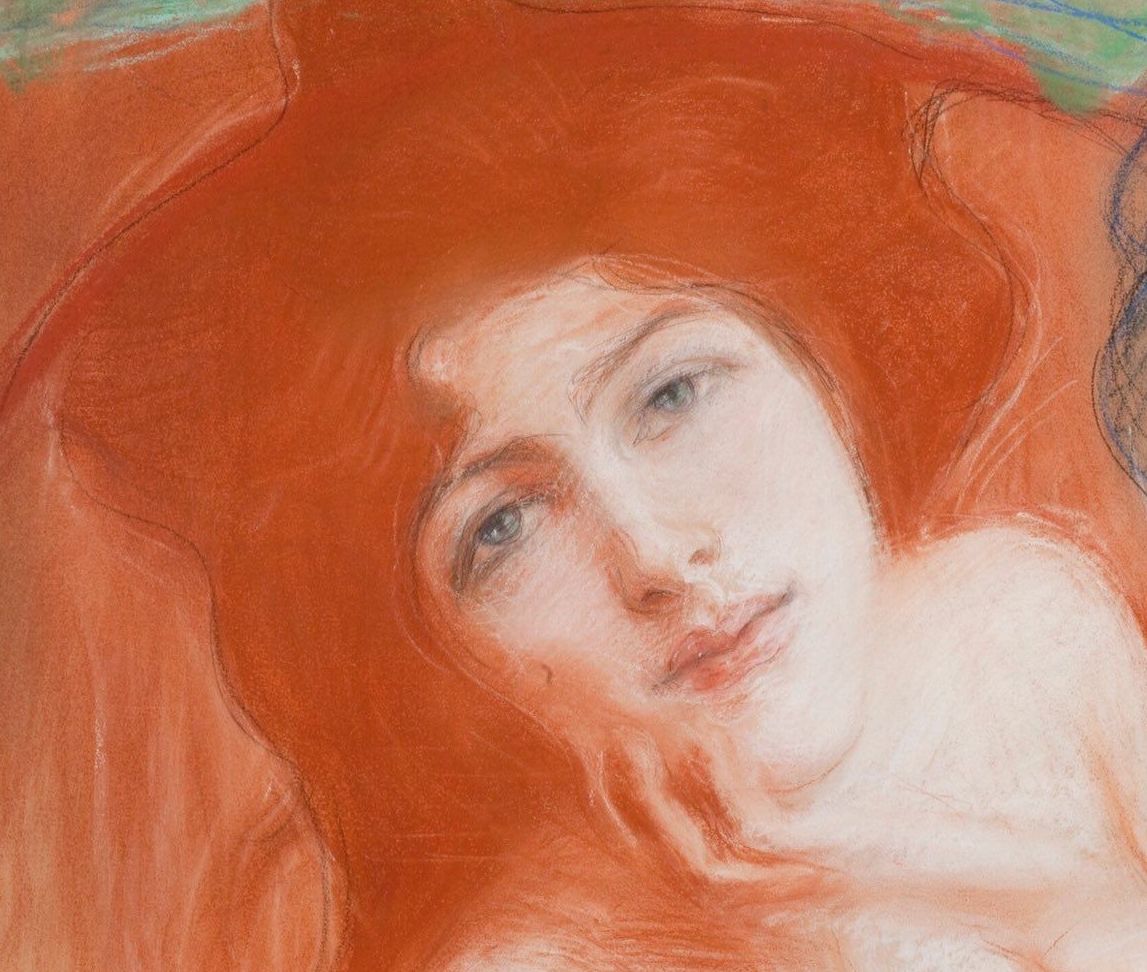
Teodor Axentowicz | Academic painter

Teodor Axentowicz (1859-1938) was a Polish-Armenian painter and university professor.
A renowned artist of his times, he was also the rector of the Academy of Fine Arts in Kraków. As an artist, Axentowicz was famous for his portraits and subtle scenes of Hutsul life, set in the Carpathians.

In Paris, he received the prestigious title of Officier d'Académie Ordre des Palmes Académiques and Member of Académie des Beaux-Arts.
In 1904 at the St. Louis World's Fair, Axentowicz received a Special Commemorative Award in recognition of distinguished service in connection with various national sections of the Department of Art.


Textual description of firstImageUrl

Willard Leroy Metcalf | The Ten American painters

Willard Leroy Metcalf (1858-1925) was born in Lowell, Massachusetts. His family moved to a farm in Maine in 1863, but eventually returned to Massachusetts, purchasing a home in Cambridgeport in 1872. Metcalf's parents, themselves artistically inclined, early recognized their son's talents and encouraged his proper training.
He served first as an apprentice to a wood engraver and later as a student of George Loring Brown (1814-1889), a portrait and landscape painter of considerable reputation at the time.
Metcalf also took evening life drawing classes at the Lowell Institute and was the first student to receive a scholarship to the Museum of Fine Arts school, which he attended from 1877-1878.
The careful draughtsmanship that Metcalf learned as a student in Boston served him well when he was commissioned to illustrate series of stories about the Zuni Indians.


Textual description of firstImageUrl

Theodore Robinson | The first American impressionist

Long considered the first American impressionist, Theodore Robinson (1852-1896) was born in Irasburg, Vermont, but spent most of his childhood in the rural Midwest, predominantly Wisconsin.
Robinson’s formal art education began at the Art Institute of Chicago (1869-1870) and continued at the National Academy of Design in New York (1874-1876), where he was one of the founders of the Art Students League.
In 1876 he journeyed to Paris and entered the atelier of the academician Carolus-Duran but later moved to the École des Beaux-Arts to study with Jean-Léon Gérôme.


Textual description of firstImageUrl

Tina Garrett, 1974

In 2012, after a career as a freelance cartoon illustrator and graphic designer, the Scottsdale Artists’ School awarded Garrett the first of two merit scholarships based on a handful of self-taught pastel portraiture, and she began learning how to paint, dedicating herself to the full-time practice of understanding oil painting.
By 2014 Garrett earned the first of four Purchase Awards in the 11th and 12th International ARC Salons. Tina’s works, “City Blues”, “String of Pearls”, "Melancholy" and "Bravado" are now part of the Art Renewal Center's renowned permanent collection.


Textual description of firstImageUrl

The Giverny Art Colony, 1885-1915

Between 1885 and 1915, the village of Giverny attracted more than 350 artists (Americans accounted for the majority) from at least eighteen countries around the world (including Argentina, Australia, Canada, Great Britain and Poland) - transforming from a sleepy community to a vibrant and important Artists' Colony.

The presence of master Claude Monet (known to the American artists through both Parisian and American exhibitions), who settled in the village in 1883, attracted a small band of artists, including Theodore Robinson, Willard Metcalf, Louis Ritter, Theodore Wendel and John Leslie Breck.

John Leslie Breck | Garden at Giverny, 1887-91

Textual description of firstImageUrl

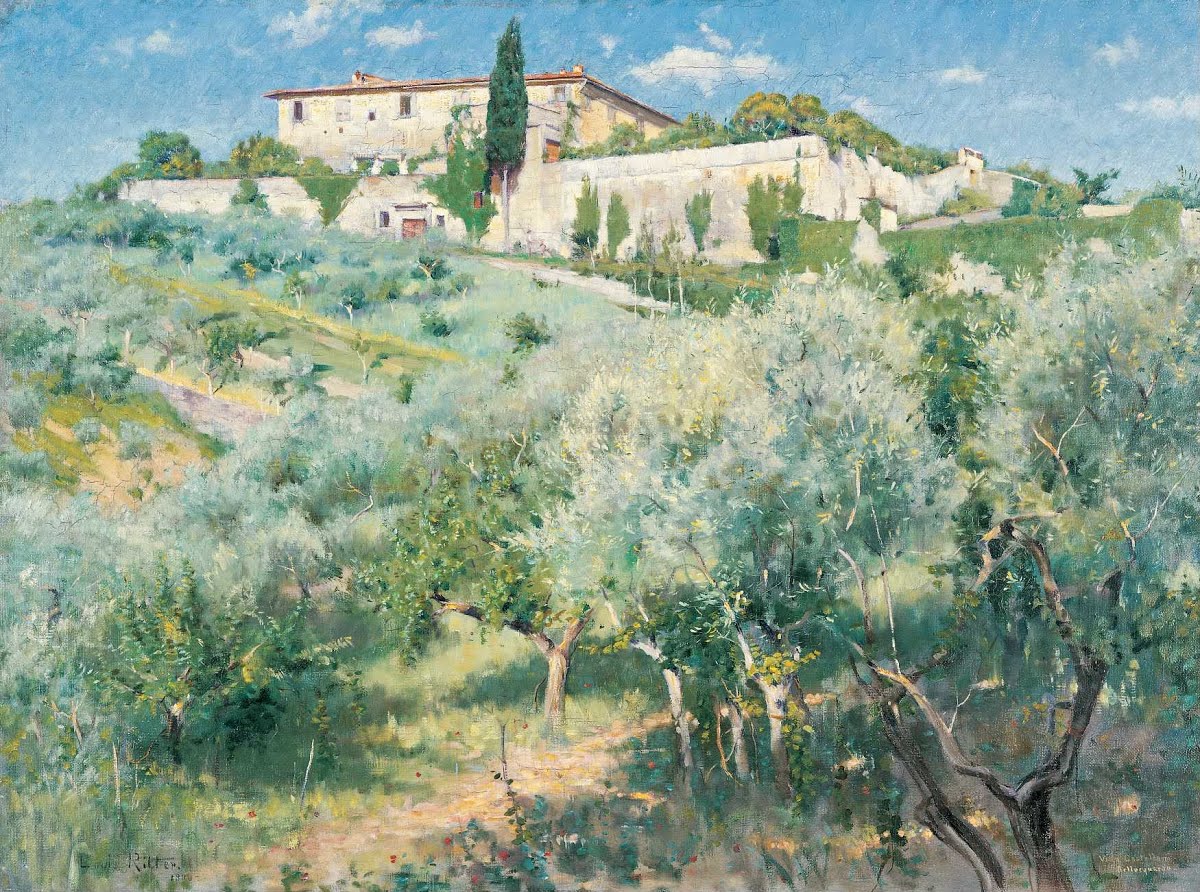
Louis Ritter (1854-1892)

Born: 1854, Cincinnati, Ohio, United States of America.
Died: 1892, Boston, Massachusetts, United States of America.

Biography

Louis Ritter’s landscape paintings of scenes in Europe and on the New England coast demonstrate the influence of new trends in European art that were just beginning to infiltrate American painting in the 1870s and 1880s.
Born in Cincinnati, he studied at the McMicken School of Design in 1873-74.
In 1878 he went to Munich, Germany, like many of his fellow compatriots, to enroll in the prestigious Royal Academy of Munich, where he won a silver medal in drawing.
Ritter studied with influential American painter and teacher Frank Duveneck, a native of the Cincinnati area.


Textual description of firstImageUrl

Rupert Bunny | Colorist / Symbolist painter

Australian painter Rupert Charles Wulsten Bunny (1864-1947) was one of the most successful expatriate artists of his generation.
No other Australian artist achieved the critical acclaim that he enjoyed in Paris. An erudite painter of ideal themes, and the creator of the most ambitious Salon paintings produced by an Australian, Bunny is an exotic in the history of Australian art.
An exhibition, Rupert Bunny artist in Paris, curated by Deborah Edwards, Senior Curator of Australian Art, will honour the work of this great Australian artist.
The exhibition at the Art Gallery of New South Wales will showcase more than 85 of his most significant paintings, many unseen in Australia, including works from the Musée d’Orsay and Fonds national d’art contemporain in Paris and private lenders including Kerry Stokes, Jeffrey Archer and Dame Elisabeth Murdoch.


Textual description of firstImageUrl

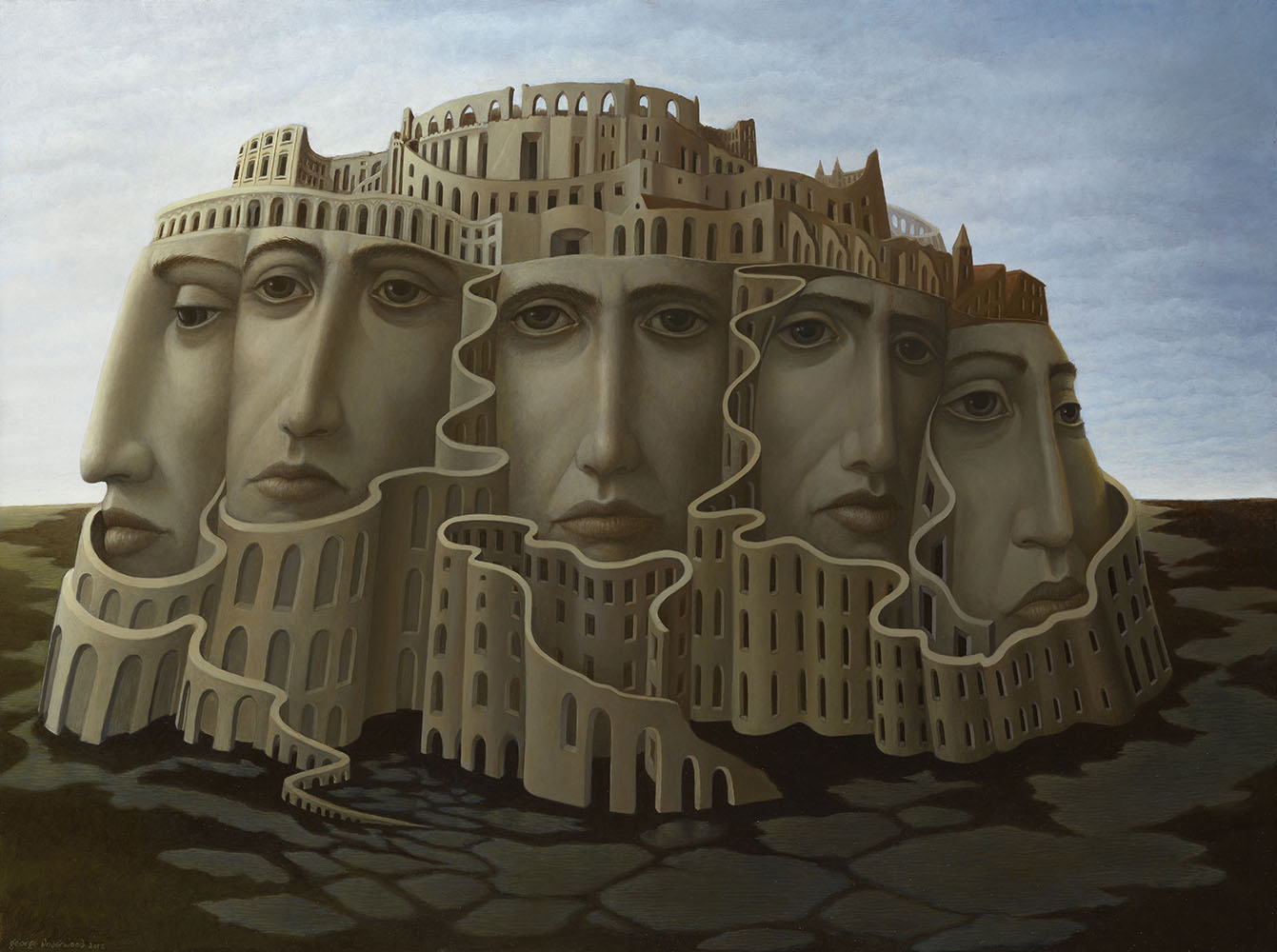
George Underwood, 1947 | Fantasy painter

George Underwood was born in Bromley Kent. George Underwood joined Beckenham Art School in 1963. At art school George Underwood became more and more interested in music. As a result he pursued a career in the music world.
Along with life long friend David Bowie he made one record -The King Bees- and also a solo record under the name Calvin James. After deciding that the music business was not for him, George returned to art studies and then worked in design studios as an illustrator. Initially he specialised in fantasy, horror and science fiction book covers.
Many of George Underwood's colleagues in the music business asked him to do various art works for them. This led to George becoming a freelance artist. Art work for the first T Rex album and later David Bowie’s Hunky Dory and Ziggy Stardust album covers established him as a leading and creative art illustrator.


Textual description of firstImageUrl

Leonardo da Vinci | Del color verde fatto dalla ruggine di rame

Trattato della Pittura - Parte seconda | Capitoli 186-216


Indice
186. Dell'accompagnare i colori l'uno con l'altro, in modo che l'uno dia grazia all'altro.
187. Del far vivi e belli i colori nelle tue pitture.
188. De' colori delle ombre di qualunque colore.
189. Delle varietà che fanno i colori delle cose remote o propinque.
190. In quanta distanza si perdono i colori delle cose integralmente.
191. In quanta distanza si perdono i colori degli obietti dell'occhio.
192. Colore d'ombra del bianco.
193. Qual colore farà ombra piú nera.
194. Del colore che non mostra varietà in varie grossezze d'aria.
195. Della prospettiva de' colori.


Textual description of firstImageUrl

Lawton Silas Parker | Painter of Giverny Art Colony

Lawton Silas Parker (1868-1954) was an American impressionist painter. A farm-boy from Kearney, Nebraska, Lawton Silas Parker began his training at the Art Institute of Chicago as a teenager.
In 1888, he went to Paris, where he met the stringent entrance requirements for the prestigious École des Beaux-Arts; he later transferred to the Académie Julian, a favorite among American art students.
One of Parker’s paintings was juried into the Paris Salon exhibition of 1890.
In the following decade, he led a peripatetic life that included further study at the Art Students League in New York City and in Paris; teachings stints in St. Louis, Chicago, New York, Paris, and Beloit, Wisconsin; and work on commissioned portraits and a mural.


Textual description of firstImageUrl

Eugene de Blaas | Pittore di genere

De Blaas, Eugenio - Nacque ad Albano (Roma) il 24 luglio 1843 dal pittore austriaco Carl von Blaas e da Agnese Auda, italiana.
Carl (Manders, Tirolo, 1815-Vienna 1894), che era stato chiamato in Italia nel 1832 dallo zio Francesco Purtscher di Eschenburg per frequentare l'accademia di Venezia, fu dal 1837 a Roma dove venne in contatto con il circolo dei Nazareni e ritornò a Vienna nel 1851; dall'estate 1856 fu a Venezia come professore presso l'accademia; ritornò definitivamente a Vienna nel 1866.
Un suo ritratto del figlio Eugenio a 5 anni è stato esposto a Vienna nel Belvedere superiore nel 1985.
Il de Blaas, dapprima allievo dei padre all'accademia di Venezia, si formò successivamente a Roma (nel 1862 vinse il pensionato; Marini, 1905, p. 249). Chiese e ottenne nel 1888 la cittadinanza italiana, stabilendosi a Venezia (Il Gazzettino, 12 febbr. 1931).


Textual description of firstImageUrl

Leonardo da Vinci | Come il buon pittore ha da dipingere l'uomo e la sua mente

Trattato della Pittura - Parte seconda | Capitoli 169-185


Indice
169. Del modo d'imparar bene a comporre insieme le figure nelle istorie.
170. Del porre prima una figura nell'istoria.
171. Del collocar le figure.
172. Modo del comporre le istorie.
173. Del comporre le istorie.
174. Varietà d'uomini nelle istorie.
175. Dell'imparare i movimenti dell'uomo.
176. Come il buon pittore ha da dipingere due cose, l'uomo e la sua mente.


Textual description of firstImageUrl

Salvador Dali | Drawing

Drawing is perhaps one of the most natural and rudimentary activities we undertake as humans. As soon as we get our hands on something that leaves a mark, we begin to draw.
In art, it is considered a fundamental skill to master. For Salvador Dalí drawing was both a means and an end.
Meaning, a lot of what we have that count as “drawings” from Salvador Dalí are studies for much larger works, they are representations of his thought process, his creativity shifting and growing, and an insight to his unique perspective of the world.


Textual description of firstImageUrl

Leonardo da Vinci | Del figurare le grandezze delle cose dipinte

Trattato della Pittura - Parte seconda | Capitoli 146-168


Indice
146. Del modo di condurre in pittura le cose lontane.
147. Come l'aria si deve far piú chiara quanto piú la fai finire bassa.
148. A fare che le figure spicchino dal loro campo.
149. Del figurare le grandezze delle cose dipinte.
150. Delle cose finite, e delle confuse.
151. Delle figure che sono separate, acciocché non paiano congiunte.
152. Se il lume deve esser tolto in faccia alle figure, o da parte, e quale dia piú grazia.


Textual description of firstImageUrl

Leonardo da Vinci | Come si deve figurare una battaglia

Trattato della Pittura - Parte seconda | Capitolo 145


Farai prima il fumo dell'artiglieria mischiato infra l'aria insieme con la polvere mossa dal movimento de' cavalli de' combattitori; la qual mistione userai cosí: la polvere, perché è cosa terrestre e ponderosa, e benché per la sua sottilità facilmente si levi e mischi infra l'aria, nientedimeno volentieri ritorna in basso, ed il suo sommo montare è fatto dalla parte piú sottile; adunque il meno sarà veduta, e parrà quasi del color dell'aria.
Il fumo che si mischia infra l'aria polverata, quando piú s'alza a certa altezza, parrà oscure nuvole, e vedrassi nelle sommità piú espeditamente il fumo che la polvere. Il fumo penderà in colore alquanto azzurro, e la polvere trarrà al suo colore.


Textual description of firstImageUrl

Hermann Seeger | Genre painter

Hermann Seeger (1857-1945) was a German genre and landscape painter. Seeger was also known as a talented engraver. Seeger was born as the son of master tailor Carl Seeger and his wife Henriette, born Meyer, on October 15, 1857.
After the Franco-Prussian War 1870-1871, a prisoner French officer lived with Hermann's parents and gave him an ink box.
In 1875 Hermann Seeger graduated from high school, then he studied philology in Halle. During his studies he became a member of the Fridericiana Halle in 1878-79.


Textual description of firstImageUrl

Tony Robert-Fleury | Academic painter

Tony Robert-Fleury (1 September 1837 - 8 December 1911) was a French painter, known primarily for historical scenes. He was also a prominent art teacher, with many famous artists among his students.

Biography

He was born just outside Paris, and studied under his father Joseph-Nicolas Robert-Fleury and under Paul Delaroche and Léon Cogniet at the École des Beaux-Arts (School of Fine Arts) in Paris.
His first painting at the Salon de Paris, in 1866, was a large historical canvas, titled Varsovie, Scene de l'Insurrection Polonaise, recalling the events of 8 April 1861 in Warsaw, when Russian troops quenched riots by force. In the following year, his "Old Women in the Place Navone, Rome" was purchased by the Musée du Luxembourg.


Textual description of firstImageUrl

Leonardo da Vinci | Come si deve figurare una notte

Trattato della Pittura - Parte seconda | Capitoli 106-144


Indice
106. Precetto, che il pittore non s'inganni nell'elezione della figura in che esso fa l'abito.
107. Difetto de' pittori che ritraggono una cosa di rilievo in casa a un lume, e poi la mettono in campagna ad altro lume.
108. Della pittura e sua divisione.
109. Figura e sua divisione.
110. Proporzione di membra.
111. Del fuggire le calunnie de' giudizi varî che hanno gli operatori della pittura.
112. De' movimenti e delle operazioni varie.


Textual description of firstImageUrl

Sherree Valentine Daines, 1956 | Modern Impressionist painter

Sherree Valentine Daines was born in Effingham, Surrey. She was not always an artist, at 18 she began work as a legal secretary in London. Realising the quality of the idle sketches she drew on her legal pads, it became clear that she had a talent for drawing.
Valentine Daines studied fine art at Epsom School of Art for 4 years, leaving in 1980. It was during her time at art school that she developed an interest in painting figures.
After graduating, she spent the first summer in Cornwall, painting villages, harbours and beaches and most of all the people. She has also been known to paint the busy streets of London, especially showing passers by hailing cabs, looking around markets or leaving the theatre.


Textual description of firstImageUrl

Robert Fowler | Victorian painter

Robert Fowler (1853-1926) was an Scottish artist who painted mythological scenes and landscapes. Fowler was born in Anstruther, Fife, and was brought up mainly by his uncle and aunt while his parents were away on business. He showed a very early aptitude for art, starting first with pencil drawings then moving on to painting and clay modelling.
His family moved to Liverpool and Fowler went to school at Liverpool College. At the age of 16, he found employment in a commercial office where his talent for art was recognised by his employer, who encouraged Fowler's parents to send him to art school.
Fowler went to London to study at the Heatherley School of Fine Art and the South Kensington Schools.


Textual description of firstImageUrl

Leonardo da Vinci | Del massimo difetto de' pittori..

Trattato della Pittura - Parte seconda | Capitoli 79-105


Indice
79. Ordine del disegnare.
80. Del ritrarre di naturale.
81. Del ritrarre una qualunque cosa.
82. Come deve essere alto il lume da ritrarre di naturale.
83. Quali lumi si debbono eleggere per ritrarre le figure de' corpi.
84. Delle qualità del lume per ritrarre rilievi naturali o finti.
85. Del ritrarre i nudi.


Textual description of firstImageUrl

Leonardo da Vinci | Dell'imitare pittori

Trattato della Pittura - Parte seconda | Capitoli 54-78


Indice
54. Del giudizio del pittore.
55. Discorso de' precetti del pittore.
56. Precetto del pittore.
57. Precetti del pittore.
58. Dell'essere universale nelle sue opere.
59. Precetto.
60. Precetti del pittore.
61. Precetto intorno al disegno dello schizzare storie e figure.
62. Dell'operatore della pittura e suoi precetti.
63. Modo d'aumentare e destare l'ingegno a varie invenzioni.
64. Dello studiare insino quando ti desti, o innanzi tu ti dormenti nel letto allo scuro.